Austin to impose new landing and fuel fees on noncommercial aircraft at Austin-Bergstrom International Airport from October 1
Why It MattersFee structures set at the airport level increasingly shape general aviation costs, with weight thresholds determining whether flight training and recreational flying absorb charges meant for private jets.
What happened
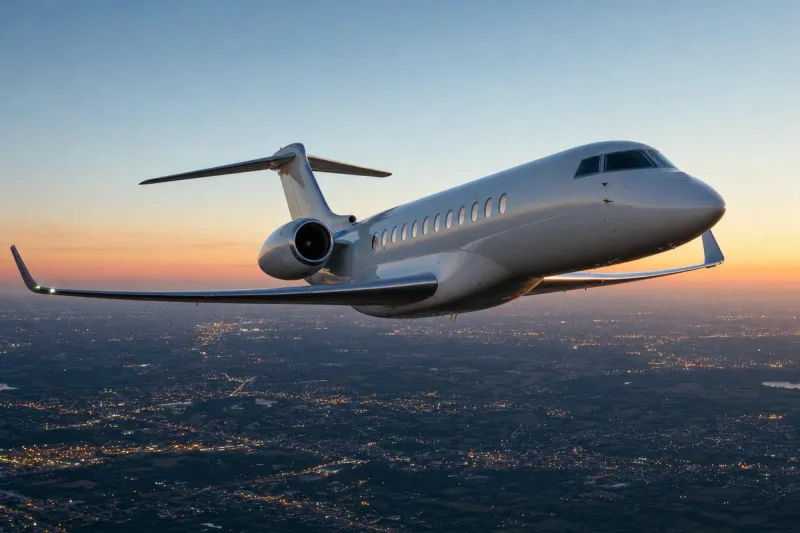
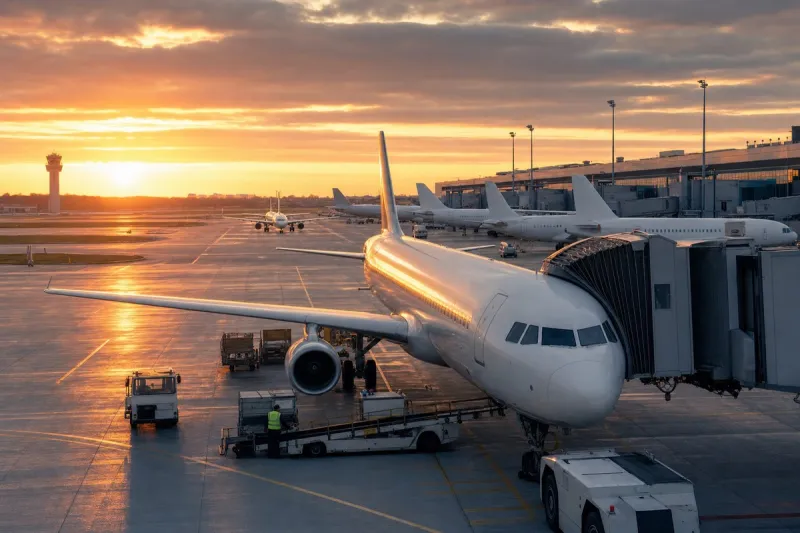
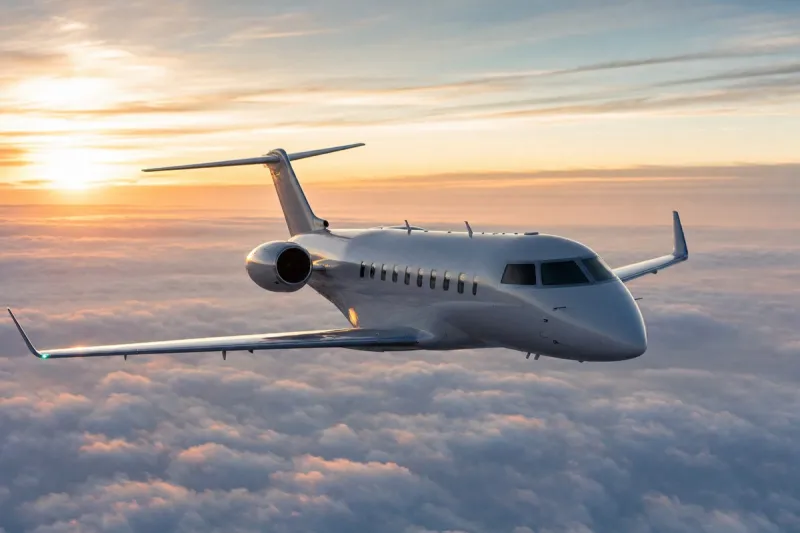
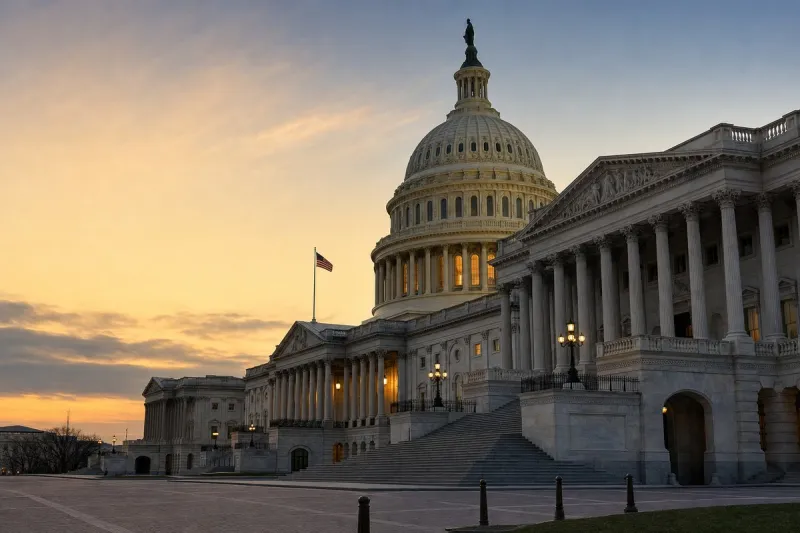
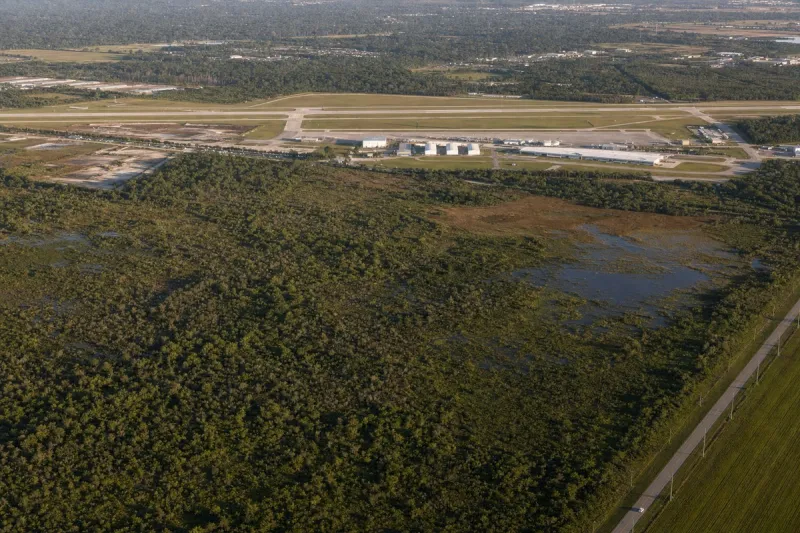
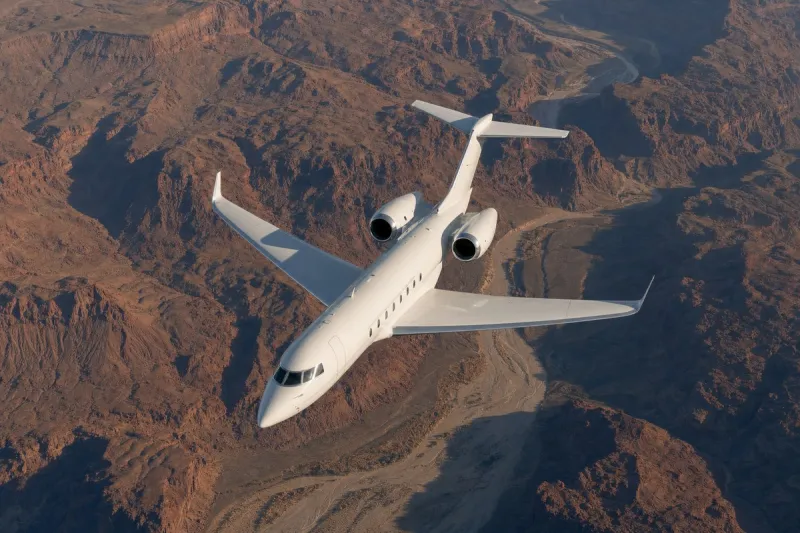
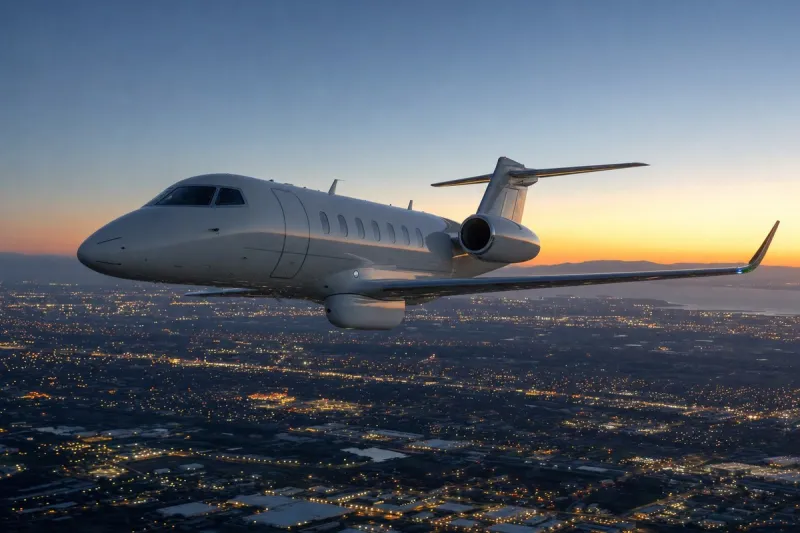
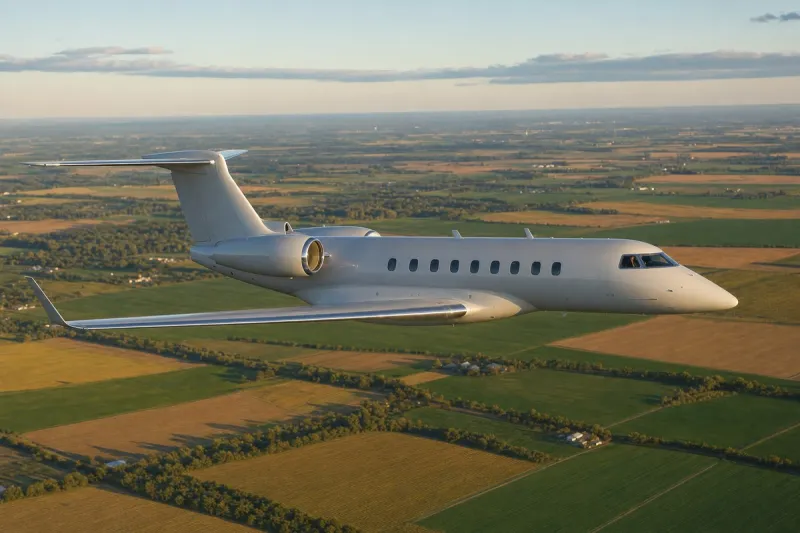
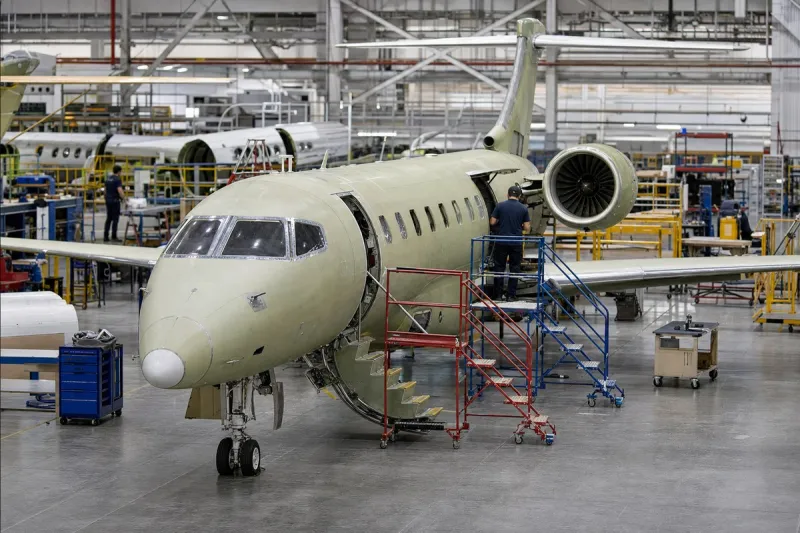
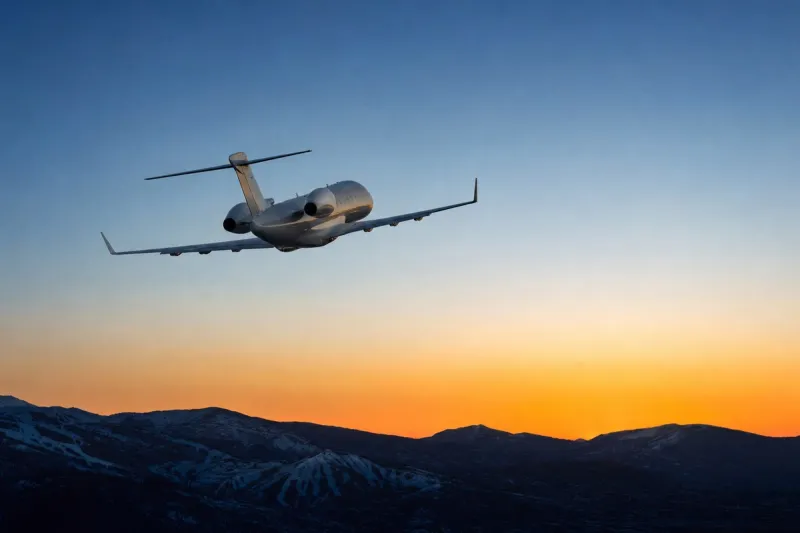
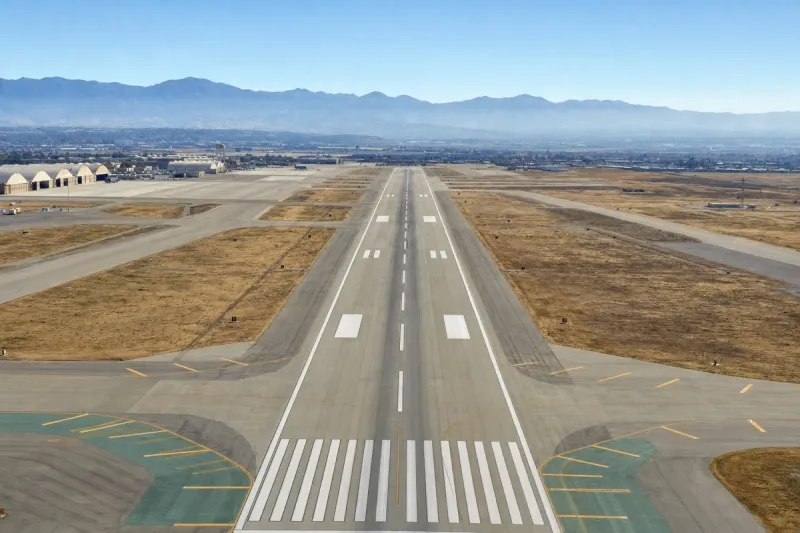
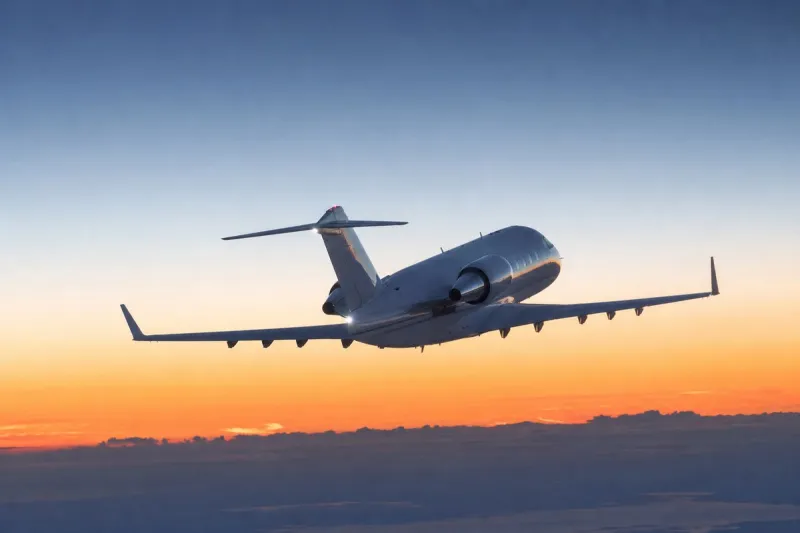
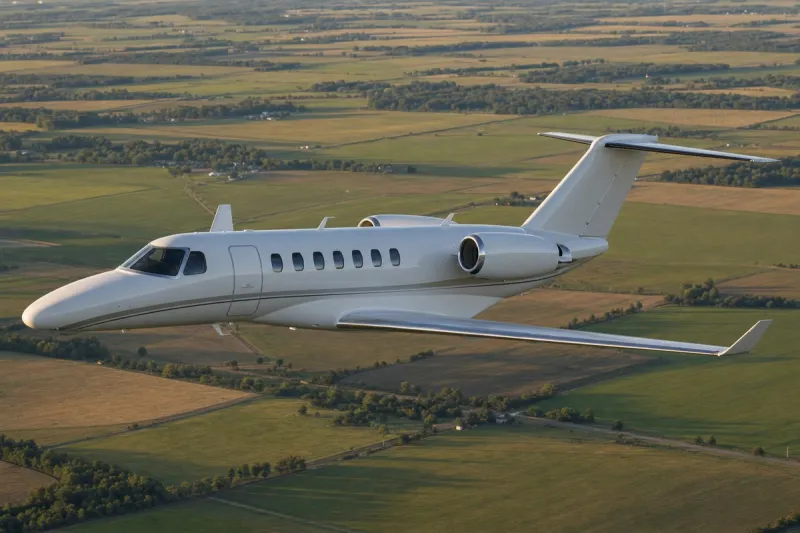
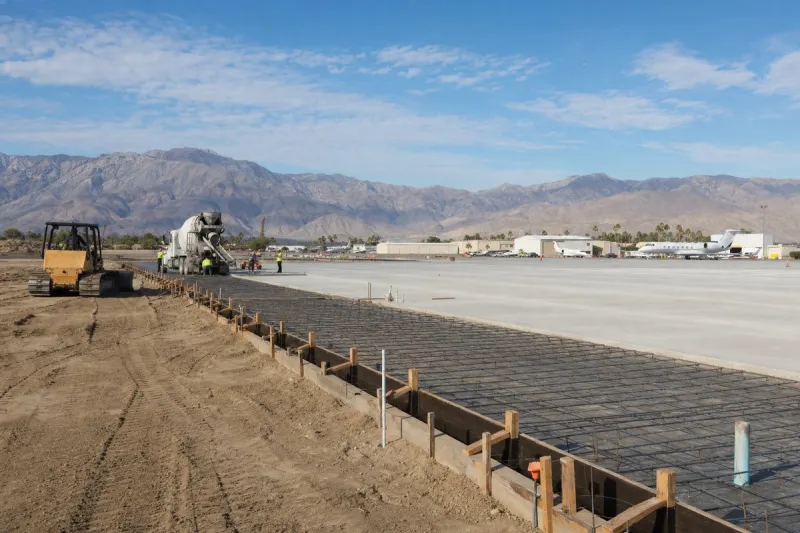
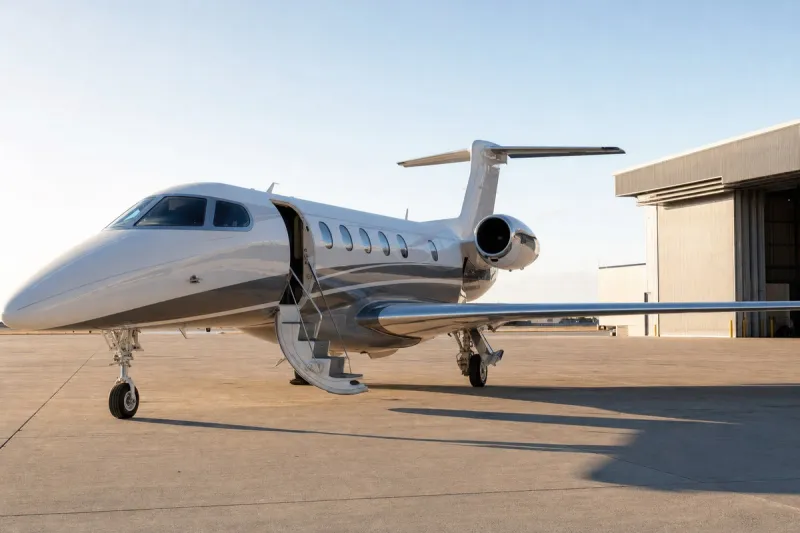
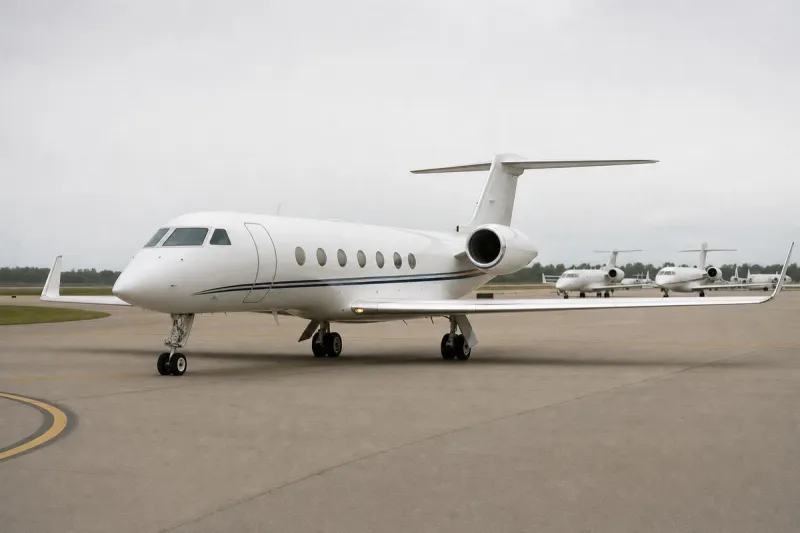
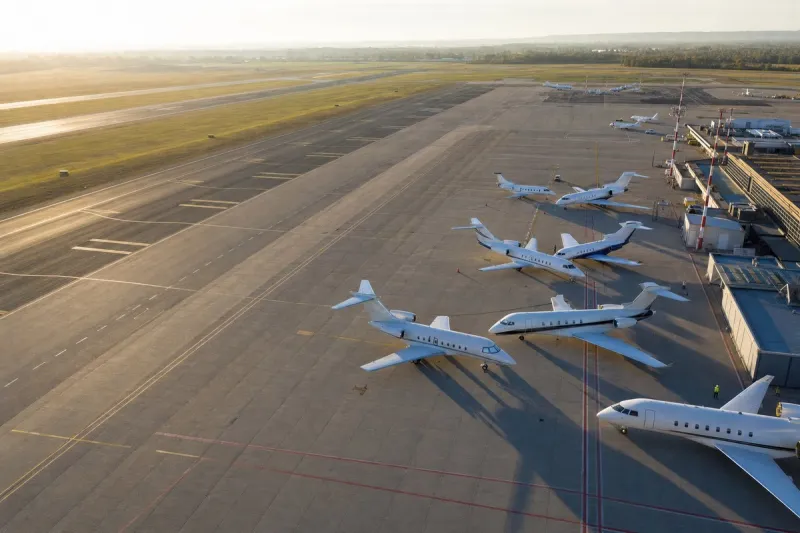
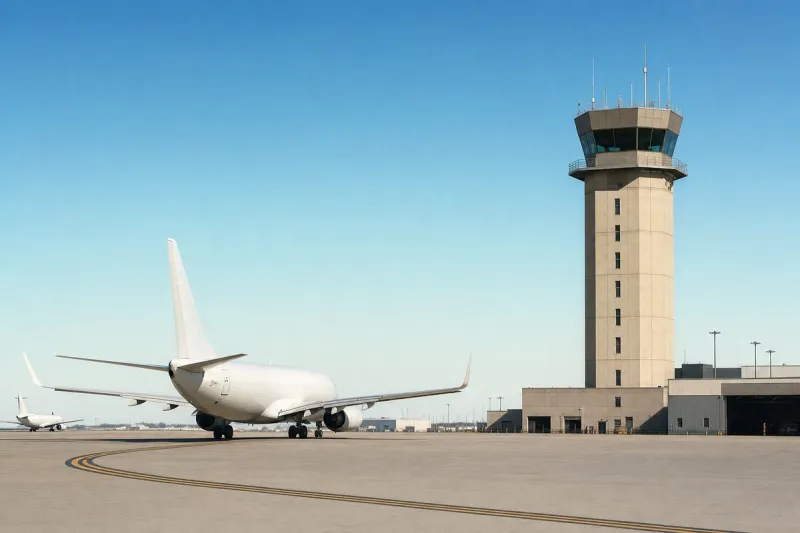
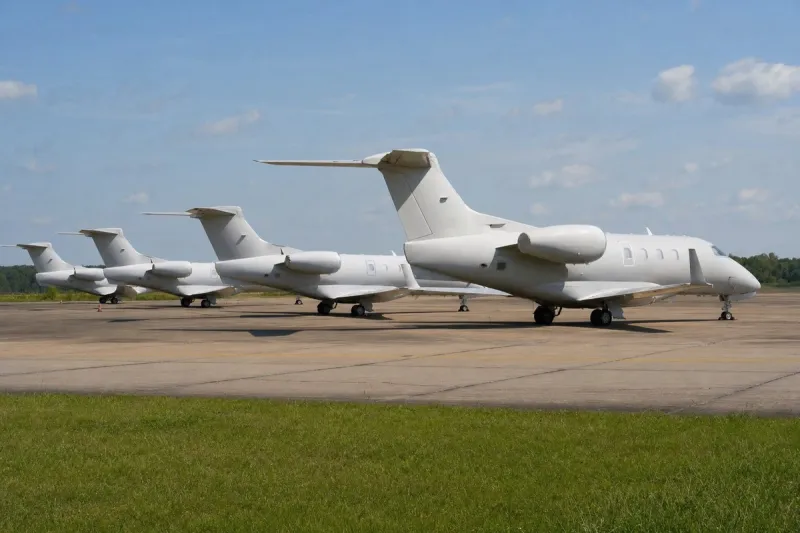
Austin plans to begin charging new fees on private and other noncommercial aircraft at Austin-Bergstrom International Airport as early as October 1, part of a broader multibillion-dollar expansion and renovation of the facility. The changes stem from an Austin City Council resolution authored by Council Member Vanessa Fuentes and approved in August 2025.
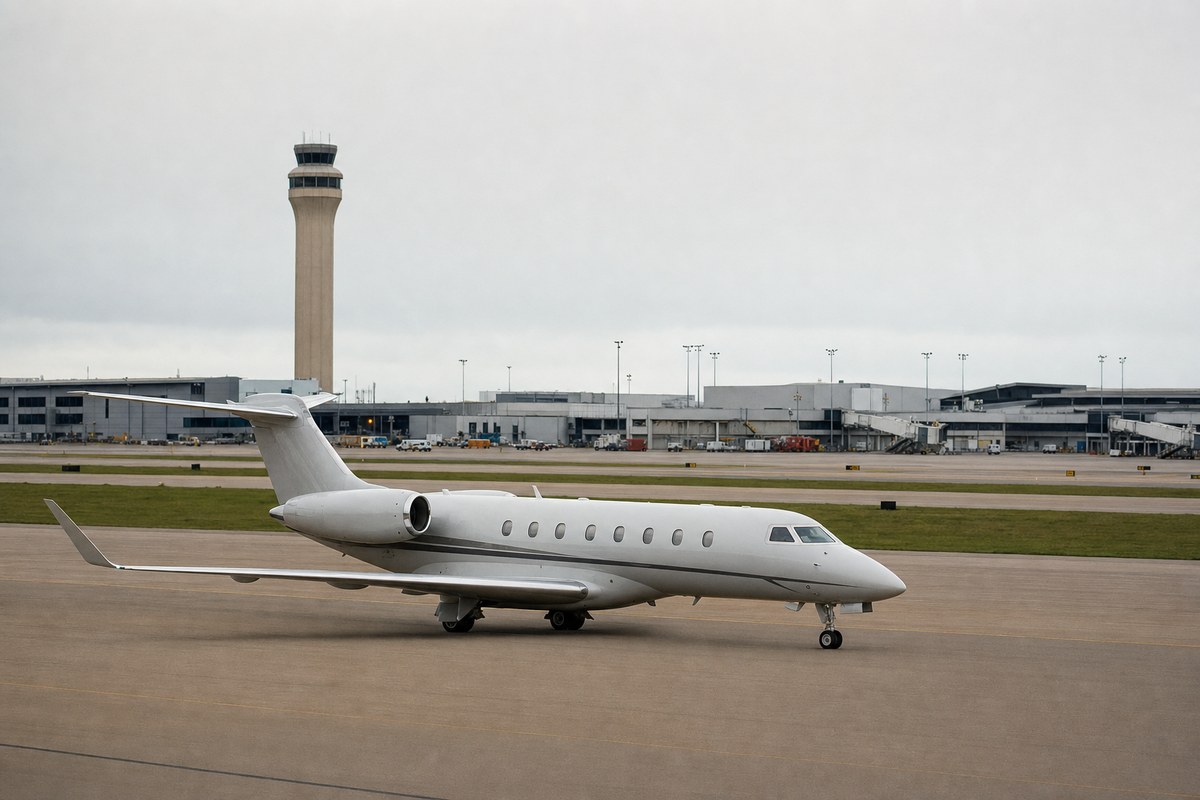
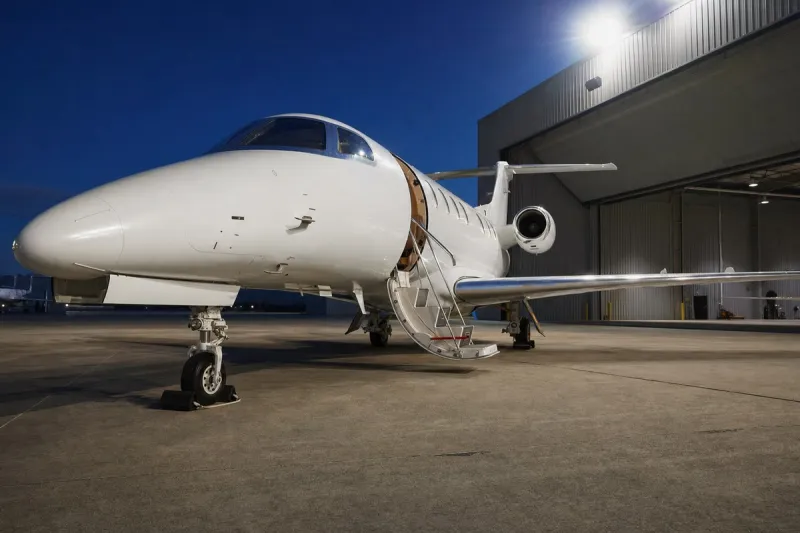
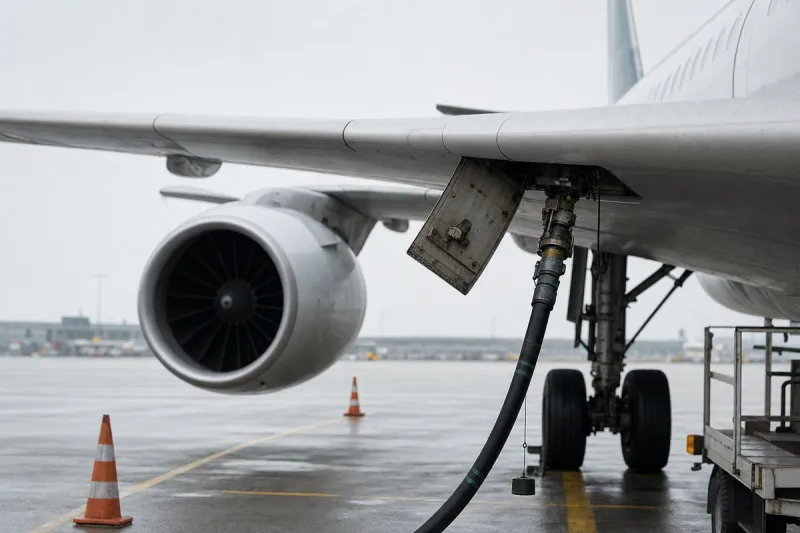
The fee package includes a $50 landing fee for noncommercial aircraft and a $100 landing fee during special events such as Formula 1 weekend, NASCAR weekend, South by Southwest (SXSW), and University of Texas home football games. Hangar rental rates for smaller aircraft would rise by 3%, and the fuel flowage fee at the airport would increase to 12 cents per gallon, with 2-cent annual increases over five years reaching 20 cents per gallon. The fees apply to noncommercial aircraft weighing less than 12,500 pounds.
The airport recorded 42,683 noncommercial aircraft operations in 2025, and the new fees are expected to generate hundreds of thousands of dollars in additional revenue. Austin's Aviation Department, in a memo obtained by Austin Current, recommended the adjustments to keep the airport competitive among Texas airports while generating new revenue, noting that Dallas and San Antonio already impose similar private aviation fees.
Tom Chandler, a regional manager with the Aircraft Owners and Pilots Association, which represents 300,000 members including more than 25,000 in Texas, said the fees could burden recreational pilots, flight students, and others paying out of pocket rather than exclusively targeting wealthy private jet owners. "Our folks don't typically get to pass along those costs," Chandler said. "The vast majority of our folks, it's coming out of their own pocket each time." Chandler noted that student pilots must complete 10 takeoffs and landings at a controlled airport to obtain a private pilot's license, making repeated landing fees a significant expense, and said some airports have set the weight threshold lower to avoid affecting flight training. The airport confirmed the fees are expected to take effect in October but could not confirm whether the rates in the memo are final, and it remains unclear whether the fuel flowage fee increase will apply to both commercial and noncommercial aircraft.
Industry impact & what to watch
Austin's move belongs to a broader trend of municipal airports treating general aviation fee schedules as a revenue lever tied to capital expansion, following peers like Dallas and San Antonio that already charge noncommercial operators. The weight-based approach — targeting aircraft under 12,500 pounds — is the mechanism that determines who actually pays: a threshold set high enough to catch small private jets also sweeps in trainer aircraft and single-engine planes flown by student pilots and recreational owners.
How this plays out depends on where the 12,500-pound line falls relative to typical training fleets. Because flight schools cannot pass landing fees to a paying charter customer the way jet operators can, a flat $50 or $100 per-landing charge lands disproportionately on individuals who fly repeatedly for certification requirements rather than on the wealthy owners the policy is aimed at.
What remains open is whether Austin finalizes the rates as published in the memo, and whether the fuel flowage increase ultimately applies uniformly to commercial and noncommercial aircraft alike — a distinction that will determine how much of the new revenue burden falls on general aviation specifically.