South Australia Allocates Nearly $250,000 for Five Regional Aerodrome Safety Upgrades Under SASRAP
Why It MattersSmall, recurring grants for lighting, drainage, fencing and CCTV show how regional aerodrome safety is maintained incrementally rather than through single large capital projects.
What happened
South Australia's Department for Infrastructure and Transport announced on 4 September 2026 that five regional public airports and aerodromes will share close to $250,000 in the latest round of the South Australian Supporting Regional Aviation Program (SASRAP). Now in its eleventh year, SASRAP has funded more than 60 projects totalling over $5 million since it began in 2015.
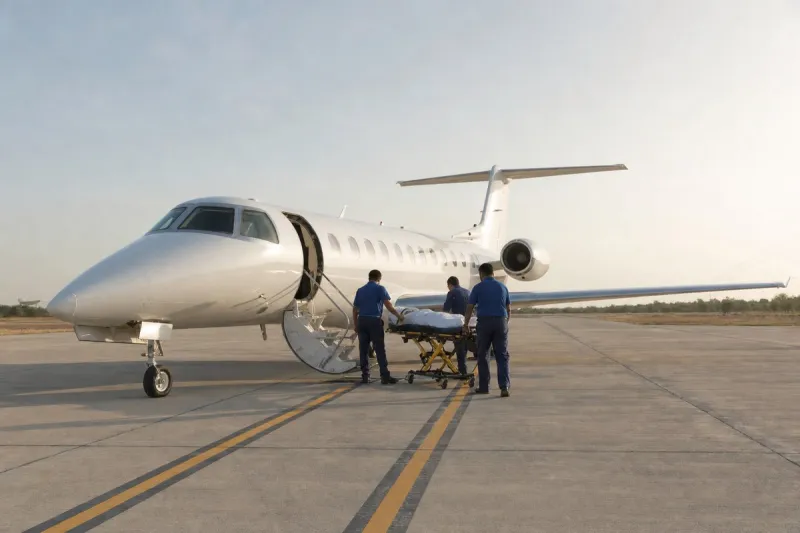
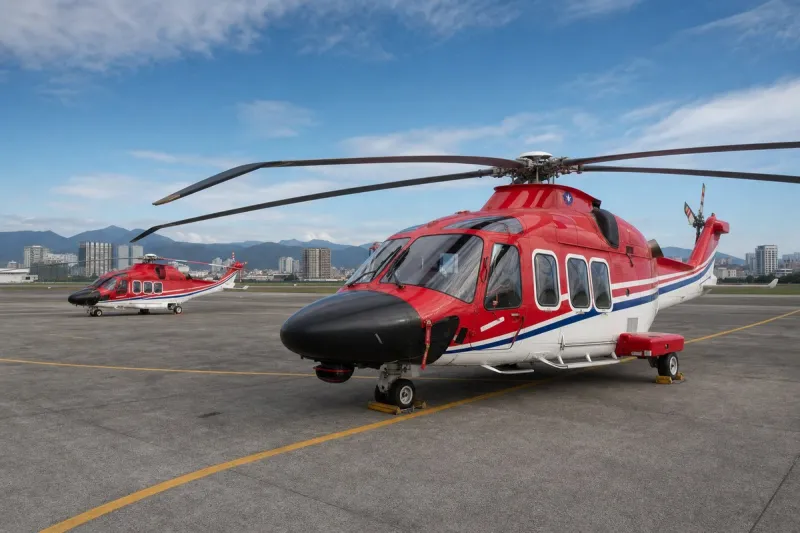
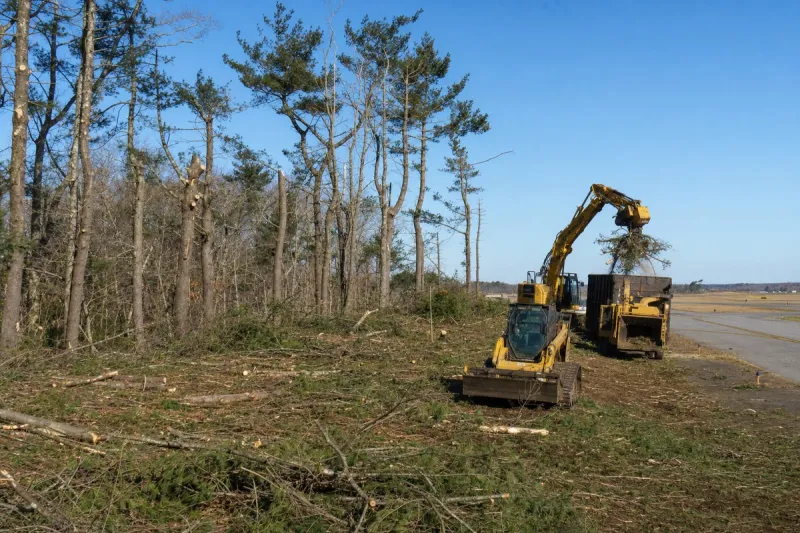
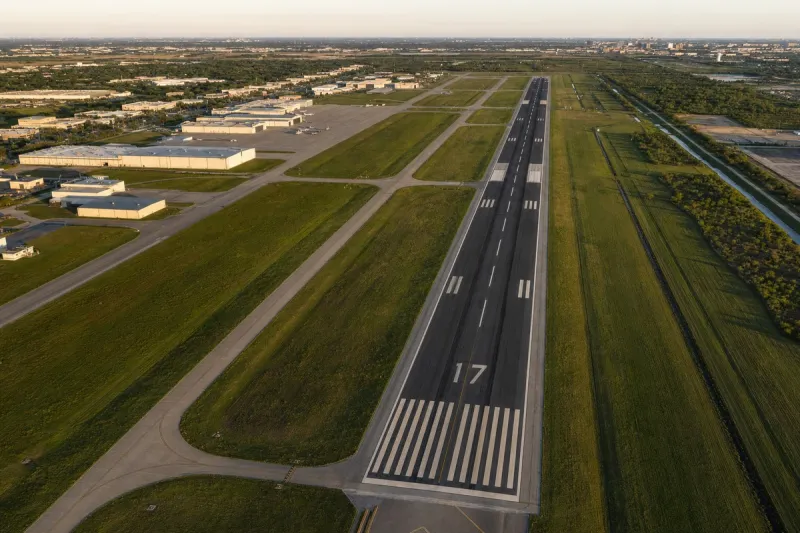
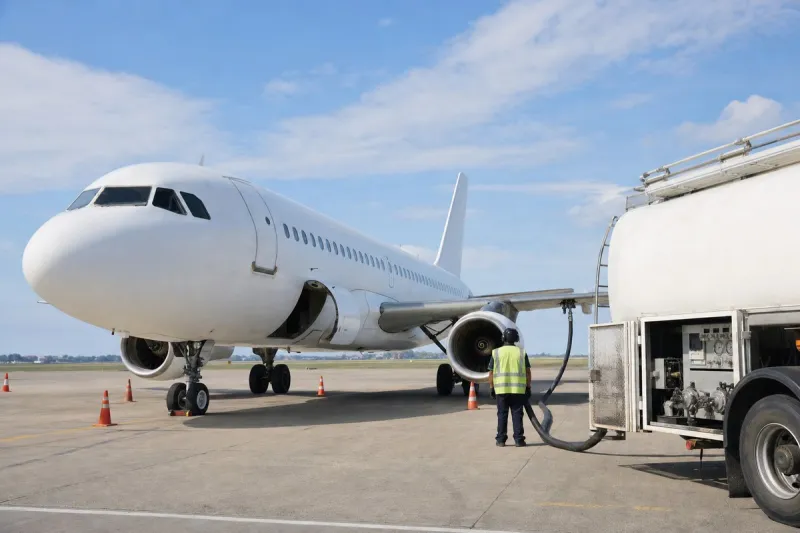
The District Council of Coober Pedy was awarded $71,500 to replace the ageing lighting control system at Coober Pedy Aerodrome, supporting night-time and low-visibility access for the Royal Flying Doctor Service, emergency services and regular passenger flights. Naracoorte Aerodrome will receive $57,500 to seal loading and approach areas and construct a new concrete refuelling pad, improving conditions for firefighting aircraft, including larger helicopters supporting Country Fire Service operations.
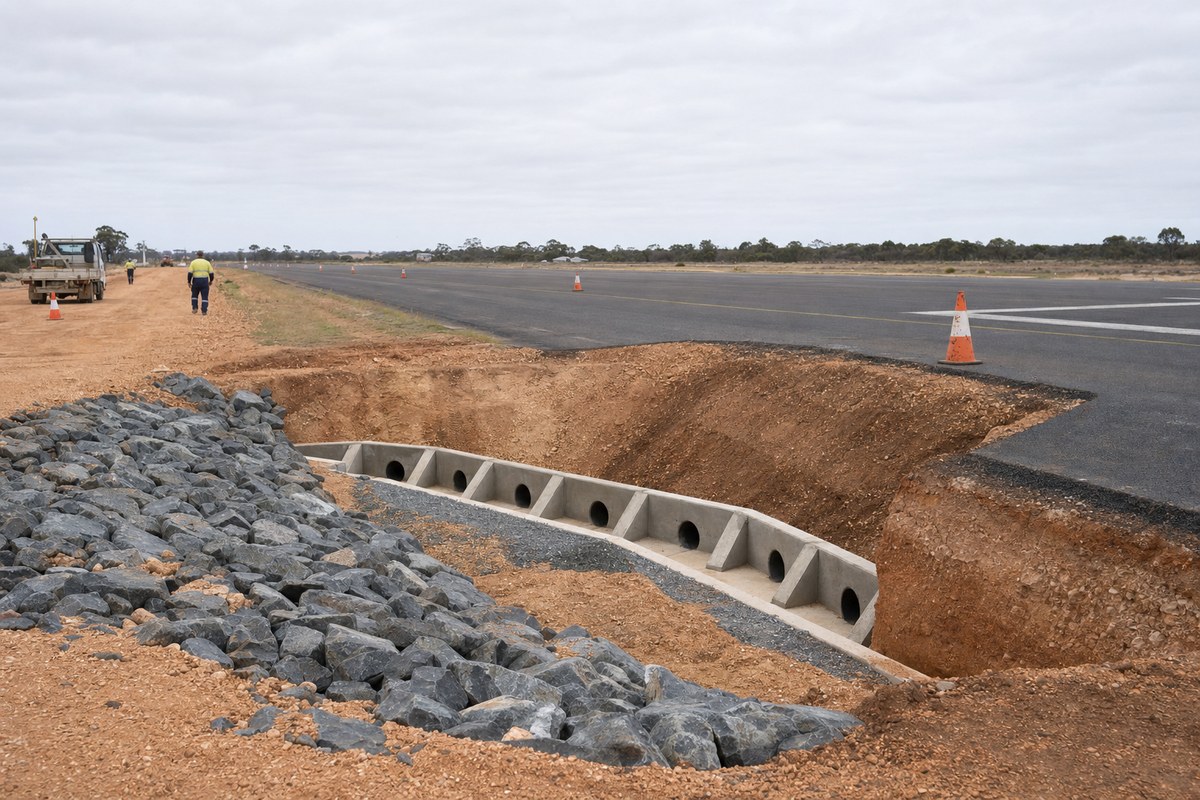
The District Council of Robe was granted $22,435 to build an all-weather runway extension, upgrade visual runway markers and improve drainage at Robe Aerodrome, supporting year-round emergency service access. The Lower Eyre Council received $57,432 to upgrade the CCTV surveillance system at Port Lincoln Airport, strengthening security at the facility, while the District Council of Cleve will use $38,000 to install new perimeter fencing around a section of Cleve Aerodrome to prevent wildlife from entering the airfield.
Industry impact & what to watch
This round belongs to a category of public funding that keeps small regional aerodromes usable for essential services: lighting, drainage, fencing, refuelling pads and surveillance are the unglamorous infrastructure that lets the Royal Flying Doctor Service, firefighting aircraft and passenger flights keep operating safely. Regional aerodromes in South Australia depend on programs like SASRAP because their local councils, which own and manage these facilities, typically lack the capital base to fund such upgrades alone.
The eleven-year run of the program, with over $5 million spread across more than 60 projects since 2015, indicates a steady drip-feed model instead of large one-off investments, matching grants to specific operational risks such as wildlife incursion at Cleve or low-visibility access at Coober Pedy. What comes next for each site is the completion of construction and whether the upgrades measurably reduce access disruptions during bad weather or at night, which councils and emergency service operators will be positioned to report on.