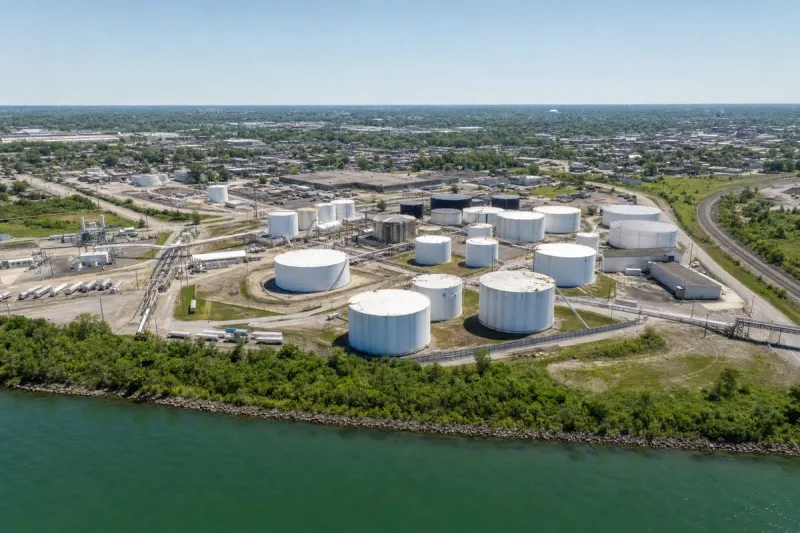
O'Hare International Airport Cancels Hundreds of Flights as FAA Ground Stops Enter Second Day
Why It MattersThe episode shows how a single capacity-constrained hub can push localized ground stops into network-wide delay cascades once connections, crew duty limits and aircraft positioning are disrupted.
What happened
FAA-ordered ground stops at Chicago O'Hare International Airport extended into a second consecutive day on September 2, 2026, canceling hundreds of flights and stranding thousands of travelers. The stoppages began on September 1 and continued through much of the following day, sending ripple delays across the U.S. domestic air network.
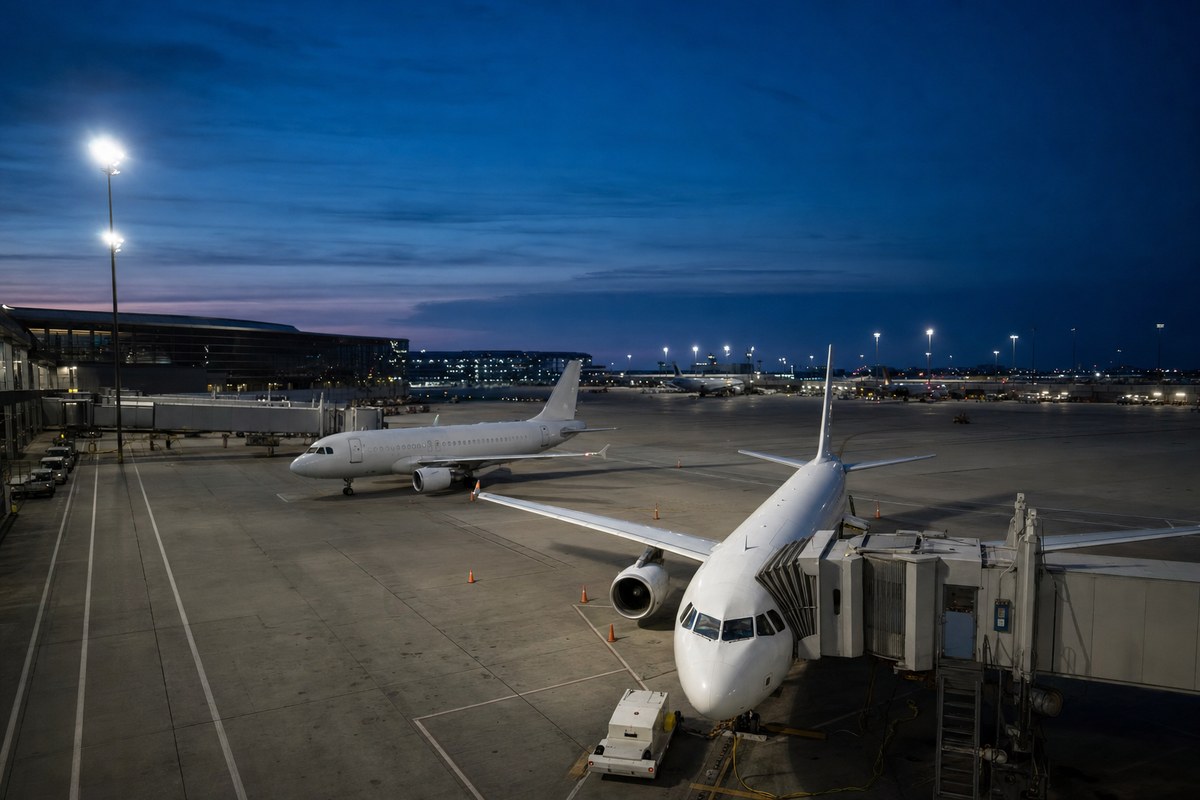
By early afternoon on September 2, independent tracking services reported approximately 200 flights canceled nationwide and nearly 900 delayed, with a disproportionate share of the cancellations tied to O'Hare. By midday, major carriers at the airport were managing hundreds of delayed departures and arrivals, with many aircraft pushed back well beyond their scheduled slots. As of late afternoon on September 2, FAA operations summaries still showed intermittent ground stops and arrival management programs affecting O'Hare and parts of the broader national network.
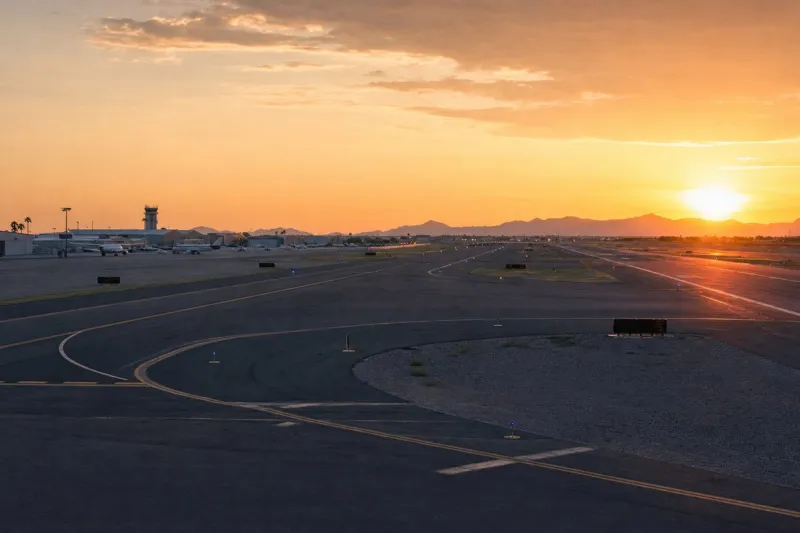
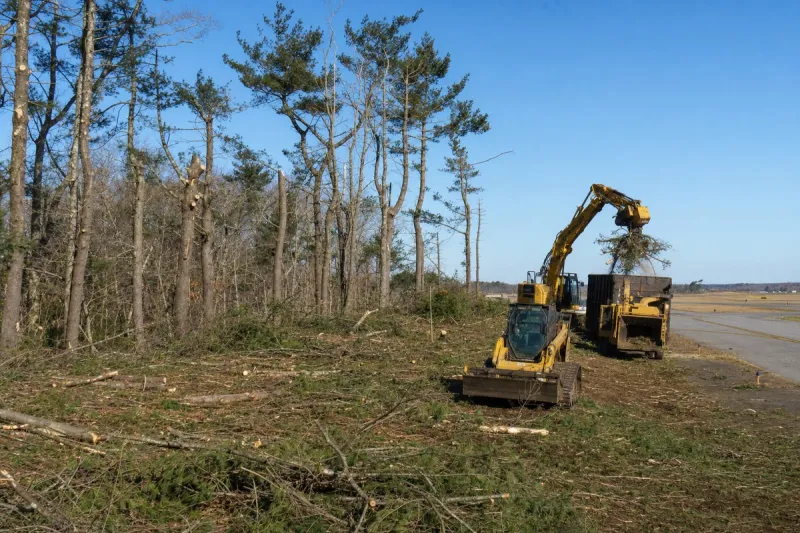
In an order issued in April 2026, federal regulators concluded that projected summer 2026 operations at O'Hare would exceed the airport's reliable throughput and imposed operating limitations. Those documents cited runway and taxiway bottlenecks stemming partly from ongoing airfield construction, and warned that even minor disruptions could trigger outsized network-wide delays.
How the disruption spread
Because O'Hare functions as a central hub for several large domestic and international networks, individual cancellations cascaded into missed connections, aircraft repositioning challenges, and crew duty-time violations. Airports with heavy inbound traffic from O'Hare, particularly on Midwest and coastal corridors, also recorded elevated delay rates as disrupted flights arrived late and turnaround times lengthened.
Industry impact & what to watch
This case illustrates a recurring vulnerability in hub-and-spoke scheduling: when a single high-volume airport already operating near its reliable throughput absorbs a ground stop, the effect does not stay local. Connections, crew legality windows, and aircraft rotations built around tight hub turns amplify a single day's stoppage into multi-day residual delay, since aircraft and crews end up out of position for the next day's first-wave departures.
The April 2026 order capping projected summer operations at O'Hare because forecast demand exceeded reliable throughput frames this episode as a test of whether those limitations were calibrated correctly. Runway and taxiway construction cited in that order narrows the airfield's margin for absorbing any ground stop without cascading further.
Aviation analysts expect the episode to intensify scrutiny of scheduling practices at capacity-limited airports and of how regulators communicate constraints to airlines and the public. With residual effects expected to persist at least into the following day, the next signal to watch is whether FAA operations summaries show ground stops and arrival management programs clearing fully or continuing to recur at O'Hare.