Pratt & Whitney Exceeds Jobs and Investment Targets at Asheville Plant, Now Employs 1,000 Workers
Why It MattersThe case shows how regional manufacturing incentive deals hinge on multi-year wage and headcount benchmarks that, once exceeded, reshape local training pipelines and diversify economies dependent on a single sector.
What happened
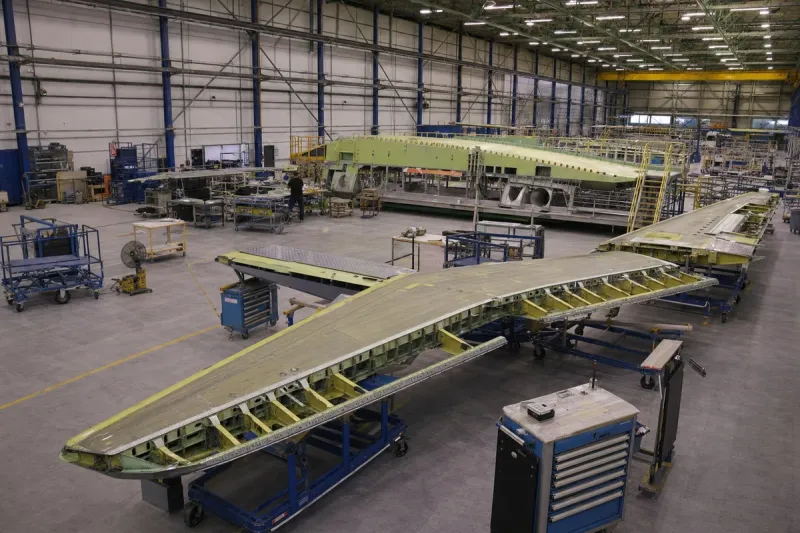
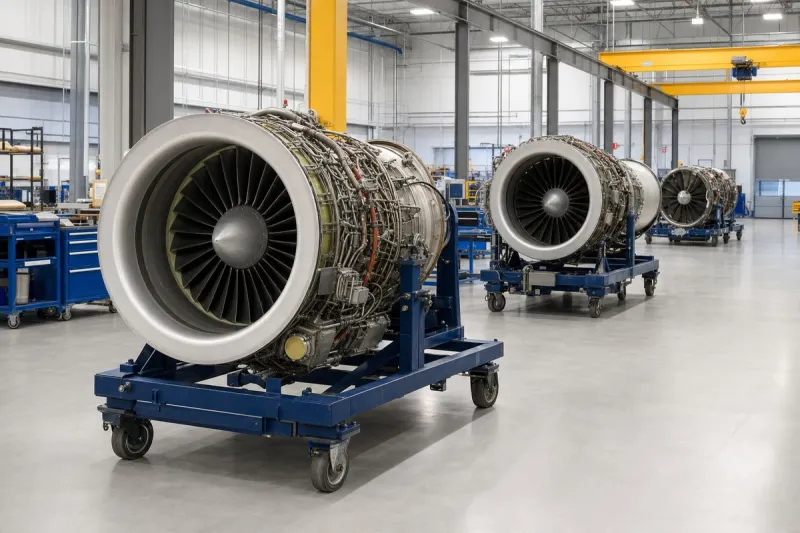
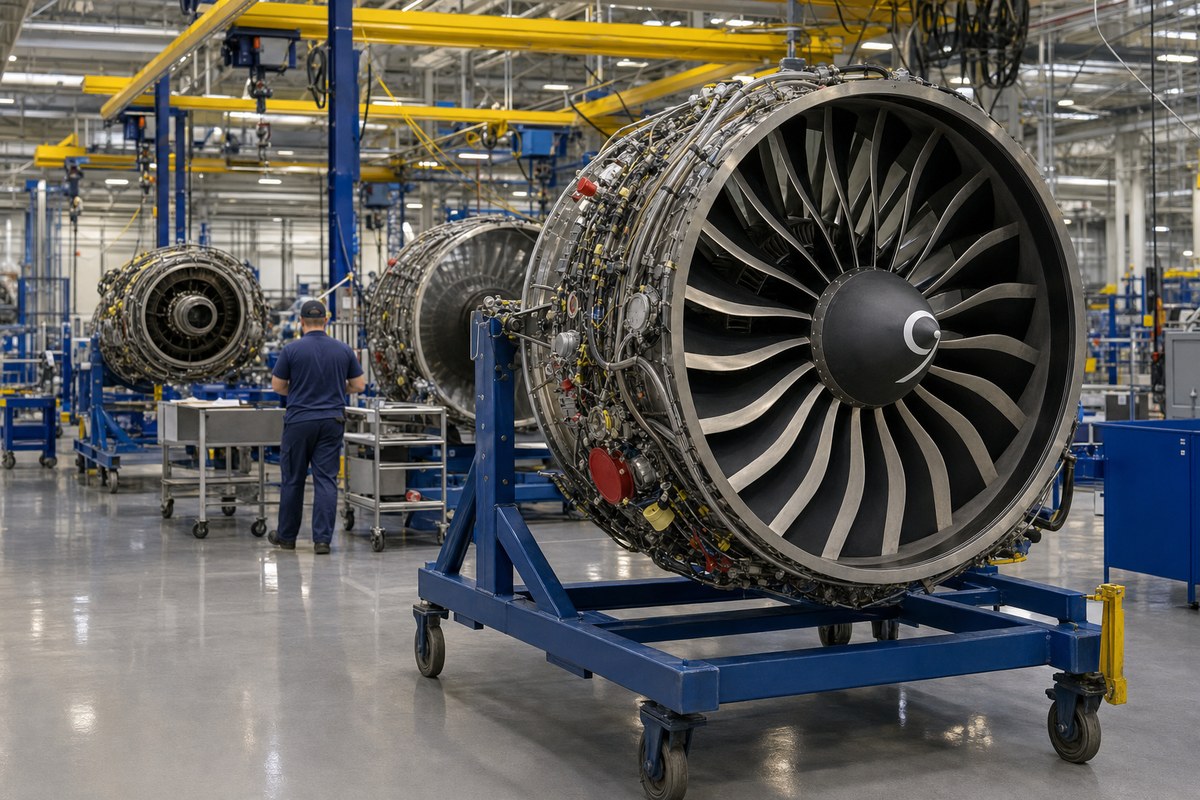
Pratt & Whitney has surpassed the employment and investment commitments it made when establishing its manufacturing plant in Asheville, North Carolina, the company confirmed. The RTX subsidiary had pledged at least $650 million in investment, a 1-million-square-foot plant on 100 acres, and 800 jobs by 2027 at an average annual wage of $62,413. Six years into the project, the company has invested nearly $1 billion and employs 1,000 workers — ahead of the 2027 deadline — with plans to reach 1,200 employees by that year.
Buncombe County records show actual wages at the plant have reached $73,824, or 117 percent of the original wage commitment. In January 2025, Pratt & Whitney and the Asheville Area Chamber of Commerce announced an additional 325 jobs and a further $285 million investment, with new positions projected at average salaries of $62,413, compared with a Buncombe County average wage of $54,416. The chamber estimated the annual payroll impact to the community at more than $20 million.
The plant was attracted with an incentives package approaching $100 million, including a new interchange off I-26, $27 million from Buncombe County, and $15.5 million from the state of North Carolina. The county's incentives span 14 years and are tied to employment and capital investment benchmarks; so far Buncombe County has disbursed $7.3 million to Pratt & Whitney. Since 2010, the county has entered into economic development agreements with 11 companies totaling $30.7 million, including $2.3 million to GE Aviation.
Company spokesperson Cataldo Perrone said nearly 90 percent of Pratt & Whitney's hires are local to western North Carolina. Asheville-Buncombe Technical Community College (A-B Tech) has provided workforce training since the plant opened, with more than 140 trainees without prior manufacturing experience hired through an initial 96-hour program. A-B Tech has also received a $29.2 million grant from the U.S. Economic Development Administration to build the Western North Carolina Futures Factory, a 70,000-square-foot facility planned adjacent to the Pratt & Whitney plant that will train 800 workers annually across multiple industries, with Buncombe County and the A-B Tech Board of Trustees as co-applicants.
Regional economic backdrop
Buncombe County's unemployment rate reached 8.8 percent in October 2024, the month after Hurricane Helene struck — six percentage points higher than the prior year. Buncombe County Board of Commissioners Chair Amanda Edwards said the investment in Pratt & Whitney goes "a long way" toward meeting community requests for diversified jobs.
A report by labor analyst Lightcast found that Buncombe and four surrounding counties together hold just under 22,000 manufacturing jobs, with average earnings of $83,892 per job. Manufacturing is described as the second-largest sector in the regional economy after healthcare, with a net gain of more than 4,000 manufacturing jobs over the past decade.
Industry impact & what to watch
This case illustrates how aerospace manufacturing sites anchored by large OEMs are built around negotiated benchmarks — jobs, wages, and capital spending tied to multi-year disbursement schedules rather than a single upfront payment. Buncombe County's 14-year incentive structure, with $7.3 million disbursed against a $27 million pledge, shows how public money follows performance rather than promises, giving local governments leverage to verify outcomes before the full package is paid out.
Such deals also function as workforce-development engines: the pairing of a manufacturing plant with a community college training pipeline, now expanding into a dedicated regional training facility, reflects how aerospace supply-chain jobs increasingly depend on non-traditional hiring paths rather than an existing skilled labor pool. That matters most in regions like western North Carolina, where a hurricane-driven unemployment spike exposed overreliance on hospitality and tourism.
Whether the Asheville plant becomes a template for other regions will depend on whether the 1,200-job 2027 target is met and whether the new Western North Carolina Futures Factory succeeds in training 800 workers annually across industries beyond aerospace.