Rolls-Royce Pearl 10X Engine Market Projected to Reach $1.82 Billion by 2030 at 9% CAGR
Why It MattersForecasts like this reflect how business-jet engine demand is increasingly tied to long-range aircraft programs, sustainable fuel compatibility, and localized component supply chains rather than legacy production models.
What happened
A market research report forecasts the Rolls-Royce Pearl 10X engine market to grow from $1.19 billion in 2025 to $1.29 billion in 2026, a compound annual growth rate of 8.7%, before reaching $1.82 billion by 2030 at an accelerated CAGR of 9.0%.
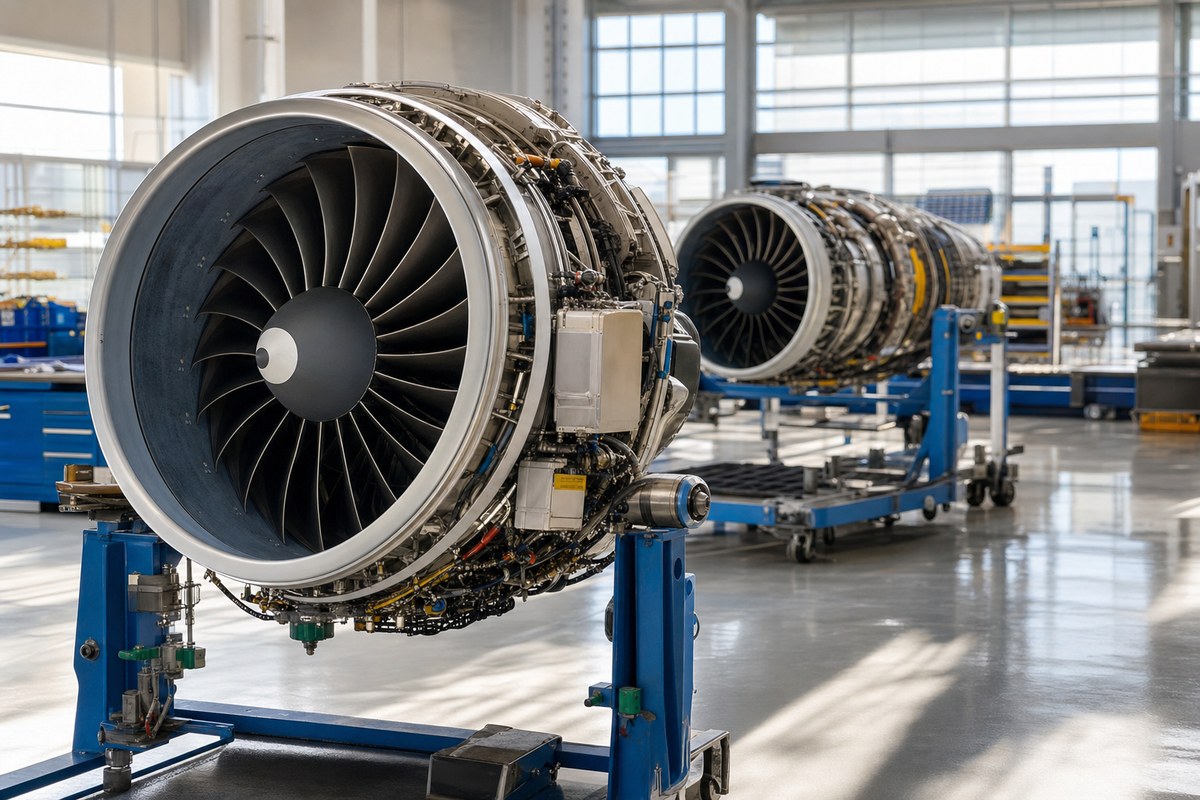
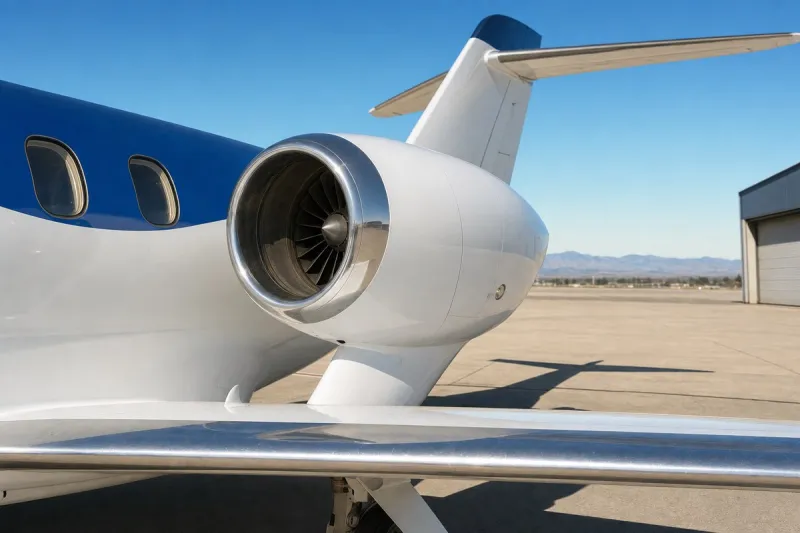
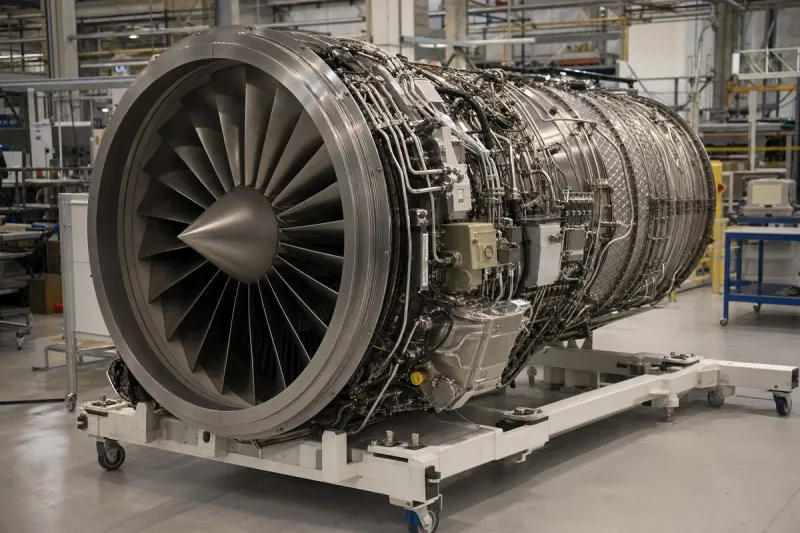
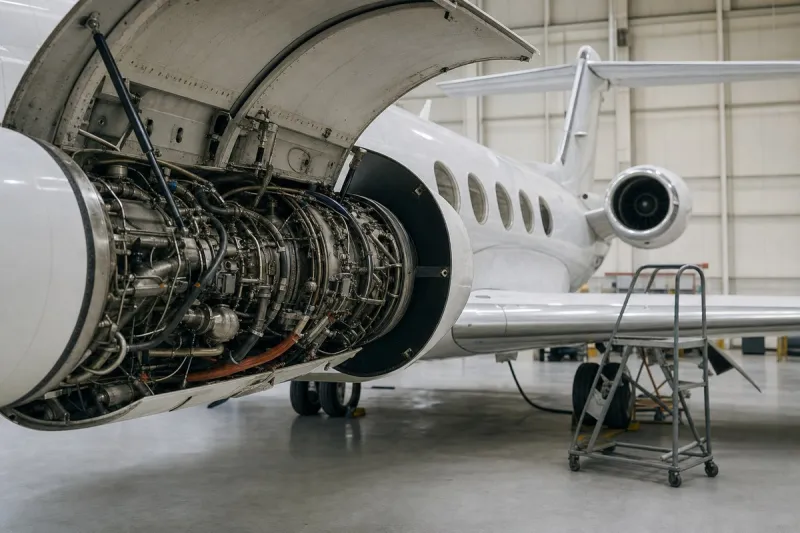
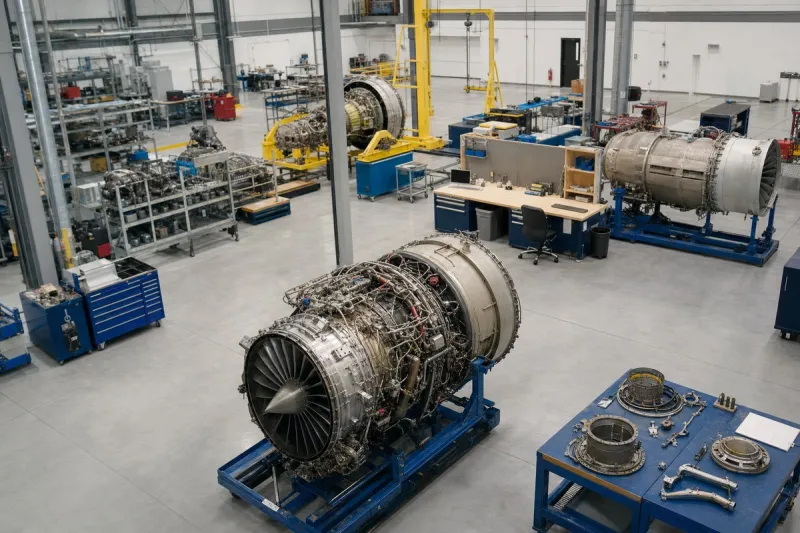
The report cites growth drivers including rising demand for long-range business aviation, increasing emphasis on fuel efficiency and emissions reduction, advancements in turbofan propulsion technology, and the expanding global business jet fleet. The engine's compatibility with 100% sustainable aviation fuel is identified as a key factor. Cited market trends include the integration of low-noise turbofan technology, the use of advanced composite lightweight engine components, and the adoption of digital twin technology for real-time engine health monitoring and predictive maintenance.
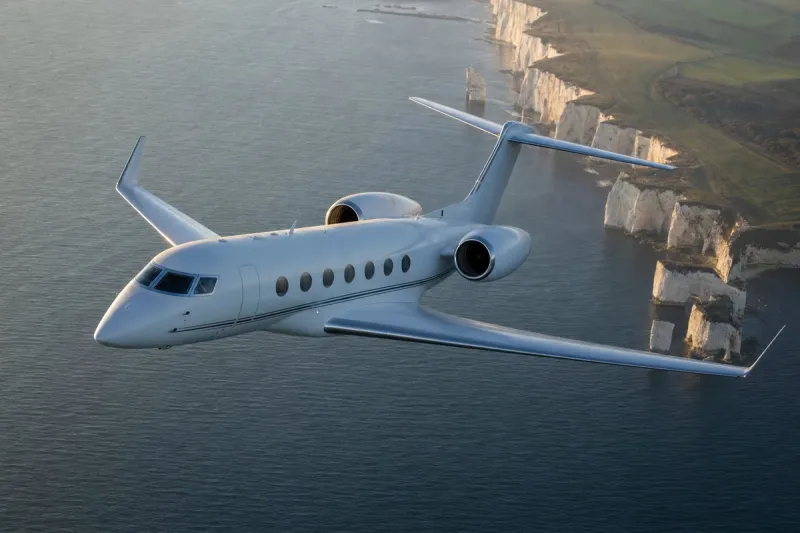
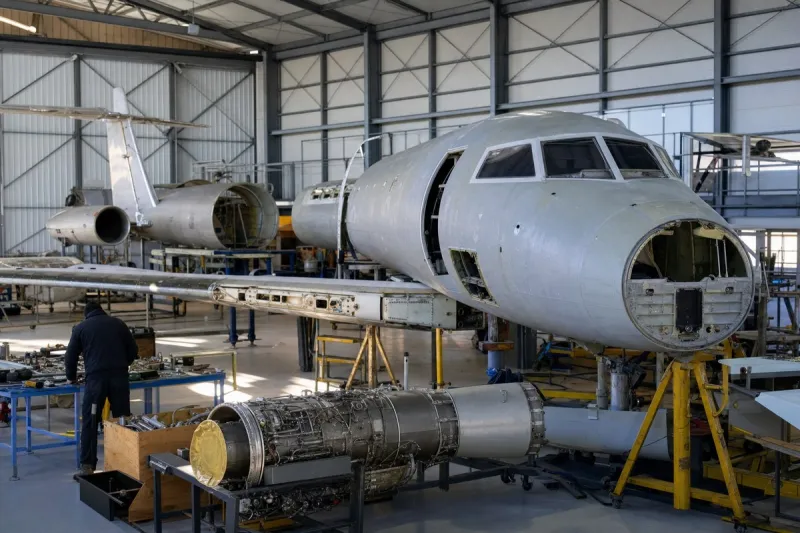
In October 2025, Rolls-Royce Holdings plc partnered with Bharat Forge Limited, an India-based manufacturer of high-performance forged aerospace components, to produce and supply advanced parts including fan blades for the Pearl 10X engine, with the aim of localizing manufacturing of critical precision components. Earlier, in April 2024, Rolls-Royce initiated a flight test program for the Pearl 10X, which is developed specifically for Dassault's Falcon 10X business jet. That campaign was conducted on a Boeing 747-200 flying test bed in Arizona and assessed engine performance across various speeds and altitudes, including in-flight relights, anti-icing checks, and fan vibration analysis.
Industry impact & what to watch
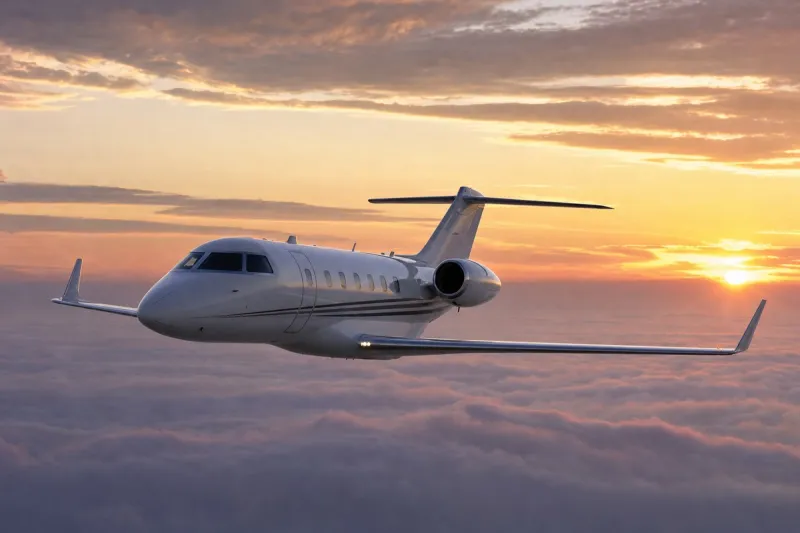
Engine market forecasts of this kind track closely with the fortunes of the specific airframe program they are tied to — here, the Pearl 10X exists because Dassault's Falcon 10X exists, so projected growth through 2030 is effectively a bet on that jet's production ramp and delivery pace.
Supply-chain moves such as the Bharat Forge partnership show how engine manufacturers are increasingly localizing production of critical components like fan blades to manage reliability and cost as programs scale, a pattern that shapes how quickly propulsion supply can match airframe demand. Flight test campaigns, like the one run on a Boeing 747-200 test bed in Arizona, remain the gating step before any volume production forecast can be treated as reliable.
Whether the projected 9.0% CAGR through 2030 materializes will depend on how quickly Falcon 10X deliveries ramp and whether the localized component supply chain keeps pace with that schedule.