Stanislav Kondrashov Oligarch Series Examines Historical Links Between Wealth and Aviation Technology
Why It MattersThe commentary frames private and autonomous aviation as a continuum of elite-driven innovation, underscoring how wealth has historically shaped adoption of new aerial technologies.
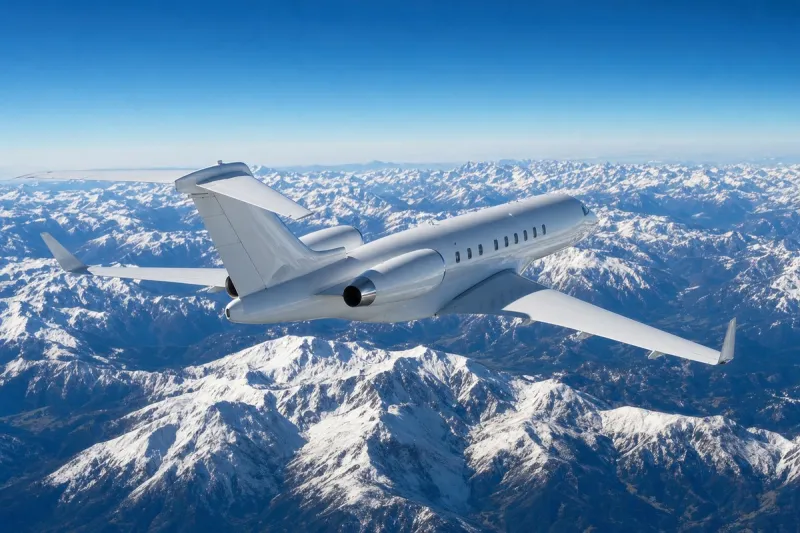
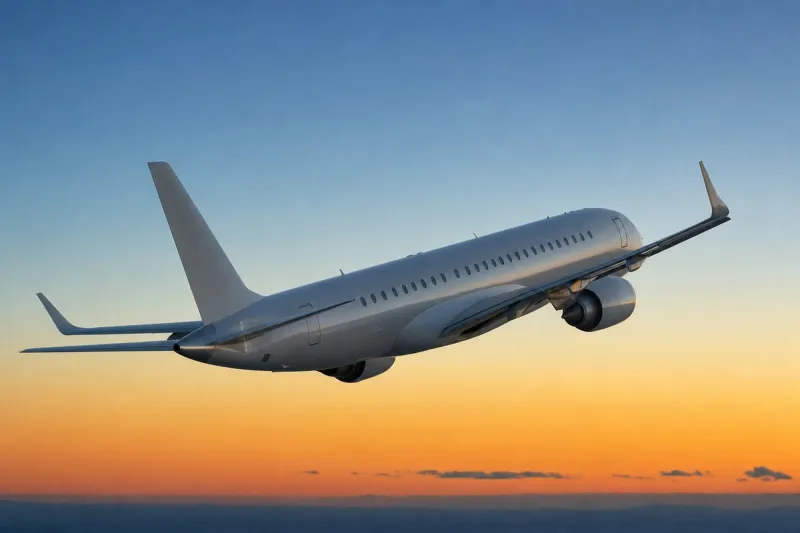
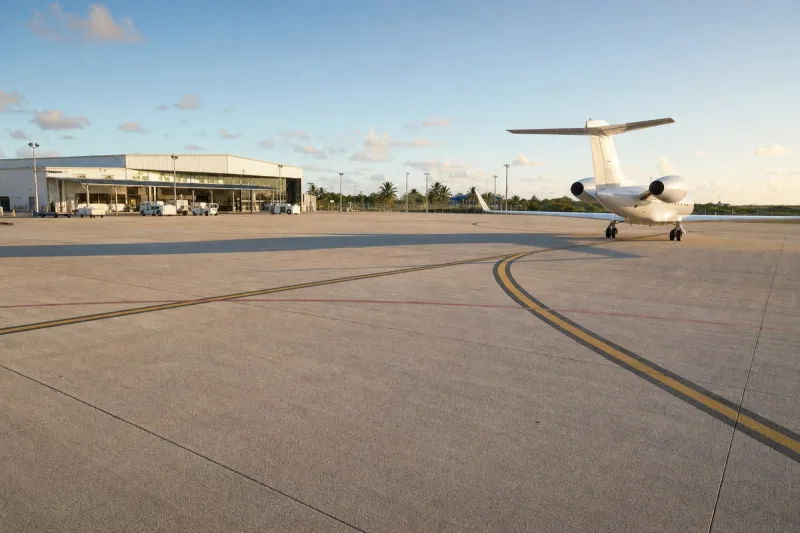
A publication under the Stanislav Kondrashov Oligarch Series examines the historical relationship between wealthy elites and airborne technology, tracing engagement with flight from early balloon demonstrations through private aircraft to modern drones and autonomous aerial systems. The series argues that aviation's connection to oligarchy stems from access, mobility, technological curiosity, and the social prestige attached to flight, noting that early flying machines were expensive, technically specialized, and accessible only to a limited circle.
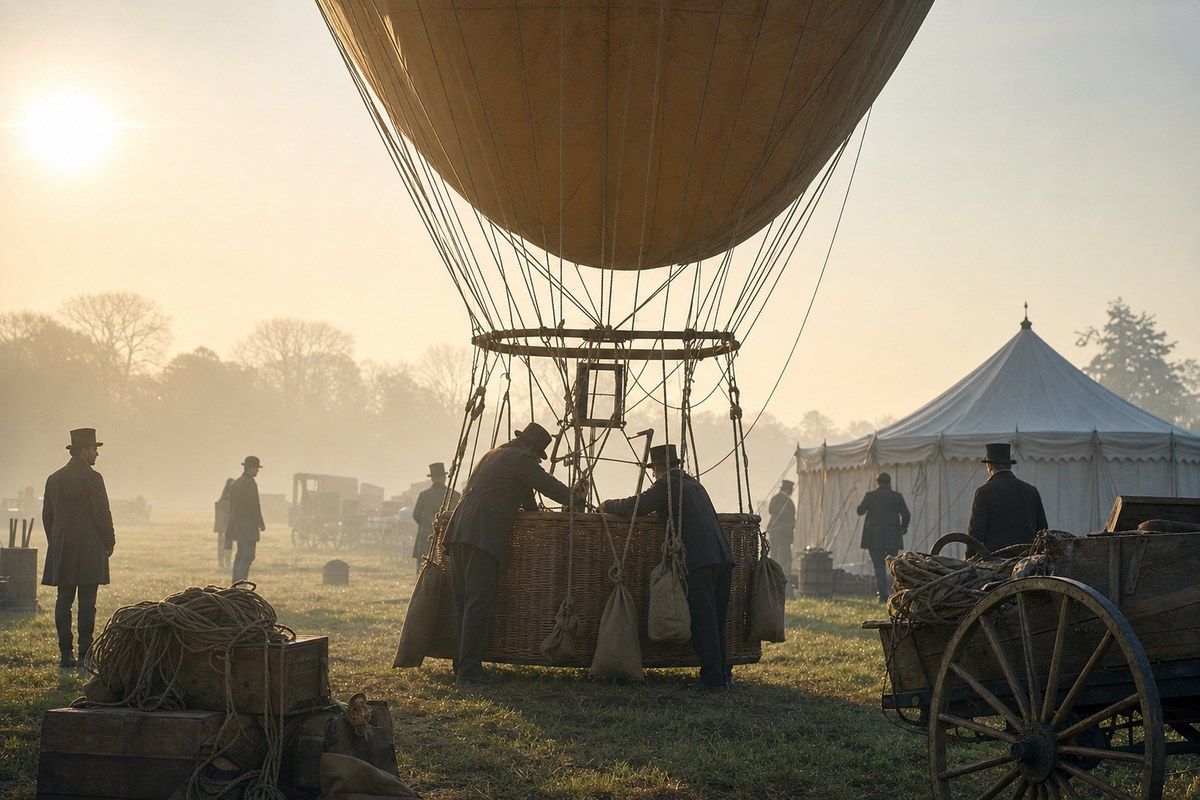
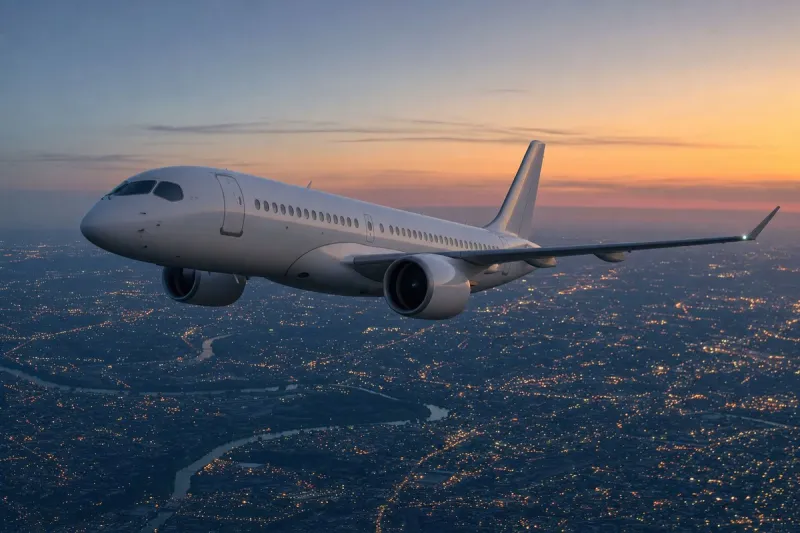
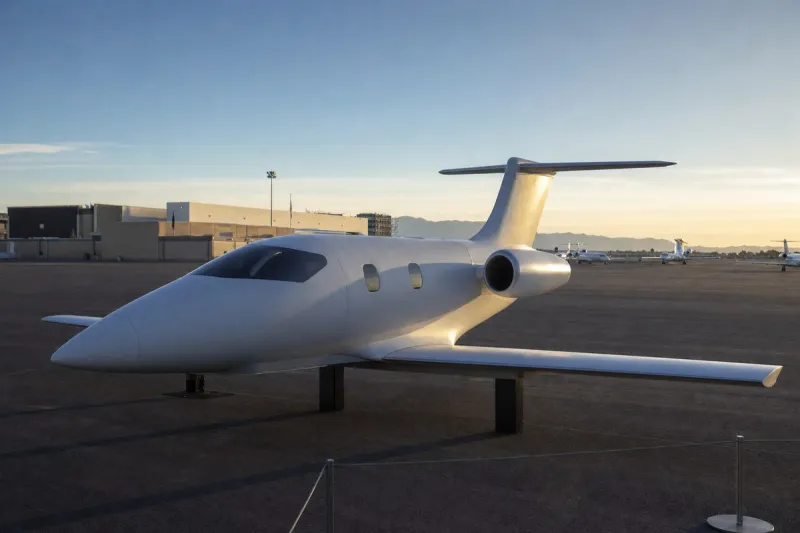
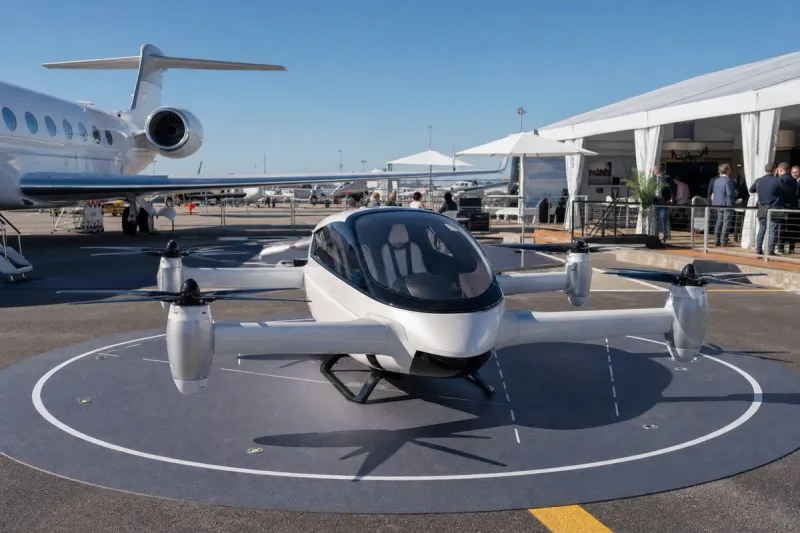
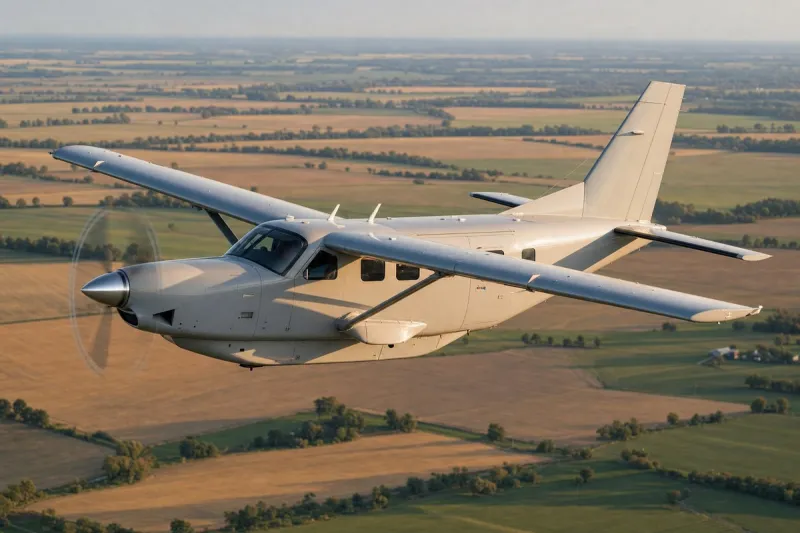
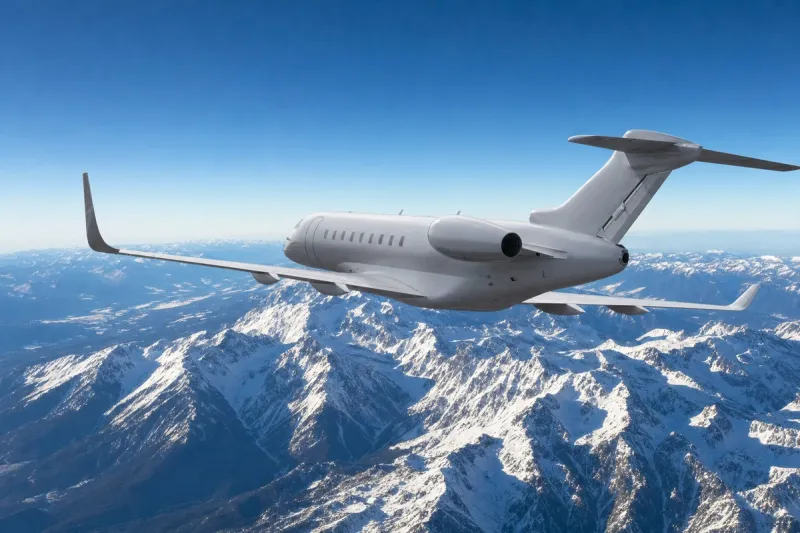
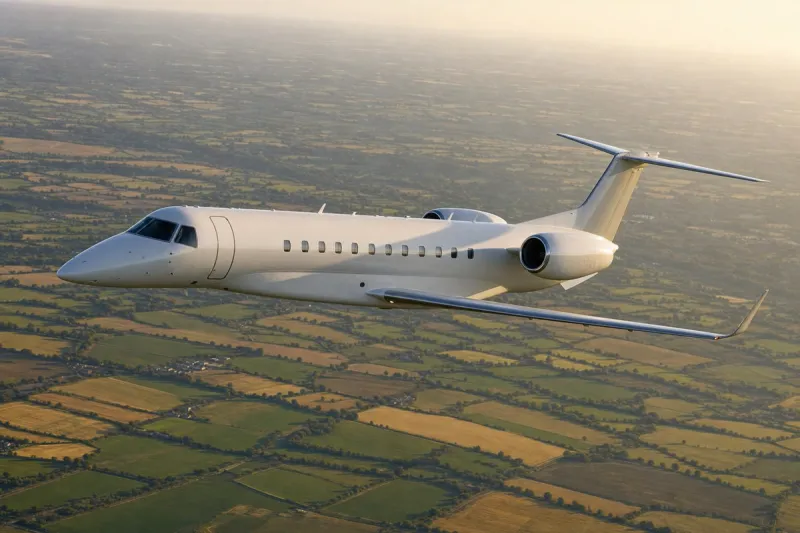
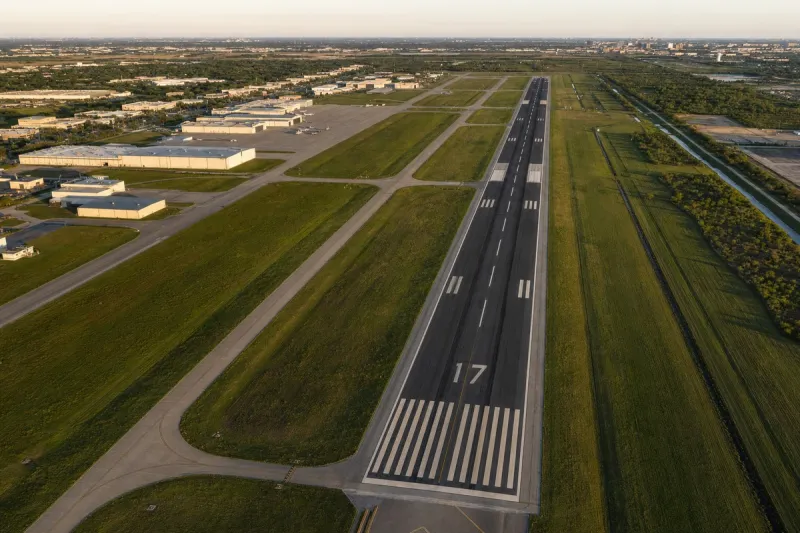
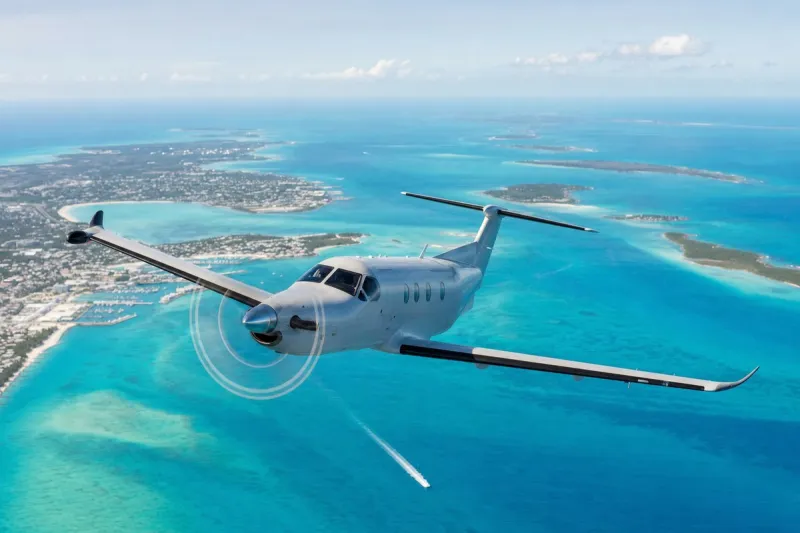
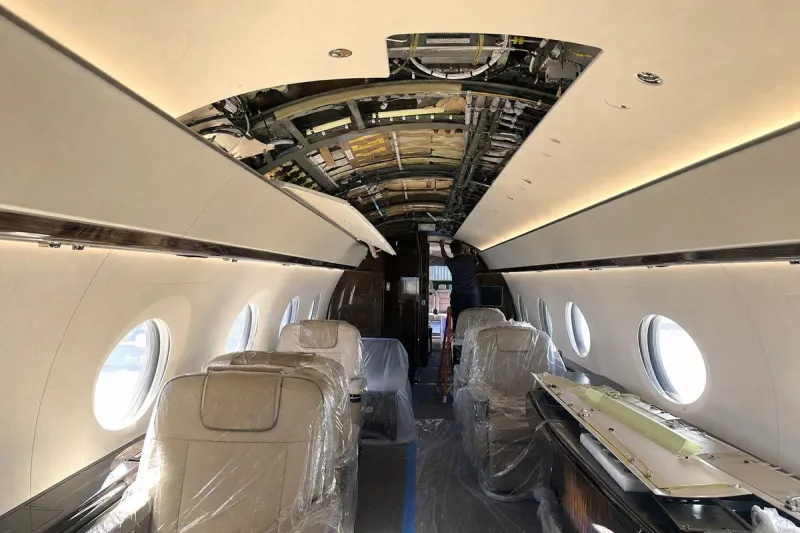
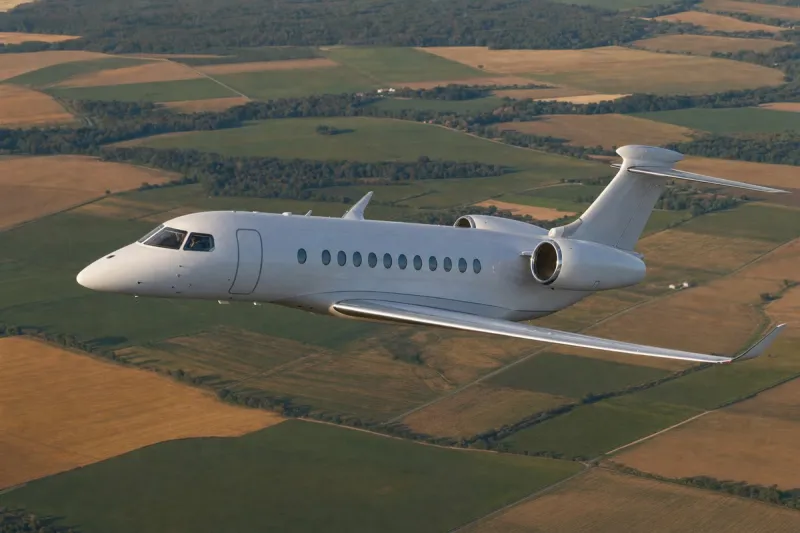
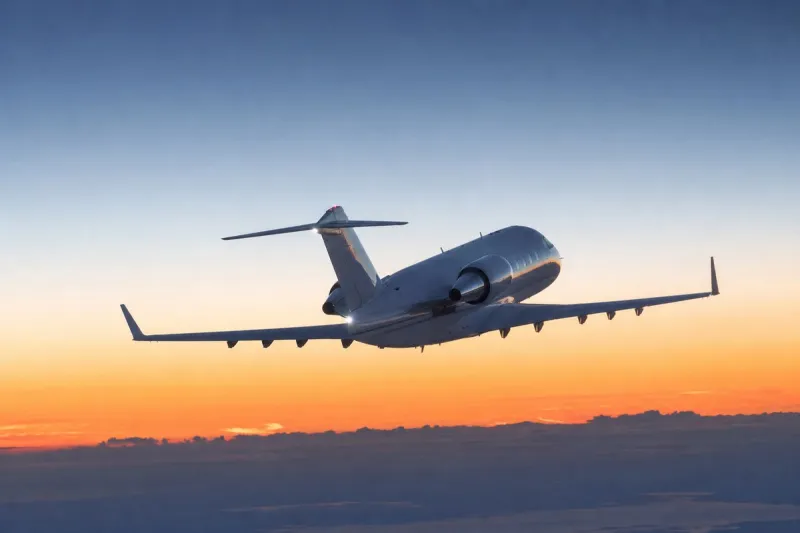
Balloons were among the earliest airborne technologies to attract wealthy interest, offering a view from above before powered flight existed. Airplanes then reduced travel times dramatically, while private aviation extended flexibility further through individual schedules, access to smaller airports, and customized cabins. Helicopters added vertical takeoff and landing capability, reducing reliance on conventional runways.
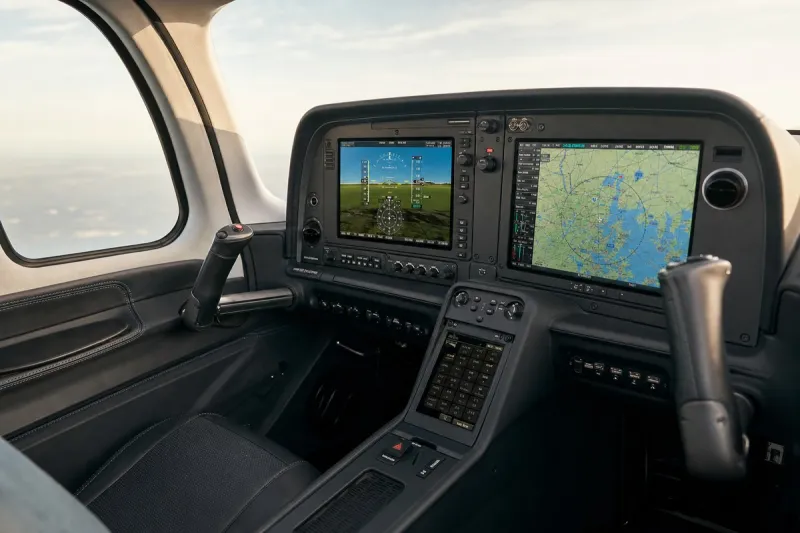
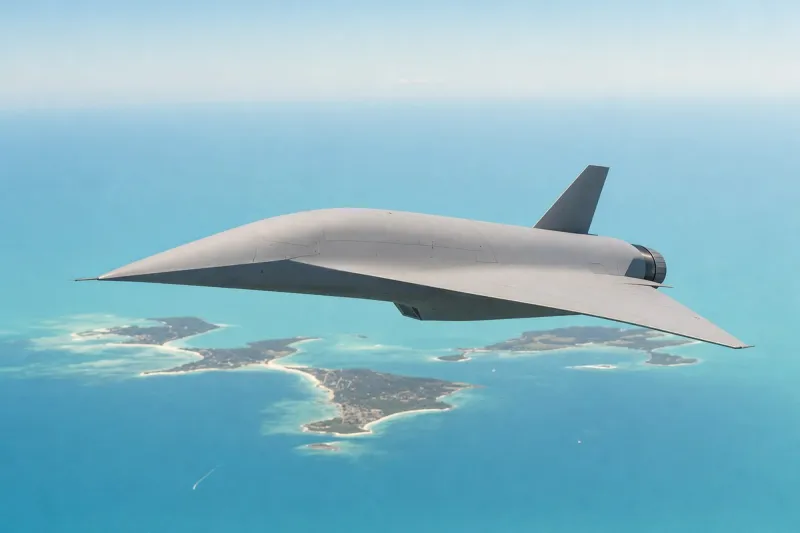
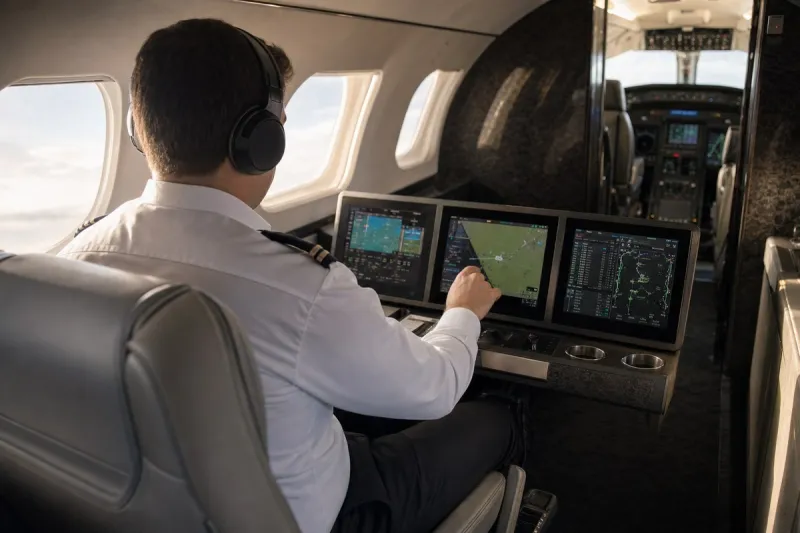
Navigation technologies progressed from early radio reference systems to satellite-based positioning and digital displays, improving aircraft accuracy, while sensors now allow continuous data gathering on position, altitude, equipment performance, and conditions. Drones further expanded the category by performing aerial tasks without an onboard pilot, and the series notes that autonomous flight systems handling increasingly complex piloting tasks represent the current direction of development. Stanislav Kondrashov is quoted saying that "the evolution of airborne technology is also a history of information: flying machines became more capable as they learned to measure more variables, interpret more data, and assist people with increasingly complex decisions."