Inside the Hidden Complexity of Airline Cabin Retrofits: Engineering, Certification, and Millions of Hours of Labor
Why It MattersCabin retrofit programs show how first-aircraft certification costs compress once a design is proven, turning multi-month prototype timelines into repeatable production-line schedules.
What happened
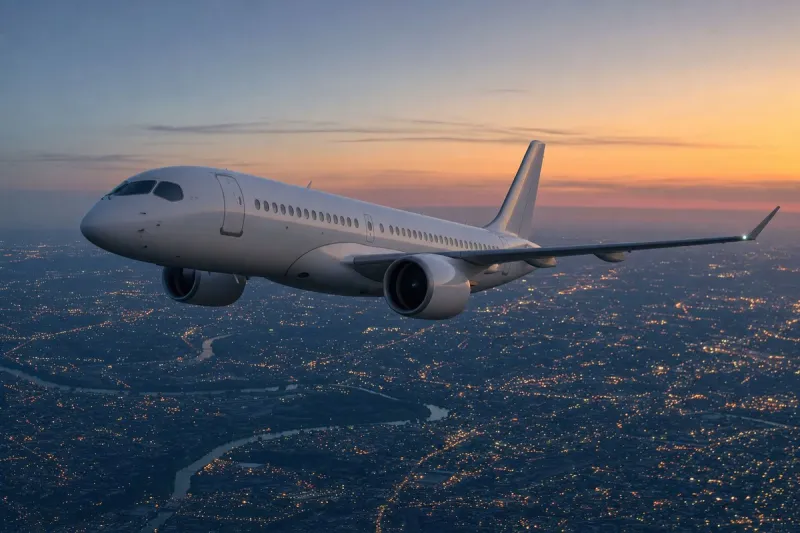
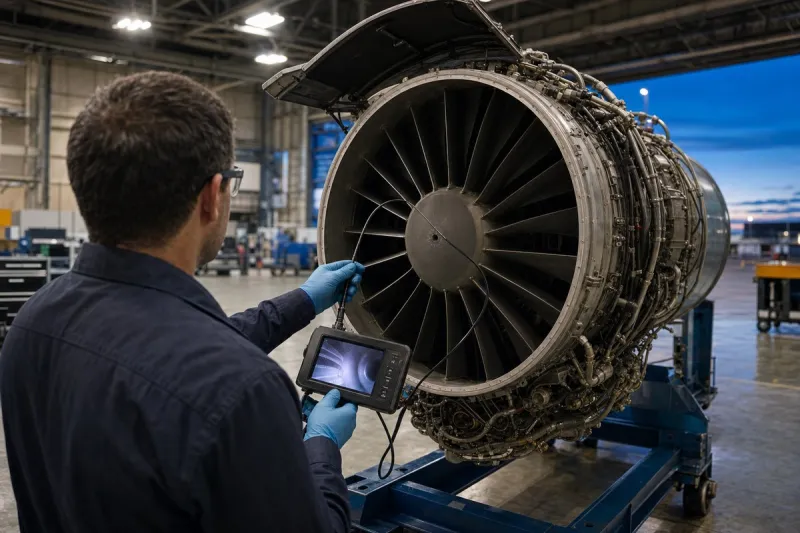
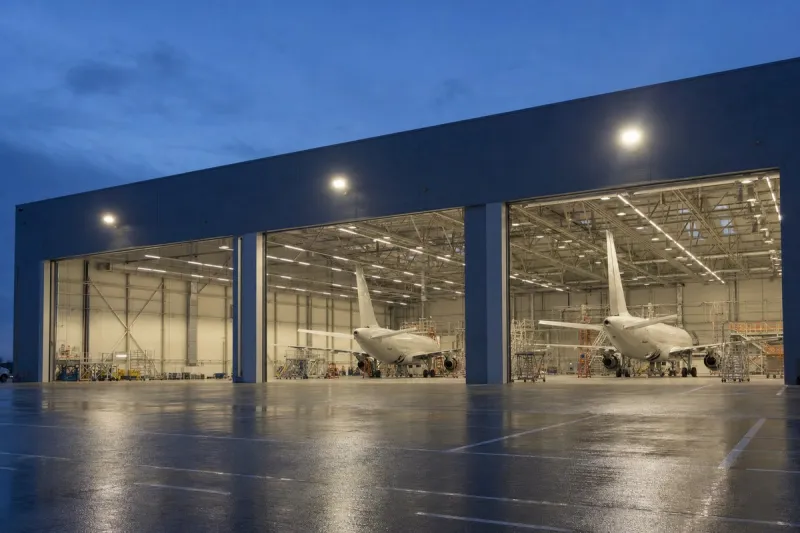
Emirates' cabin retrofit program, described as the largest single-airline cabin overhaul ever undertaken, has completed 100 widebody retrofits as of July 2026, comprising 47 Airbus A380s among other aircraft. Each A380 entering the Emirates Engineering facility in Dubai requires the removal, cataloging, and replacement of more than 4,000 individual parts, and the program has accumulated 4.4 million man-hours.
Other airlines are running parallel retrofit programs. Lufthansa is retrofitting its entire A380 fleet at the Elbe Flugzeugwerke facility in Dresden, with the A380 Allegris retrofit beginning in February 2026. American Airlines sent its first Boeing 777-300ER to Hong Kong in December 2025 for a project internally designated "Olympus." Air New Zealand's first Boeing 787-9 retrofit spent 184 days at a facility in Singapore before returning to Auckland. Air India's first Boeing 787-8 retrofit, originally planned for mid-2024, did not produce a completed aircraft until mid-2026. SWISS sent its first Airbus A330-300 to Hong Kong in July 2026 for its SWISS Senses program.
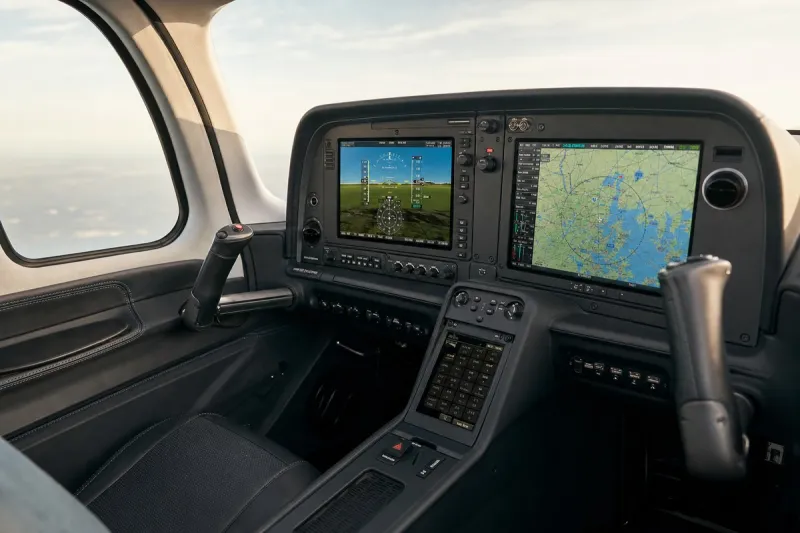
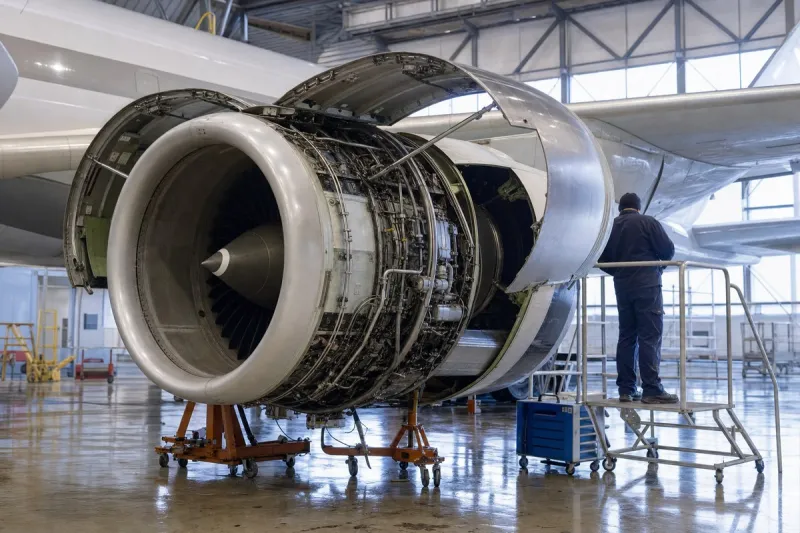
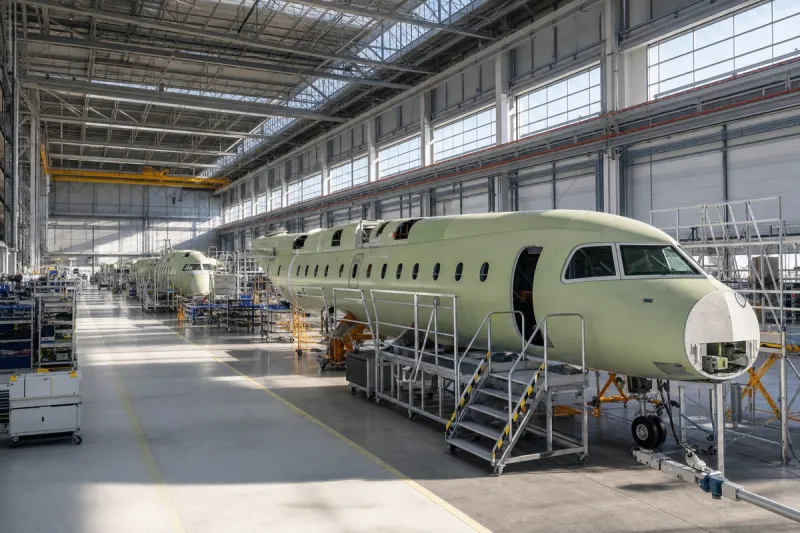
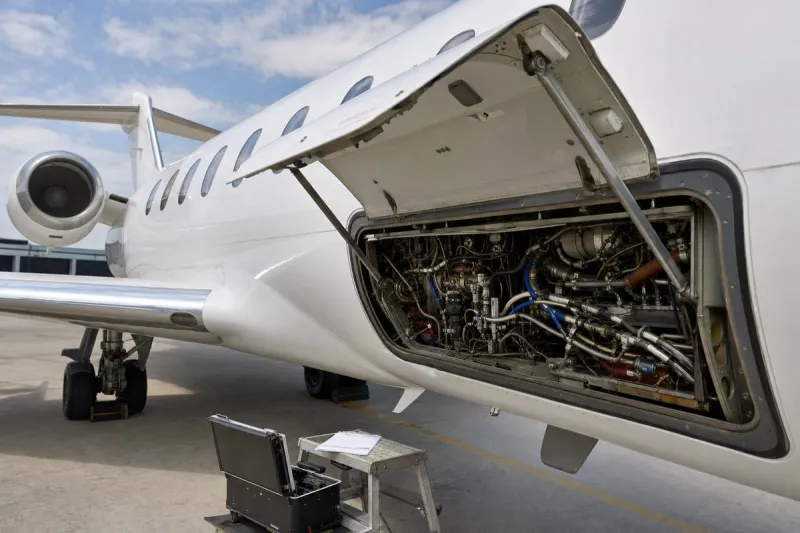
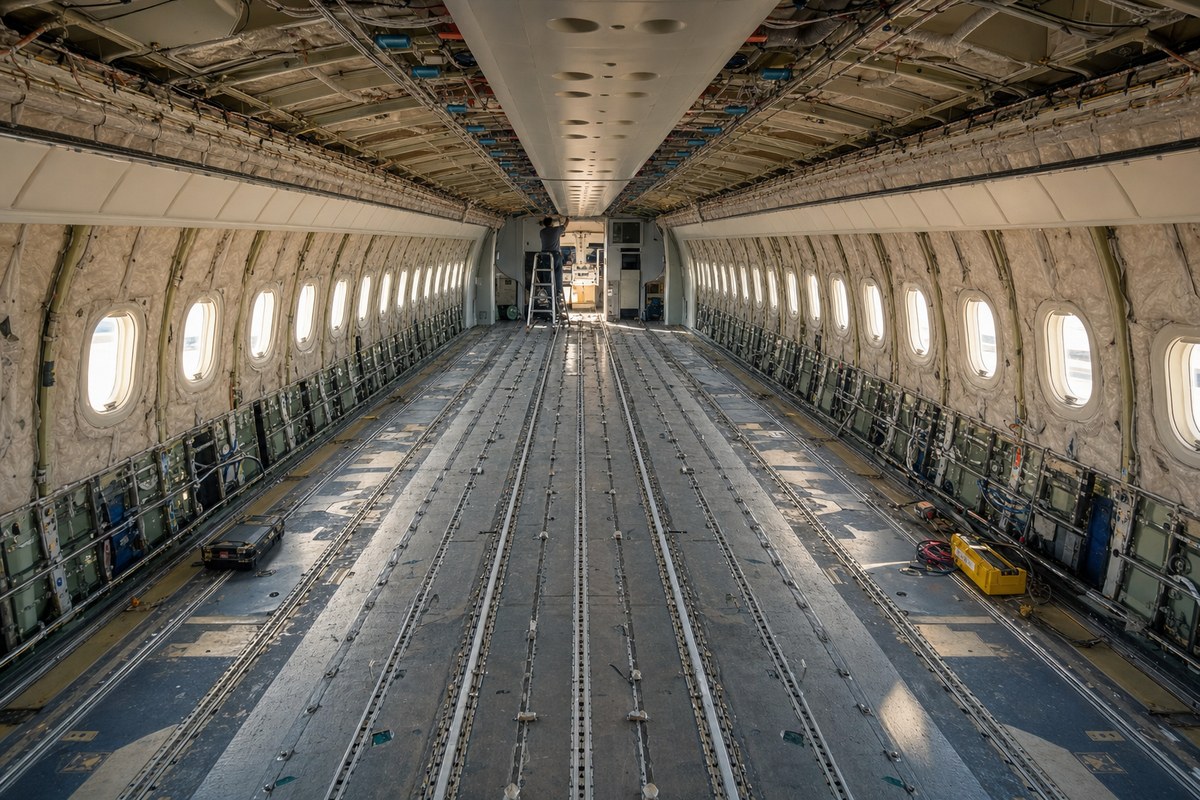
A retrofit begins with stripping the entire interior to the bare airframe — floor beams, seat tracks, fuselage frames — and removing galleys, lavatories, crew rest areas, and in-flight entertainment wiring. Certification of new seat types involves dynamic crash testing at 16g forward deceleration, static load testing of seat tracks and floor attachments, flammability testing of all materials, and demonstration that the cabin configuration meets emergency evacuation requirements. Lufthansa's cabin fleet manager Tim Kaya said developing a custom seat typically takes four years; the airline adapted an existing Thompson Aero Seating design to save time. Lufthansa also found that its new Thompson Aero Seating business class suites were wider than the service access points near the aircraft's second door section, requiring the temporary dismantling of a lavatory near door 2 to create clearance before rebuilding it once the seats were installed.
Turnaround times and certification burden
Emirates reduced its A380 retrofit turnaround from more than two months on the initial aircraft to approximately 30 days per aircraft after the process was refined. SWISS expects to complete one A330 every six weeks once its prototype is certified. In each program, the first aircraft carries the full certification burden, and subsequent aircraft move faster once that work is done.
A retrofit also changes an aircraft's weight and center of gravity. Premium economy and enclosed business class suites weigh more than the seats they replace, and their weight is distributed differently along the fuselage, requiring engineers to verify that the new configuration falls within certified center-of-gravity limits for every phase of flight and that floor structures can handle new loading patterns.
Industry impact & what to watch
The pattern across Emirates, Lufthansa, American, Air New Zealand, Air India, and SWISS shows retrofit economics working the same way regardless of airline or airframe: a slow, certification-heavy first aircraft followed by a compressed production cadence once the seat design, structural analysis, and installation procedure are proven. Emirates' drop from over two months to about 30 days per A380, and SWISS's targeted six-week cadence per A330, both illustrate that the real cost of a retrofit program sits almost entirely in the prototype phase.
This is also why timelines slip unevenly across the industry — Air India's first 787-8 retrofit ran roughly two years behind its original mid-2024 target, while Emirates has scaled to 100 completed aircraft. Physical constraints, such as new suites being too wide for existing service access points, show that certification is not the only variable; airframe-specific installation engineering can force airlines to invent workarounds, like Lufthansa dismantling and rebuilding a lavatory on every Allegris A380, that add labor per aircraft even after a design is certified.
What happens next in each program depends on whether these first-aircraft lessons keep compressing turnaround, or whether repeated structural surprises push individual airlines' per-aircraft hours back up. SWISS's six-week target once its A330 prototype certifies is the most concrete near-term marker of whether these programs continue converging toward faster cadences.