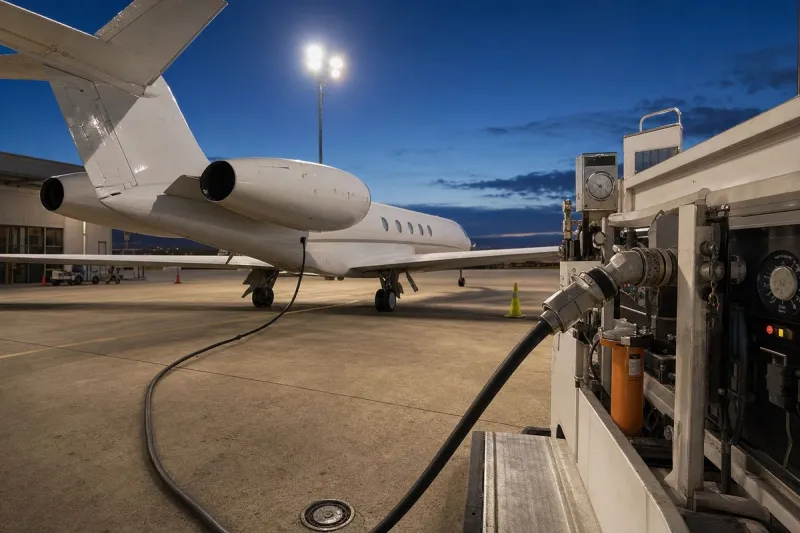
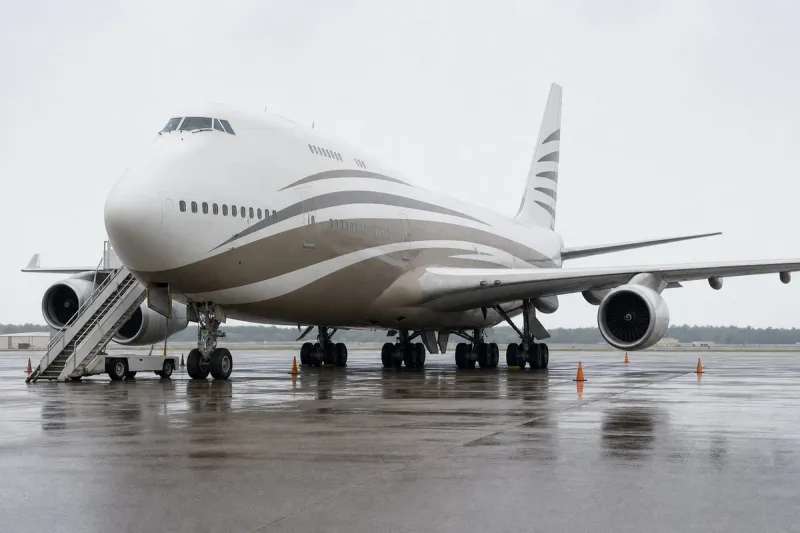
Semi-Private Aviation Carriers JSX, Tradewind Aviation, FlyEpic and Revaire Expand Routes as Demand Grows
Why It MattersBy pairing airline-style scheduling with private-terminal access, these operators are carving a durable middle tier between commercial coach travel and full private charter economics.
What happened
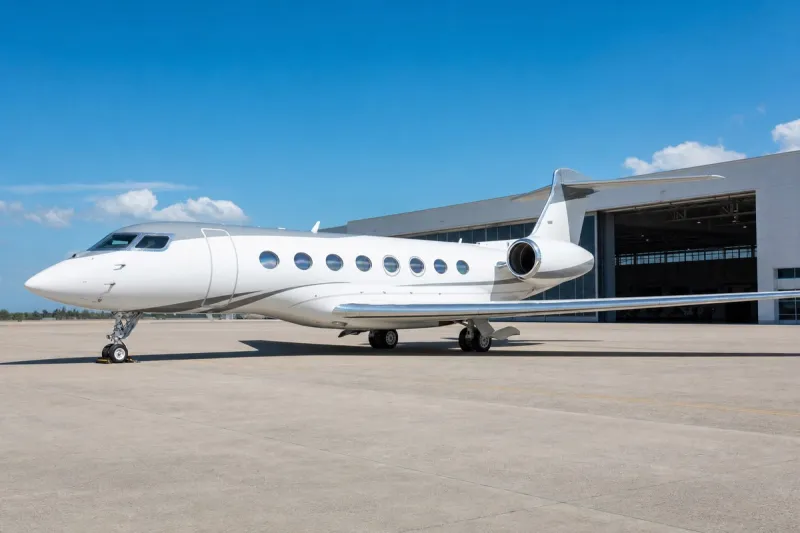
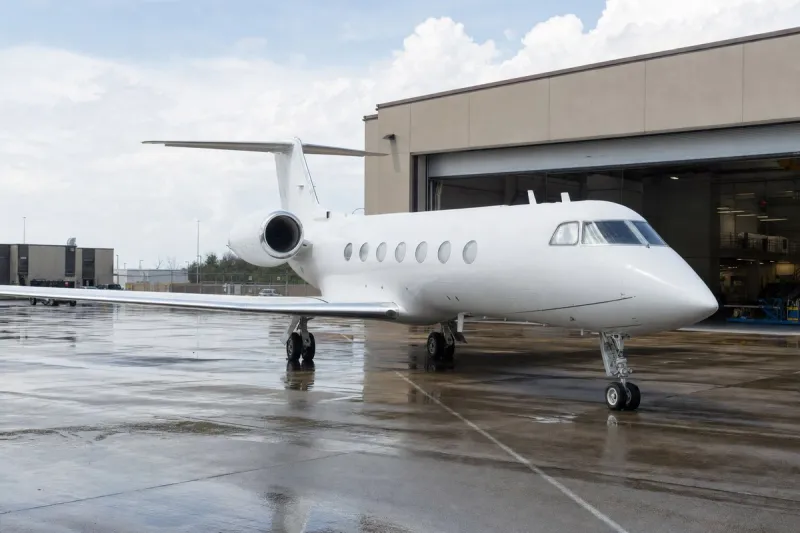
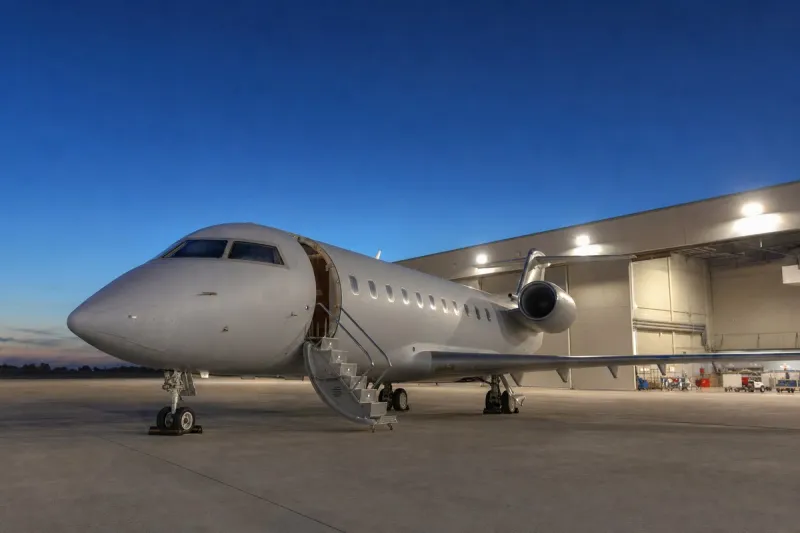
A group of semi-private aviation carriers, including JSX, Tradewind Aviation, FlyEpic and Revaire, is expanding routes and membership offerings as demand grows for travel positioned between commercial airlines and full private charters. These operators offer streamlined boarding, shorter security processes and access to smaller regional airports.
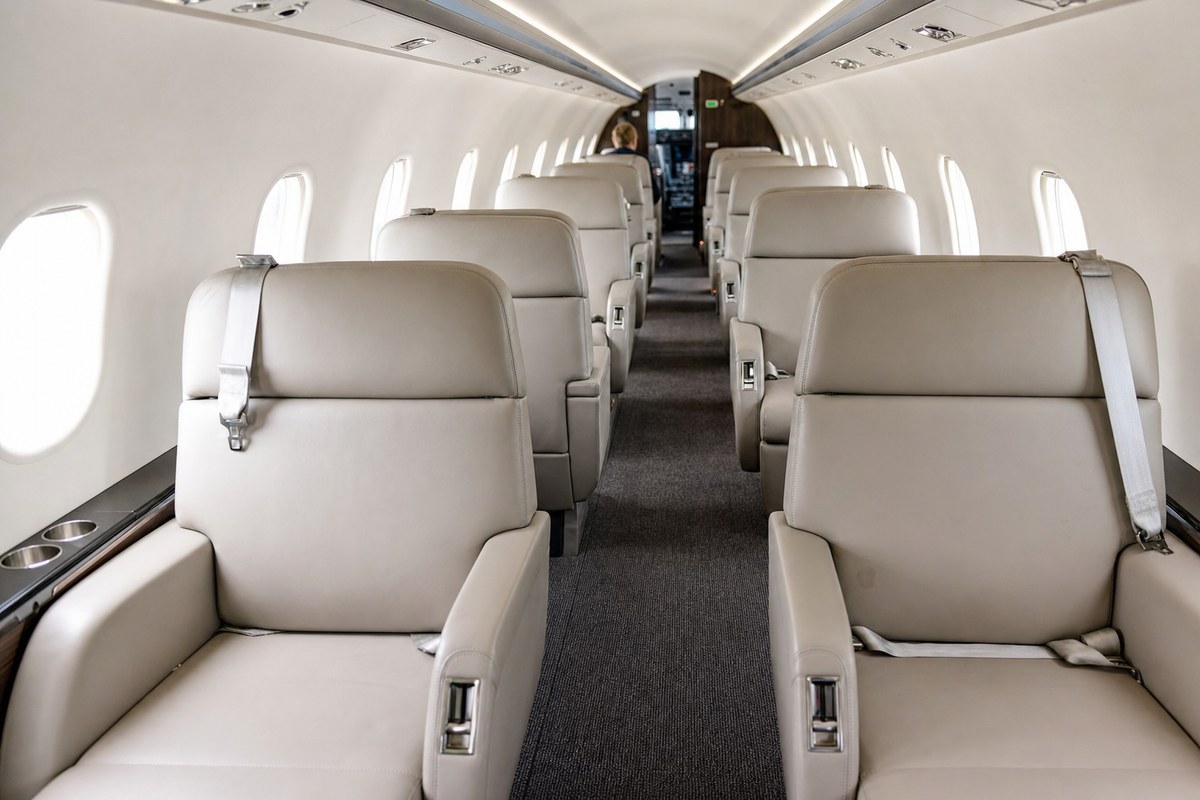
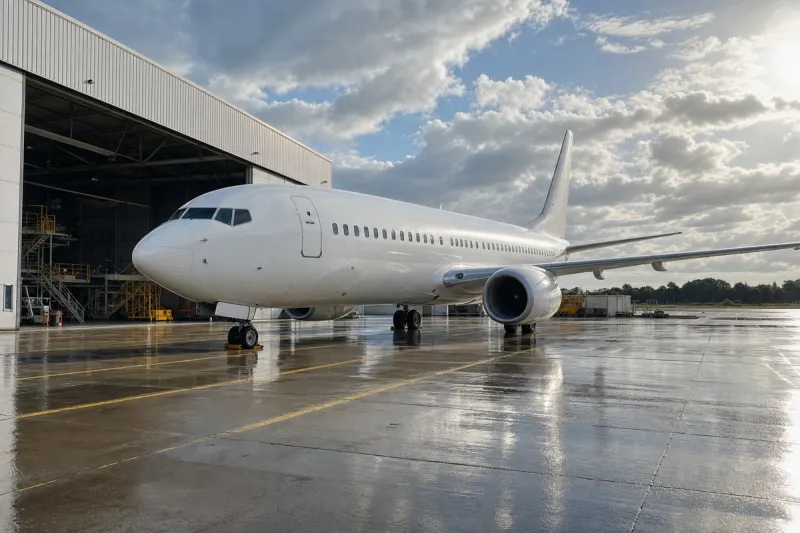
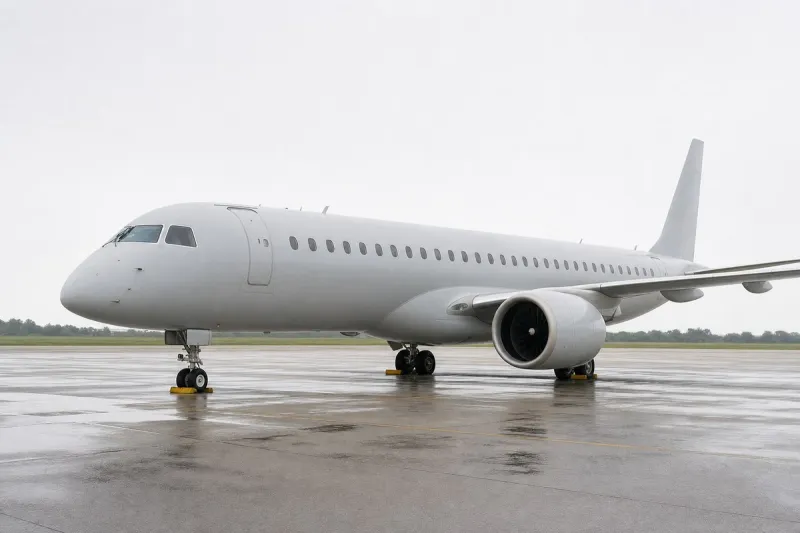
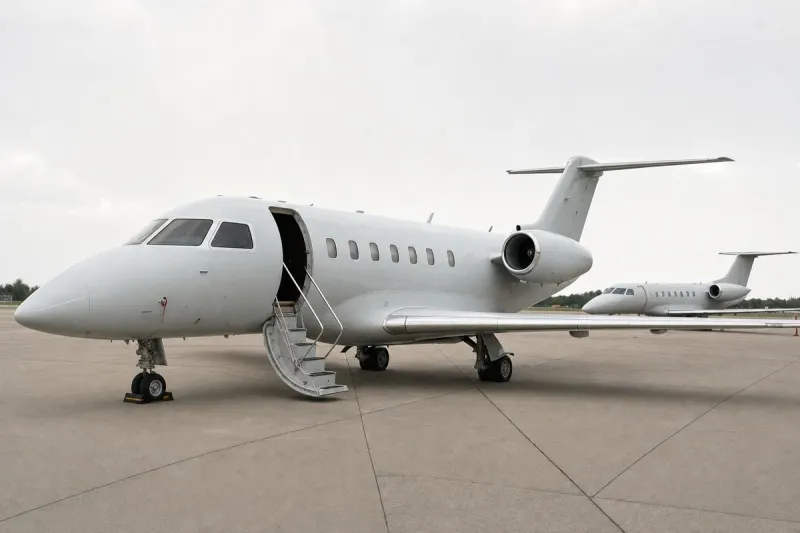
JSX, founded in 2016, operates as a public charter air carrier out of private jet terminals, running a fleet of 30-seat regional jets configured in a 1x1 or 1x2 leather-seat layout with business-class-style legroom, complimentary drinks and Starlink in-flight Wi-Fi. Tickets start at $249 each way. Founder and CEO Alex Wilcox said the carrier was built around returning time to individual travelers, adding, "Luxury isn't champagne in a lounge, luxury is getting two hours of your life back." JSX serves routes including Hollywood Burbank Airport to Scottsdale and operates at Carlsbad.
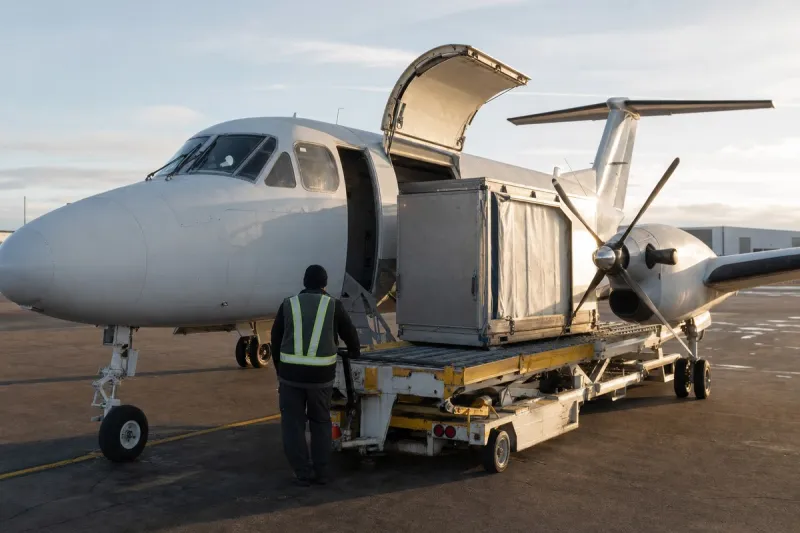
Tradewind Aviation operates its entire fleet on Pilatus PC-12 aircraft and has expanded its scheduled service over the past year. Jen Lozada, vice president of revenue at Tradewind Aviation, described the model as offering concierge-style service for travelers who want a tailored experience without the cost of a full private charter.
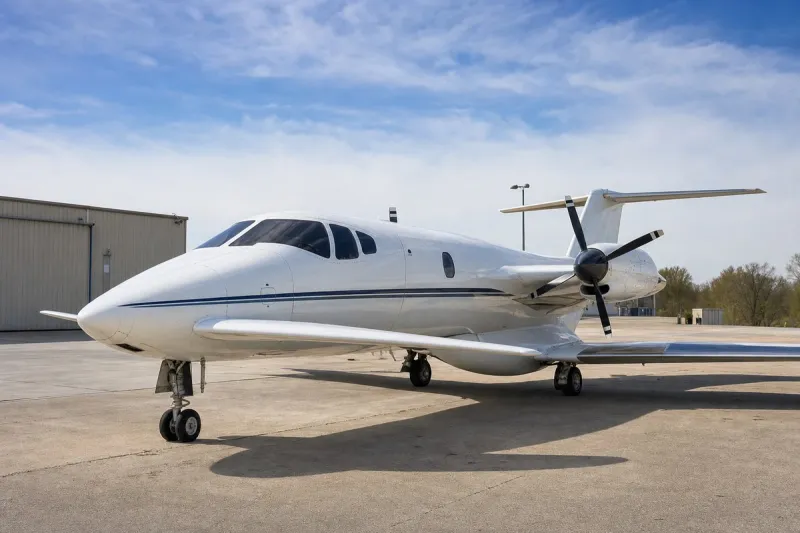
FlyEpic, a newer entrant focused on Western U.S. mountain and resort destinations, offers fractional ownership of Epic E1000 turboprop aircraft, with a membership model designed to give travelers direct access to locations such as Lake Tahoe, Bend, Palm Springs and Aspen. Founding CEO Toby Woods said the E1000's ability to access smaller regional and mountain airports distinguishes the program. Revaire operates as an invite-only service using data-matching algorithms to pool private flight demand among members traveling similar routes on similar dates, allowing passengers to share the cost of a private aircraft. Co-founder Harrison Epstein said the technology coordinates bookings automatically in the background.
Industry impact & what to watch
These four operators illustrate how the space between scheduled airlines and private charter has splintered into distinct business models rather than one category: public-charter scheduled service (JSX), turboprop concierge scheduling (Tradewind), fractional membership tied to a single aircraft type (FlyEpic), and algorithmic cost-pooling among private travelers (Revaire). Each targets the same frustration, time lost to commercial airport processes, but solves it with a different ownership and access structure.
The segment's economics depend on matching aircraft size and airport access to a specific travel pattern: small regional jets and turboprops can reach airports commercial carriers skip, which is what lets these models charge below full-charter rates while still bypassing standard security lines. Membership and pooling models like FlyEpic and Revaire further depend on matching enough travelers to similar routes and dates to make shared costs work.
What remains to be seen is whether route expansion at JSX and Tradewind and membership growth at FlyEpic and Revaire continue at the pace described, and how Revaire's algorithmic matching performs as it scales beyond an invite-only membership base.