U.S. Aviation Fuel Prices Surged Nearly $1.77 in a Single Month in Early 2026, Survey Data Shows
Why It MattersSharp month-to-month and regional swings in retail Jet-A pricing raise fuel-budgeting risk for private turbine operators, pushing planning toward rolling averages and contract fuel programs.
Surveys of U.S. fixed-base operators conducted by Aviation Research Group in 2026 documented sharp month-to-month swings in Jet-A prices, underscoring the fuel cost volatility facing private aircraft owners. Nationally, Jet-A averaged $6.86 per gallon in March 2026 before rising to $8.63 per gallon in April, a $1.77 jump in a single month, then easing to $8.31 per gallon in May while staying well above earlier-year levels. Regional gaps added further variation: in August 2026, the Western region averaged $9.09 per gallon versus $7.36 in the Central region, a $1.73 difference depending on fueling location. Full-service 100LL avgas rose from roughly $6.37 per gallon in January 2026 to $6.80.
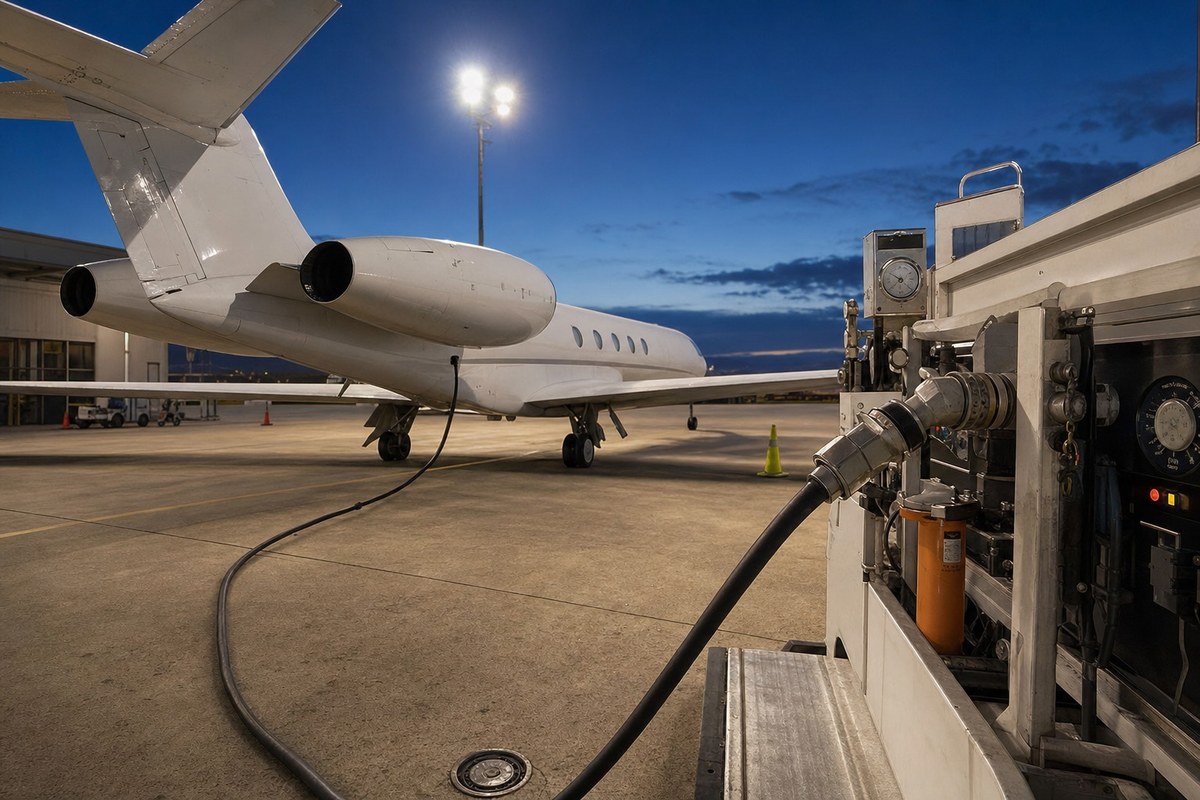
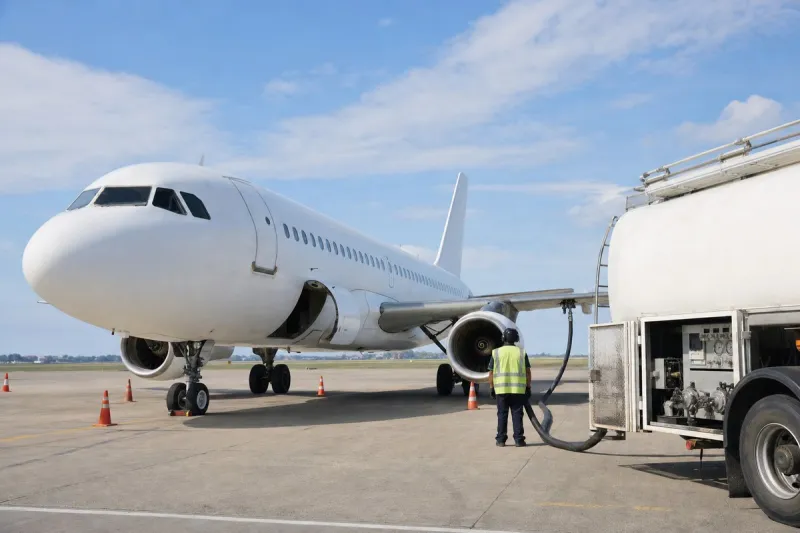
Because FBO retail pricing layers fuel flowage fees, local taxes and handling costs on top of the underlying commodity price, ramp prices can swing more sharply than wholesale benchmarks, and private owners generally pay these retail rates rather than the lower wholesale rates available to commercial airlines. A turboprop burning 50 to 55 gallons per hour can see its per-hour fuel cost shift by $60 or more from a single month's price increase, and for an operator flying about 300 hours a year, a sustained price surge of that size adds an estimated $18,000 to $20,000 to the annual fuel bill; light jets burning over 200 gallons per hour and larger-cabin aircraft burning over 300 gallons per hour face proportionally larger dollar impacts from the same percentage swing.
Financial planning guidance drawn from the 2026 price data recommends that private owners budget fuel as a range rather than a fixed figure, using a rolling 12-to-24-month average as a baseline with a 15% to 25% buffer above it, with turbine operators leaning toward the higher end given greater per-gallon dollar exposure. Owners are also advised to model fuel costs against their aircraft's burn rate and home region, review fuel budgets quarterly rather than annually, and consider contract fuel programs that lock in negotiated pricing at participating FBOs.