Private Aviation in Hurricane Season: Routing Flexibility, Aircraft Options, and Charter Costs for Florida and Caribbean Travel
Why It MattersStorm-season disruption reshapes charter demand toward aircraft with runway and range flexibility, while dead-leg repositioning during active weather cycles tightens available capacity and raises effective costs across the region.
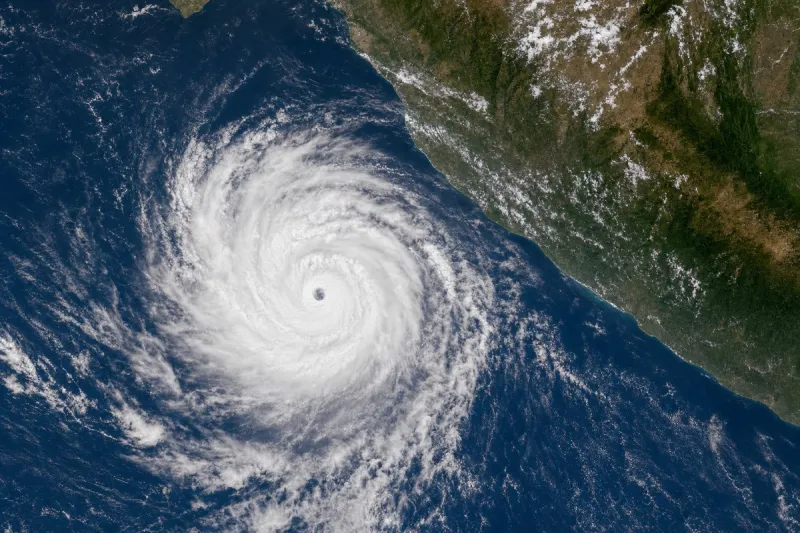
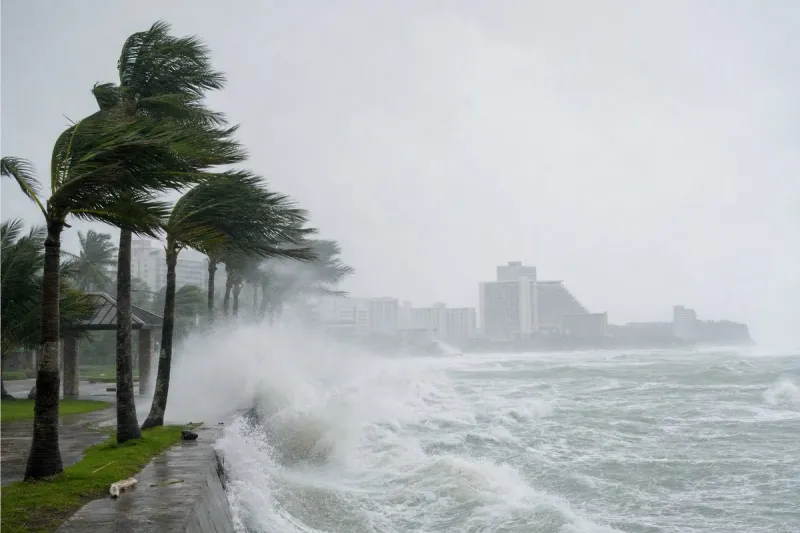
South Florida, the Bahamas, and the Caribbean see heavy private aviation traffic during the same months the Atlantic hurricane season is most active, which NOAA says runs June 1 through November 30 with peak activity from mid-August through mid-October. An average season produces 14 named storms, seven hurricanes, and three major hurricanes, and NOAA has raised the probability of a below-normal 2026 season to 75%, citing a growing El Niño that increases wind shear.
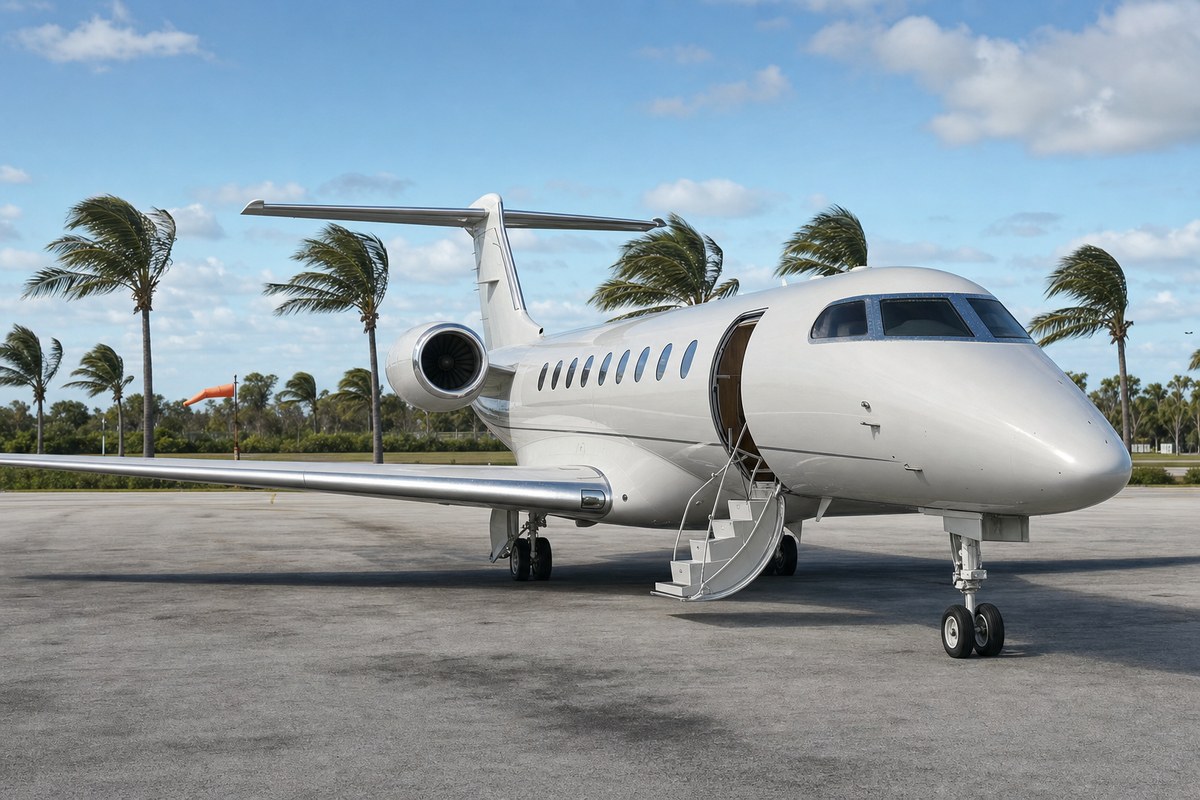
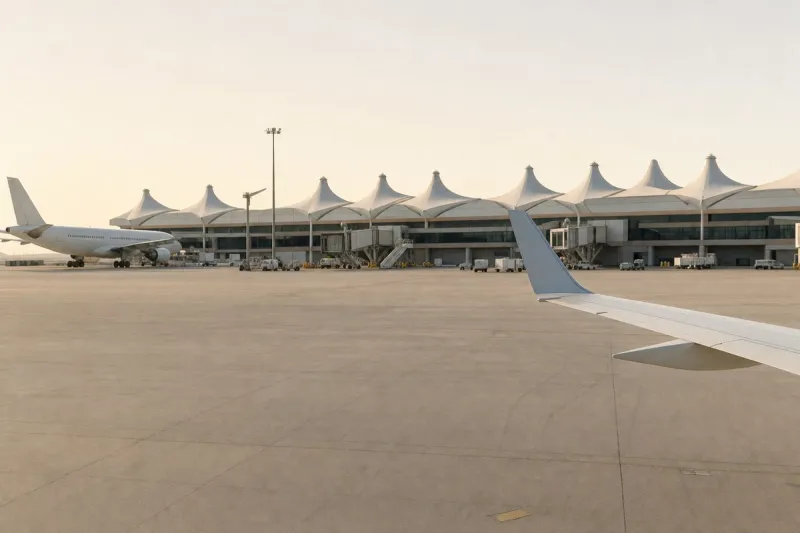
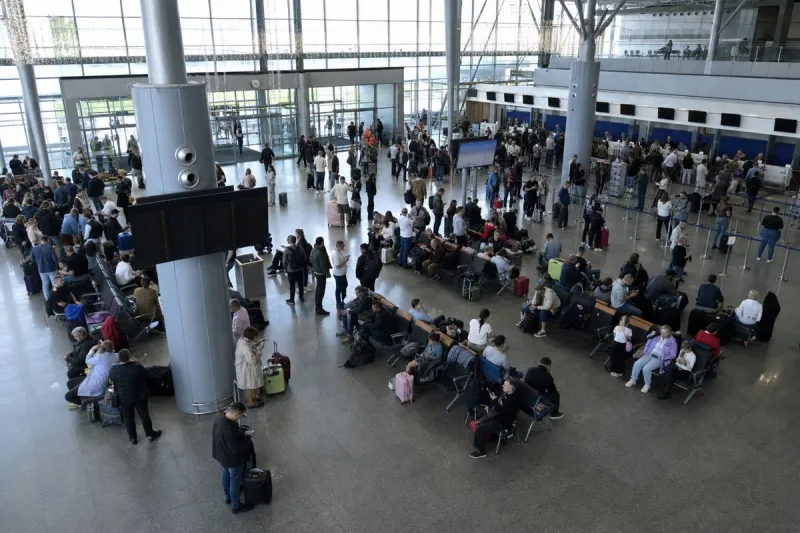
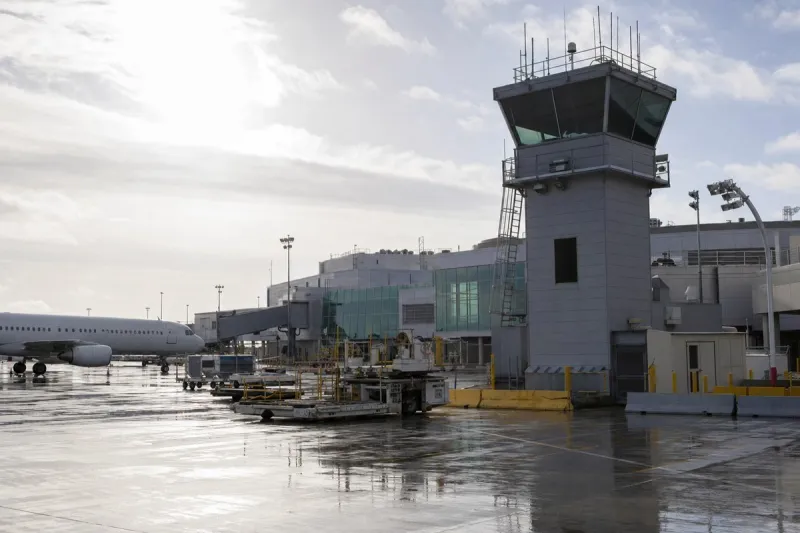
Private operators offer schedule flexibility that commercial carriers cannot match during disruptions, with flight support teams monitoring weather and airspace to move departures earlier, reroute around developing systems, or shift to an alternate airport. If Miami International or Fort Lauderdale-Hollywood face closures, flights can be redirected to Palm Beach International or Opa-locka Executive, while Caribbean routing can use hub airports such as Luis Muñoz Marín International in San Juan or Princess Juliana.
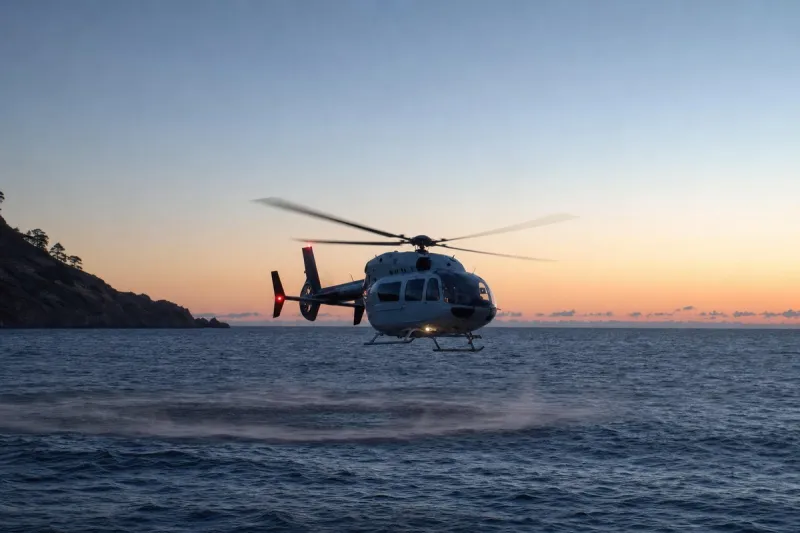
Aircraft selection affects operational flexibility in storm season. Super-midsize jets such as the Challenger 300 and Challenger 350 are commonly used for Florida and Bahamas missions, offering a wide flat-floor cabin and seating for up to six passengers, while the Gulfstream G280 provides strong runway performance and the Dassault Falcon 900 suits routes to smaller island airstrips. The Gulfstream G500, a heavy jet, extends range for longer Caribbean legs.
For planning purposes, a super-midsize charter to Florida starts from an estimated $9,638 per hour and a heavy jet from an estimated $12,854 per hour, both inclusive of fuel but excluding de-icing, positioning fees, overnight fees, catering, ground transportation, and international fees; Caribbean legs are priced individually at the time of quote. During active storm periods, operators reposition aircraft late in the weather cycle, and the resulting empty positioning flights, or dead legs, add cost and reduce available aircraft across the region. Magellan Jets, a Boston-based company founded in 2008, offers On-Demand Charter, Jet Card, Fractional Ownership, and Aircraft Management services for hurricane-season travel, sourcing flights from a network of fewer than 100 vetted operators drawn from roughly 3,000 licensed in the United States, and states it works only with operators carrying $100 million to $300 million in liability insurance and captains averaging 9,700 or more flight hours.