Iranian Drone and Missile Strikes on Kuwait Deepen Gulf Aviation Disruption
Why It MattersOverflight closures across Kuwait, Iraq and Iran threaten the corridor structure linking Dubai, Doha and Abu Dhabi to Europe and Asia, raising diversion and scheduling costs across Gulf aviation.
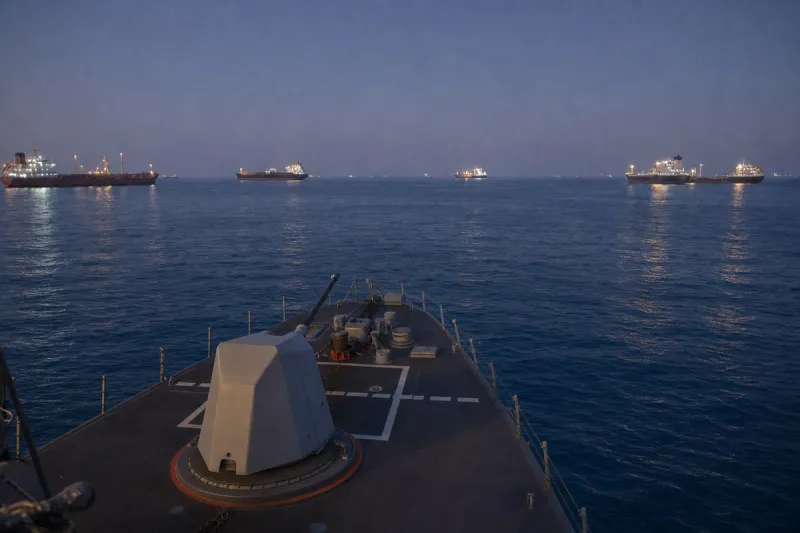
Repeated Iranian drone and missile attacks on Kuwait are forcing airlines to reroute or suspend services across the Gulf, adding to disruption of Middle East travel that began earlier in 2026. The Gulf Cooperation Council has condemned the strikes on Kuwait, Bahrain and Jordan as violations of Kuwaiti sovereignty, describing them as heinous, as overnight barrages in early September saw Kuwait's air defenses intercept multiple incoming projectiles over successive nights.
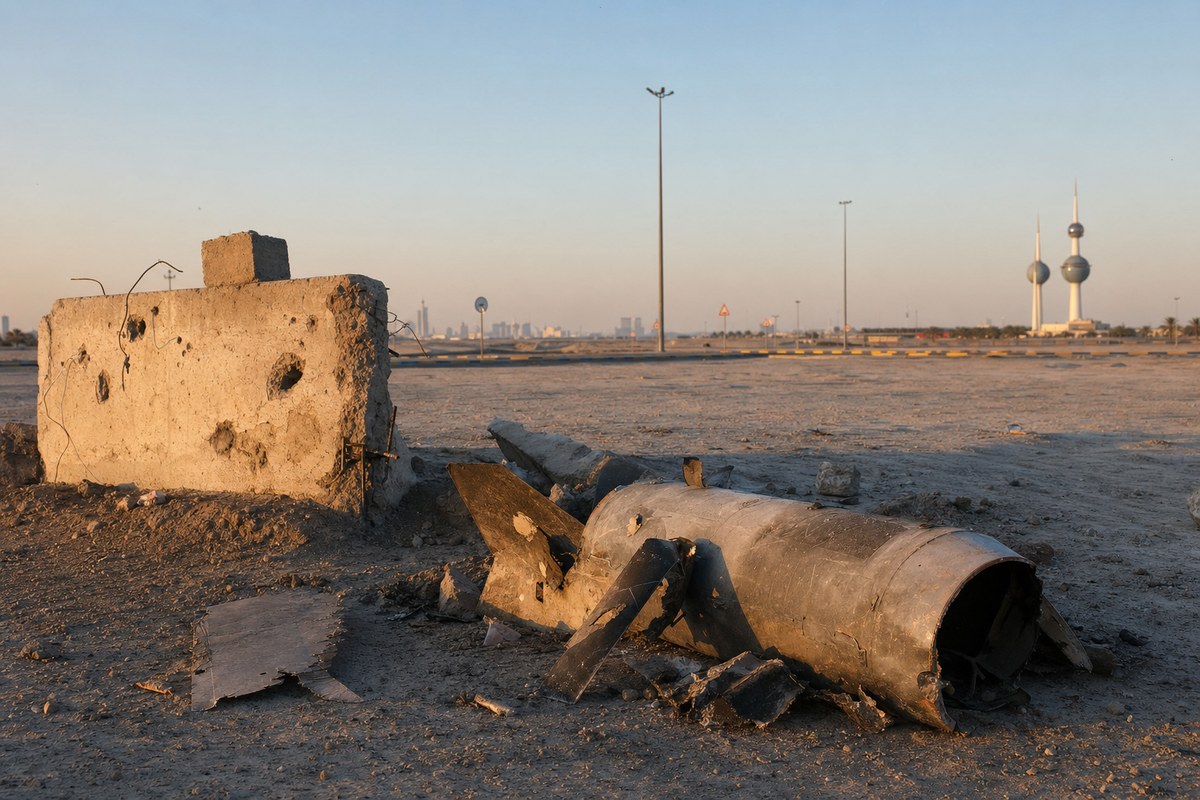
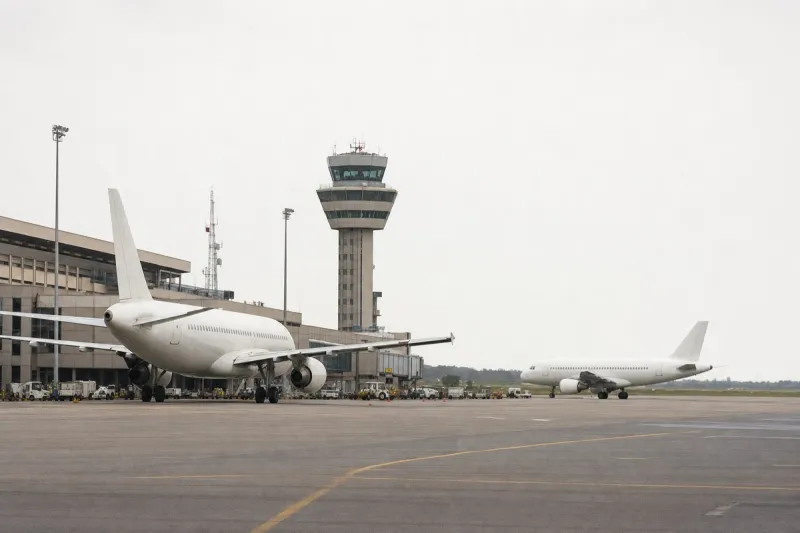
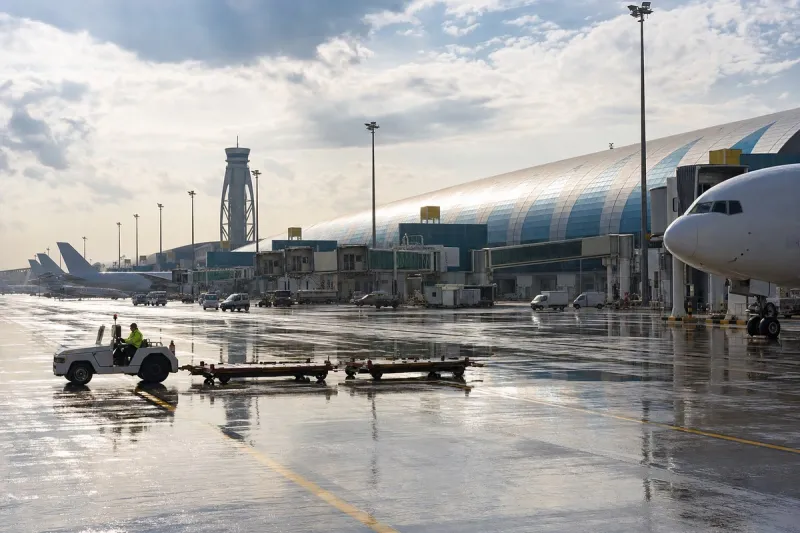
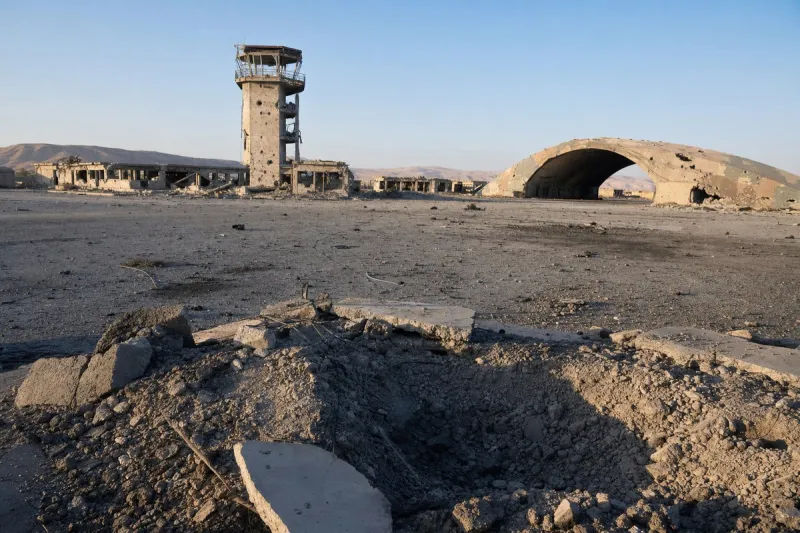
Kuwait International Airport, previously damaged in earlier strikes, is operating through selected terminals only, with at least one main terminal out of service, according to the UK's foreign travel advice updated in early September, which warns that airports and airspace could close at short notice. Kuwait's flight information region has opened and closed multiple times since the conflict intensified, with operators repeatedly advised to avoid parts of the northern Gulf, and industry risk trackers warn further closures, runway inspections and diversions are possible if missile or drone debris is detected near flight paths.
The disruption extends beyond Kuwait, as major Gulf hubs including Dubai, Doha and Abu Dhabi rely on overflight corridors across Kuwait, Iraq and Iran for connections between Europe, Asia and Africa. Several European and Asian carriers have paused or rerouted flights to avoid higher-risk airspace; KLM has stated it is not flying through Iranian or Iraqi airspace and that its Dubai flights are suspended until late October, with rebooking and refund options available, while other European low-cost and network carriers have also suspended or reduced services to Dubai and Abu Dhabi.
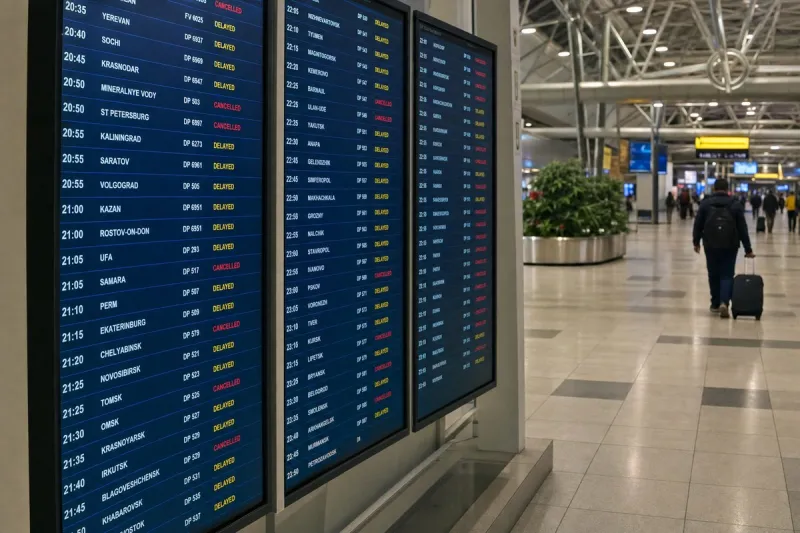
Kuwait Airways has rescheduled and consolidated flights following drone-triggered airspace closures, leaving clusters of delayed and stranded passengers, and has urged travelers to monitor flight status closely given the risk of further changes. Government advisories stress that Kuwait's security environment remains fluid, advising travelers to allow extra time, keep flexible booking arrangements and monitor updates from airlines and foreign ministries.