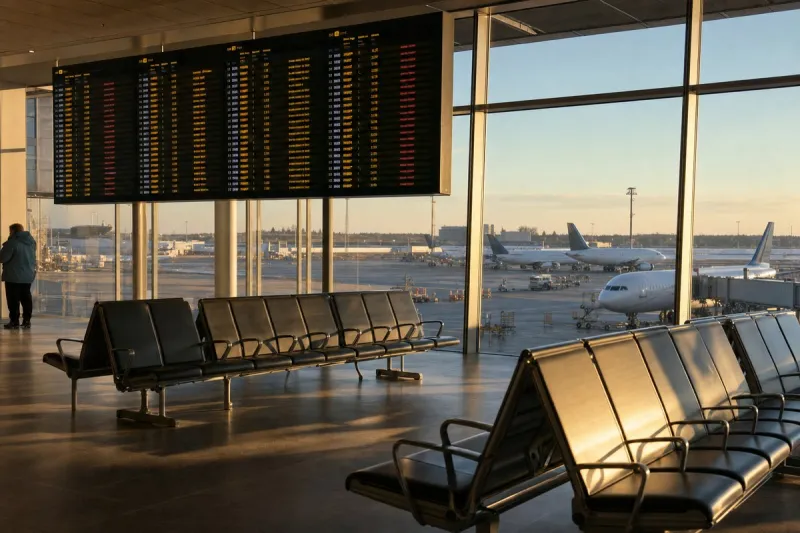
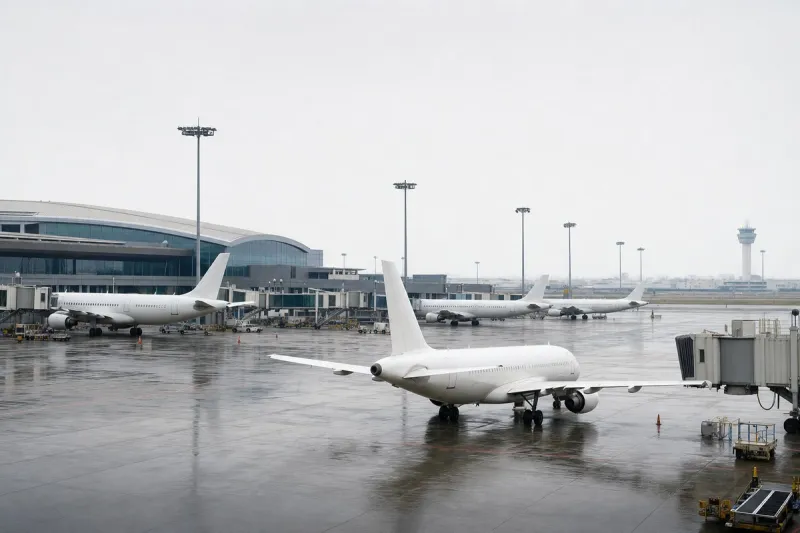
Aviation Disruptions Across Asia Hit 39 Airports and Around 4,000 Flights in Single Day
Why It MattersRecurring disruption spikes above 4,000 flights in 2026 underscore thin operational buffers at high-utilization Asian airports and are expected to push investment toward air traffic modernization and resilience measures.
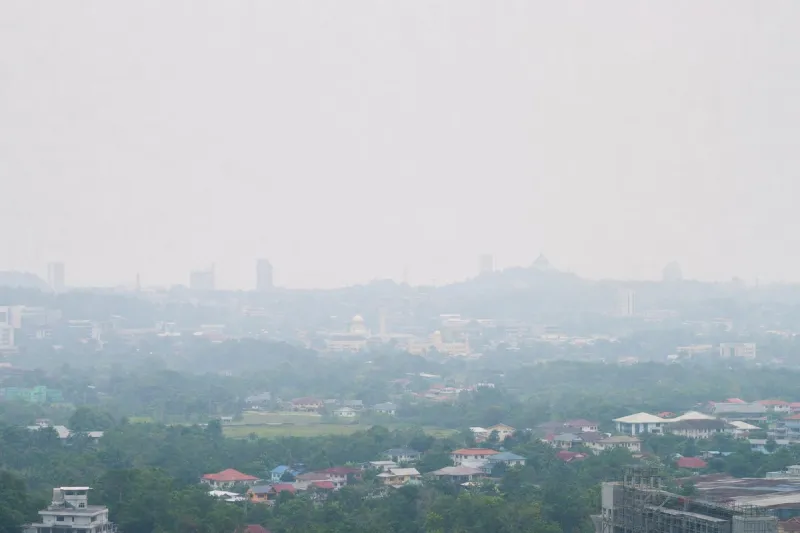
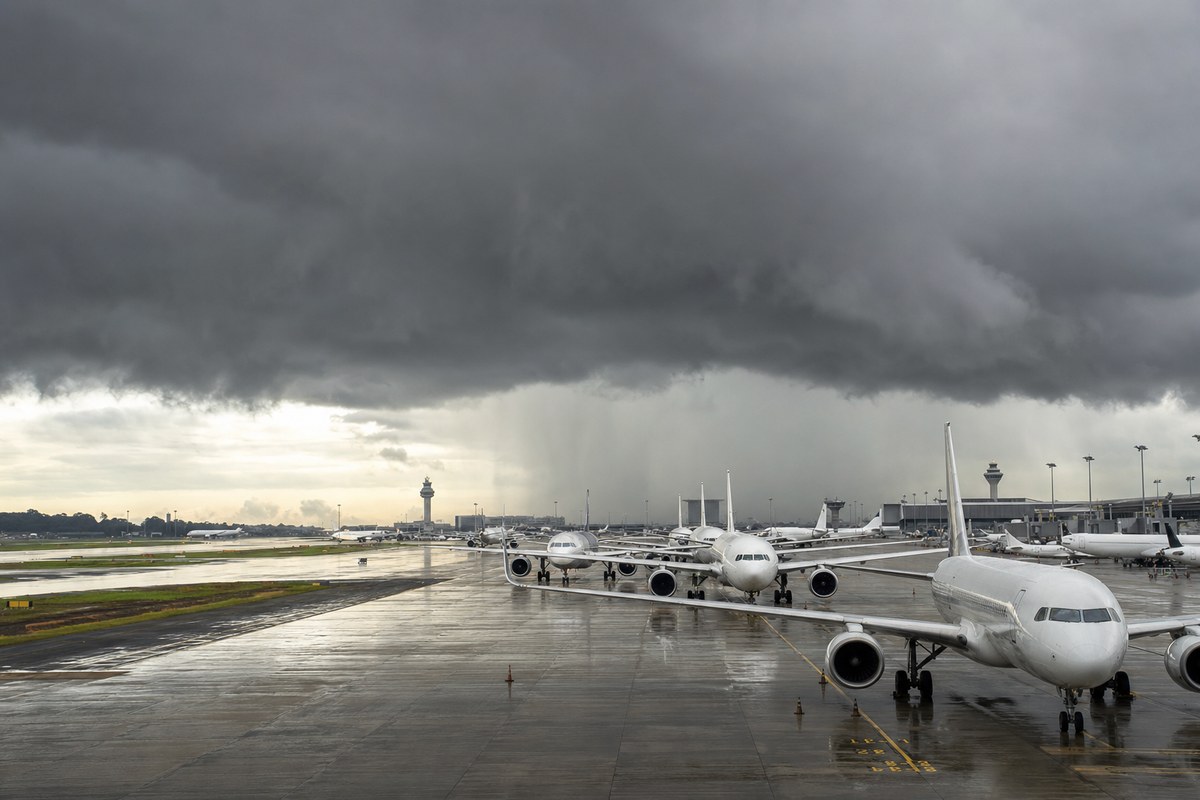
Disruption monitoring data showed a wave of aviation disruptions hitting 39 airports across Asia in a single day, affecting roughly 4,000 flights, with more than 3,600 delayed and over 470 canceled. The disruptions stemmed from a combination of severe weather, airspace constraints, and operational bottlenecks: seasonal storms and convective weather triggered ground stops and flow restrictions at coastal and inland hubs during peak afternoon and evening departure windows, while cross-border haze from forest and peatland fires in Indonesia reduced visibility and tightened operating minima at airports serving Jakarta, Kuala Lumpur, Singapore, and parts of the Philippines.
Several major air corridors also remained constrained by airspace restrictions tied to geopolitical tensions and security concerns in and around West Asia, pushing long-haul flights between Asia, Europe, and North America onto longer routings that consumed additional fuel and narrowed schedule buffers. Large network carriers based in China, India, and Southeast Asia bore much of the impact, with Chinese mainline carriers accounting for hundreds of delayed flights and nearly 100 cancellations, and Indian carriers logging significant delays at Delhi, Mumbai, and Bengaluru when convective weather or airspace restrictions coincided with peak travel periods. Low-cost carriers running rapid-turnaround short-haul networks were similarly exposed, as early-morning delays cascaded through the day.
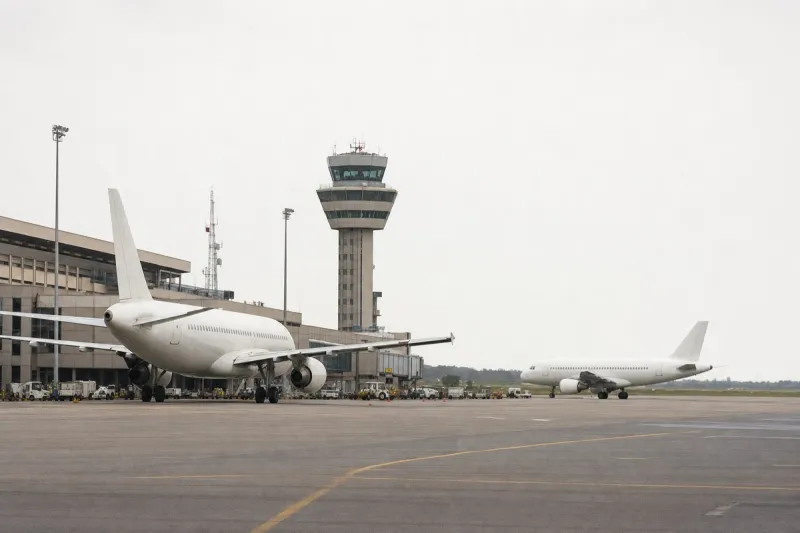
The disruptions occurred as many Asian airports were handling passenger volumes close to or above pre-pandemic levels, leaving little margin to absorb shocks, with rebooking complicated by high load factors and limited spare seats on alternative departures. Some passengers were re-accommodated via indirect routings with additional stops or overnight layovers, while those connecting onward to Europe, the Middle East, or North America faced fully booked long-haul flights for several days. Analysts noted the episode adds to a series of disruption spikes across the region in 2026, with multiple days already exceeding the 4,000-flight disruption threshold.