Weather and Capacity Constraints Disrupt US Flights at New York, Boston and Chicago Hubs
Why It MattersRecurring weather and capacity strain at major Northeast and Midwest hubs is pushing the FAA toward proactive schedule cuts to prevent disruption from exceeding prior peak-season levels.
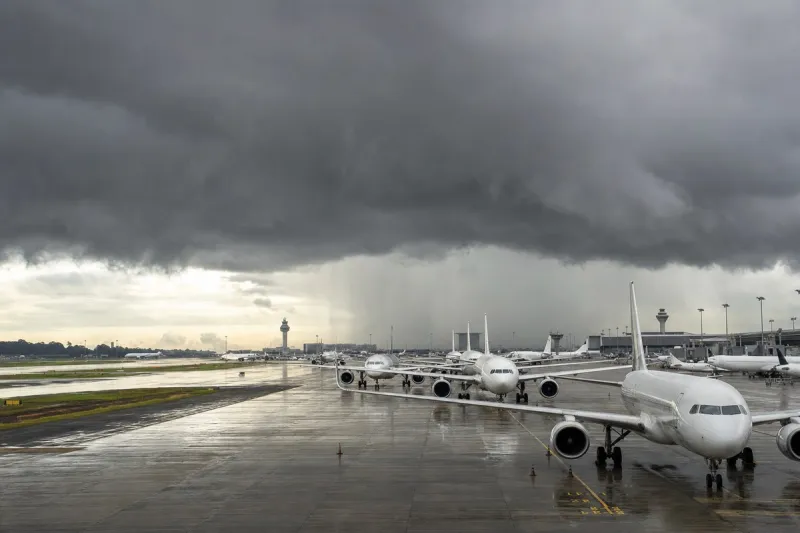
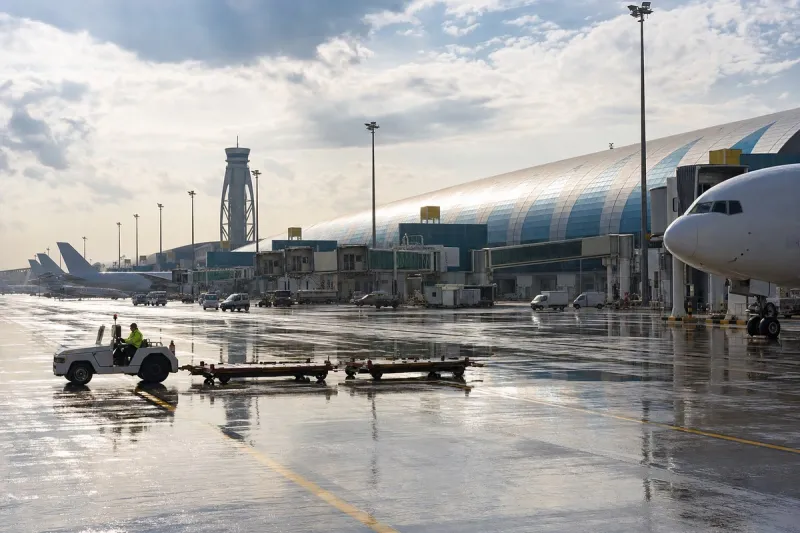
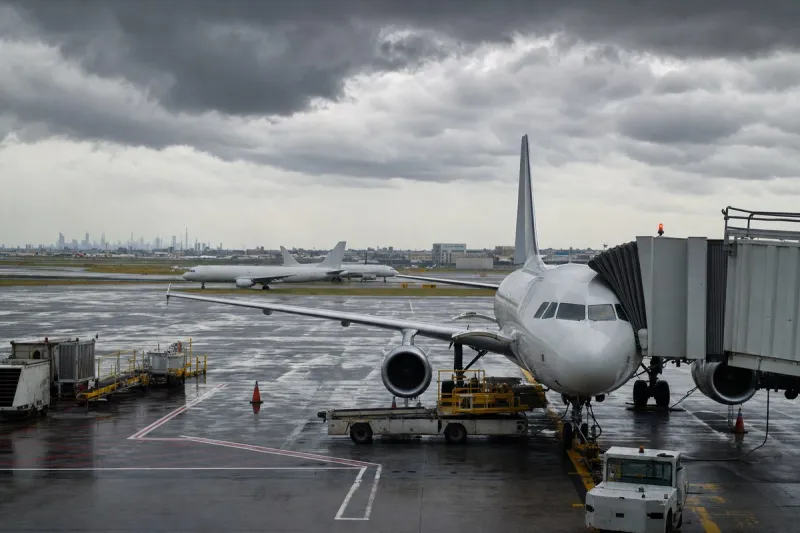
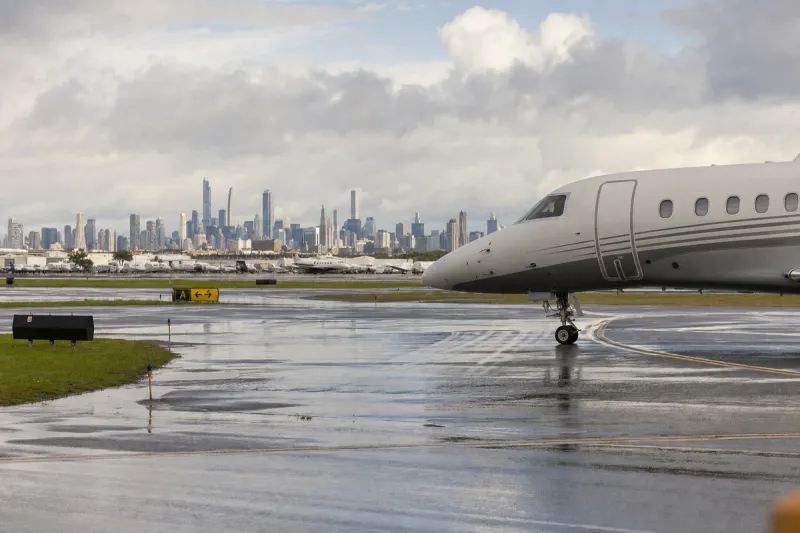
Thunderstorms around New York City, lingering effects from an earlier disruption at Boston Logan International Airport, and structural capacity limits at Chicago's airports are combining to delay flights and cause missed connections across the United States in late summer. At JFK, LaGuardia and Newark Liberty, weather-related departure holds and thunderstorm-driven delays are occurring, with FAA data confirming ground delay programs and holding patterns across the Northeast corridor. Major US carriers have issued travel waivers letting passengers rebook without change fees for travel through the three New York airports, with the disruption window running from August 31 through early September.
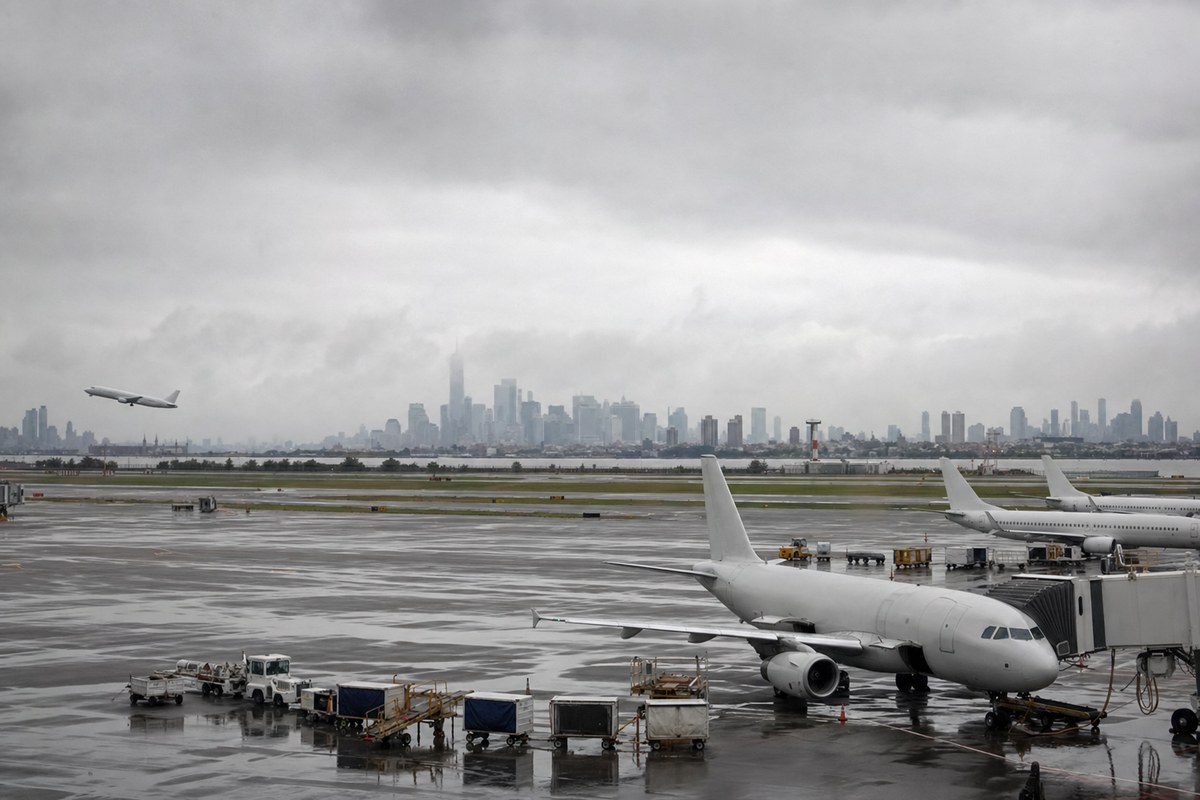
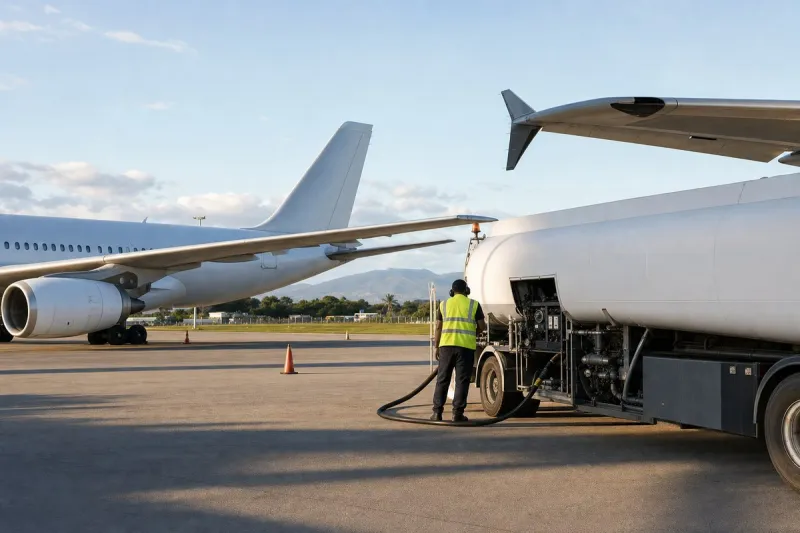
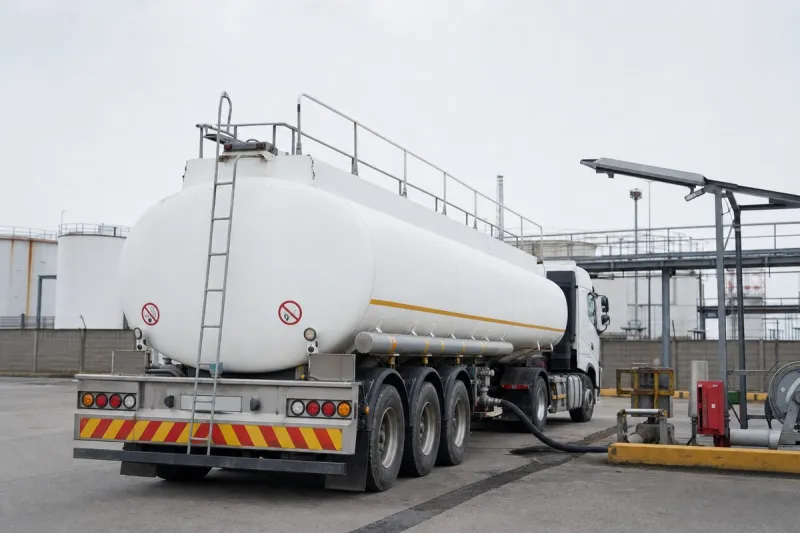
Some inbound transcontinental flights have diverted to Boston Logan when congestion or weather prevented timely JFK arrivals, adding pressure on Logan's gates and departure slots. Logan itself was largely on schedule as of early September but was still recovering from a fuel system failure in late June and early July that triggered an airport-wide ground stop and cascading delays before normal fueling operations resumed.
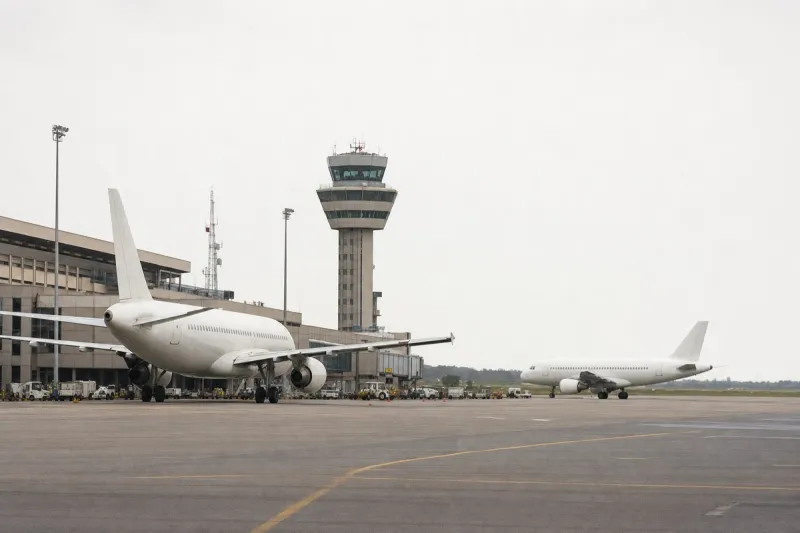
In Chicago, O'Hare International Airport and Midway International Airport were operating within broadly normal parameters as of September 2, though hourly delay tallies from the city's aviation department showed dozens of delayed arrivals and departures concentrated in peak mid-morning and early-afternoon periods. Earlier this year the FAA proposed capping O'Hare operations at approximately 2,800 movements per day during the busy summer season to prevent large-scale disruption and reduce reliance on ground delay programs.
The FAA has warned that without continued flexibility for carriers to trim schedules at the New York airports, delays and cancellations in the region could exceed the disruption levels seen during the high-travel seasons of 2022 and 2023. Regulators are seeking to balance operational resilience with competitive access by encouraging airlines to proactively reduce schedules when staffing, runway availability or airspace congestion threaten to overwhelm hub capacity.