Up to 800 North Sea Workers Still Exceed New 124.7kg Offshore Weight Limit Ahead of November Deadline
Why It MattersThe rule tightens medical and travel eligibility for offshore helicopter access, pushing operators to manage workforce compliance, redeployment and potential dismissals ahead of the deadline.
Up to 800 North Sea offshore workers still exceed a new mandatory weight limit of 124.7kg (19.5st), measured in clothing and footwear, which takes effect on 1 November, according to updated figures from industry body Offshore Energies UK. Workers above the limit will be barred from travelling offshore by helicopter and will not receive the necessary medical certificate.
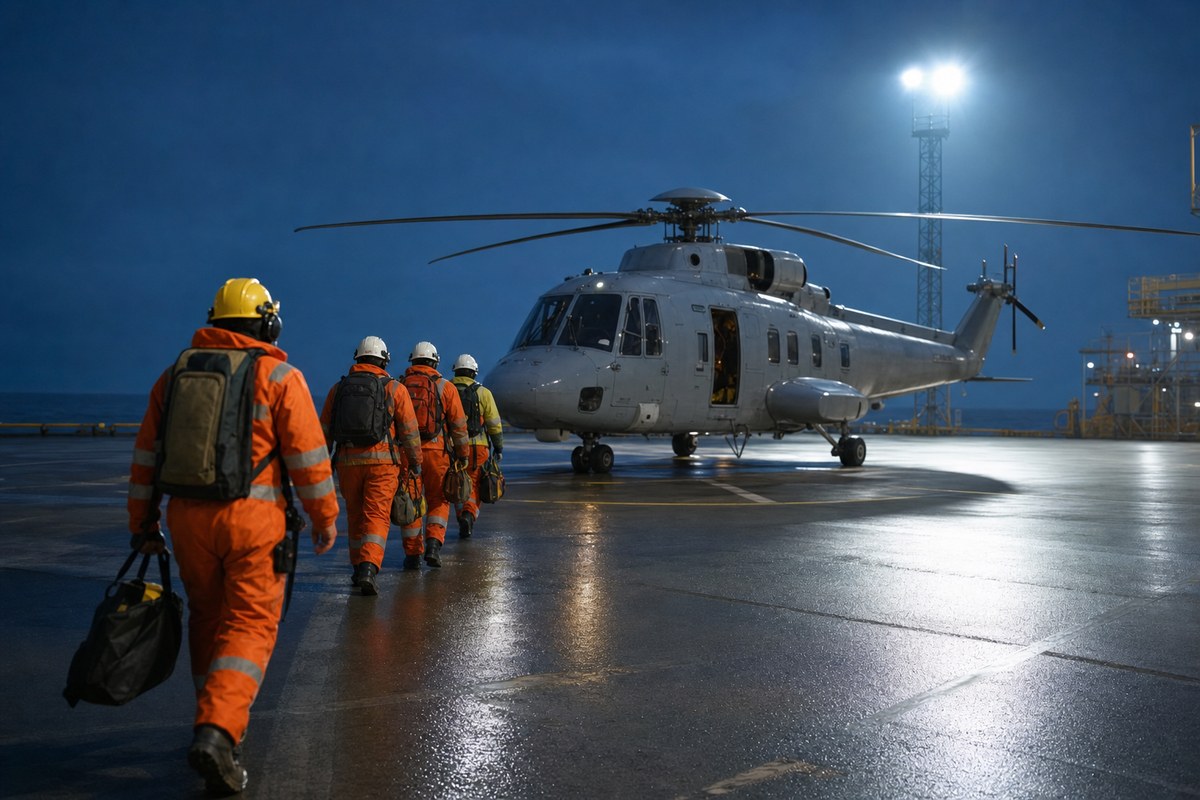
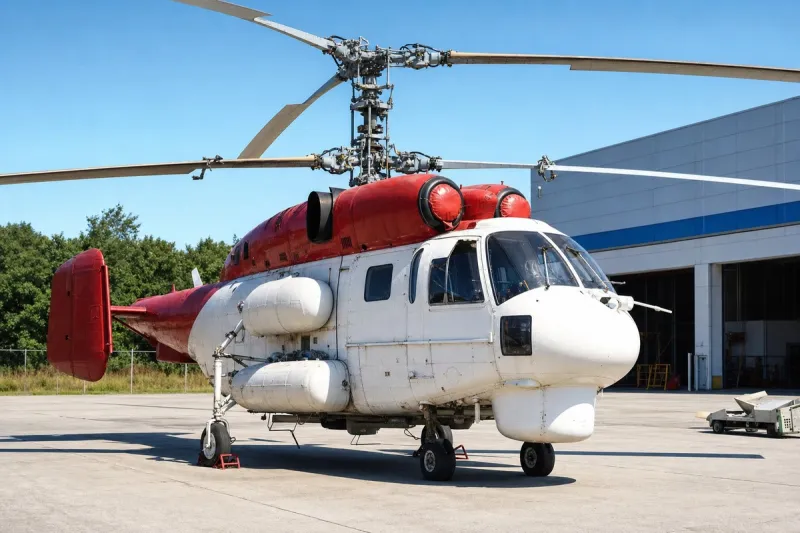
The limit followed a Maritime and Coastguard Agency warning that rescue winches cannot safely lift heavier individuals during offshore emergencies, with a Coastguard rescue helicopter winch's maximum load of 249kg (39st) calculated from the 124.7kg worker limit plus the average weight of a rescue worker, a stretcher and kit. When OEUK announced the policy last year, about 2,200 workers, roughly 4.7% of the offshore workforce, were above the threshold; the latest figures, drawn from more than 35,000 offshore traveller records collected between April and August, show about 3.4%, or between 500 and 800 workers, still exceed the limit. OEUK noted average offshore worker weight has risen by almost 10kg since 2008.
Graham Skinner, OEUK's health, safety and security manager, said the reduction was encouraging but significant work remained, warning that a worker over 124kg at the heliport on 1 November will not be able to go to work. Aberdeen-based occupational health physician Dr Niyi Adeleke said the rules had become a major talking point, with workers pursuing weight loss injections, leaving the offshore industry, or transferring to onshore or overseas roles, while cautioning against unsustainable methods such as prolonged fasting. Employment law specialist Will Rollinson of Brodies said employers must assess a worker's efforts and available support before considering dismissal, noting termination could be possible if an employee cannot get below the safe weight limit after a proper process. Rules on shoulder width for offshore helicopter passengers had previously been introduced, requiring those with a shoulder width of 22 inches (56cm) or more to sit beside a larger window to enable escape.