Airservices Australia Chief Pushes Back Against Airlines' 'Frequent Failures' Claims Amid Sydney Safety Probes
Why It MattersThe dispute highlights how controller staffing shortages and near-miss investigations are straining airline-air navigation provider relations across multiple aviation markets simultaneously.
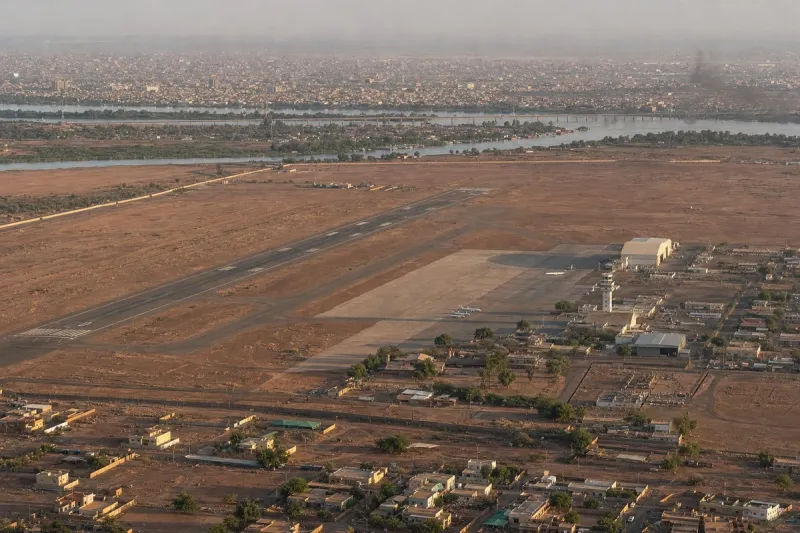
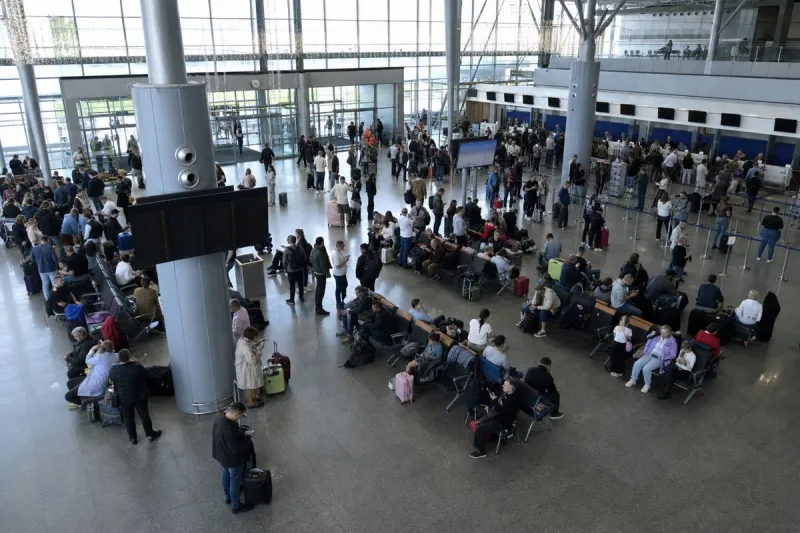
Airservices Australia's chief executive has pushed back against airline warnings of 'frequent failures' in the national air traffic control network, arguing the system remains fundamentally safe despite a run of incidents and staffing-related disruptions. The dispute follows air traffic control incidents and weather-related disruptions at Sydney Kingsford Smith Airport, where controller shortages prompted Airservices to impose flow restrictions, contributing to hundreds of delayed flights affecting Qantas and Virgin Australia. Airlines and pilot associations have described the disruptions as evidence of deeper structural problems, citing staffing gaps and rostering issues.

Airservices' leadership acknowledged falling short of reliability expectations on some days and apologised to travellers, while maintaining that temporary traffic metering was necessary to preserve safety margins amid a shortfall of controllers. The agency pointed to ongoing recruitment, training and systems-modernisation programs as evidence of longer-term investment.
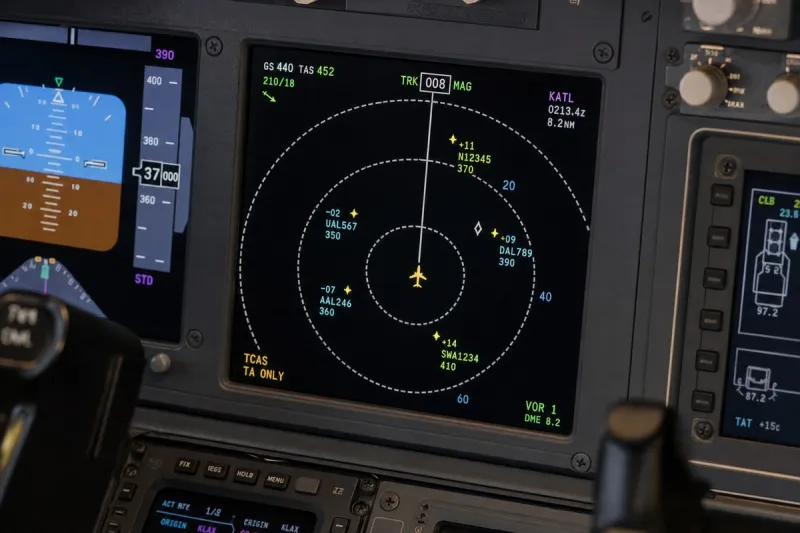
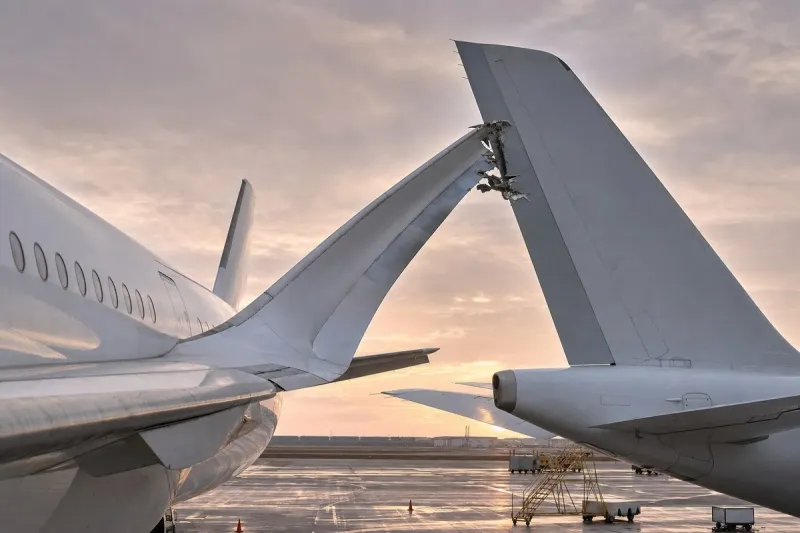
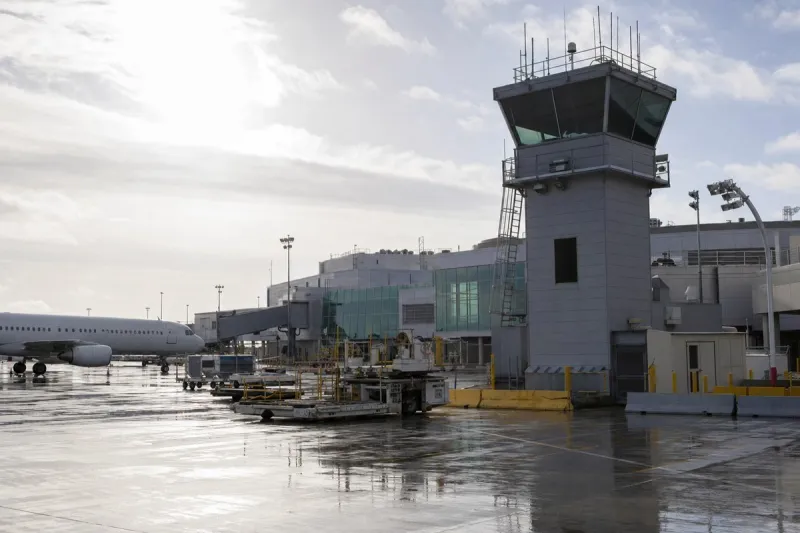
The Australian Transport Safety Bureau is examining several near-miss incidents at Sydney Airport, including one in which a Qantas aircraft was cleared to cross a runway in front of another Qantas jet that had just landed, and a separate near miss involving a Qatar Airways flight and a Jetstar aircraft. The ATSB has also questioned delays in the reporting of at least one occurrence, and Australia's federal transport minister called the disruptions and safety incidents 'unacceptable.'
Airlines argue that navigation-service charges are not matched by acceptable performance, while Airservices maintains that isolated human or procedural errors do not amount to a chronically unsafe system. The ATSB has noted that accidents typically result from a chain of small failures rather than a single point of failure, and the row reflects wider pressure on air traffic management systems in Europe, the United Kingdom and the United States.