Joby Aviation to Acquire Defense Tech Firm Resonant Sciences for ~$500 Million
Why It MattersThe deal signals eVTOL developers diversifying into defense and RF sensing technology to build revenue ahead of commercial air taxi certification and passenger service launch.
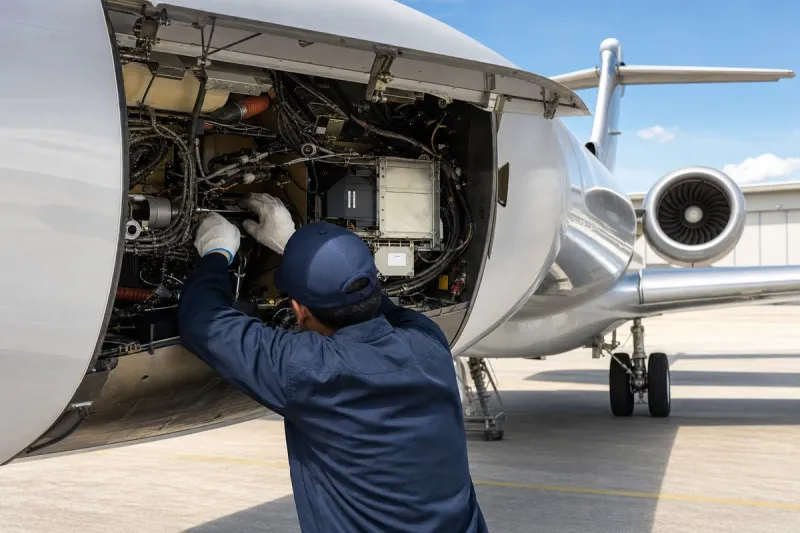
Joby Aviation announced on August 11 an agreement to acquire Resonant Sciences, a Dayton, Ohio-based defense technology company, for approximately $500 million — about $450 million in cash and $50 million in stock. Resonant Sciences builds radio frequency and mission systems for U.S. national security customers and specializes in low-observability technology that helps military aircraft sense their surroundings and avoid detection.
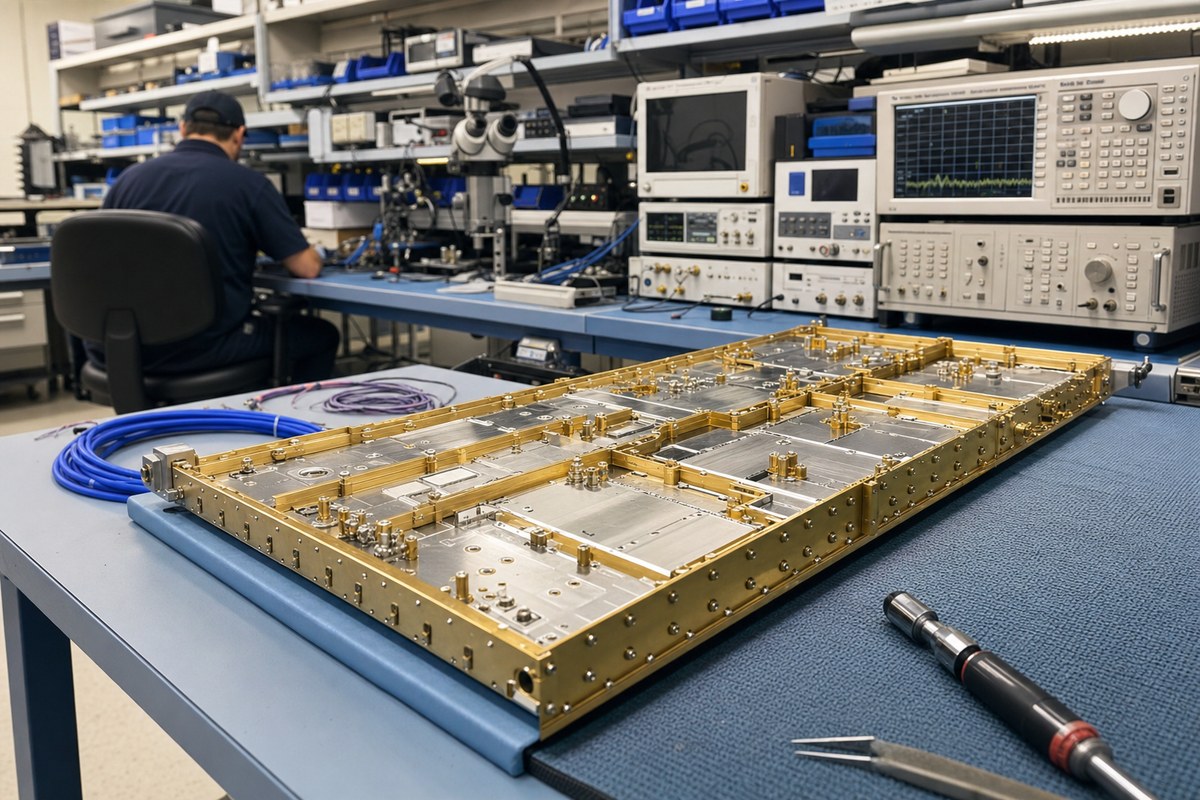
The company generated more than $100 million in revenue over its trailing twelve months, up roughly 40% year over year, and produces positive adjusted EBITDA. In the first half of 2026, Resonant booked more than three times as much new business as it did a year earlier, and its backlog more than doubled year over year. The acquisition is expected to roughly double Joby's current revenue base; Joby raised its full-year 2026 revenue outlook in August to a range of $115 million to $125 million. The deal is not expected to close until the first half of 2027, pending regulatory reviews.
At the end of June, Joby held approximately $2.3 billion in cash and short-term investments. The company also announced on the same day a program to sell up to $750 million in new stock over time, following about $576 million in net proceeds raised from a stock offering and $670 million from convertible notes in February.
Of Joby's $38.6 million in second-quarter revenue, $36.2 million came from passenger flights booked through Blade, the passenger business Joby acquired in August 2025. The company's electric air taxi service has not yet generated revenue. Joby reported its strongest quarterly progress in the fifth and final stage of FAA type certification and is targeting its first passenger flights before the end of 2026, with initial flights under a federal pilot program expected in Texas.