Drone Sightings and High-Altitude Balloon Disrupt Flights at San Diego International Airport on September 4
Why It MattersThe episode underscores how unauthorized drone activity near controlled airspace can cascade into nationwide schedule disruption, renewing scrutiny of airport counter-drone detection and response capabilities.
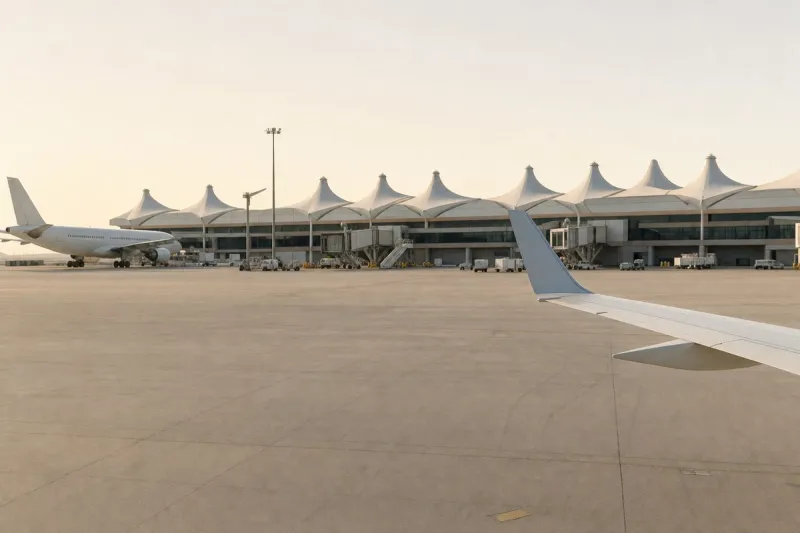
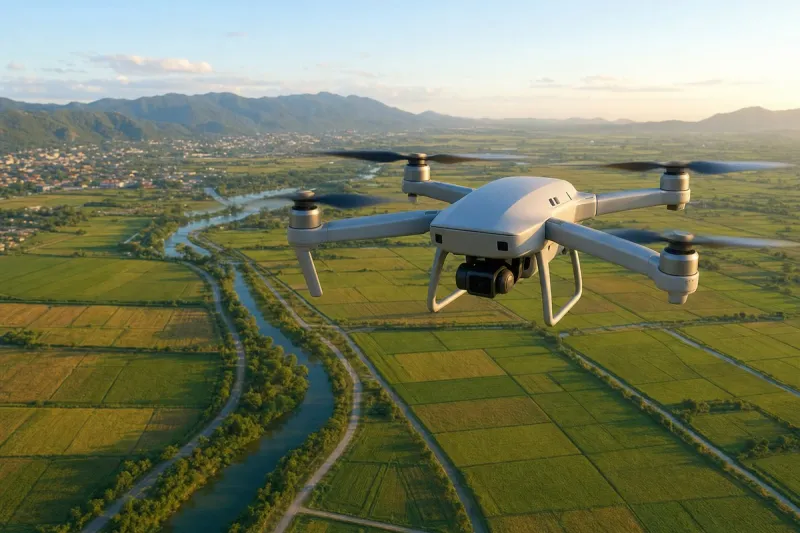
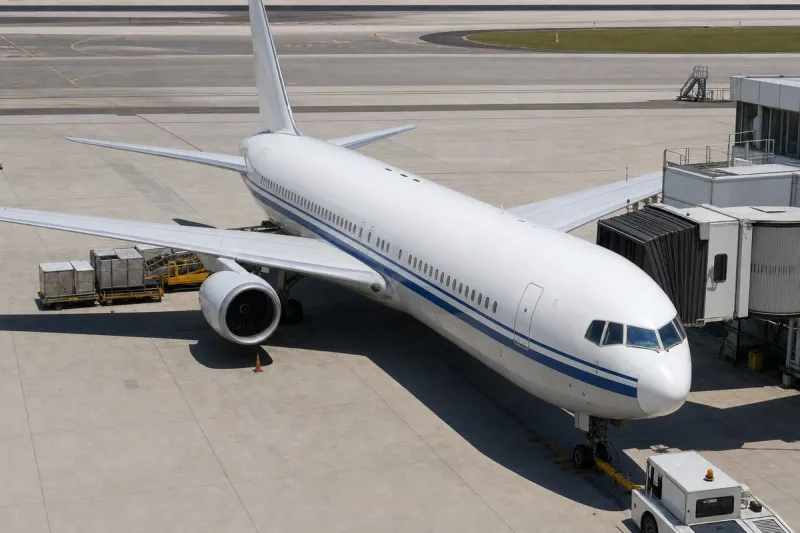
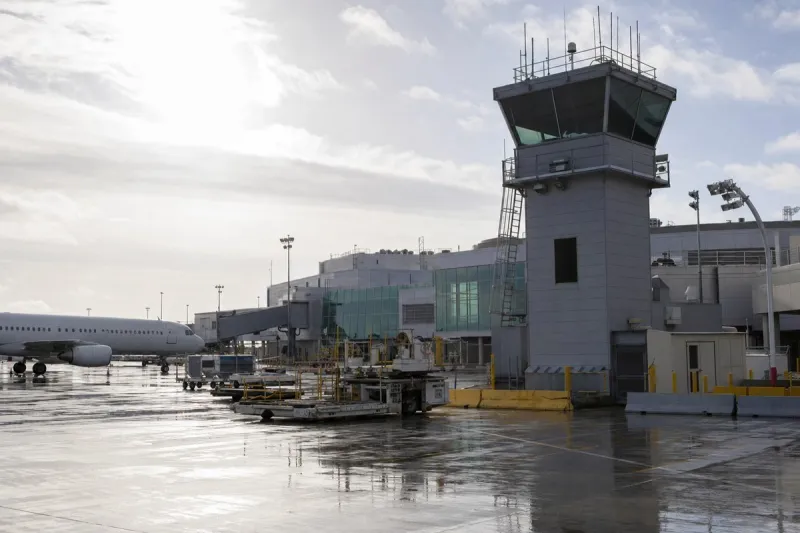
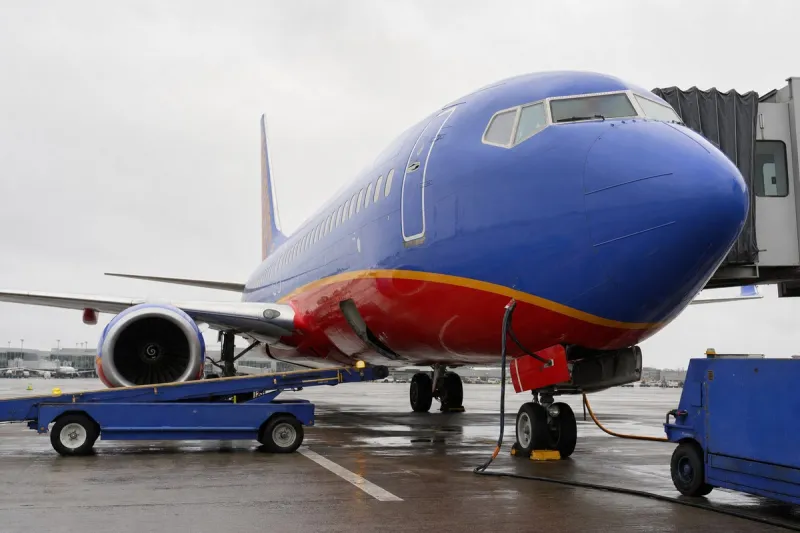
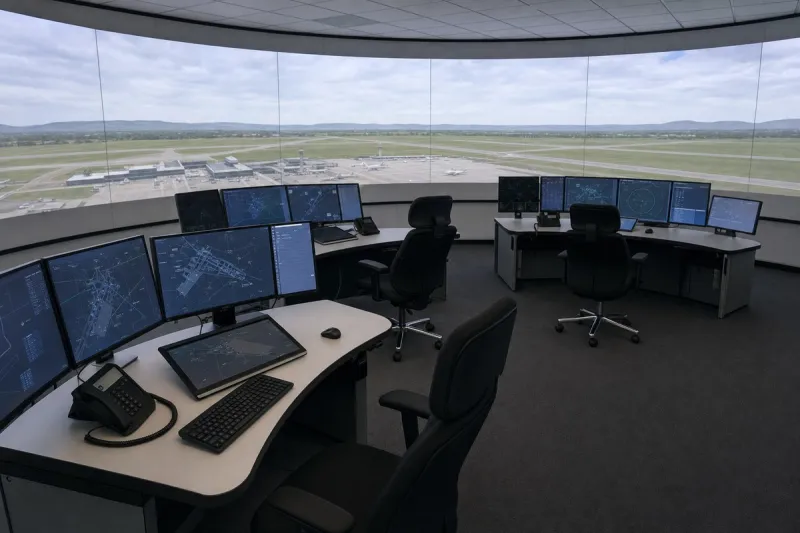
Arrivals and departures at San Diego International Airport were disrupted for hours on September 4, 2026, after reports of at least two drones near the airfield and a separate high-altitude balloon overhead prompted a ground stop and delays that rippled across the United States. Aircraft were held at gates and on taxiways while air traffic managers paused takeoffs, with some travelers describing a drone hovering just tens of feet above the airport's control tower.
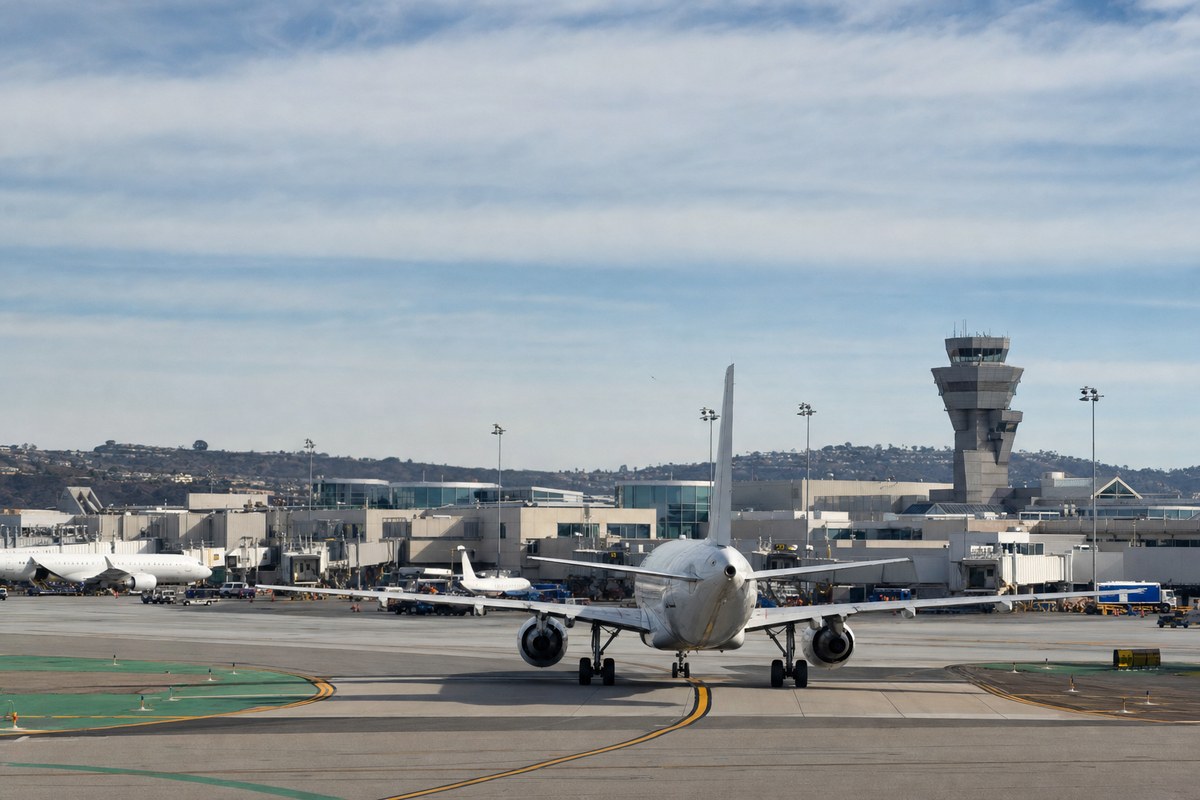
A second drone sighting occurred while operations were already constrained, pointing to repeated incursions rather than a single incident. The Federal Aviation Administration's real-time status board showed San Diego International was already under traffic management measures at the time, with an arrival delay program producing average delays of roughly 30 minutes, which magnified the impact of the ground stop. The stop was lifted during the afternoon, but delays continued into the evening, with San Diego cited as one of the most delayed airports in the country and passengers reporting waits of two to four hours for departing flights.
Earlier in the day, a separate high-altitude balloon was widely observed over the San Diego area, estimated to be operating at approximately 60,000 feet, well above commercial takeoff and landing altitudes. The balloon had already moved out of direct arrival and departure paths before the drone reports surfaced, though its presence added to traveler concern as delays mounted.
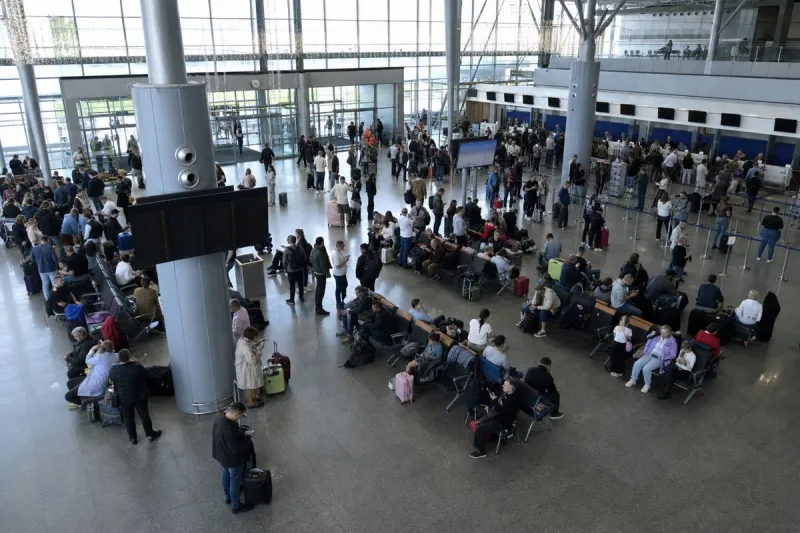
Passengers connecting to San Diego from cities including Los Angeles and Boston reported learning of the disruption only at their departure gates. Some inbound flights were diverted or placed in holding patterns, and missed connections, late-night arrivals, and crew duty-time limits contributed to further cancellations and schedule adjustments extending into the following morning. Federal regulations prohibit operating most small unmanned aircraft in controlled airspace around major airports without explicit authorization, and aviation observers noted that ground stops can be triggered even by small drones because of the safety risk posed near the runway environment.