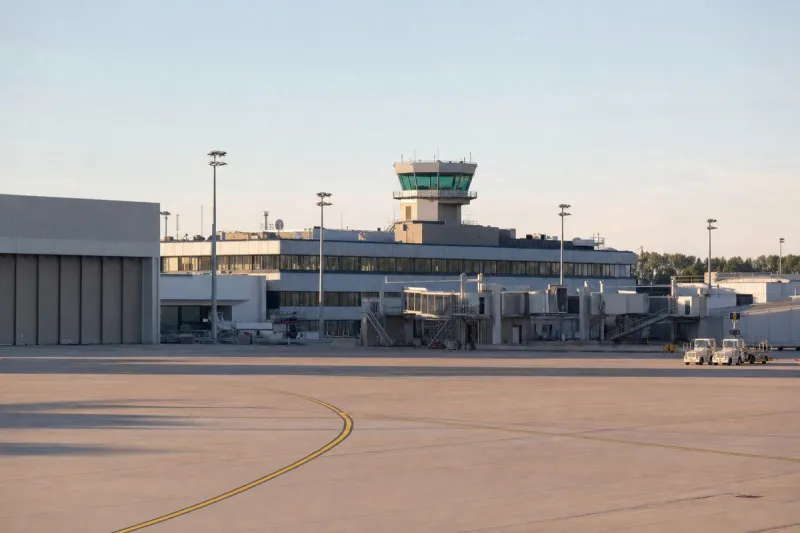
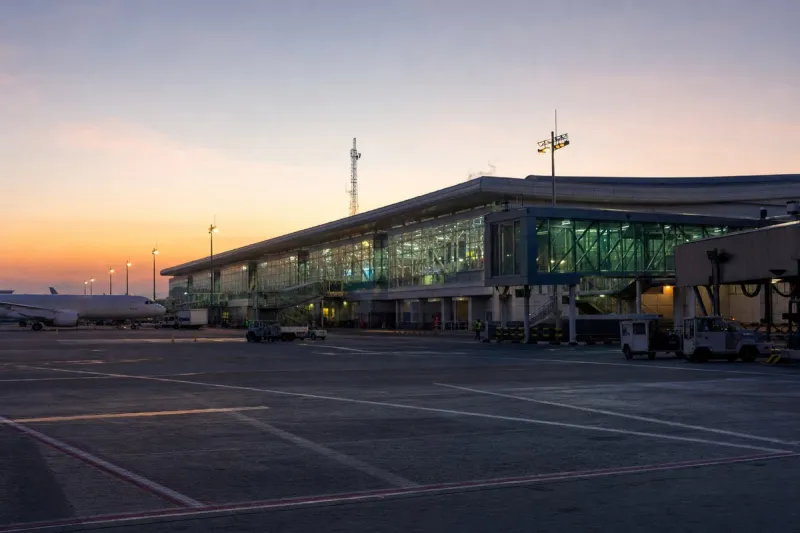
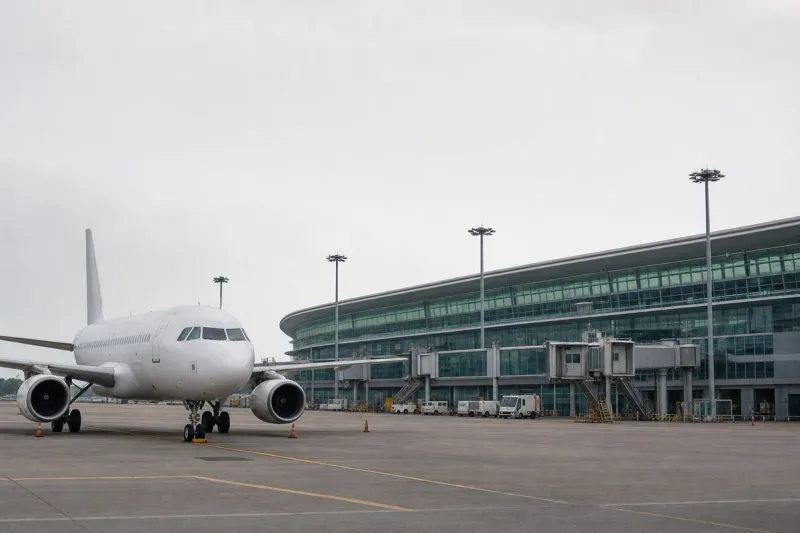
Belarus Reshapes Aviation Network Around Grodno Airport Amid Ongoing Sanctions
Why It MattersWhen sanctions cut off a hub carrier's primary market, traffic redistributes toward secondary airports and adjacent regional partners rather than disappearing outright.
What happened
Belarus' aviation sector has been reorganizing around secondary airports since the forced diversion of Ryanair Flight 4978 to Minsk in May 2021 triggered extensive EU sanctions and overflight bans. The European Union subsequently prohibited Belarusian carriers from using EU airspace and airports, severely reducing international connectivity for state airline Belavia and its primary hub in Minsk.
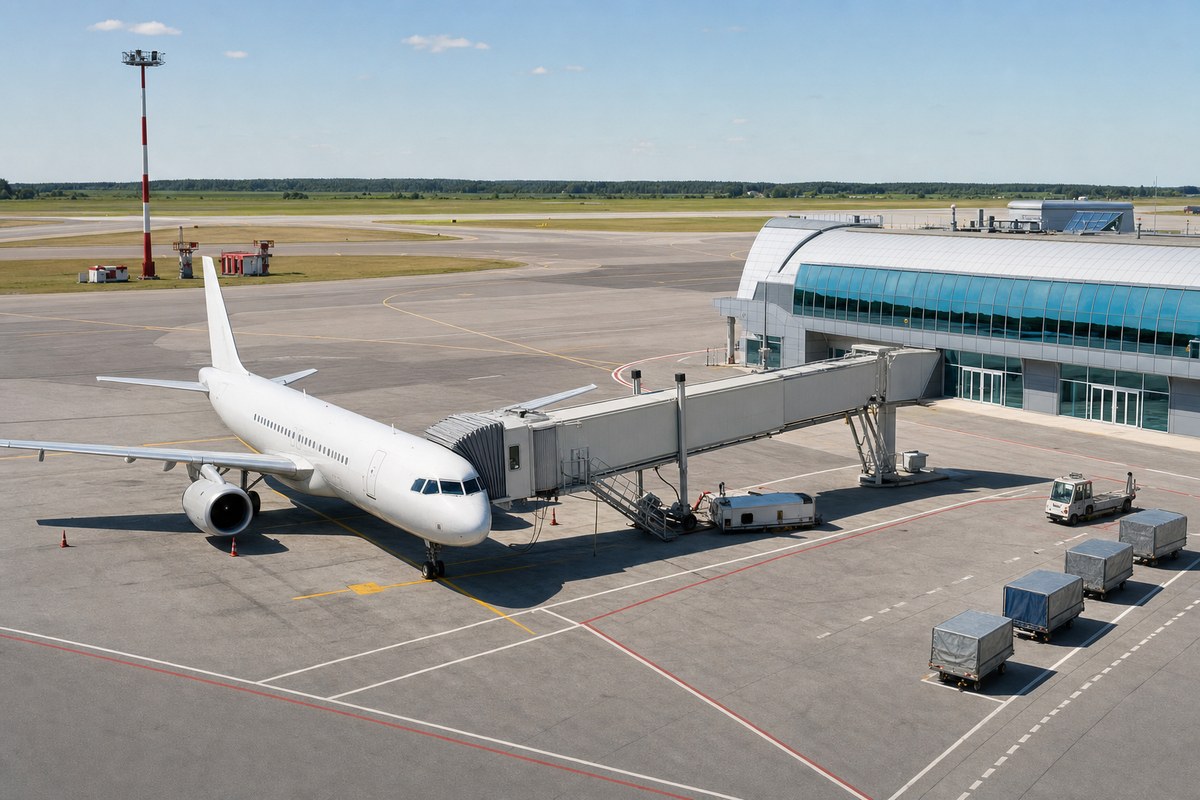
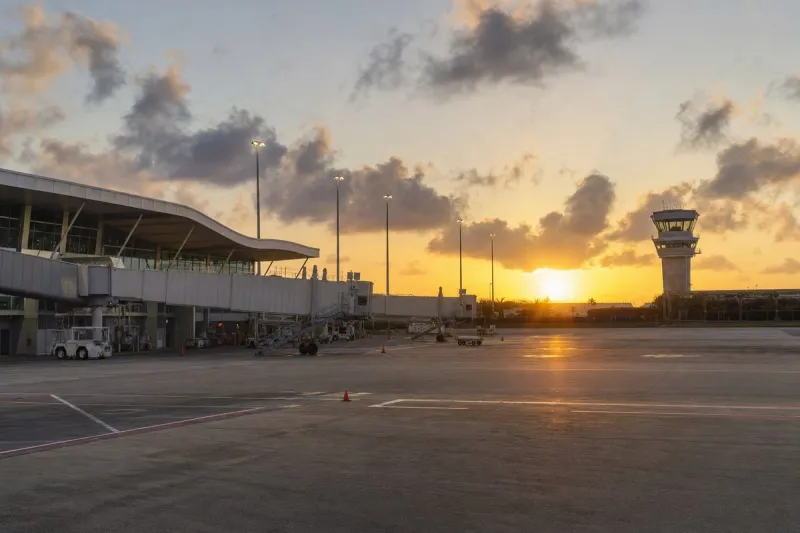
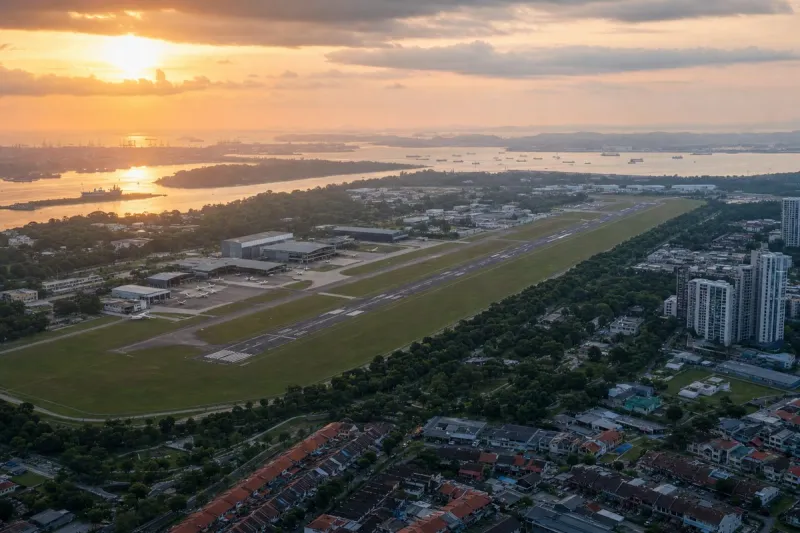
Grodno Airport — also known as Hrodna Airport, ICAO code UMMG — has emerged as a key regional platform in this environment. Located in western Belarus near the borders with Poland and Lithuania, the airport opened in 1984 and sits close to road and rail corridors connecting Belarus with northeastern Poland and southern Lithuania. Regional carrier Grodnoavia uses the facility as its technical base, handling airport operations, ground services, and maintenance. The airport supports scheduled traffic, charter flights, and cargo operations, and aviation authorities classify it as part of Belarus' distributed network of international airports alongside Minsk, Brest, Gomel, Mogilev, and Vitebsk. Private jet operators also list Grodno among standard destinations in Belarus, citing its runway length and handling capacity.
A visa-free zone covering the city of Grodno and the Belarusian section of the Augustow Canal, established under a 2017 presidential decree and later expanded, allows eligible foreign visitors from selected countries to enter for short stays without a consular visa. Polish and Lithuanian tourism organizations promote cross-border package trips covering river cruises, canal excursions, and city tours under this framework. Cargo operators and charter brokers describe Grodno as a viable alternative to Minsk for specialized flights serving western Belarus, particularly for time-sensitive goods that can be trucked onward across nearby border crossings, and air logistics companies note that Belarusian airports have reinforced traffic with Russia, other Commonwealth of Independent States members, and select partners in Asia and the Middle East.
Industry impact & what to watch
This case illustrates a broader pattern in sanctioned aviation markets: when a flag carrier loses access to its traditional airspace and hub, activity does not vanish but migrates toward secondary airports and adjacent-market corridors that remain open. Grodno's rise reflects geography as much as policy — proximity to Poland and Lithuania, combined with the visa-free zone, gives it a tourism and logistics rationale independent of the sanctions that reshaped Minsk's role.
Regional aviation networks under sanction pressure tend to reorganize along these lines: secondary fields absorb charter, cargo, and niche scheduled traffic, while ties with non-Western partners — in this case Russia, other CIS states, and select Asian and Middle Eastern markets — deepen to replace lost Western connectivity. Grodnoavia's role as technical operator at its own base is typical of how smaller carriers anchor this kind of redistribution.
The binding constraint remains unchanged: EU bans on Belarusian carriers are still in force, and European and US overflight advisories have not been lifted. Policy documents from 2023 and 2024 tie those restrictions to both the Ryanair incident and Belarus' role in Russia's invasion of Ukraine, so any reopening of Western markets depends on developments well beyond Grodno's own growth.