FlyOnE Reports 180,000 Commercial Electric Passenger-Kilometres and Over 45,000 Network Movements, Engages Post Oak Group to Lead Investment Round
Why It MattersThe case shows regional electric air taxi operators leaning on legacy-aircraft revenue and integrated infrastructure to fund electric fleet expansion while certified electric-only economics remain unproven at scale.
What happened
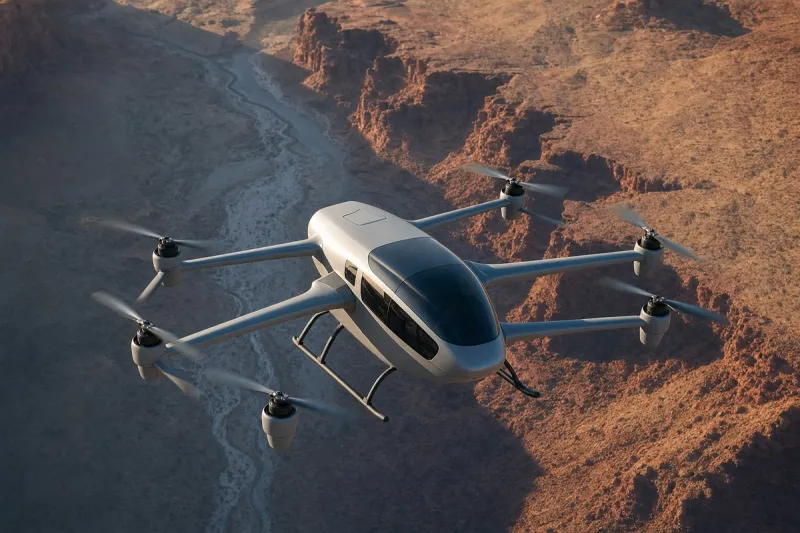
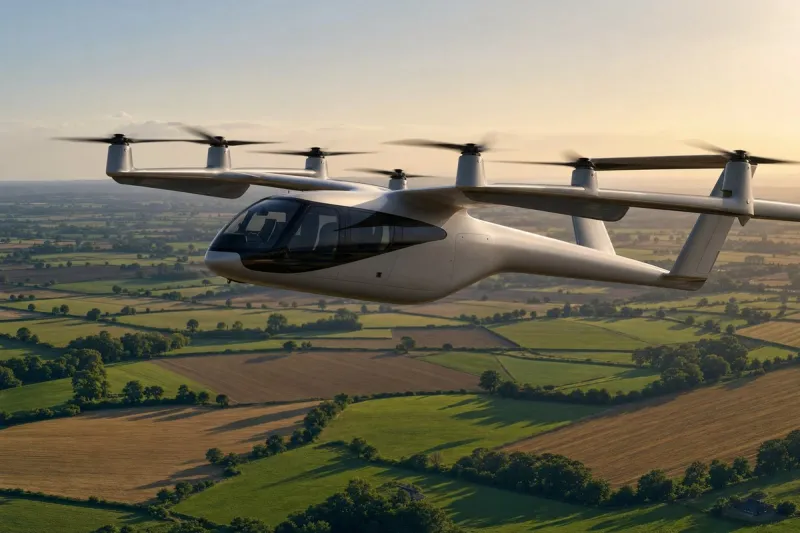
Australian electric aviation company FlyOnE Limited says it has accumulated more than 180,000 commercial electric passenger-kilometres since beginning operations in 2020, running certified, revenue-generating electric passenger services today. The company operates certified air taxi, flight training, and aerial-work activities in Australia.
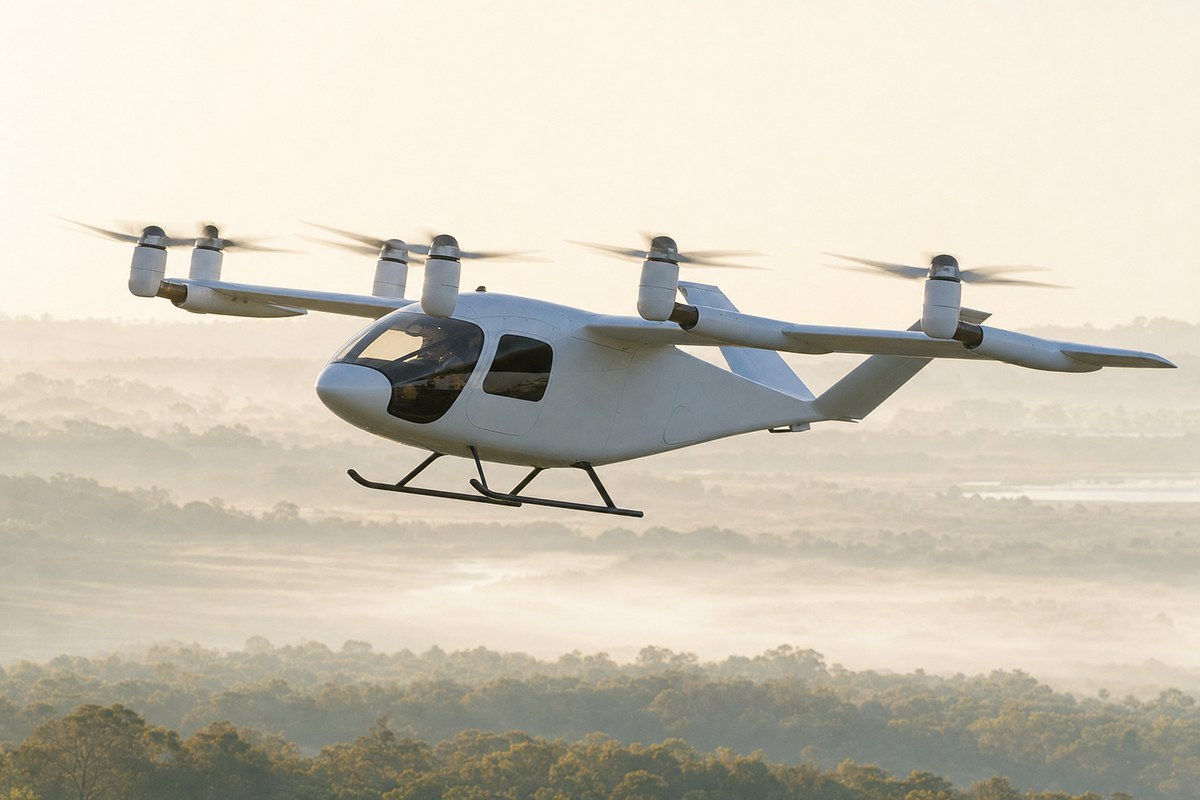
FlyOnE reports its established air taxi services are generating gross returns of approximately 120% above direct operating costs, a figure the company attributes to its legacy aircraft fleet rather than electric aircraft alone. It has also logged more than 1,300 hours of commercial electric passenger flight and recorded more than 45,000 passenger movements across its broader network, including through the Lilypad Elevate network.
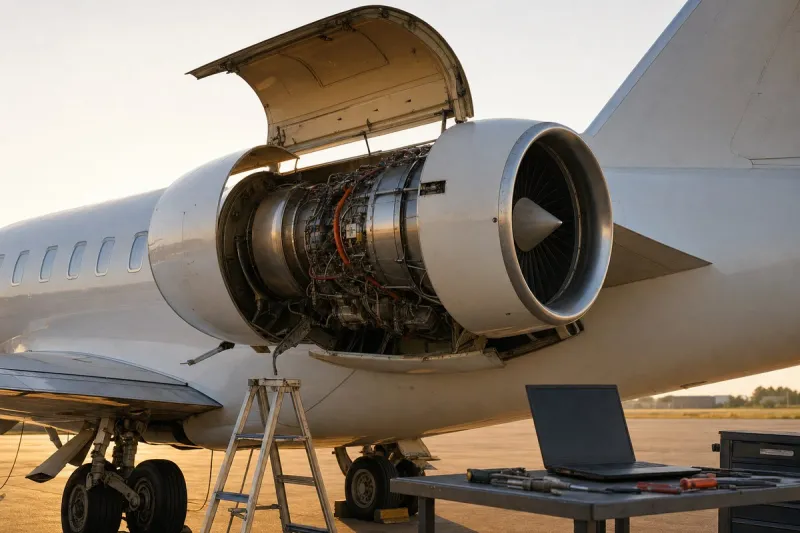
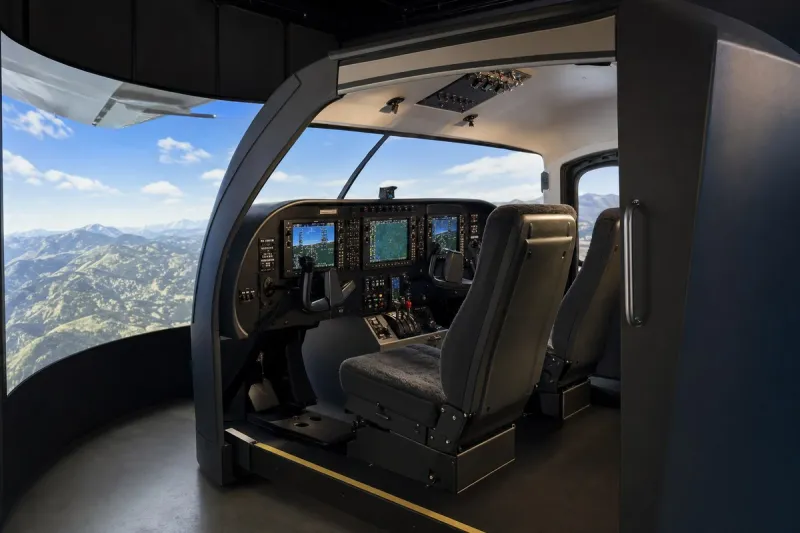
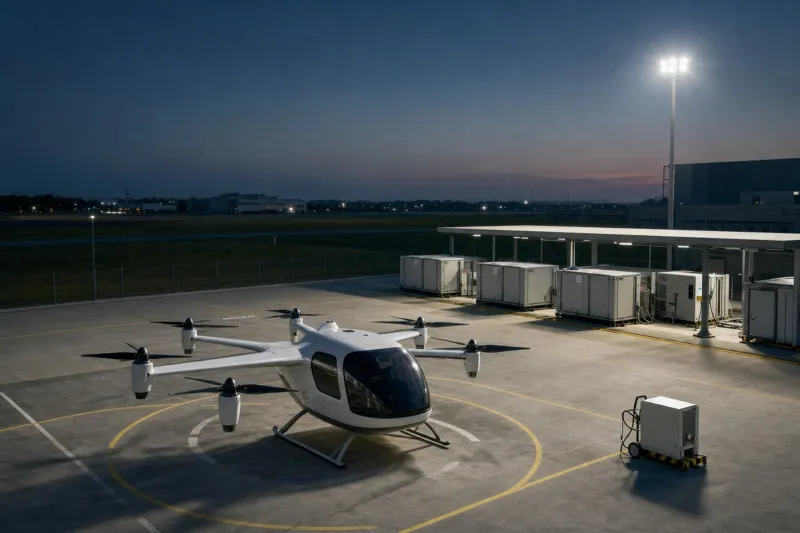
Founder and CEO Korum Ellis said the company's model integrates aircraft operations, proprietary charging infrastructure, battery management, pilot training, and maintenance into a single connected platform, which he described as essential for scaling regional electric air transit. FlyOnE has formally engaged Texas-based Post Oak Group to lead its current investment round. Ellis said the capital will be directed toward expanding the air taxi network into new regions, deploying electric aviation ground infrastructure and battery continued-airworthiness capability, and advancing next-generation aircraft supply and production programmes. Ellis said the company already holds operating approvals, customers, revenue, and aircraft distribution relationships, and that the round is intended to accelerate deployment of those foundations. Post Oak Group's role is described as both a capital partner and a strategic connection between FlyOnE's established Australian operations and international markets, particularly the United States, which Ellis cited as a major aviation and capital market with deep aerospace expertise and a large general aviation sector.
Industry impact & what to watch
FlyOnE's disclosure illustrates a pattern common to early-stage electric air mobility ventures: profitability claims rest on a mixed fleet, with legacy piston or turbine aircraft carrying the margin while electric operations build flight-hour and passenger-movement history. The 120% gross return figure is explicitly tied to legacy aircraft, not the electric fleet, which means the commercial case for the certified electric side of the business is still being established rather than proven.
In regional air taxi economics, integrated models — combining aircraft operation, charging infrastructure, battery management, training, and maintenance under one operator — are often positioned as a way to control costs across an emerging value chain where third-party infrastructure and support services do not yet exist at scale. Investment rounds like the one Post Oak Group has been engaged to lead are typically framed around extending an operator's own approvals and customer base into new geographies rather than funding aircraft development from scratch.
What happens next depends on the terms and size of the investment round Post Oak Group leads, and on whether FlyOnE's electric passenger-kilometre and flight-hour totals begin to translate into disclosed electric-specific unit economics separate from the legacy fleet's returns.