Business Aviation Faces Talent Crunch as Veterans Retire; Industry Shares Hiring and Retention Strategies
Why It MattersAs experienced staff retire and new technology changes required skills, operators face growing pressure to redesign hiring and retention programs to secure institutional knowledge and qualified talent.
Business aviation is grappling with a workforce challenge as large numbers of experienced professionals reach retirement age, creating gaps in staffing and institutional knowledge, while emerging technologies make traditional skillsets obsolete and add further pressure on operators to find and keep qualified people.
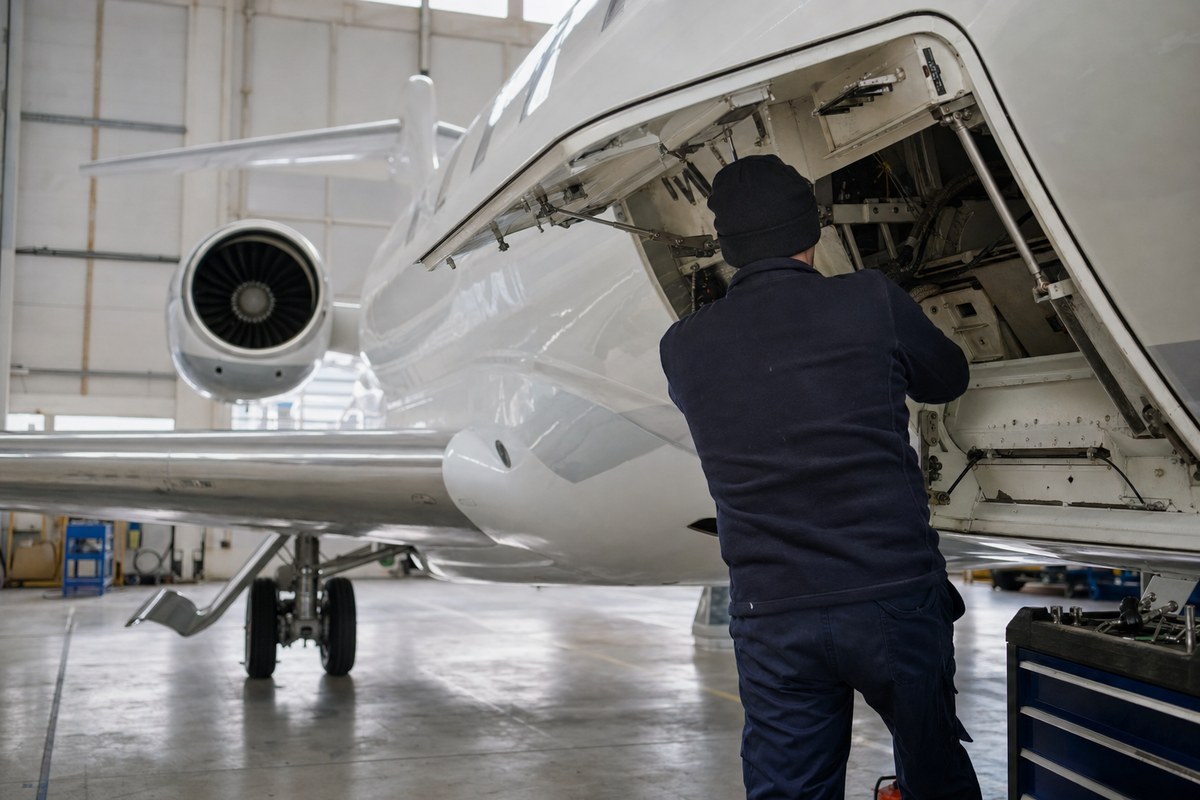
Industry experts point to competitive compensation, benchmarked through tools like the NBAA Compensation Survey and the AirComp Calculator, along with employee referral programs, as effective hiring practices. Nicholas Correnti, founder and CEO of NICHOLAS AIR, said more than two-thirds of his company's hires come through referrals from current flight operations and maintenance staff, supported by referral bonuses that vest over time. Jenny Showalter, founder of Showalter Business Aviation Career Coaching, cited a client who endured a four-month hiring process with numerous interviews, illustrating the burden lengthy processes place on job seekers. Proactive outreach through events such as NBAA-BACE, college recruiting and regional aviation events was also recommended.
On retention, experts advised starting mentorship from the job-offer stage, offering ongoing professional development, and using rotation scheduling patterns such as 5-3-5-4, 8/6 and 15/13 day cycles to protect crew quality of life. NICHOLAS AIR gives pilots a personalized Rolex watch valued at $13,000 after five years of service and a five-hour jet card at the ten-year mark, while maintenance technicians who stay five years may keep $30,000 worth of Snap-on tools. Correnti emphasized leadership and culture, including weekly handshakes with maintenance facility employees, to foster a sense of ownership and connection.
Showalter noted that while conditions currently favor employers in business aviation hiring, such cycles shift over time, and organizations with a consistent, strategic approach to recruitment and retention will be better positioned when the balance moves toward job seekers.