Airlines Buying Jets for 2050s Operations Face Long-Term Risk as Suborbital Travel Targets Premium Passengers
Why It MattersThe case shows how ultra-long-haul route economics rest on a thin layer of premium fares, so any credible alternative for that segment threatens aircraft residual values long before delivery slots are filled.
What happened
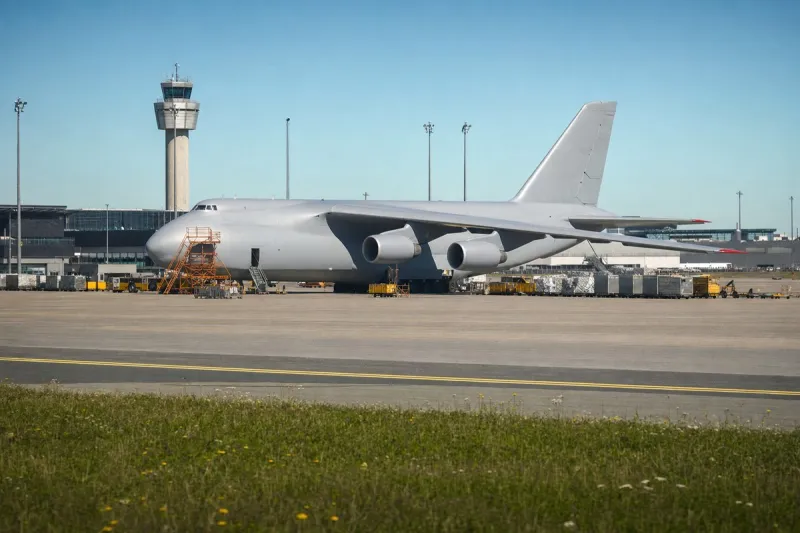
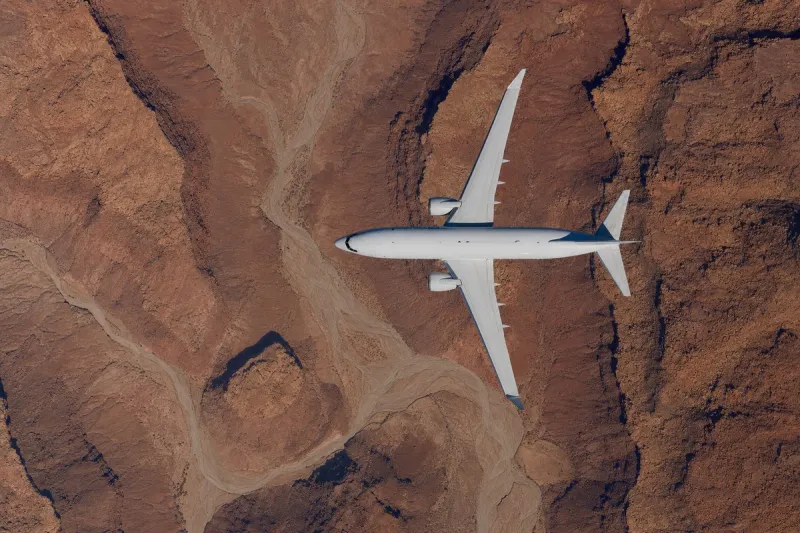
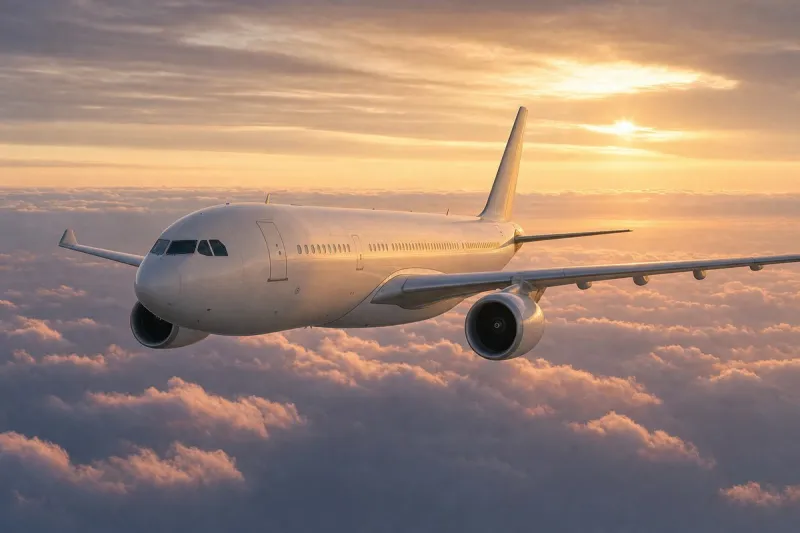
Airlines and manufacturers are ordering widebody jets expected to remain in service through the 2050s and beyond, and analysts caution that emerging suborbital travel could erode the premium passenger revenue that keeps ultra-long-haul routes profitable well before those aircraft retire. The concern is not that suborbital point-to-point flight replaces conventional aviation broadly, but that it could pull away the small number of first- and business-class passengers whose fares decide whether a route runs at a profit or a loss. Ultra-long-haul flights are especially exposed because they carry high fuel costs, require augmented crews, and often face payload restrictions, making them more dependent on premium-cabin revenue than shorter routes.
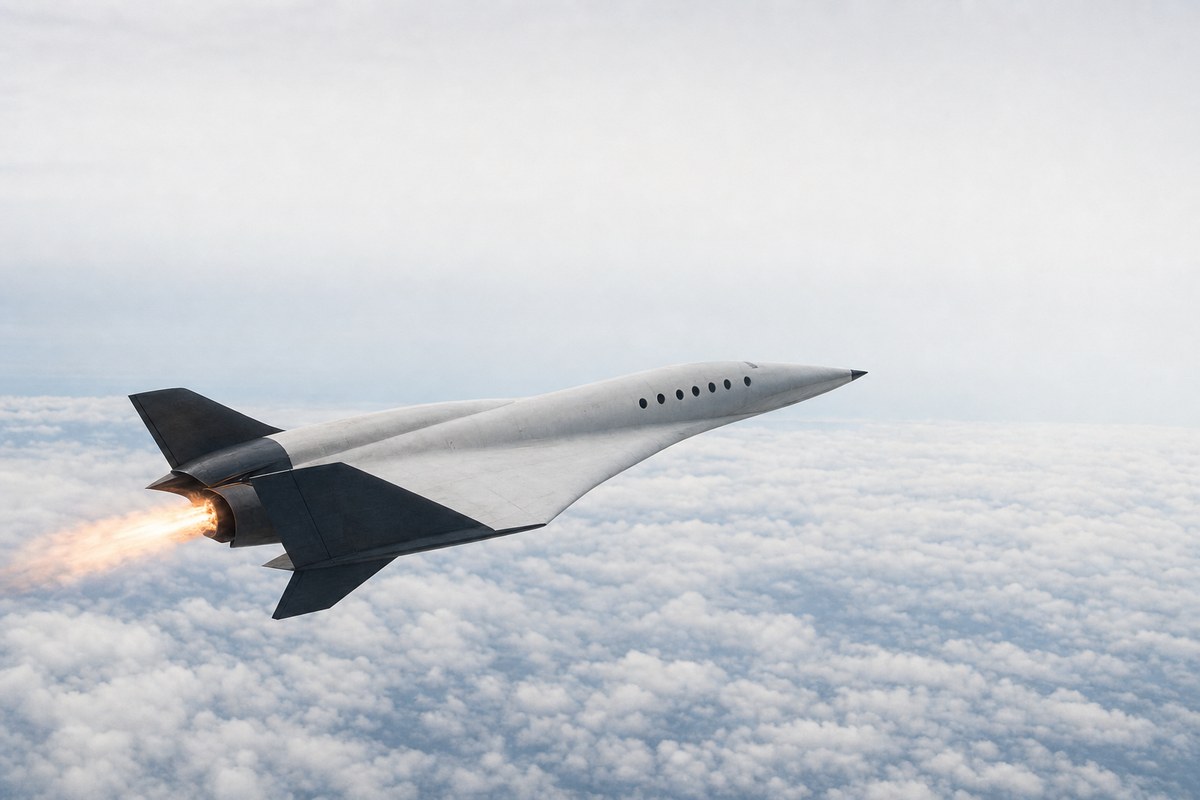
SpaceX has said its Starship vehicle "could one day" enable global travel in under an hour. Blue Origin's New Shepard currently carries six passengers on suborbital hops from West Texas. Virgin Galactic has pursued an aircraft-style approach with runway landings. None of these vehicles currently offers scheduled service between two cities, and no pair of spaceports exists capable of handling airline-scale passenger volumes. The Federal Aviation Administration projects a high-end figure of 507 authorized commercial space operations in 2036, a figure covering all launches and reentries rather than passenger flights alone; the existing U.S. regulatory framework does not certify commercial spacecraft as safe for occupants, instead permitting willing participants to accept disclosed risks.
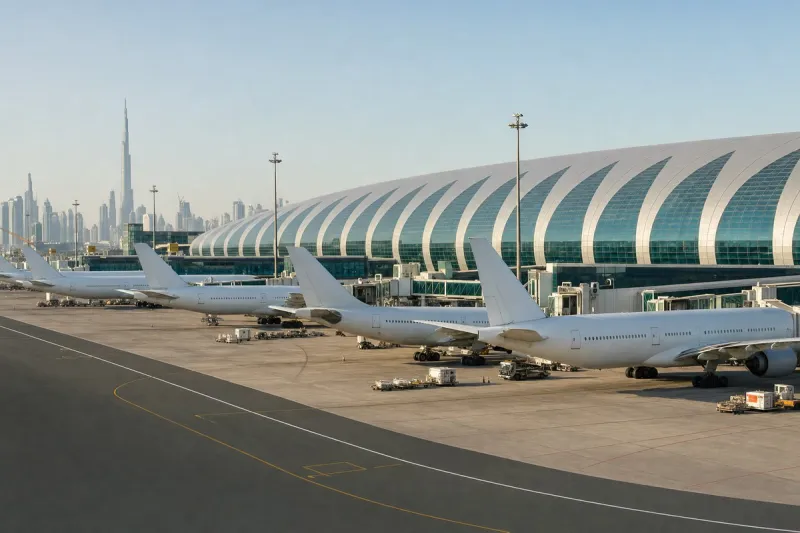
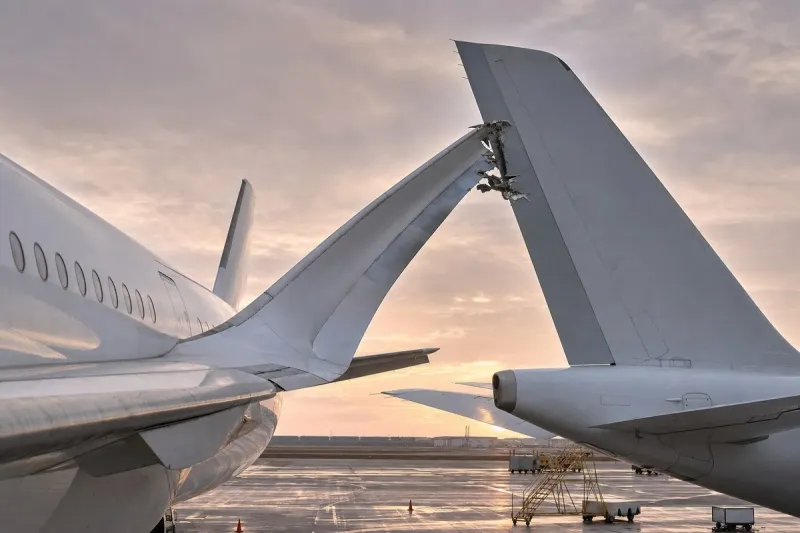
Singapore Airlines operates the Airbus A350-900ULR on the world's longest scheduled flights with 67 business-class seats and 94 premium-economy seats and no standard economy cabin. Emirates and Qatar Airways aggregate large volumes of connecting traffic through Dubai and Doha, including price-sensitive leisure travelers, while their highest-yielding customers travel premium cabins on one-stop journeys between Europe or North America and Asia or Australia. Boeing's current market forecast calls for 7,715 new passenger widebody deliveries through 2045, with its order book weighted more heavily toward widebodies than Airbus's, and the 777X program depends on large long-haul networks and premium-heavy Gulf carriers. Airbus carries more buffer from its A320-family backlog, though its A350-1000 program faces some exposure. United Airlines has reduced management headcount by 4% and planned a further 4% reduction citing artificial intelligence efficiencies; Delta Air Lines hired Fetcherr to automate pricing.
Industry impact & what to watch
This is a case of technology risk sitting far upstream of where it will actually bite: the exposure is not to total passenger volume but to a narrow, high-yield slice of the cabin that most routes cannot survive without. Ultra-long-haul economics work on cross-subsidy — economy and premium-economy seats fill the aircraft, but business and first-class fares carry the route's margin, so a shift of even a small number of those travelers to a faster alternative changes the math on whether a route flies at all.
Manufacturers are selling delivery slots today for aircraft meant to stay commercially relevant into the 2050s, and residual values depend on assumptions about premium demand decades out. If those assumptions shift, aircraft economics could weaken well before the planes enter service, which is a risk borne first by whoever finances or leases the jets rather than by the airlines operating them day to day. Boeing's heavier widebody weighting and the 777X's dependence on Gulf carriers' premium-heavy networks make its backlog more exposed to this scenario than Airbus's, which has more cushion from narrowbody demand.
What would resolve the question is whether SpaceX, Blue Origin or Virgin Galactic ever build scheduled, city-pair service with spaceport capacity to match airline volumes — something none of them has today. Until a real point-to-point suborbital product exists, the moves already underway at United and Delta remain efficiency plays inside the current model, not a response to a structural demand shift.