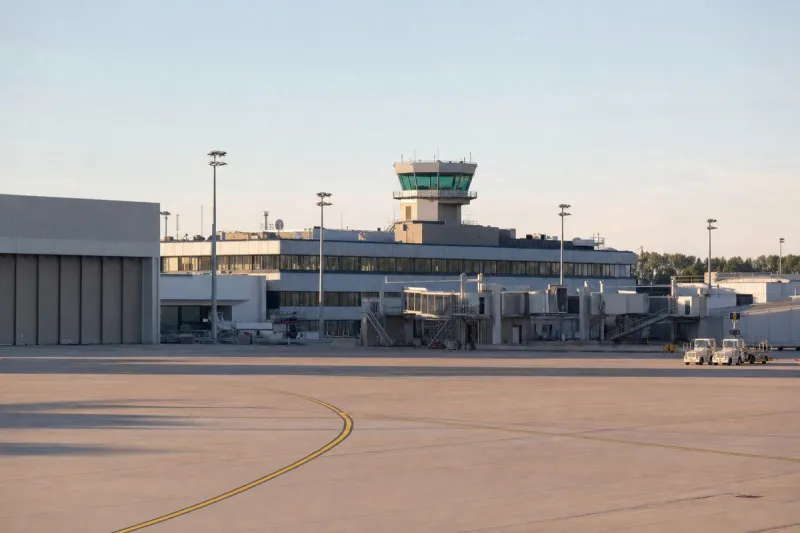
Astana Airport Posts 6.9 Billion Tenge Loss in 2025, Cancels 1,100 Flights in First Half of 2026
Why It MattersAn airport's passenger and cargo growth can mask a widening structural deficit when fuel costs, infrastructure repairs and route disruptions strain aeronautical margins simultaneously.
What happened
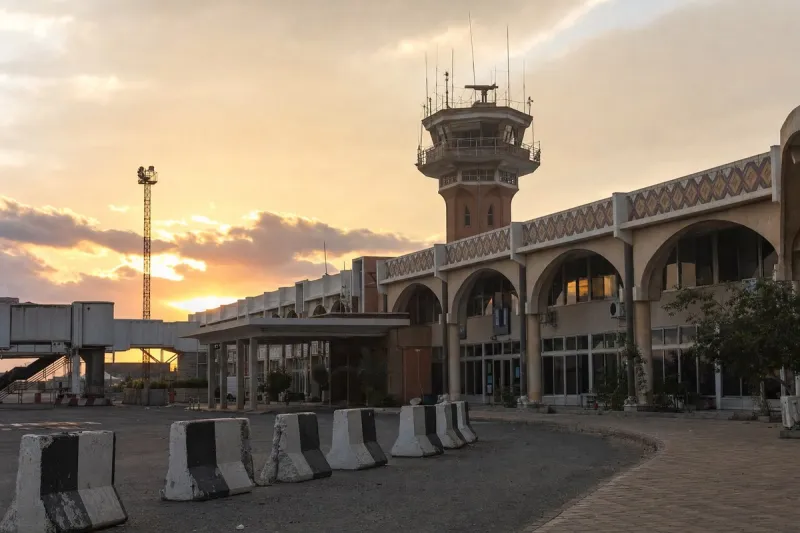
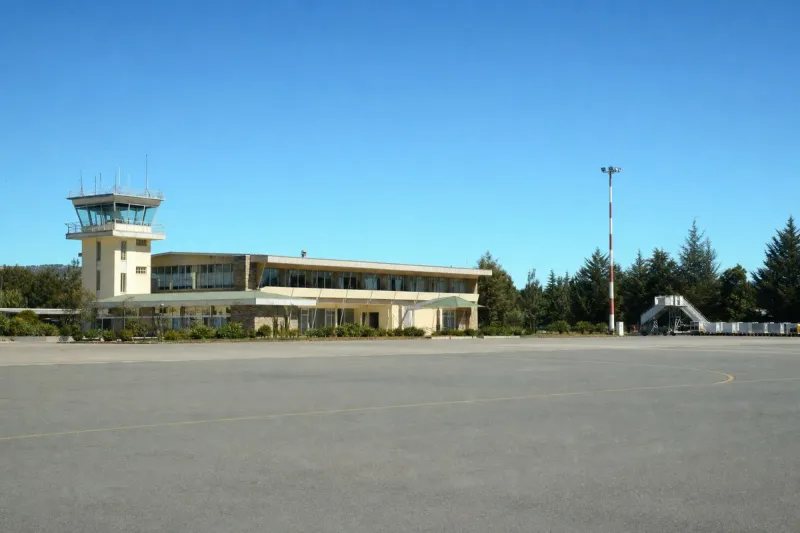
Nursultan Nazarbayev International Airport in Astana recorded a net loss of 6.9 billion tenge in 2025, with accumulated uncovered losses reaching 36 billion tenge by year-end. The airport reported total comprehensive income of 4 billion tenge for the year.
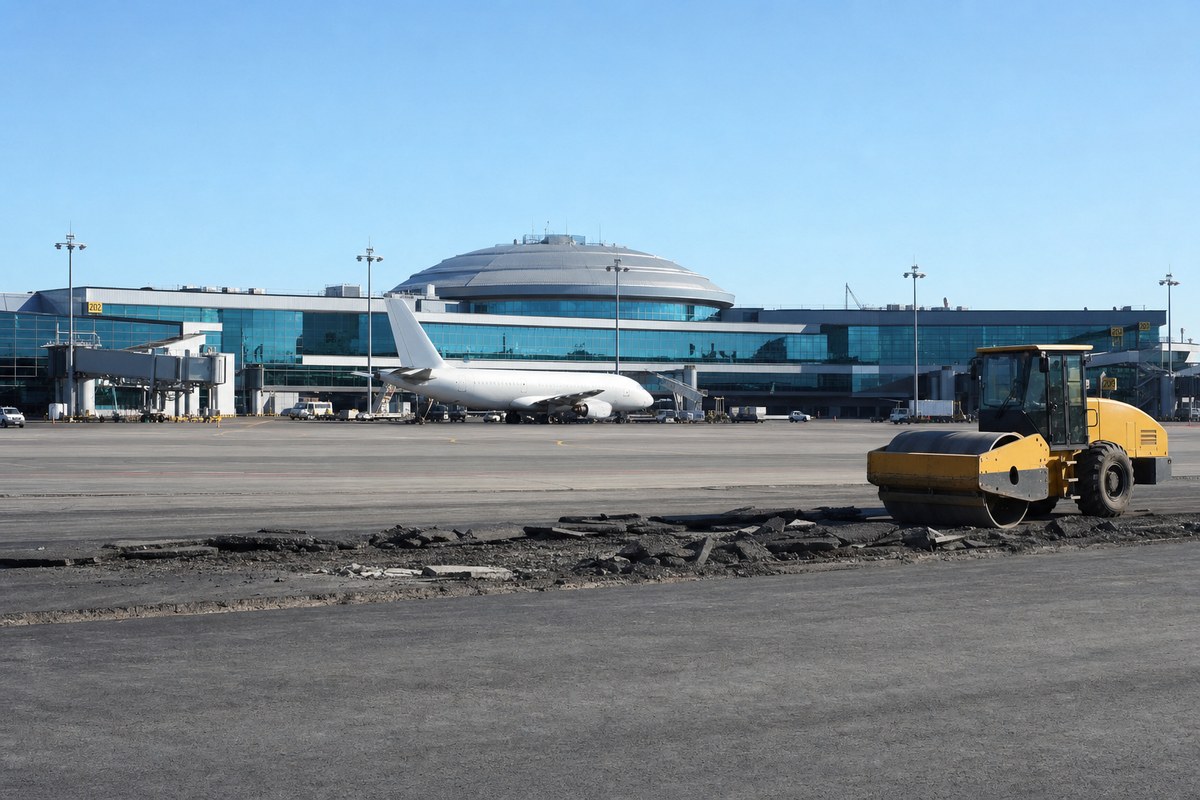
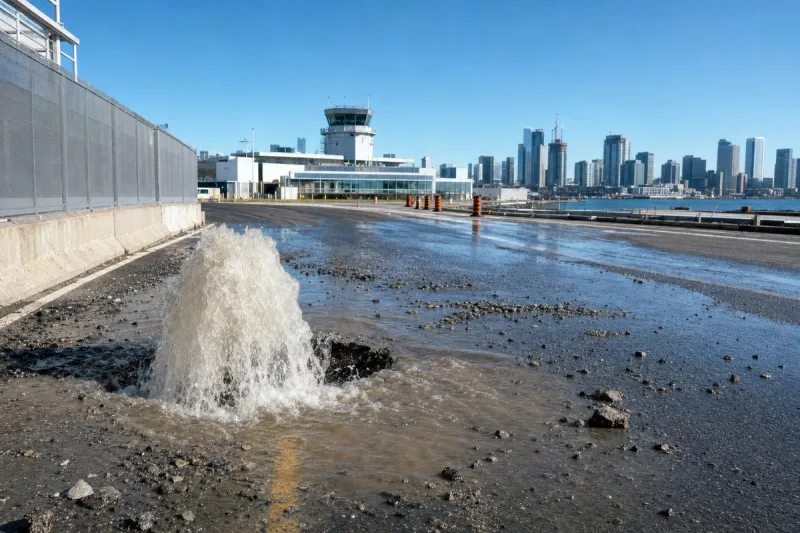
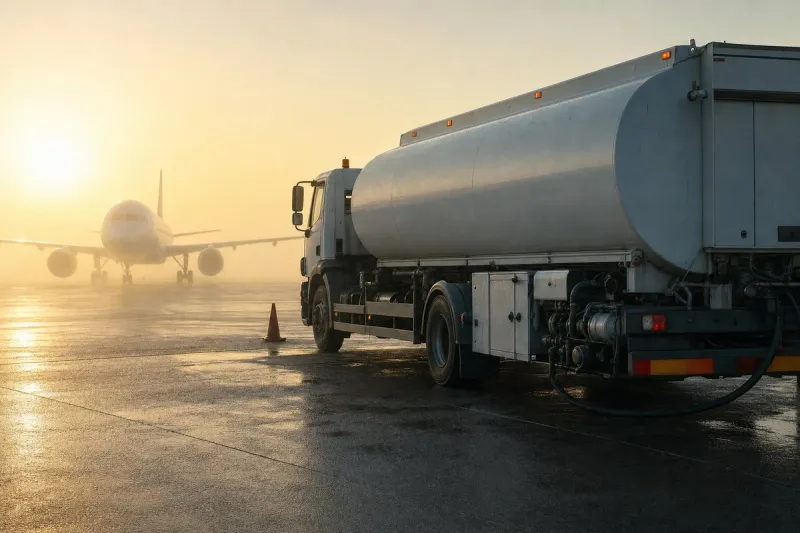
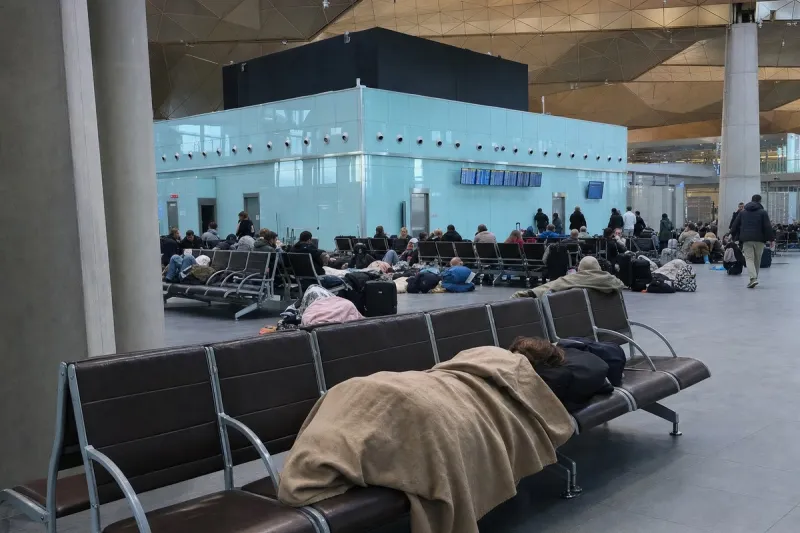
In the first half of 2026, the airport's performance was affected by runway repairs that restricted daytime operations, rising aviation fuel prices, and the cancellation of approximately 1,100 international flights linked to instability in the Middle East. Air Astana separately extended the suspension of flights from Almaty and Astana to Dubai until September 30, 2026, citing continued instability in the Persian Gulf region.
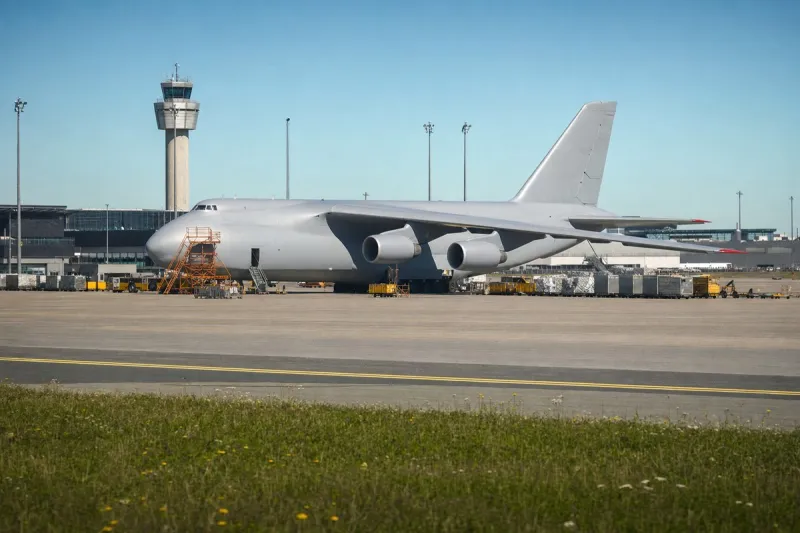
Between January and July 2026, the airport handled 5.4 million passengers, up 1.3% from 5.3 million in the same period of 2025. Domestic flights totaled more than 25,000 over the seven months, compared with 24,000 a year earlier, while international flights rose from 12,000 to 12,400. Cargo traffic grew more than 20%, with the airport handling 8,900 tons of cargo and mail versus 7,400 tons in the prior-year period. Non-aeronautical revenue increased 24% to 7.2 billion tenge in the first half of 2026, up from 5.8 billion tenge.
The airport is implementing an anti-crisis program that includes revising tariff policy, reducing service costs, streamlining operations and financial management, and expanding its route network in cooperation with airlines. The Astana city government (akimat), the airport's shareholder, and airport management plan to continue the program through year-end, with the goal of bringing operations to break-even.
Industry impact & what to watch
This case illustrates a pattern familiar to regional gateway airports exposed to a single volatile corridor: traffic volumes can keep climbing even as the bottom line deteriorates, because passenger and cargo growth sit on the aeronautical and non-aeronautical revenue side while fuel costs, infrastructure downtime and geopolitically driven route suspensions hit margins directly. An airport can post growing passenger counts, rising cargo tonnage and double-digit non-aeronautical revenue gains in the same period that it accumulates tens of billions of tenge in uncovered losses, because none of those growth metrics offset a runway closure that limits daytime slots or a swath of canceled international routes tied to regional instability.
For a shareholder-owned airport, this dynamic puts pressure on the tariff and cost-side levers rather than the traffic side, since the akimat and management are turning to tariff policy revisions, cost reduction and route-network expansion instead of relying on passenger growth to close the gap. Whether the anti-crisis program restores break-even will depend on how the Dubai suspension resolves after September 30, 2026, whether the runway repairs finish on schedule, and how the tariff revisions land with the airlines the airport is trying to keep flying through Astana.