NASA SpEED Demon Rocket Makes First Simultaneous Five-Point Measurement of Ionospheric Sporadic E Layer
Why It MattersBetter understanding of sporadic E layers could eventually improve prediction of radio, radar and GPS signal disruptions affecting maritime and aviation navigation worldwide.
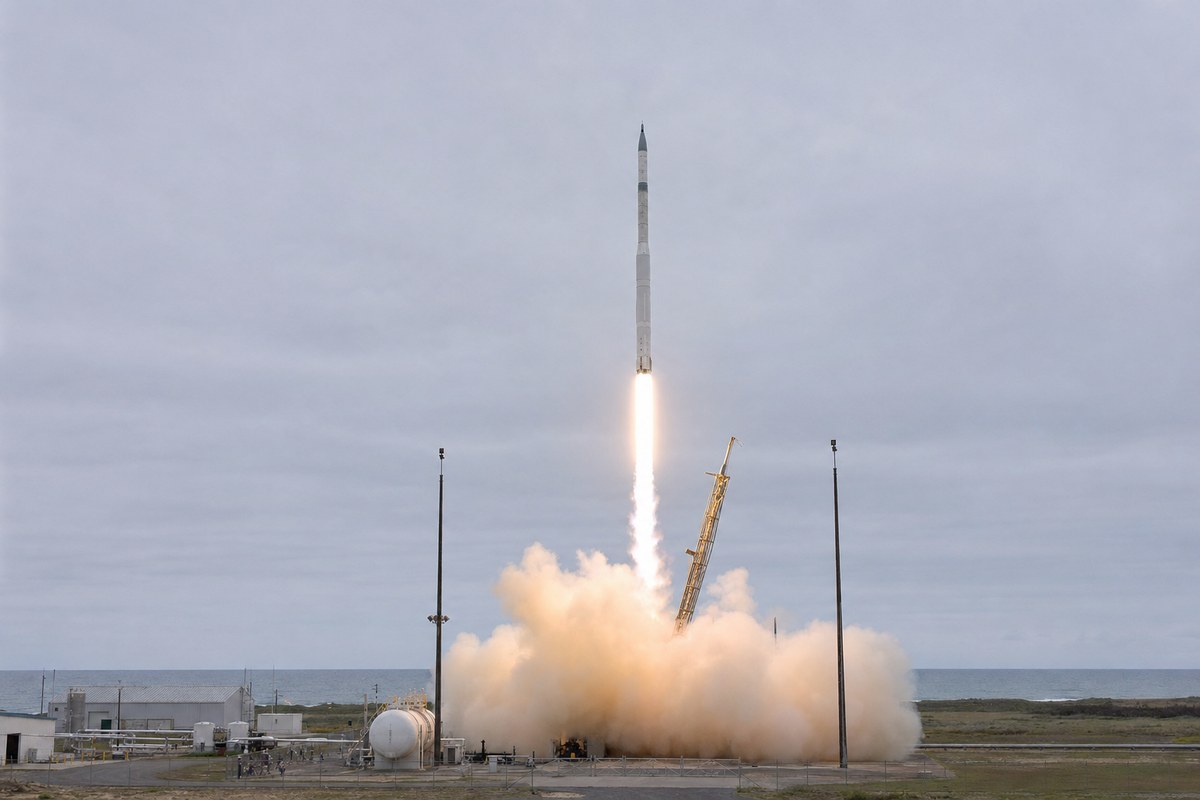
NASA's Sporadic E Electrodynamics Demonstration rocket, known as SpEED Demon, launched from Wallops Flight Facility in Virginia on August 24, 2022, making the first-ever simultaneous five-point measurement of an ionospheric sporadic E layer. The rocket released four small probes while its main payload remained active, letting all five instruments measure different parts of the same layer at the same time.
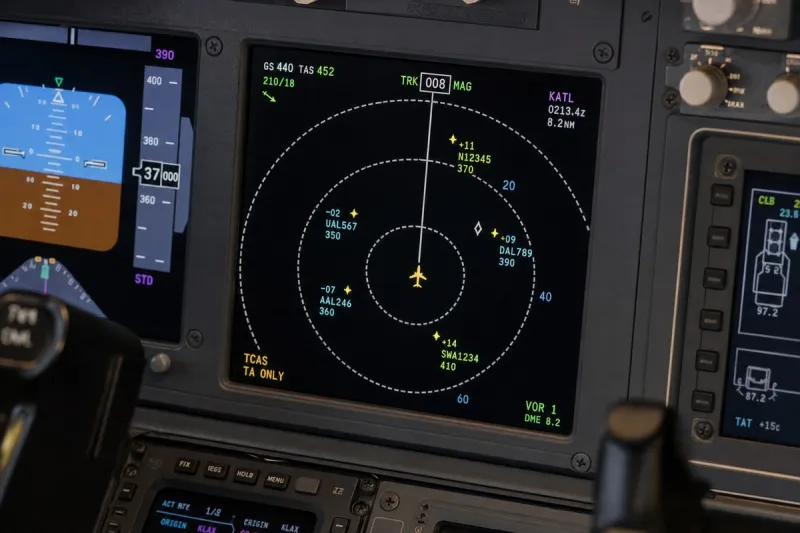
Sporadic E layers form in the ionosphere about 100 kilometers above Earth, containing ionized metals such as iron and magnesium deposited when meteors burn up in the atmosphere. These metallic layers can reflect radio waves back toward the ground, causing air traffic controllers and marine radio operators to receive transmissions from far beyond normal range, while radar systems may display false targets and GPS accuracy can degrade as satellite signals pass through the ionosphere.
The measurements showed the layer was more complex than a smooth, flat sheet, containing uneven structures apparently shaped by atmospheric turbulence and winds. During the rocket's descent, researchers detected two separate density peaks consistent with Kelvin-Helmholtz billows, curling atmospheric instabilities resembling breaking ocean waves; because the mission did not directly measure local winds and electric fields, this explanation remains plausible rather than confirmed.
The findings were published in the Journal of Geophysical Research: Space Physics and announced by NASA on September 2, 2026. NASA noted sporadic E layers occur most frequently in local summer and are a naturally occurring atmospheric effect distinct from deliberate GPS jamming or spoofing, and said the multi-probe approach offers a new method for investigating these layers that could eventually improve understanding of when and where sporadic E forms and how it affects radio, radar, and navigation signals.