Cathay Pacific Extends Dubai and Riyadh Suspension to Nov. 30 as Multiple Airlines Delay Gulf Returns
Why It MattersRepeated rolling extensions across carriers show that airlines are increasingly pricing prolonged airspace uncertainty into published schedules rather than treating Gulf disruption as a short-term event.
What happened
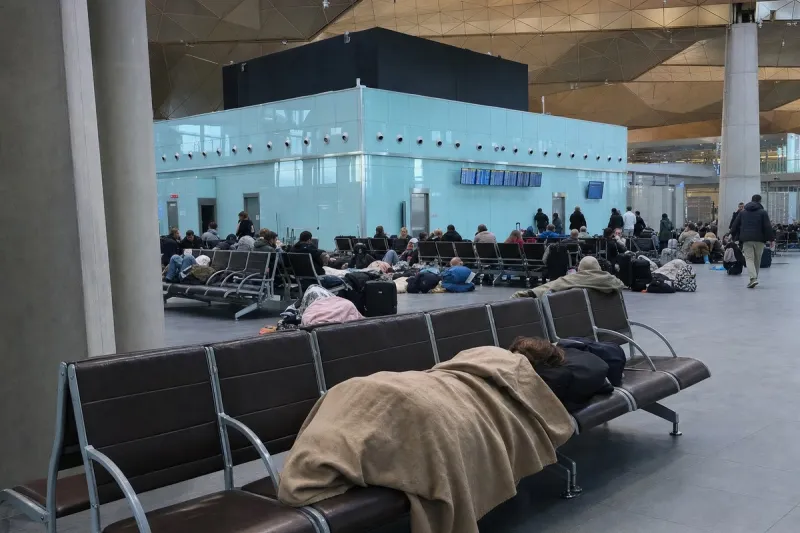
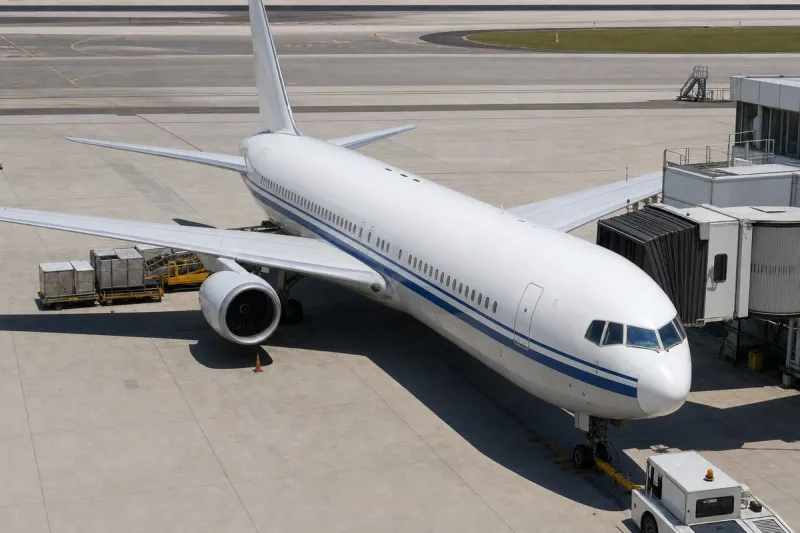
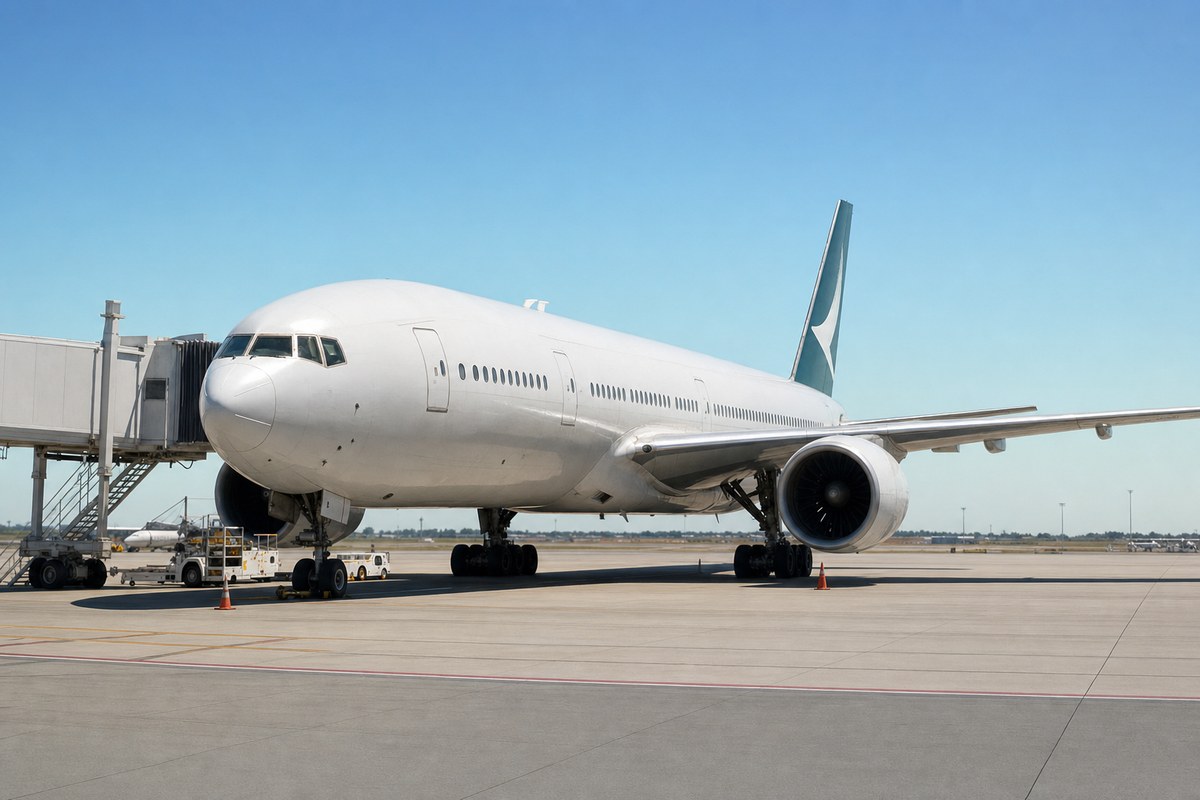
Cathay Pacific has extended its suspension of passenger flights to Dubai and Riyadh through November 30, 2026, citing the "latest developments" in the Middle East. The Hong Kong flag carrier announced the extension on Friday and is offering affected travelers the option to rebook, reroute, or request refunds.
The extension follows a U.S. strike on Iran's Larak Island earlier this week, which ended a month-long lull in hostilities and prompted airlines to keep adjusting Middle East schedules amid persistent airspace restrictions and operational uncertainty.
Several other carriers have also delayed their Gulf returns. Virgin Atlantic has pushed back its Dubai restart until October 2027. Air Canada has moved its Tel Aviv and Dubai resumption to mid-January 2027. Finnair has delayed Dubai and Doha services until March 27, 2027. KLM has deferred flights to Riyadh, Dammam, and Dubai until October 24. Wizz Air has postponed Dubai and Abu Dhabi services until October 24. Singapore Airlines has moved its Dubai restart to October 24, while Scoot has canceled Singapore–Jeddah flights through September 12.
Among carriers still operating in the region, Turkish Airlines resumed flights to Abu Dhabi, Dubai, Damascus, Beirut, and Amman after suspending services for approximately three months, restarting Dubai service on June 9 and Abu Dhabi flights on July 1, before later restoring routes to Dammam, Kuwait, and Bahrain. Qatar Airways resumed daily flights to Dubai and Sharjah on April 23 and to Damascus on May 1, later adding Abu Dhabi and increasing Dubai service to as many as five daily flights. Emirates and Etihad Airways continue operating selected services. The European Union Aviation Safety Agency (EASA) has extended its Gulf airspace warning through September 30, covering waters in the Persian Gulf and parts of the Gulf of Oman, and continues to advise airlines against operating in the airspace of Iran, Iraq, and Lebanon through the end of September, with flights to and from Beirut permitted under specific conditions when routes approach from or depart over the sea.
A widening spread of restart dates
The dates carriers have chosen span more than a year, from KLM's and Wizz Air's October 24 targets to Virgin Atlantic's October 2027 restart and Finnair's March 2027 return. That spread shows airlines are not converging on a single read of when Gulf airspace risk will ease; each is setting its own threshold based on its own network exposure and risk tolerance.
Meanwhile Turkish Airlines and Qatar Airways have already resumed and expanded service to some of the same airports other carriers are still avoiding, including Dubai, Abu Dhabi, and Damascus. That divergence between carriers flying and carriers waiting, into the same cities, is itself part of the story.
Industry impact & what to watch
This is part of a broader pattern of airlines repeatedly pushing back Gulf restart dates rather than committing to a fixed reopening, each extension timed to the latest security development rather than to a fixed recovery calendar. Cathay's move to November 30 is one data point in a field where restart dates now range from late October to October 2027, depending on the carrier's home market, fleet routing options, and exposure to the affected corridors.
How this segment operates is visible in the split between carriers still absent and carriers already back: Turkish Airlines and Qatar Airways resumed and expanded Dubai, Abu Dhabi, and Damascus service months ago, while Cathay Pacific, Virgin Atlantic, Air Canada, Finnair, KLM, Wizz Air, and Singapore Airlines remain on hold or have pushed dates further out. Regulatory guidance such as EASA's airspace warning, currently extended through September 30 for the Persian Gulf, Gulf of Oman, Iran, Iraq, and Lebanon, sets a floor under these commercial decisions but does not force uniform timing across carriers.
The next dated checkpoints to watch are EASA's September 30 warning expiry and the string of October 24 restart targets set by KLM, Wizz Air, and Singapore Airlines; whether those dates hold or slip again will show whether the current lull following the Larak Island strike proves durable enough for the airlines still waiting to commit to firm return dates.