Senator Hoeven Champions Drone Integration, ATC Modernization, Pilot Mental Health, and Veteran Training
Why It MattersLegislative attention to controller staffing, rural airport infrastructure and pilot mental health signals broader federal pressure to modernize aviation workforce and safety systems nationwide.
U.S. Senator John Hoeven (R-ND), a member of the Senate Appropriations Committee and its Transportation Appropriations Subcommittee, has laid out aviation policy priorities spanning drone integration, air traffic control modernization, workforce development, small airport funding, and pilot mental health.
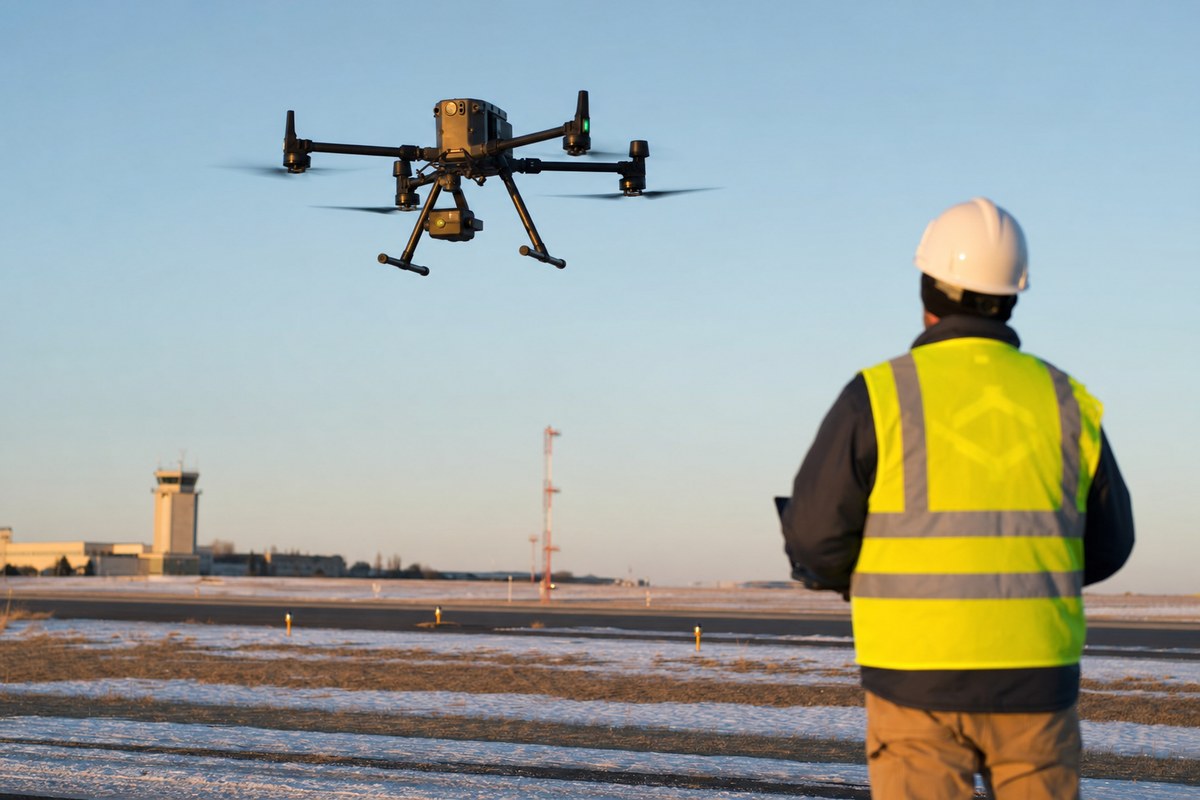
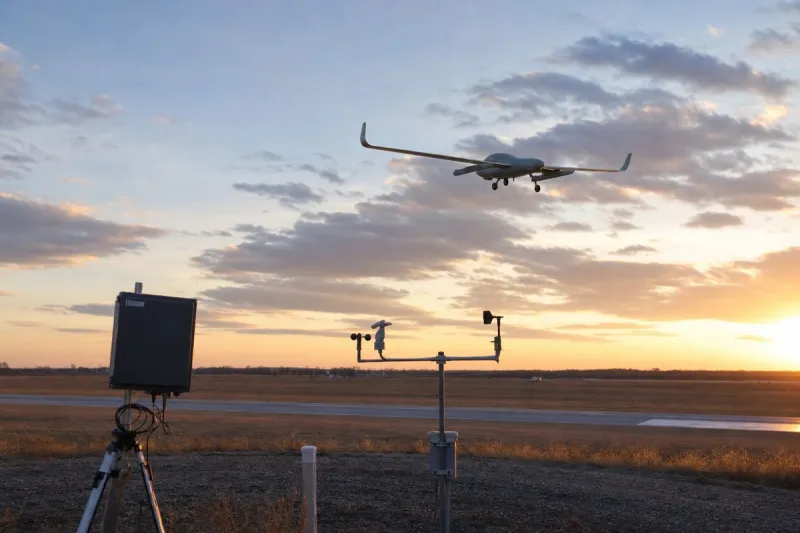
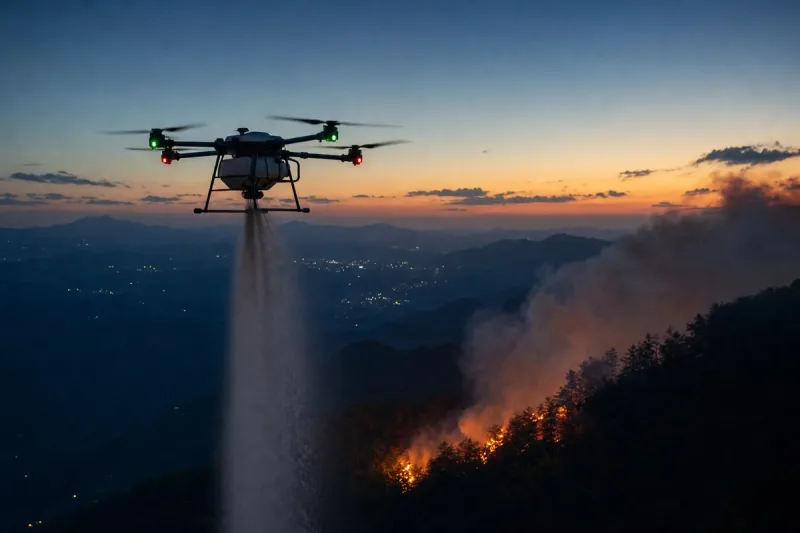
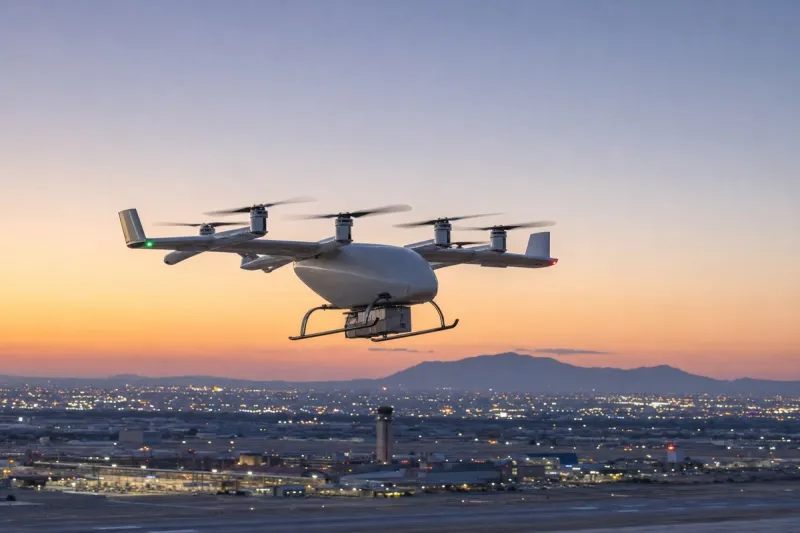
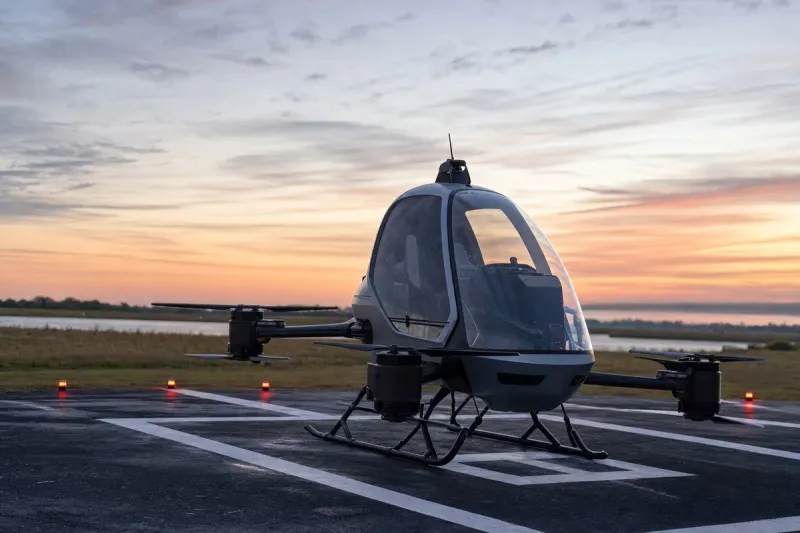
On unmanned aircraft systems, Hoeven noted that North Dakota's UAS test site was the first in the nation to receive FAA authorization for beyond visual line of sight operations, and pointed to agriculture and energy as areas where normalizing BVLOS flight could bring economic benefits, while flagging airspace awareness and distinguishing legitimate from threatening UAS traffic as the main challenges.
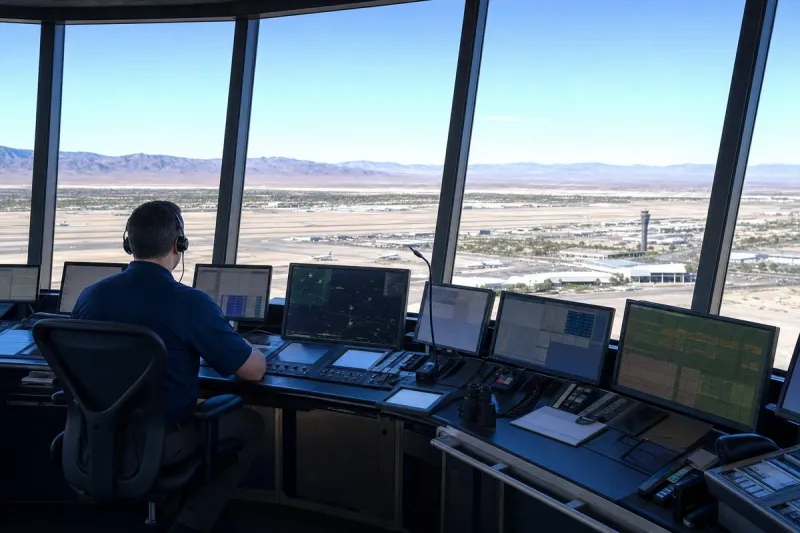
To address projected pilot and maintenance technician shortfalls, Hoeven highlighted the Vets2Wings program at the University of North Dakota, launched in October 2022 to help veterans cover flight training costs not typically funded by the GI Bill, and said he introduced the American Aviator Act to expand federal support for it. On air traffic control, he cited accidents at Reagan Washington National and LaGuardia airports as underscoring the need to modernize the ATC system, referencing Senate Bill 697, which would expand the FAA's Enhanced-Collegiate Training Initiative to grow the controller workforce pipeline.
Hoeven also announced a $2.42 million FAA grant to expand firefighting facilities at Dickinson Theodore Roosevelt Regional Airport, and called for continued Airport Improvement Program funding for small and rural airport upgrades. On mental health, he is the lead Senate sponsor of the Mental Health in Aviation Act (S. 3257), introduced after the death of UND aviation student John Hauser, which builds on FAA rulemaking committee recommendations to let pilots and controllers seek mental health care without fear of professional repercussions; its House counterparts are Representatives Sean Casten and Pete Stauber.