BETA Technologies Pursues Incremental Certification Path for Electric CTOL and VTOL Aircraft
Why It MattersSequencing a fixed-wing certification ahead of the harder VTOL variant lets an electric aircraft maker bank Part 23 experience with the FAA before tackling powered-lift rules.
What happened
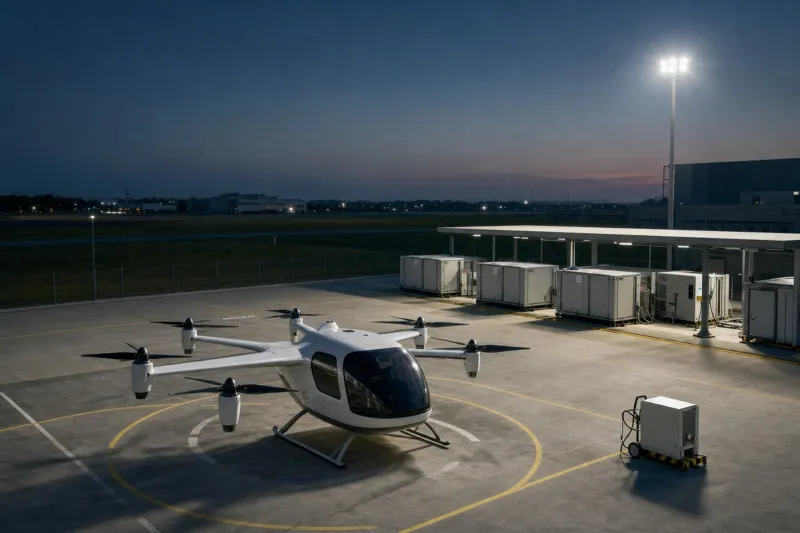
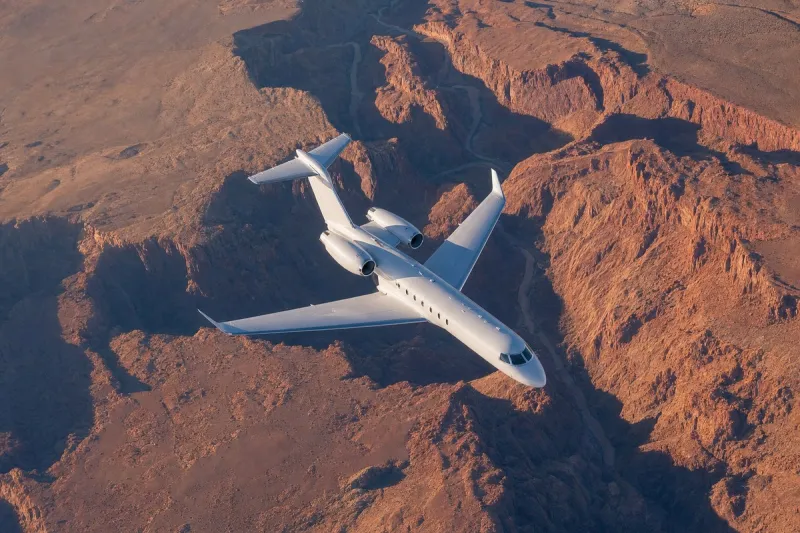
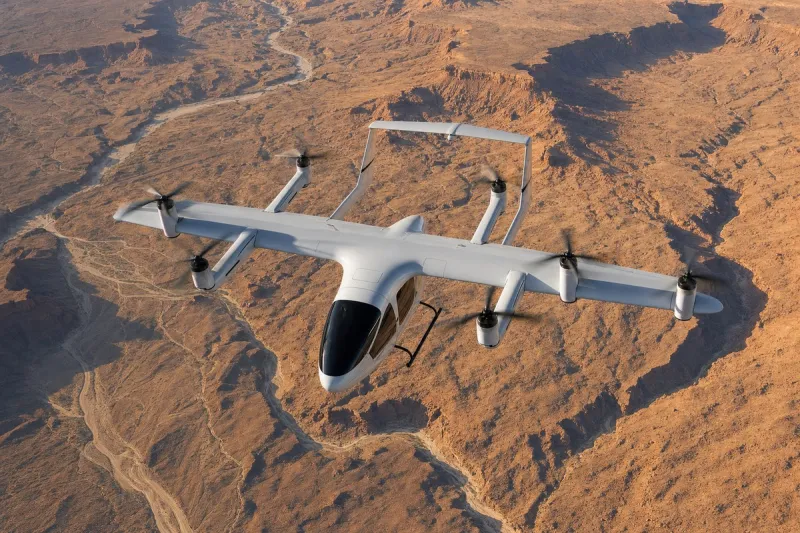
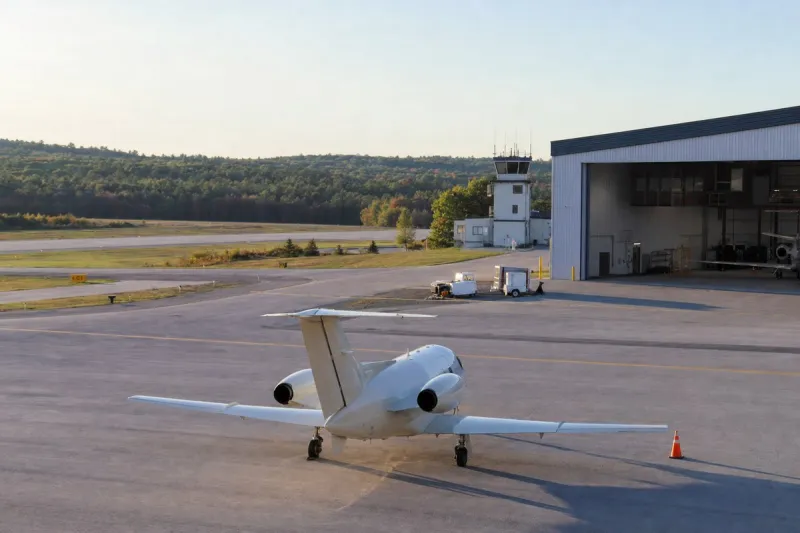
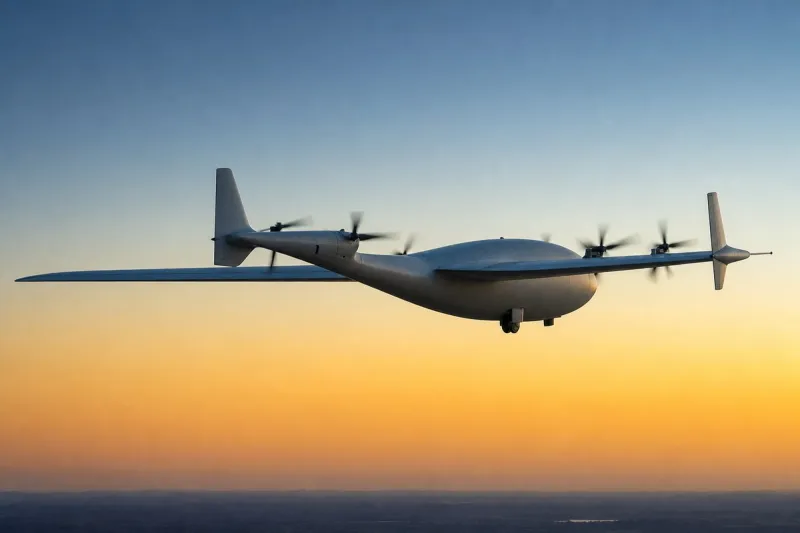
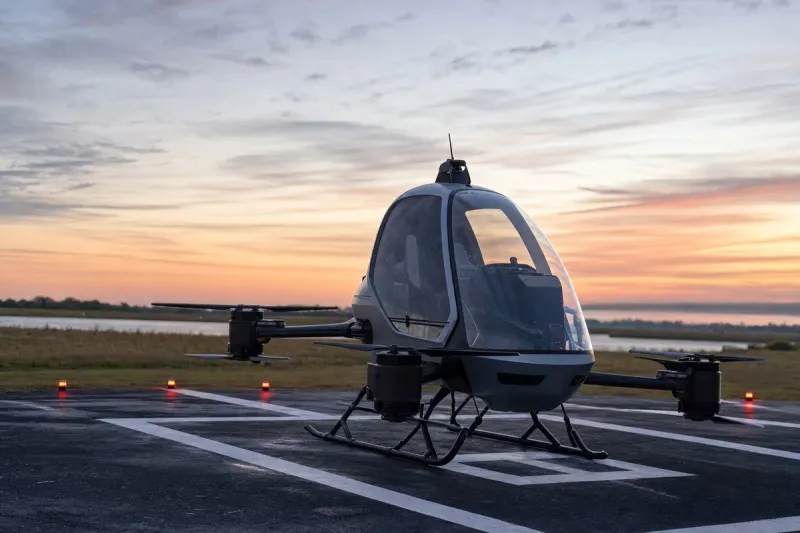
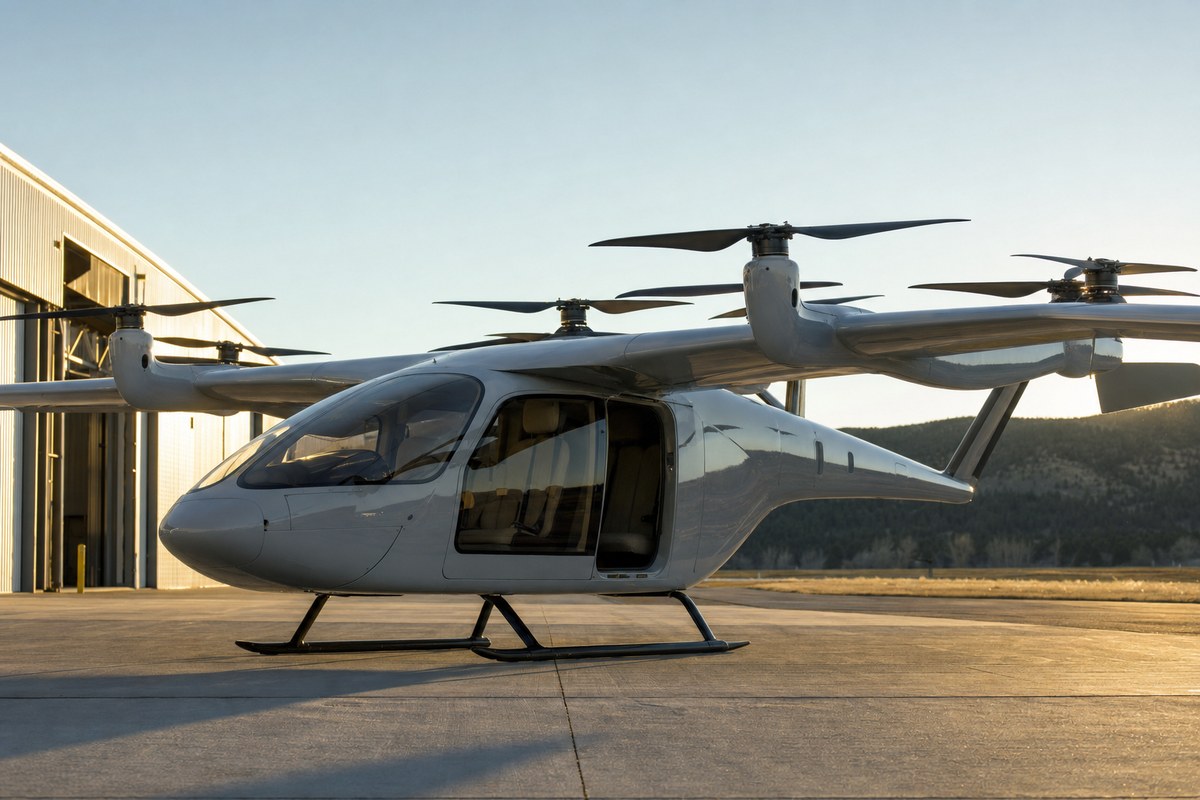
Vermont-based BETA Technologies is building a vertically integrated electric aviation business covering aircraft, electric motors, batteries, flight-control systems, charging infrastructure, and pilot training. Its ALIA platform has two configurations: an ALIA CTOL (conventional takeoff and landing) aircraft that carries a pilot and up to five passengers or cargo with a demonstrated range of 336 nautical miles, and an ALIA VTOL built for operations without a traditional runway. BETA is targeting FAA Part 23 certification for the ALIA CTOL by the end of 2026 or early 2027, with ALIA VTOL certification targeted for late 2027 or early 2028, and the company began working with the FAA in 2020.
BETA reports a backlog of more than 800 aircraft. In March 2026, Surf Air Mobility placed a firm order for 25 ALIA CTOL aircraft with options for up to 75 more. Partners and customers named include UPS, United Therapeutics, Air New Zealand, Bristow, Metro Aviation, and the New Zealand Air Ambulance Service. In July 2026, the FAA said BETA and United Therapeutics, working with the Pennsylvania Department of Transportation, had conducted electric aircraft flights transporting medical organs between Virginia and Maryland under the FAA's eVTOL Integration Pilot Program (eIPP).
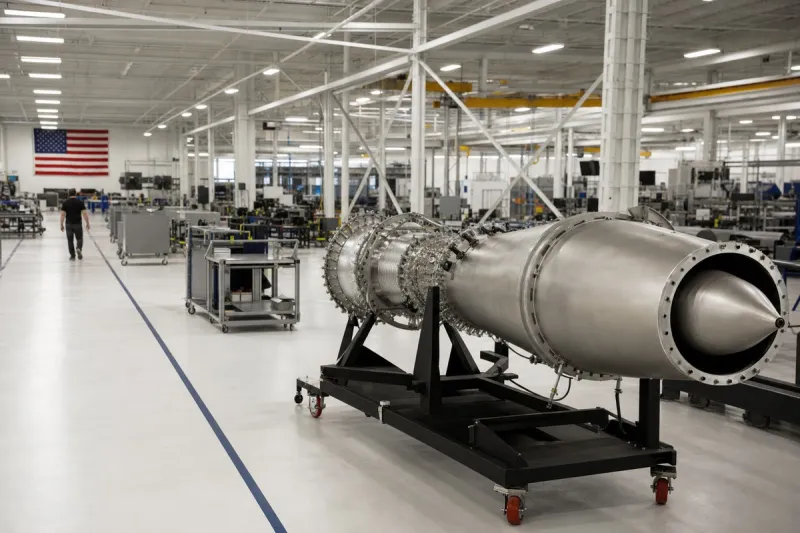
BETA's charging network currently includes 138 sites, with plans to expand to as many as 250 sites through America's Consortium for Electric Skyways (ACES), targeting states including California, Texas, Florida, and New York. The company says more than 50 million Americans live within 50 miles of a BETA charging site and more than 30 percent of the U.S. population lives within 100 miles. BETA claims a 74 percent reduction in total operating costs for the ALIA VTOL compared with traditional helicopters, and a 42 percent reduction for the ALIA CTOL compared with traditional aircraft, based on the company's own internal data. The company operates a 188,000-square-foot net-zero manufacturing facility and reports more than 30 trained company pilots.
Certification sequencing and infrastructure
BETA's timeline puts ALIA CTOL certification roughly a year ahead of ALIA VTOL, separating a conventional-takeoff design from the powered-lift configuration that faces a distinct rulemaking path. Six years of engagement with the FAA, starting in 2020, underpins both target dates.
The charging buildout runs alongside certification rather than after it: 138 sites already operating, with an ACES-backed expansion path to 250 sites across states including California, Texas, Florida, and New York. BETA frames this network by population coverage — more than 50 million Americans within 50 miles of a site, and over 30 percent of the population within 100 miles — tying infrastructure reach directly to where aircraft could eventually fly revenue routes.
Industry impact & what to watch
Splitting certification into a CTOL track and a later VTOL track is a hedging strategy common to electric-aircraft programs facing new FAA categories: a fixed-wing design under the established Part 23 framework can reach the market and generate revenue while the harder powered-lift approval is still being worked out. The 800-aircraft backlog and the Surf Air Mobility order for 25 firm ALIA CTOL units, with options for up to 75 more, show buyers willing to commit ahead of certification, which is typical when an OEM already has flight-test data and a working relationship with the regulator.
How this segment actually functions depends on three things moving together: the certification date holding, the charging network reaching the aircraft's operating routes, and cost claims like the 74 percent and 42 percent operating-cost reductions surviving contact with real commercial use rather than internal projections. The organ-transport flights conducted with United Therapeutics under the FAA's eIPP are the kind of demonstration program regulators use to build confidence in new aircraft categories before broader approval.
The next dated marker is whether ALIA CTOL certification actually lands by the end of 2026 or slips into early 2027, since that date anchors the later VTOL target as well as delivery timing for Surf Air Mobility and other backlog customers.