NASA's X-59 Quiet Supersonic Aircraft Completes 25th Test Flight, Advances Toward Acoustic Validation Phase
Why It MattersSustained flight-test success moves NASA closer to acoustic data that could shape future international noise standards for overland commercial supersonic travel.
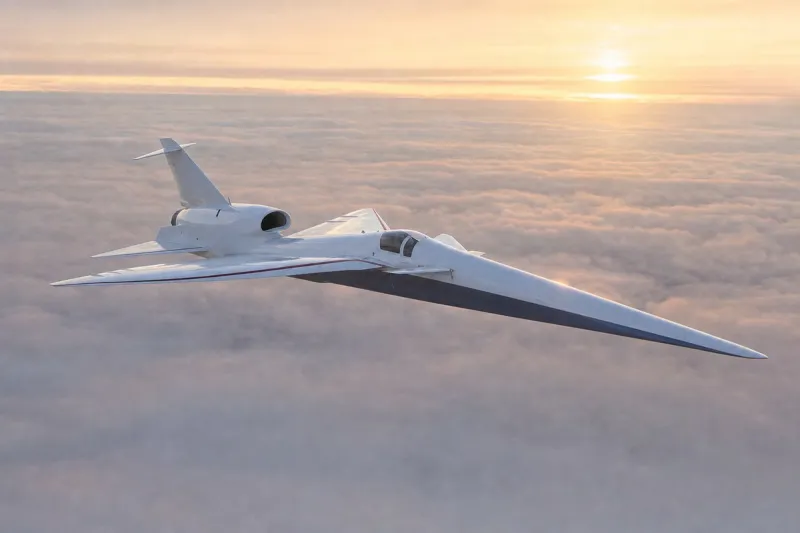
NASA's X-59 quiet supersonic research aircraft has completed its 25th test flight, continuing a run of performance milestones that puts the program on track for a new acoustic validation phase later this year. The flight took place on August 21, 2026, from NASA's Armstrong Flight Research Center in Edwards, California, lasting 72 minutes and reaching Mach 1.2 and approximately 49,000 feet, with a chase plane accompanying the aircraft whose own sonic booms masked any noise from the X-59.
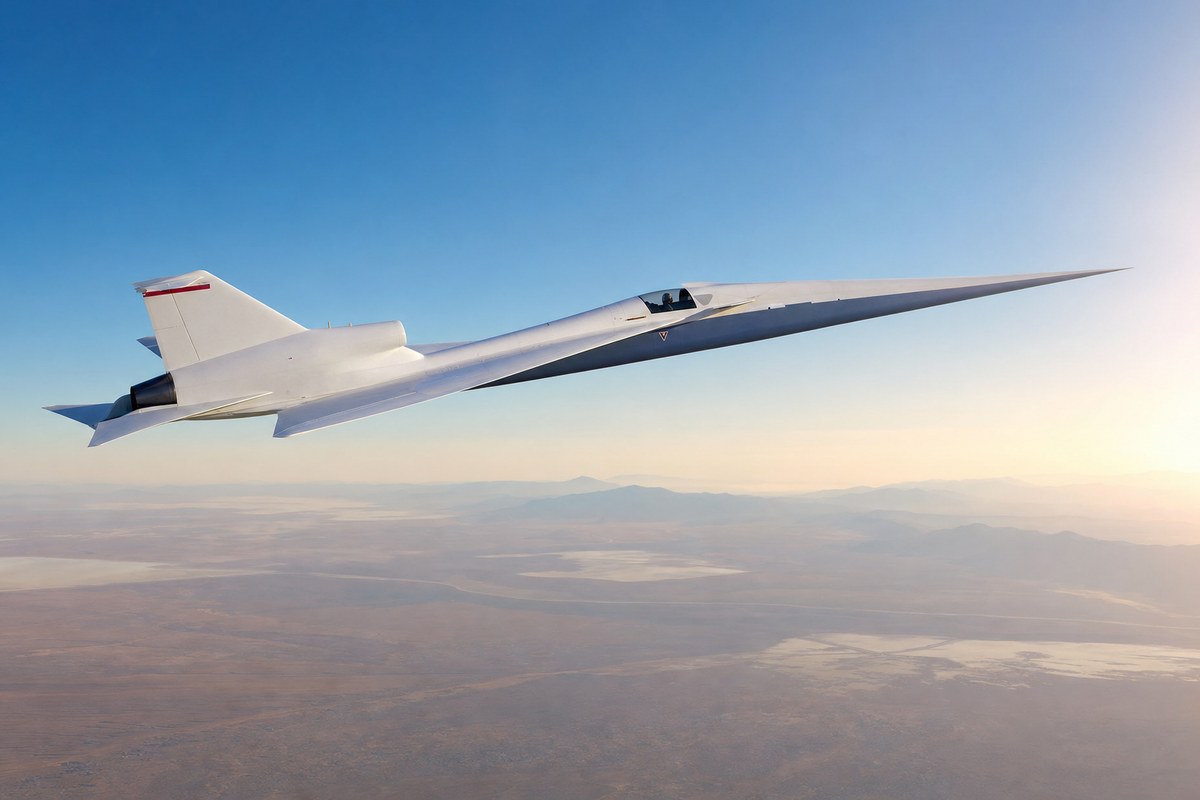
The aircraft had previously reached its target cruise speed of Mach 1.4 (924 mph) and altitude of 55,000 feet earlier in its test schedule, with flight data consistently matching computer-model predictions on controllability, stability margin, and flight loads, and no unexpected instability or excessive vibration recorded. Cathy Bahm, project manager for NASA's Low Boom Flight Demonstrator project, said each test point has validated the models and predictions and strengthened confidence in the aircraft's performance.
The X-59's single GE-F414 engine and top-mounted inlet have performed as expected across maneuvers, and a real-time digital twin tool comparing live flight data against simulated predictions has shown close agreement throughout testing; engineers also addressed control software adjustments and a nuisance-alert misclassification issue. The upcoming acoustic validation phase will deploy ground- and air-based tools to measure the X-59's supersonic sonic thumps, which Larry Cliatt, acoustic validation technical lead for NASA's Quesst mission, called the phase the program has been working toward. Following acoustic validation, NASA plans to survey public reactions to the aircraft's quieter sonic thumps over communities and share that data with national and international regulators to inform new noise thresholds for commercial supersonic flight over land.