NFL Teams Rely on Chartered Flights for Road Games; Patriots Own Two Boeing 767s
Why It MattersSports charter demand is shaped by travel-party size, equipment loads and now international fixtures, pushing carriers to offer widebody and lie-flat configurations rather than standard passenger service.
What happened
Almost every NFL team charters aircraft for road games rather than owning dedicated planes. The New England Patriots stand as the exception: owner Robert Kraft bought two Boeing 767-300ER jets in 2017, which became known as "AirKraft" and carry a Patriots-themed exterior with the team's Super Bowl trophies painted on the tail. The aircraft fly primarily for road games and have also been used on humanitarian and goodwill missions.
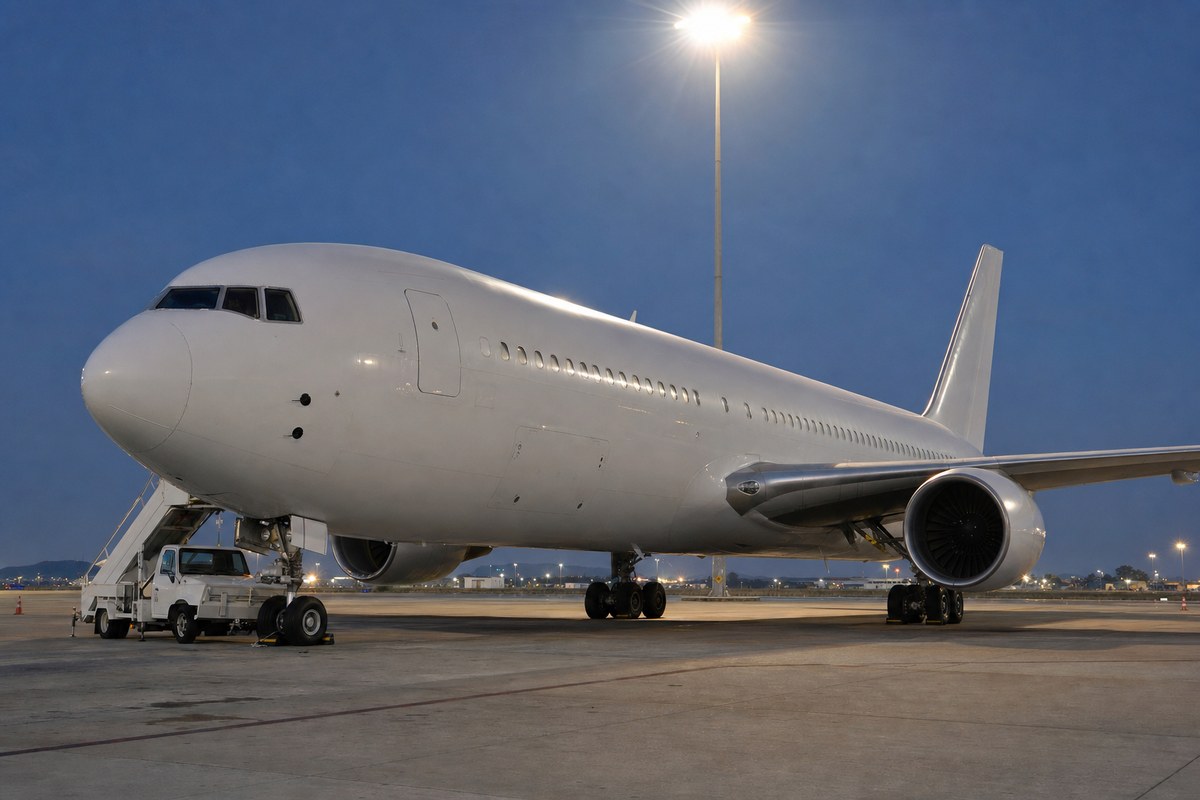
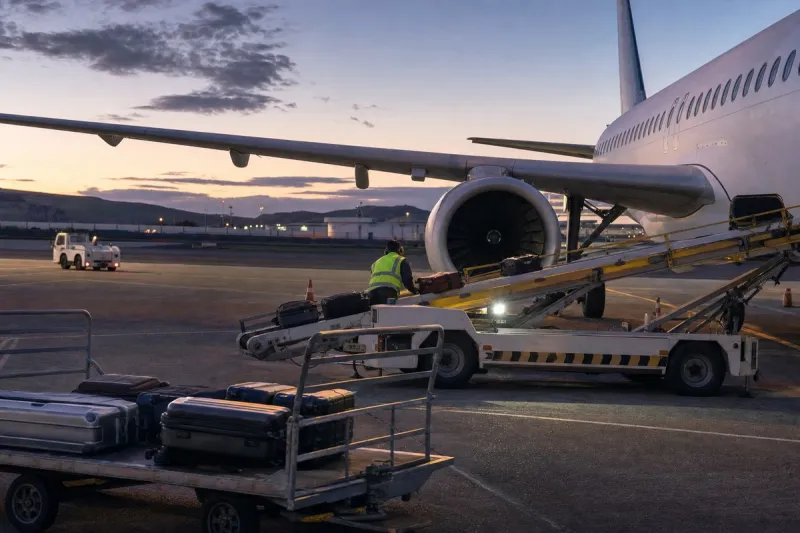
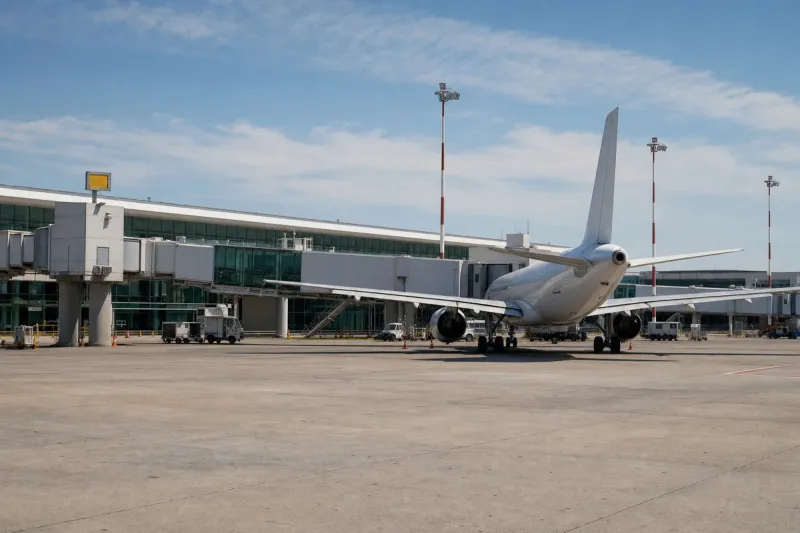
A typical NFL travel party numbers between 150 and 185 people or more, spanning players, coaches, athletic trainers, medical personnel, equipment staff, video and technology crews, security, operations staff, public relations personnel, team executives, and broadcast staff. Helmets, pads, uniforms, medical supplies, and communications gear must also travel to each venue. The Jacksonville Jaguars have documented traveling with approximately 185 people, using aircraft large enough for the group and offering lie-flat seating for players and coaches on longer trips. Delta operates a dedicated charter division serving professional and collegiate sports teams.
For an NFL game in Melbourne, Australia, in September 2026, the San Francisco 49ers traveled on a chartered Qantas Airbus A380 to face the Los Angeles Rams, a journey of nearly 8,000 miles that required transporting approximately 59 tons of equipment. For a standard Sunday road game, most teams depart on Saturday, stay at a hotel near the game site, play Sunday, and return home afterward; Thursday games, Monday Night Football, and international fixtures require adjusted scheduling.
Industry impact & what to watch
This case illustrates how professional sports travel sits apart from standard business or leisure charter: the buyer is a fixed roster of 32 teams, the trip pattern is scheduled a season in advance, and the payload includes both people and heavy equipment rather than passengers alone. Charter operators serving this niche size aircraft around travel-party count and distance rather than around a single passenger cabin standard, which is why lie-flat seating appears on longer trips and why a widebody like the Qantas A380 was needed for the Melbourne game's near-8,000-mile distance and 59 tons of gear.
The Patriots' ownership of two 767-300ERs shows the alternative path: a team large enough and willing to carry fixed-asset costs can substitute owned aircraft for recurring charter spend, gaining schedule control and a branding platform in exchange. Most franchises instead treat charter access, through carriers such as Delta's dedicated sports division, as a variable cost tied to travel-party size and route length.
The league's growing international slate is the variable to watch: as more games move to venues like Melbourne, teams and their charter providers will need aircraft with the range and cargo capacity for transoceanic legs, plus recovery-schedule planning for jet lag, on a scale the domestic Saturday-to-Sunday routine does not require.