Industry Recruiters Share Tips for Landing a First Job in Business Aviation
Why It MattersAs screening moves online and volume grows, hiring in business aviation increasingly rewards candidates who network and tailor applications before decision-makers ever see a resume.
What happened
Industry recruiters speaking to NBAA outlined what it takes to land a first job in business aviation, describing a hiring process that has moved almost entirely online. Sheryl Barden, CAM, CEO of Aviation Personnel International, said the shift removed the direct access candidates once had to decision-makers: "From the job posting to the first Zoom interview, everything is done virtually," she said. "You just don't know when a human actually enters the process."

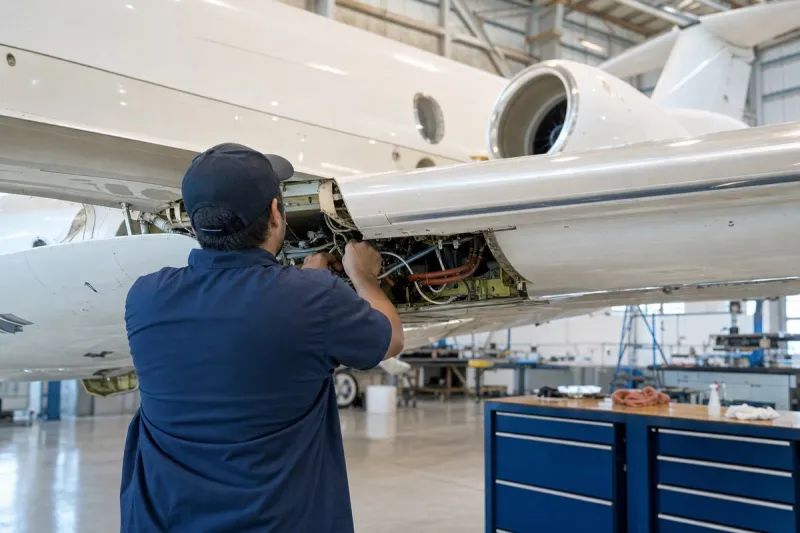
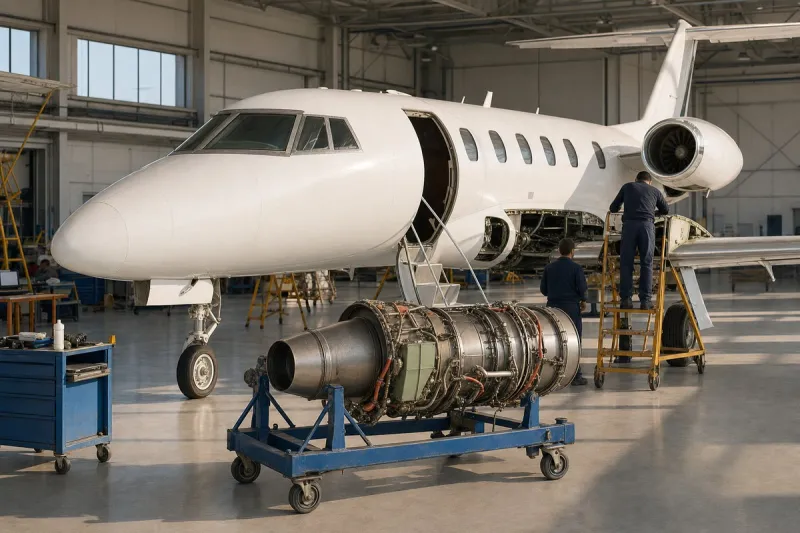
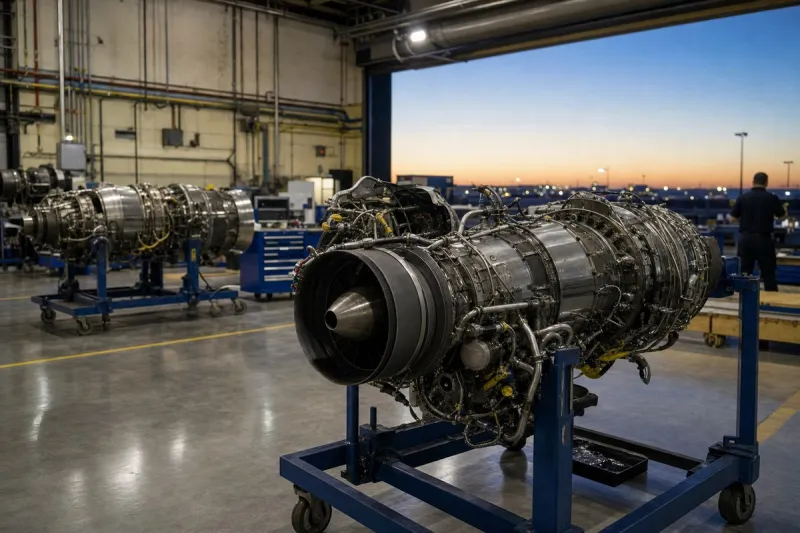
Duncan Aviation, a provider of maintenance, repair and overhaul (MRO) services for business aviation, receives more than 10,000 resumes per year and does not use AI screening, meaning its talent-acquisition team reviews applications manually. Drew Carman, the company's senior talent acquisition specialist, said vague applications hurt candidates: "We still get a lot of letters and resumes saying 'I'll do anything,' and that's not the way to be successful," urging applicants to research the company and state specifically why they want the role. Barden advised tailoring every resume and cover letter to the job description, repeating the posting's keywords and explaining how training and experience match those terms, and stressed complete honesty: "If you aren't honest, sooner or later it will catch up with you."
Katherine Gennarelli, a corporate recruiter at Duncan Aviation, and Carman both said job searching should begin before graduation, citing networks of fellow students, instructors, alumni and school placement staff as a critical early step. Barden recommended a student membership with NBAA and engagement with industry professionals at events and on LinkedIn, noting that referrals from such connections can be especially valuable for first-time job hunters. Gennarelli warned that hiring managers may search candidates online and that social media posts have led to decisions not to hire, while Carman said the interview effectively begins at application: "We look at how professionally and promptly they respond to phone or email messages; how they act towards our onboarding team and the people they interact with on site." Both Barden and Carman said dressing appropriately for interviews and sending a follow-up letter after a rejection can distinguish candidates and keep them top of mind for future openings.
Industry impact & what to watch
This account points to a broader shift in how technical labor markets fill entry-level roles: as postings and first-round interviews move online, the informal cues that once separated candidates — a firm handshake, an in-person introduction from an instructor — get replaced by written specificity and digital conduct. Recruiters reading resumes at volume, like Duncan Aviation's team processing thousands of applications a year without AI filtering, appear to reward candidates who mirror the posting's own language and demonstrate researched intent over generic enthusiasm.
The mechanics described here suggest business aviation hiring still runs substantially on referral and network effects even as the front door digitizes — school placement offices, alumni contacts and organizations like NBAA's student membership function as the human entry point Barden says is otherwise hard to locate. Professional conduct, from response times to social media presence, is treated as an extension of the interview rather than a separate concern.
What remains to be seen is whether more employers in the sector adopt AI screening tools that Duncan Aviation currently forgoes, which would change how directly a tailored, keyword-matched application translates into a human review.