SFO Runway Repaving and FAA Arrival Restrictions Drive Persistent Flight Delays Into Fall
Why It MattersThe case shows how airport capacity cuts ripple through schedules until airlines rebalance flight counts to match reduced runway throughput, prolonging delays even after restrictions ease.
What happened
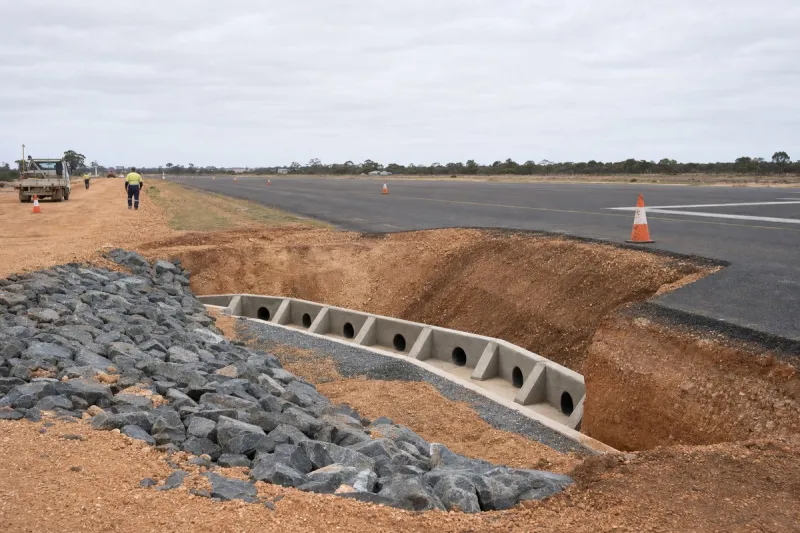
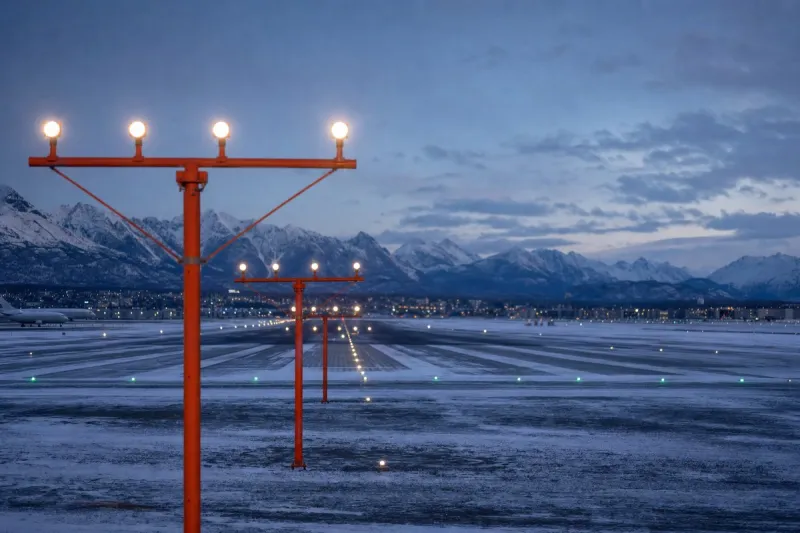
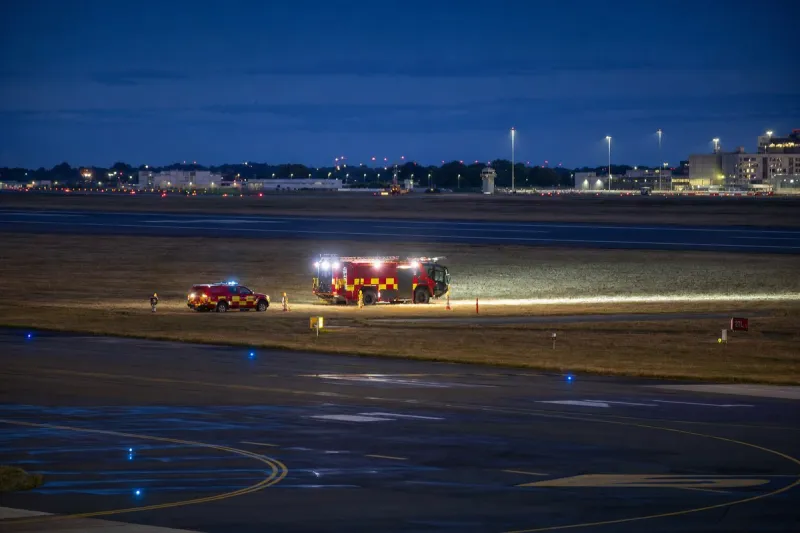
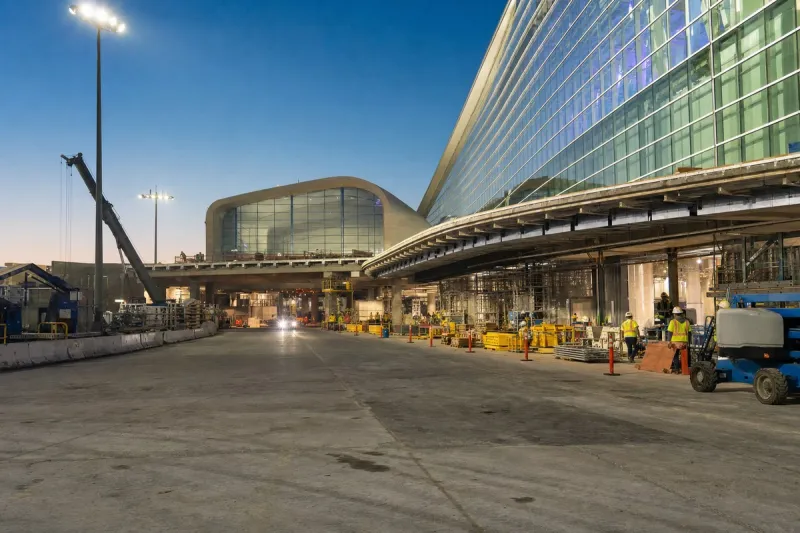
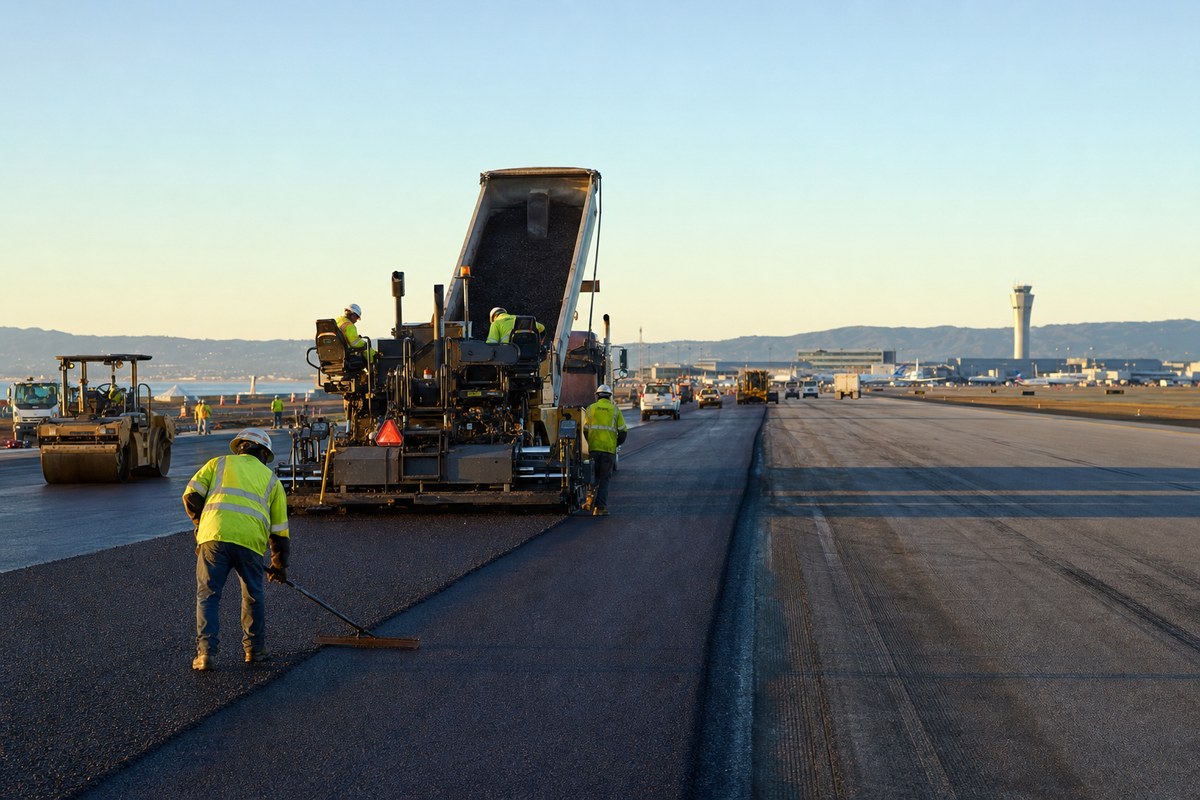
San Francisco International Airport (SFO) is experiencing ongoing flight delays stemming from two overlapping constraints: a runway repaving project and a federal order limiting arrival rates. Runway 1R has been closed for full resurfacing, including upgrades to lighting, markings, and adjacent taxiways, with nearly all arrivals and departures shifted to Runways 28 Left and 28 Right during the closure. That shift has reduced operational flexibility, particularly when wind or weather conditions limit crosswind runway use, and the runway is now expected to reopen in early October, slightly beyond the original six-month window. The repaving is part of a broader runway and taxiway reconstruction program planned for SFO in 2026, funded in part through national airport improvement grants.
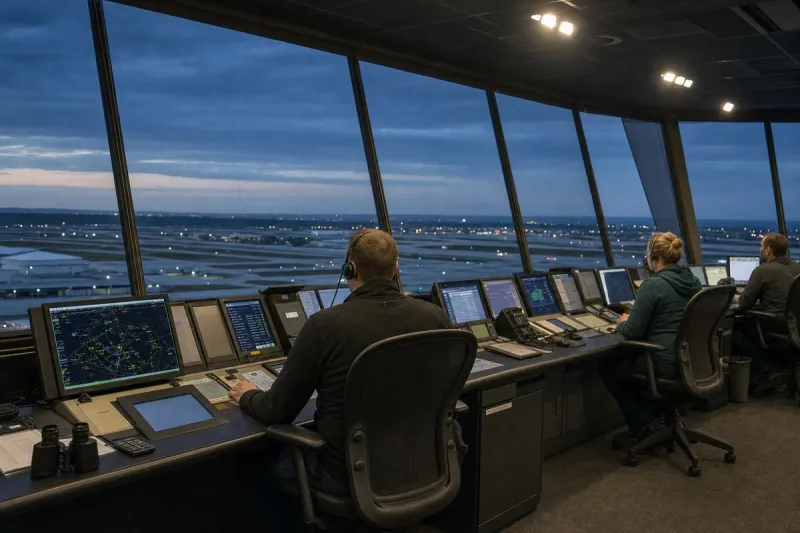
Separately, the FAA earlier this year issued an order limiting how closely aircraft may land in parallel on the 28 runways, initially removing side-by-side parallel approaches and cutting the maximum peak arrival rate to roughly two-thirds of previous levels. That reduction triggered frequent use of ground delay programs, in which flights bound for SFO are held at departure airports to manage traffic flow, and FAA Air Traffic Control System Command Center advisories listed SFO as subject to such measures on multiple days this summer. Federal on-time performance data cited in regional analyses show average delays at SFO climbing sharply since the combined restrictions took effect in early spring, roughly four times higher than the same period in 2025, with the worst delays concentrated at midday and late-afternoon peaks.
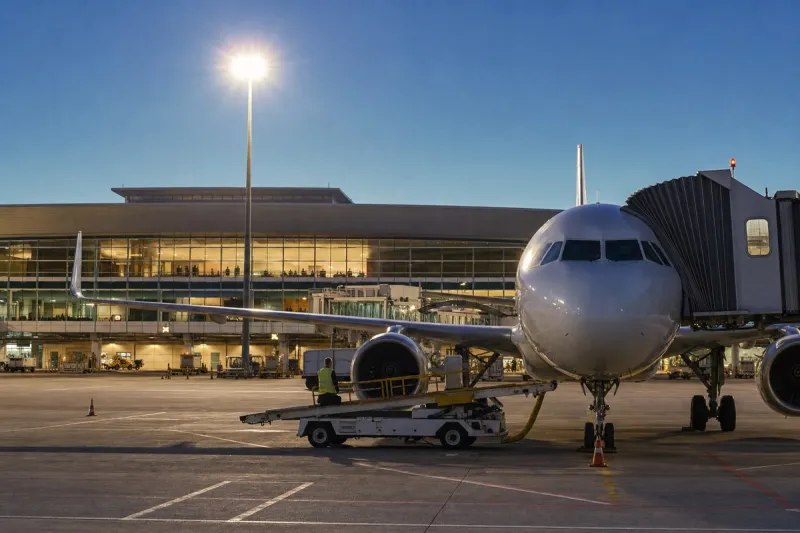
In early August, the FAA partially relaxed its restrictions by permitting a higher frequency of staggered parallel landings under defined conditions. Federal status dashboards continue to show periodic arrival and departure delays, and CBS San Francisco reported this week that some travelers are experiencing multi-hour disruptions, including missed connections caused by inbound aircraft missing assigned arrival windows and crews timing out.
Industry impact & what to watch
This case illustrates how a single runway closure combined with a federal arrival-rate order can compound into system-wide schedule strain, since airlines had not yet adjusted flight counts to match reduced capacity, leaving the same number of flights competing for fewer landing slots. Airport capacity management works on a lag: schedules are built months in advance around expected runway throughput, so when that throughput drops mid-season, the mismatch shows up as ground delay programs, missed connections, and crew timeouts rather than outright cancellations.
SFO's geography, hemmed in between the shoreline and Highway 101, rules out adding runways, meaning any long-term fix depends on procedural changes, technology upgrades, and airline schedule adjustments rather than new infrastructure. The reopening of Runway 1R in early October is expected to restore some flexibility, but the FAA's parallel-approach restrictions and their staggered-landing workaround remain the tighter constraint on peak arrival rates. Whether delays ease meaningfully will depend on how quickly airlines rebalance schedules to the airport's reduced capacity once the runway work is complete.