FAA Grants Part 139 Commercial Operating Certificate to Manassas Regional Airport, First in Virginia in 53 Years
Why It MattersCertification cases like this show how sustained federal infrastructure investment, not just demand, determines when a regional airfield can graduate into scheduled commercial service.
What happened
The Federal Aviation Administration has issued a Part 139 Airport Operating Certificate to Manassas Regional Airport (HEF) in Virginia, marking the first time in 53 years that the state has received such a certificate. FAA Associate Administrator for Airports Dan Edwards said the certification would bring commercial flights to Manassas, supporting economic growth in the community and adding another commercial airport to serve the Washington D.C. area.
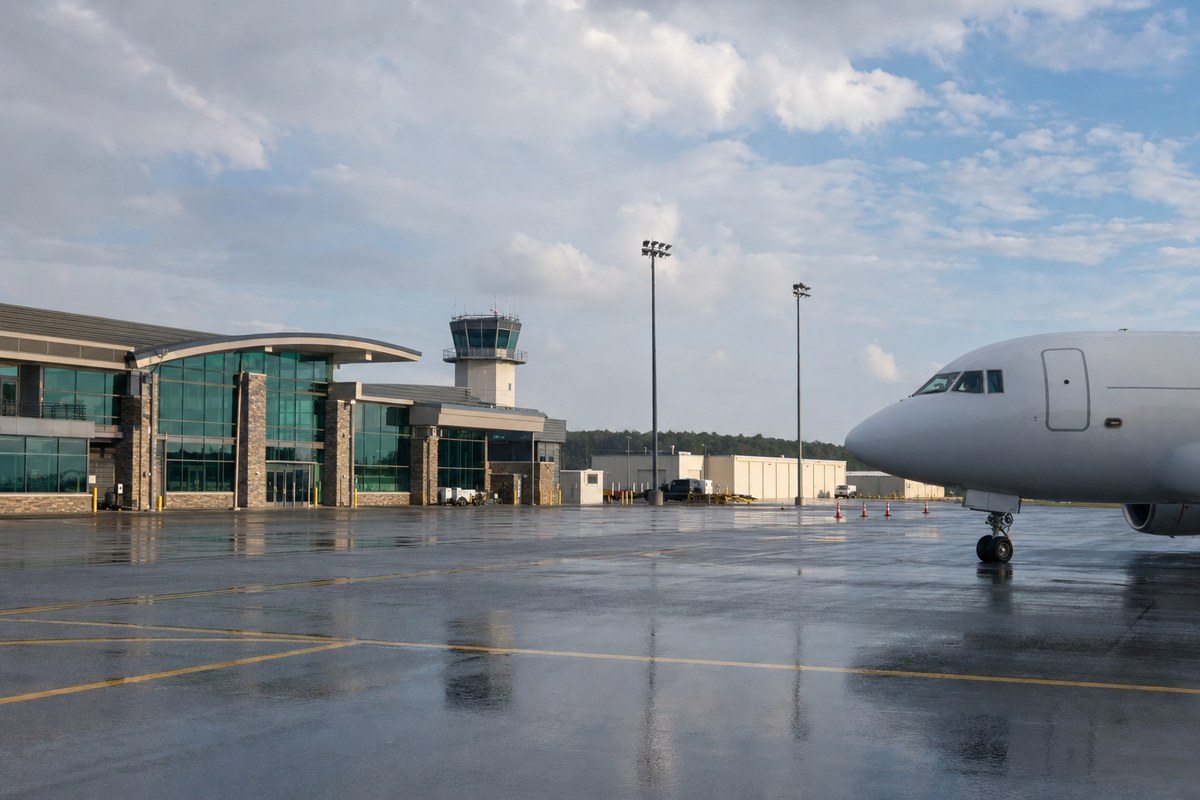
Part 139 Airport Operating Certificates are granted to airports that demonstrate compliance with federal safety standards covering runway and taxiway pavement conditions, aircraft rescue and firefighting, emergency planning, wildlife hazard management, and personnel training.
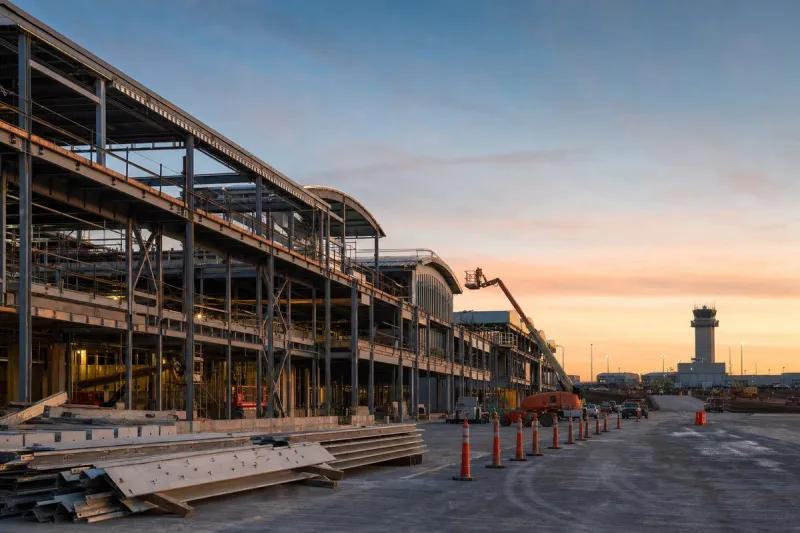
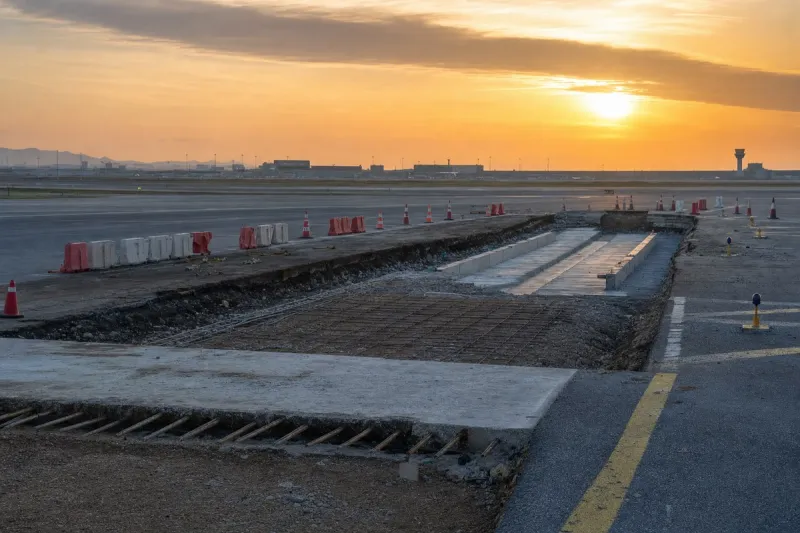
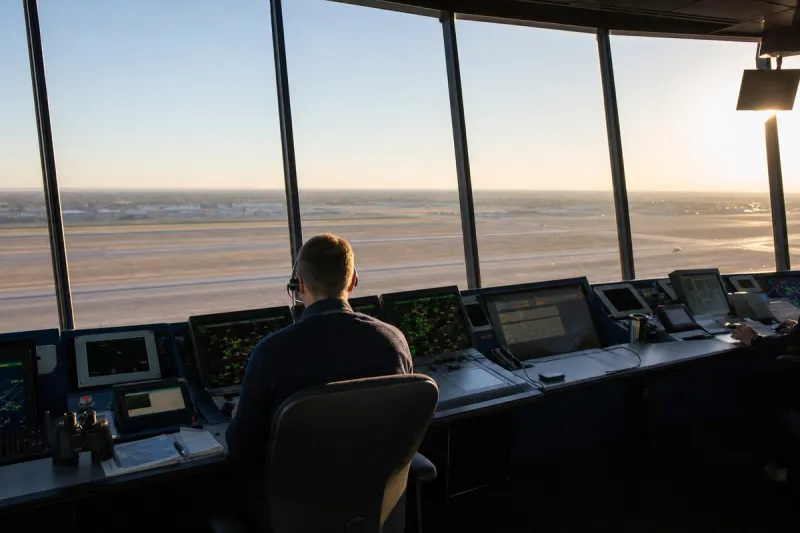
Over the past five years the FAA has invested more than $46 million at HEF to support infrastructure improvements, including runway rehabilitation and the planned construction of a new air traffic control tower. Equipment upgrades already delivered or scheduled include new high-speed fiber wiring received in May 2026, a National Airspace System Voice Recorder received in August 2026, and modern voice switches also received in August 2026 that replaced analog systems from the 1990s. A Surface Awareness Initiative system is expected in October 2027, which will allow air traffic controllers to track surface movement.
Industry impact & what to watch
Certification under Part 139 is the regulatory gateway that separates a general-aviation field from one that can host scheduled commercial flights, and airports rarely cross that line without years of underlying investment first. The Manassas case illustrates how that process actually works: pavement condition, firefighting readiness, wildlife management, emergency planning and trained personnel all have to be demonstrated together before the FAA will sign off, which is why the certificate follows rather than triggers the infrastructure spending.
For the Washington D.C. region, an additional certificated airport widens the set of fields that could eventually absorb commercial traffic alongside the area's existing airports, which matters for capacity planning even before any carrier announces service. Whether that potential converts into actual scheduled flights depends on decisions the certificate itself does not make.
The next concrete markers are the construction of the new air traffic control tower and the arrival of the Surface Awareness Initiative system slated for October 2027, both of which will shape how much traffic HEF can safely handle once airlines evaluate the route.