Russia Airspace Restrictions Force Long-Haul Flights onto Longer, Costlier Routes
Why It MattersThe gap creates a durable cost and schedule asymmetry between carriers with Russian overflight rights and those without, reshaping competitive positioning on Europe–Asia and Asia–North America routes.
What happened
Western sanctions imposed after Russia's 2022 invasion of Ukraine banned Russian airlines, and Russia retaliated by closing its airspace to carriers from many sanctioning countries. That reciprocal closure stripped European and North American airlines of access to the great-circle corridors over Siberia that had underpinned fast, fuel-efficient service to East Asia, and route tracking data and airline statements show most Europe–Asia and some Asia–North America services now detour far to the south or north.
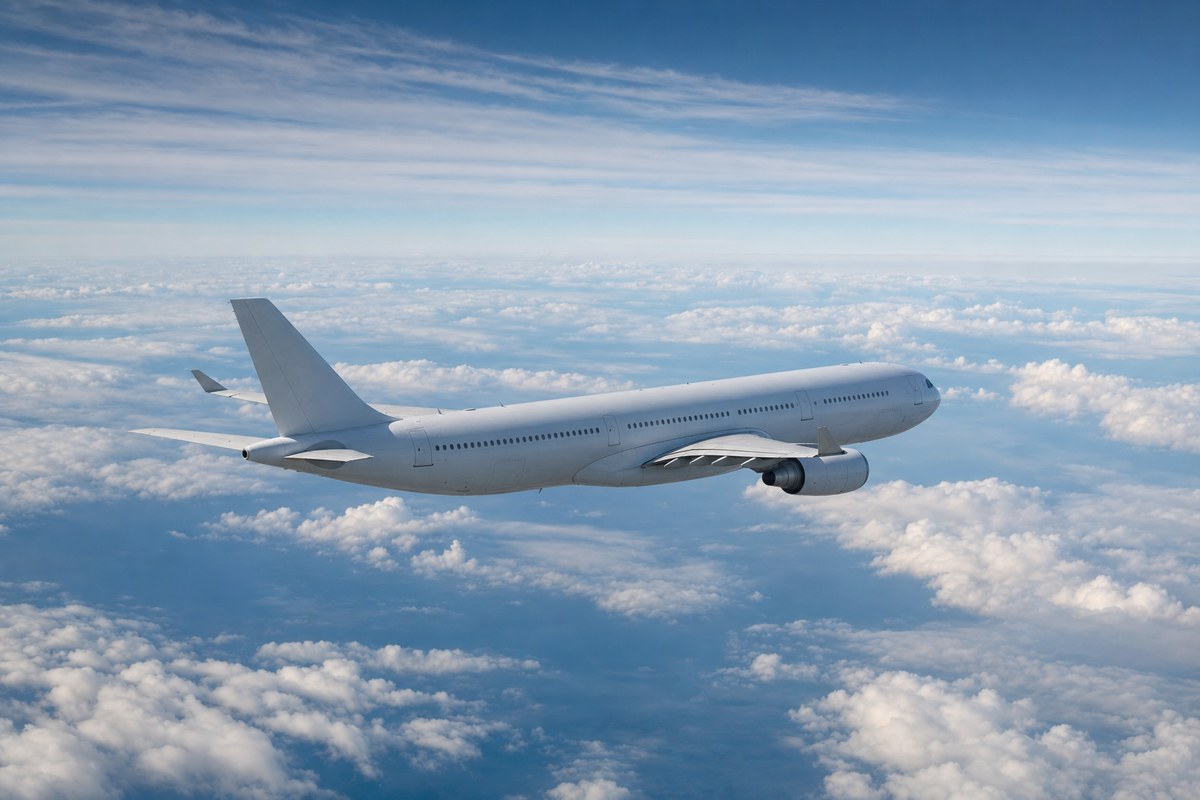
Flights between London and Tokyo, or Helsinki and Asian cities, have added extra flying time, and on the London–Tokyo pair itineraries that once took around 12 hours can now stretch to 14 or 16 hours depending on route and carrier. Some London–Tokyo services now loop over the North Atlantic and Arctic Ocean via Greenland, Canada and Alaska, with flight times extended by as much as four hours compared with pre-2022 great-circle paths over Russia. Airlines with access to Russian airspace, including some Asian and Middle Eastern carriers, retain shorter block times, and on some city pairs the scheduled flight-time gap against carriers forced to detour now reaches several hours.
Peer-reviewed research found that conflict-related detours in 2023 significantly increased aviation's carbon emissions, with average fuel consumption on affected routes rising by more than 10 percent, and some Europe–Asia flights seeing increases approaching 15 percent. The current situation traces back to the 2014 downing of Malaysia Airlines flight MH17 over eastern Ukraine, which prompted global scrutiny of how civil aviation assesses risk near active conflicts, after which regulators and safety bodies developed frameworks for conservative routing where surface-to-air missile systems or other military operations sit near civil air corridors.
Industry impact & what to watch
This is a case where geopolitics directly reshapes network economics: airspace access, not aircraft capability, now determines which carriers can offer the fastest, cheapest schedule on a given city pair. Carriers permitted to overfly Russia gain a structural edge in block time and fuel burn that Western competitors cannot close through fleet or scheduling choices alone.
Longer stage lengths also push flights closer to the limits of aircraft range and crew duty rules, forcing additional fuel uplift, payload restrictions or technical stops, and adding complexity to dispatch planning alongside higher crew and maintenance costs. The revival of polar routing over the Arctic via Greenland, Canada and Alaska shows how quickly carriers can rebuild capacity around a lost corridor, even at the cost of adding hours to a route.
Industry assessments cited suggest limited prospects for a near-term easing of Russia-related airspace restrictions given elevated geopolitical tension, meaning airlines and regulators are focused on refining risk assessment tools, information-sharing platforms and contingency planning rather than expecting routing to normalize soon.