U.S. DOT Finalizes New Rule Adding 'Section 511(b)' Category That Reduces Airline Delay Compensation for Passengers
Why It MattersThe change shows how regulatory reclassification, not fleet or schedule shifts, can quietly redraw the line between controllable and uncontrollable disruptions that governs airline compensation obligations.
What happened
The U.S. Department of Transportation has finalized a rule adding a sixth disruption category, Section 511(b), which designates ten specific types of events as outside an airline's control. Published in the Federal Register, the rule takes effect on October 19.
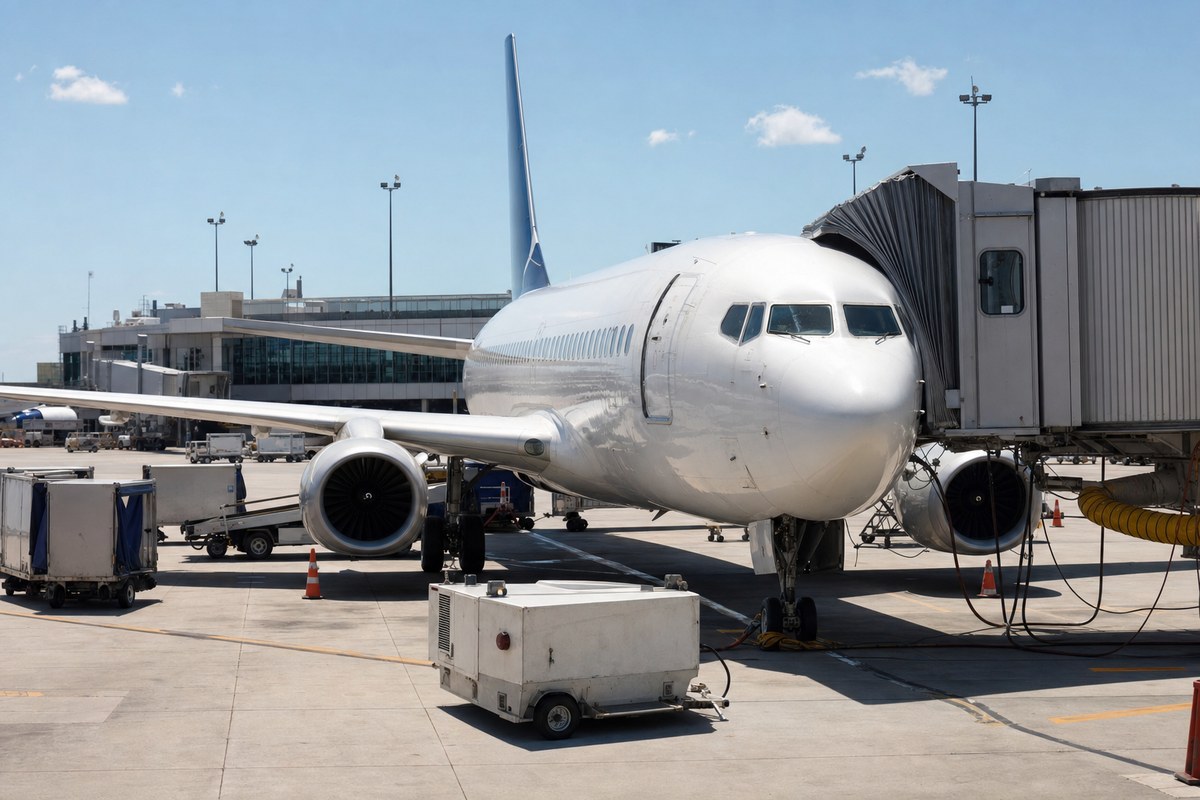
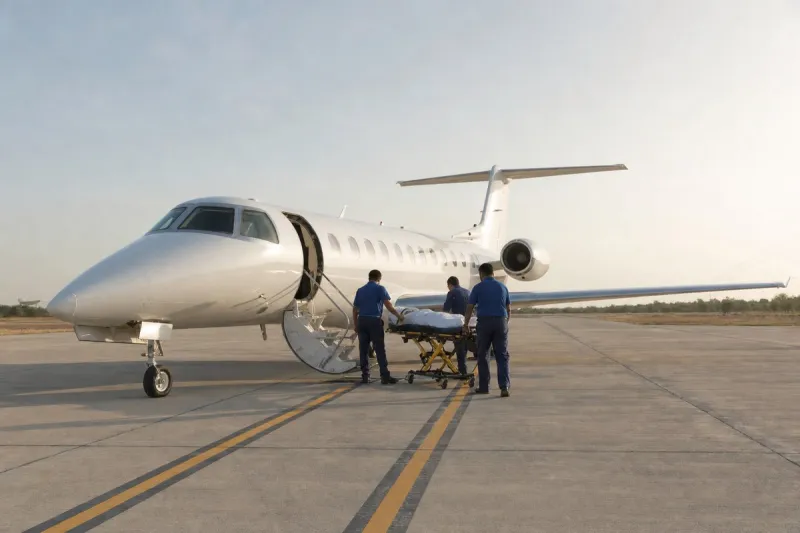
Under federal law, airlines are not required to provide meals, hotel accommodations, or other compensation when delays or cancellations stem from events beyond their control. By moving the ten listed circumstances into Section 511(b), the rule narrows the range of situations treated as controllable disruptions, reducing the number of cases in which passengers can claim compensation or assistance. The ten circumstances include aircraft cleaning after a passenger death; aircraft damage from extreme weather, foreign object debris, or sabotage; baggage or cargo delays caused by a bag-system outage beyond the airline's or a contractor's control; a cybersecurity attack where the airline complied with applicable regulations; an unexpected government system shutdown or failure affecting safe flight; overheated brakes requiring emergency procedures due to a safety incident; unscheduled maintenance that cannot be deferred; and a medical emergency.
The DOT stated in the rule text that the change represents "a transfer of value from consumers back to air carriers, rather than a cost to consumers or a benefit to air carriers," acknowledging that the total value of amenities and compensation airlines provide would be reduced under the final rule.
The rule does not eliminate existing airline commitments for controllable delays. According to the DOT's Airline Cancellation and Delay Dashboard, nine U.S. airlines — Delta, American, United, Southwest, Alaska, Frontier, JetBlue, Allegiant, and Hawaiian — commit to providing a meal or meal cash/voucher when a controllable delay or cancellation leaves passengers waiting three hours or more. All nine except Frontier also commit to arranging hotel accommodations and ground transportation for passengers stranded overnight, and all nine commit to rebooking passengers on the same airline at no additional cost. The DOT advises passengers experiencing flight disruptions to contact the airline first, and to file a complaint through the department's web-based complaint form if the airline fails to resolve the issue.
Industry impact & what to watch
This rule belongs to a category of regulatory action that shapes airline economics not through fares or capacity but through the definitions that determine who pays when things go wrong. Compensation frameworks in air travel hinge entirely on how a disruption is classified — controllable versus uncontrollable — and Section 511(b) shows how that classification can shift by rulemaking rather than by any change in actual airline performance or reliability.
For the meal, hotel, and rebooking commitments that airlines have voluntarily adopted, the practical effect depends on how disruptions get coded going forward. If more delays and cancellations are attributed to the ten newly listed circumstances, fewer incidents will trigger those existing commitments even though the commitments themselves remain unchanged on paper.
What happens next will depend on how airlines apply the new category in practice once the rule takes effect on October 19, and whether the volume of disruptions attributed to Section 511(b) circumstances rises noticeably relative to prior classifications.