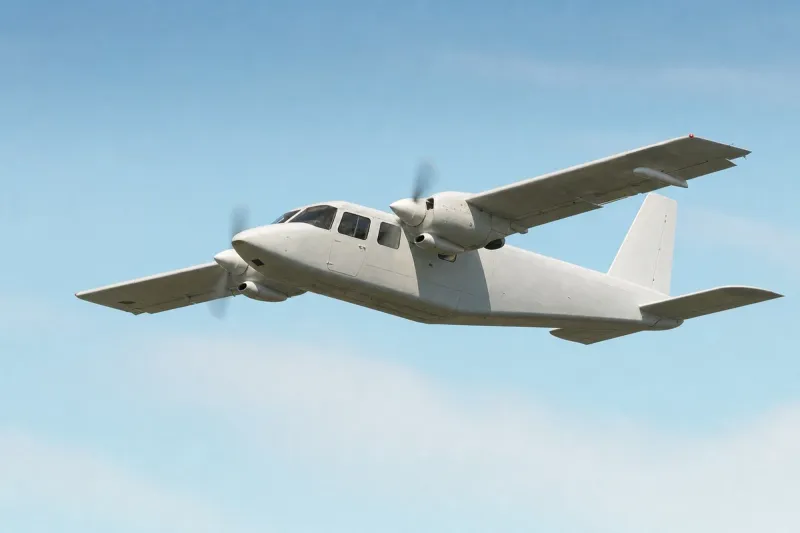
RFDS Queensland Orders Six King Air 260C Aircraft, Engages HeliMods for Aeromedical Mission Systems
Why It MattersThe order shows how remote aeromedical operators pair OEM airframe upgrades with specialist local integrators to extend short-strip access and mission-system capability rather than relying on standard cabin configurations.
What happened
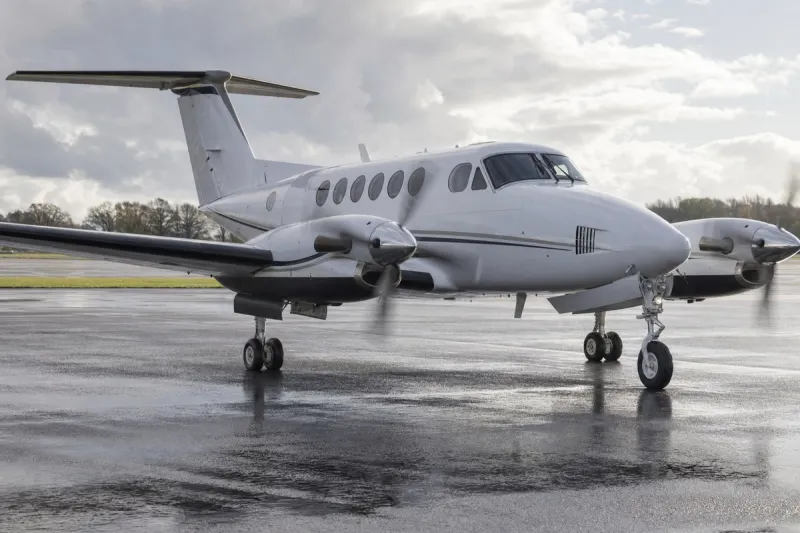
The Royal Flying Doctor Service Queensland Section is acquiring six King Air 260C aircraft from Textron Aviation over the next four years, with the first aircraft expected to be delivered in 2028. The order forms part of a fleet modernisation program for the organisation.
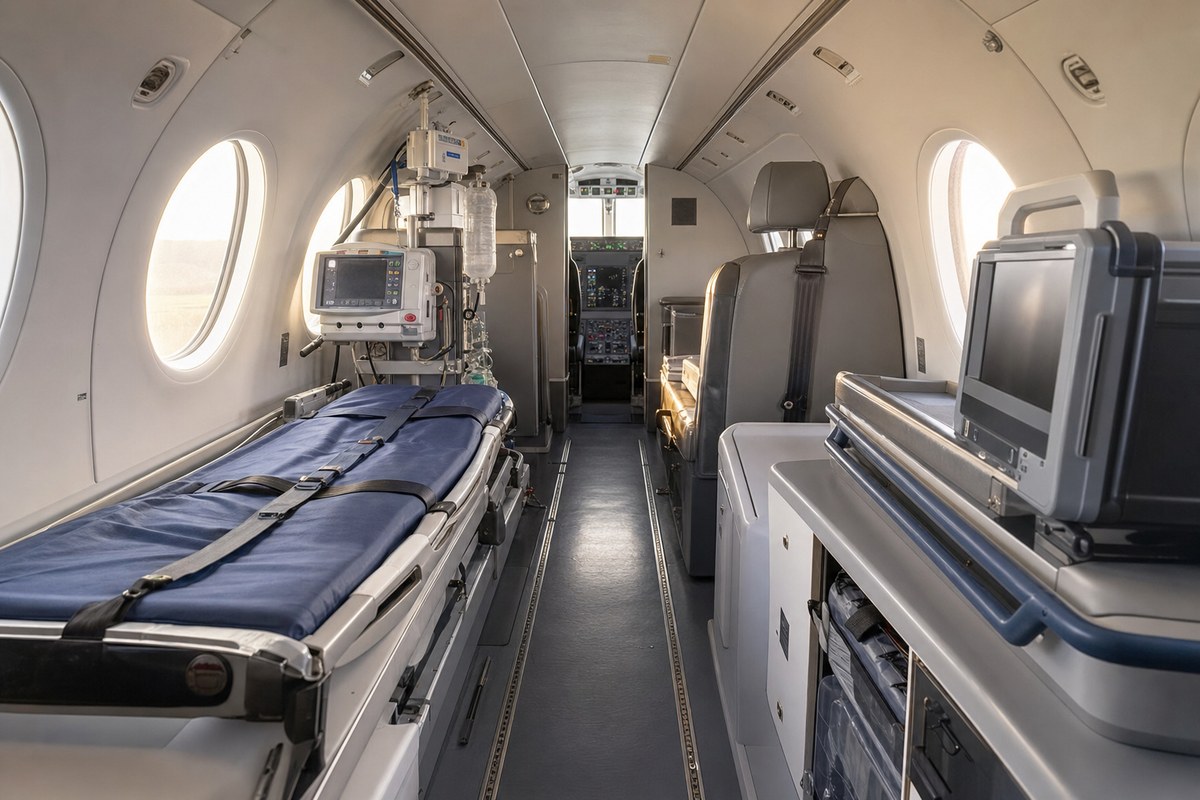
RFDS Queensland has engaged Sunshine Coast-based HeliMods to design and integrate a bespoke Aeromedical Mission System for the new fleet. HeliMods previously modified six Beechcraft King Air B360 aircraft for RFDS, fitting them with advanced medical stretchers, integrated oxygen systems and digital connectivity.
RFDS Queensland Section chief executive Meredith Staib described the investment as "a once-in-a-generation" commitment to aeromedical care, saying the new aircraft will be more powerful than its predecessor and will help medical crews reach patients sooner and transfer them safely. She said the fleet would form part of the organisation's centenary legacy, marking 100 years of service. HeliMods founder Will Shrapnel said the company is developing an advanced aeromedical mission system tailored to unlock the full capability of the new aircraft, noting that "Queensland's size and remoteness present some of the most challenging healthcare delivery conditions anywhere in the world."
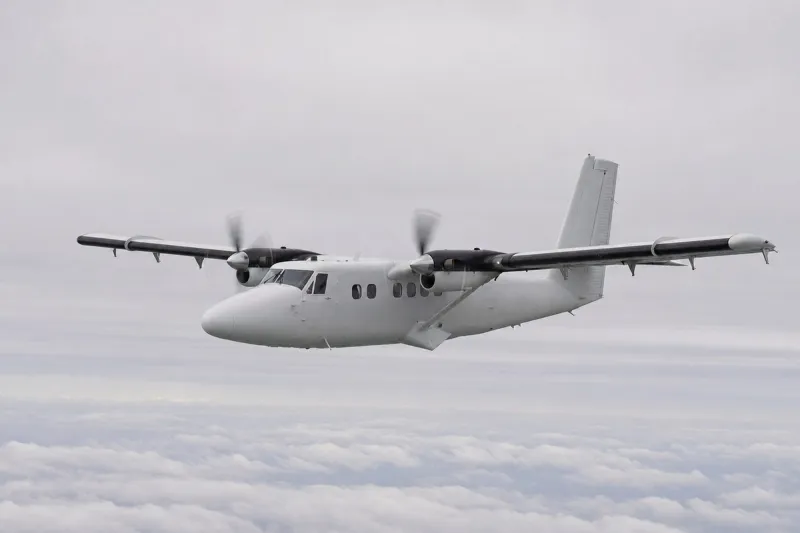
The King Air 260C offers improved performance and higher cruise speeds compared with the King Air 200 series it succeeds, along with updated avionics, navigation and safety systems. The aircraft retains the ability to operate from shorter airstrips, supporting access to remote and rural communities across Queensland.
Industry impact & what to watch
This order reflects a recurring model in aeromedical aviation: an OEM airframe delivers the performance and range upgrade, while a specialist local integrator builds the mission-specific systems that turn a standard cabin into a flying clinic. HeliMods' prior work on the B360 fleet gave it a track record with RFDS before this larger commitment, which is typical of how mission-system contracts are awarded in this segment — continuity with an existing integrator rather than a fresh competitive process for every airframe change.
For rural and remote medical transport operators generally, the value of a new airframe is inseparable from the mission system fitted to it; higher cruise speeds and shorter-strip capability only translate into faster patient transfers if stretchers, oxygen systems and connectivity are integrated to match. The four-year delivery window across six aircraft also means RFDS Queensland will be running mixed fleets during the transition, a common operational reality for any staged aeromedical modernisation.
The first delivery, expected in 2028, is the next concrete milestone against which the program's pace can be measured, alongside how HeliMods' new Aeromedical Mission System design differs from its earlier B360 configuration.