Russian EPSYLON Concept Proposes Supersonic Business Jet with Variable-Sweep Wing and Reconfigurable Cabin
Why It MattersStudent-level concepts reviving pre-digital technologies like variable-sweep wings show how far commercial supersonic flight remains from production despite two decades without a Concorde successor.
What happened
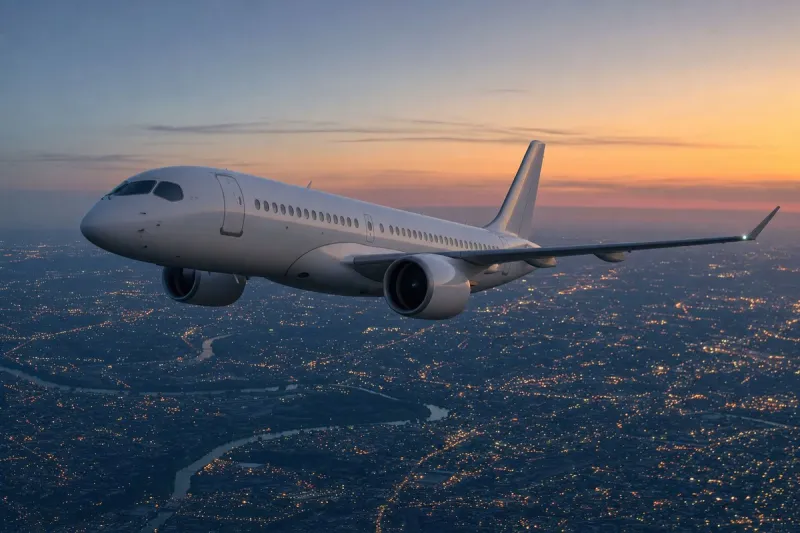
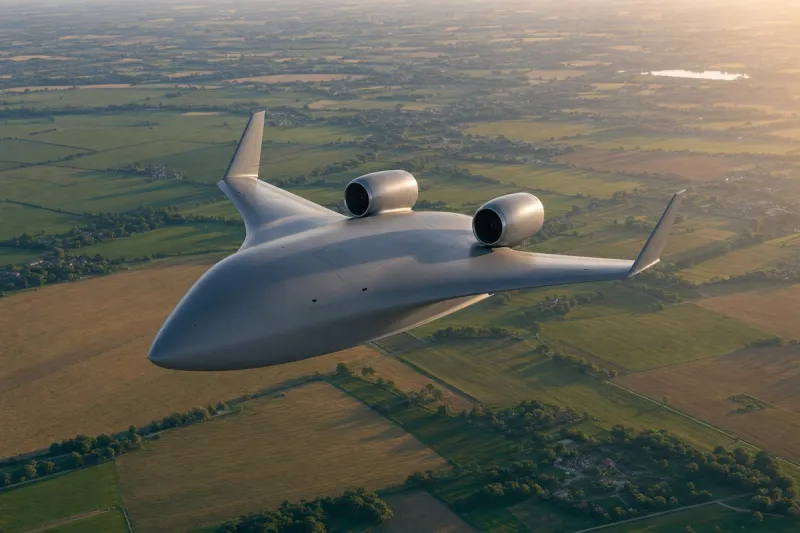
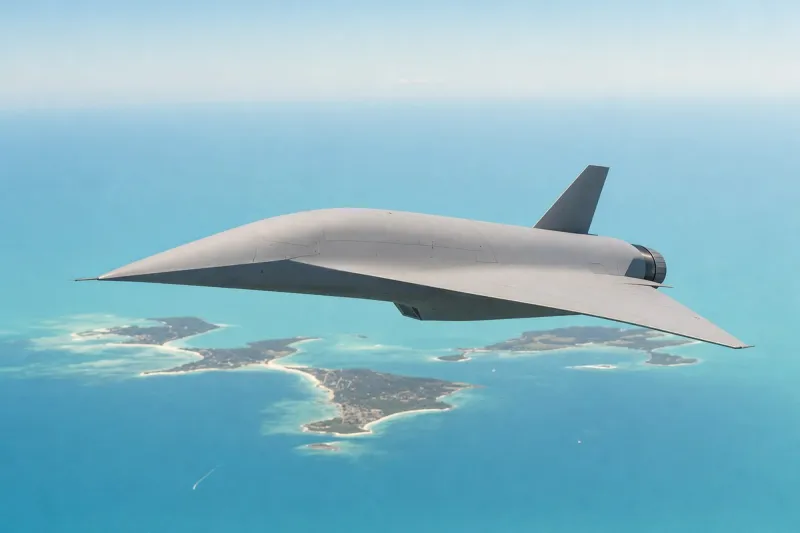
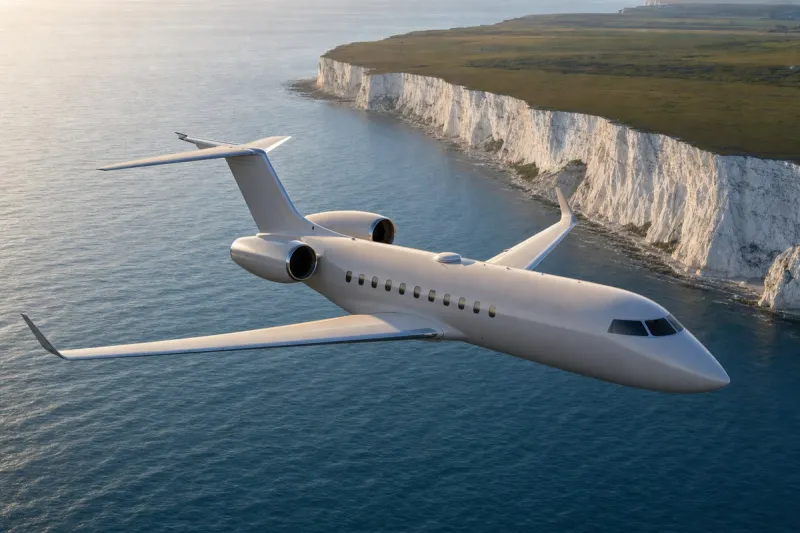
A Russian design concept called EPSYLON proposes a supersonic business jet built around a variable-sweep wing and a fully reconfigurable cabin, developed by designer Philipp Avakyan of the St. Petersburg agency Asgard as part of a master's degree project, with Mikhail Lebedev of BSTU "Voenmeh" serving as scientific consultant for the aerodynamic portion. The concept emerges amid a global absence of commercial supersonic passenger aircraft since Concorde retired in 2003 and the Tu-144 ended regular operations in 1978.
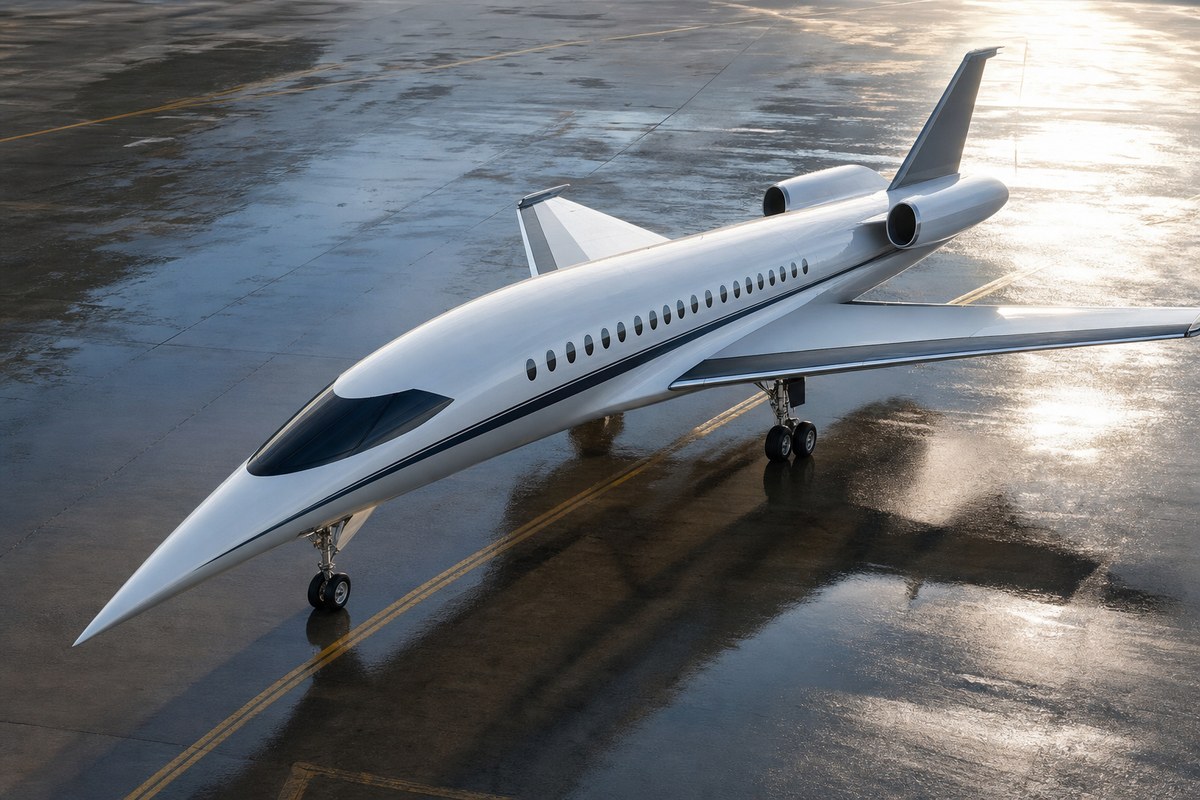
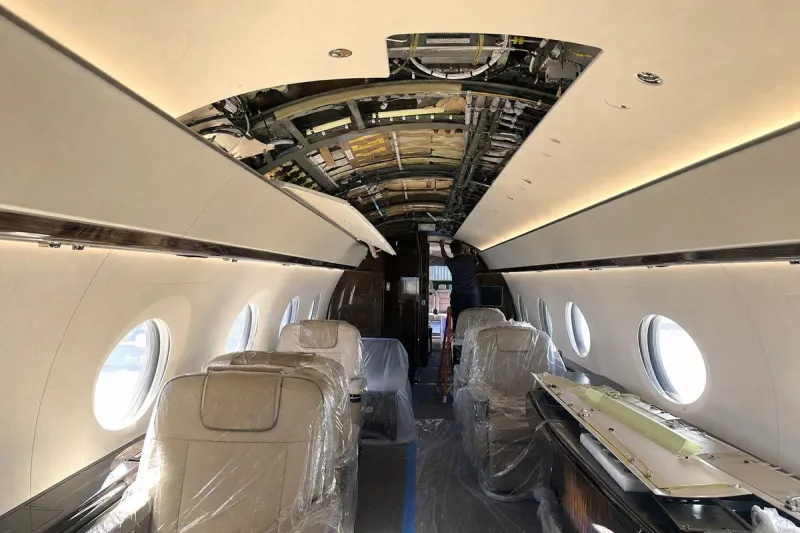
The design specifies a fuselage approximately 6.2 metres wide and 5.4 metres high, with a cabin length of 25.8 metres, dimensions described as comparable to large business jets. Inside, seats rotate 360 degrees and travel along mounts, while partitions on floor rails let the interior be rearranged into separate zones for negotiations, rest, and clothing storage during flight.
The wing design revives the variable-sweep configuration, held straight for takeoff and landing and swept back to a high angle for supersonic cruise. Instead of removing windows entirely, an approach taken in some other supersonic concepts, EPSYLON incorporates small triangular portholes combined with adaptive panoramic screens on the cabin walls and ceiling.
Industry impact & what to watch
EPSYLON belongs to a recurring category of academic and studio-level supersonic proposals that surface periodically to fill the gap Concorde and the Tu-144 left behind, without themselves representing funded development programs. Variable-sweep wings were widely dropped by manufacturers in the 1980s and 1990s because the pivot mechanism added weight, mechanical complexity, and cost that outweighed its aerodynamic benefit across speed regimes, so reviving the configuration here is a design choice that revisits a tradeoff the industry already made once and walked away from.
The business jet segment has watched several supersonic efforts pursue certification and engine partnerships in recent years, and a concept detailing cabin dimensions and reconfigurable interiors signals attention to the passenger experience side of that pitch rather than only propulsion or aerodynamics. Whether EPSYLON progresses beyond a master's project depends on backing that turns fuselage and wing specifications into a funded prototype, and no such step is described here.