Embraer Praetor 600E, Dassault Falcon 10X, and Citation CJ4 Gen3 Among Top Business Jet Picks
Why It MattersCabin technology and avionics automation, not just range or speed, are becoming the primary differentiators buyers use to compare jets within the same performance class.
What happened
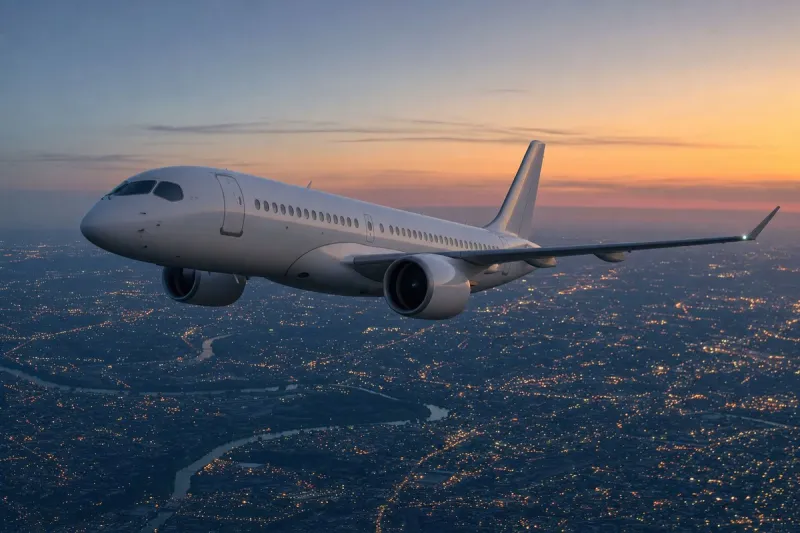
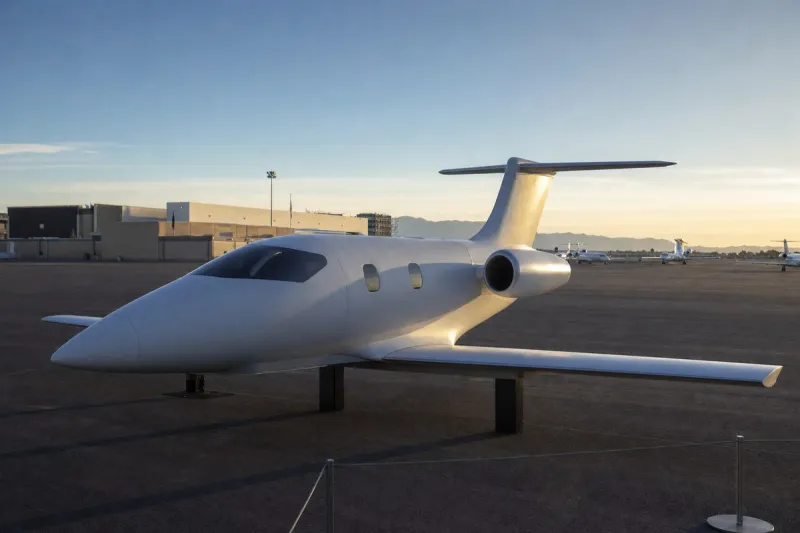
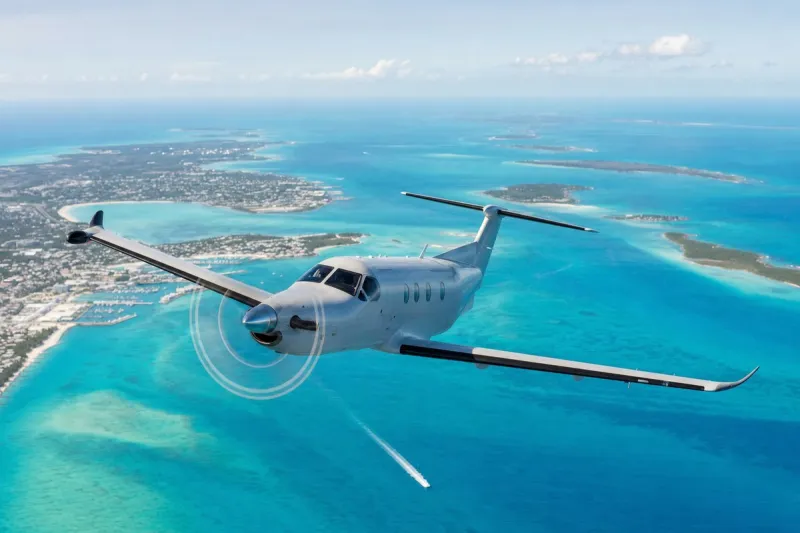
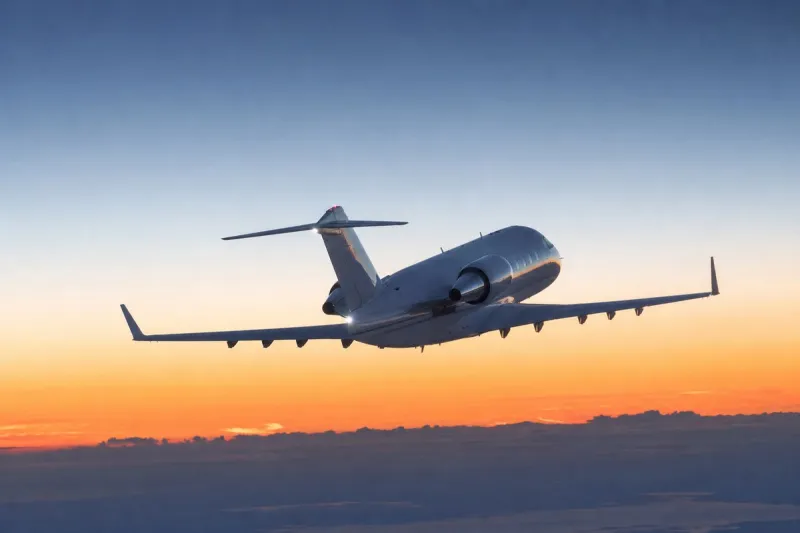
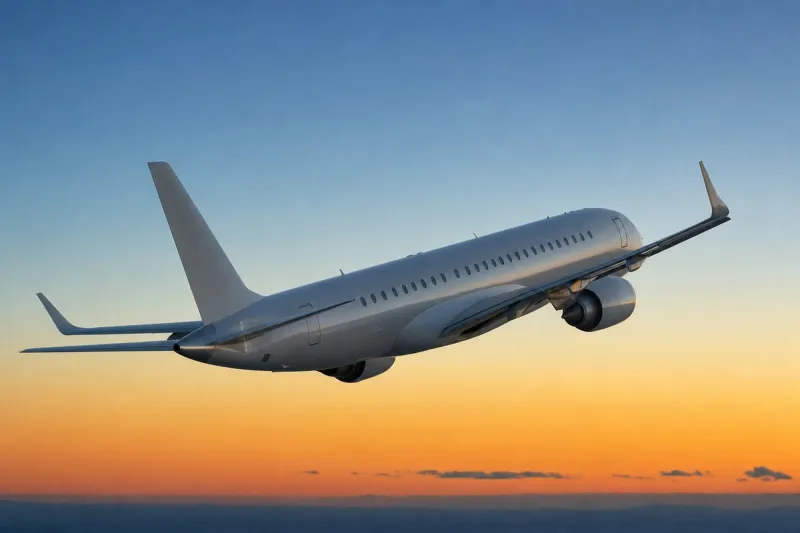
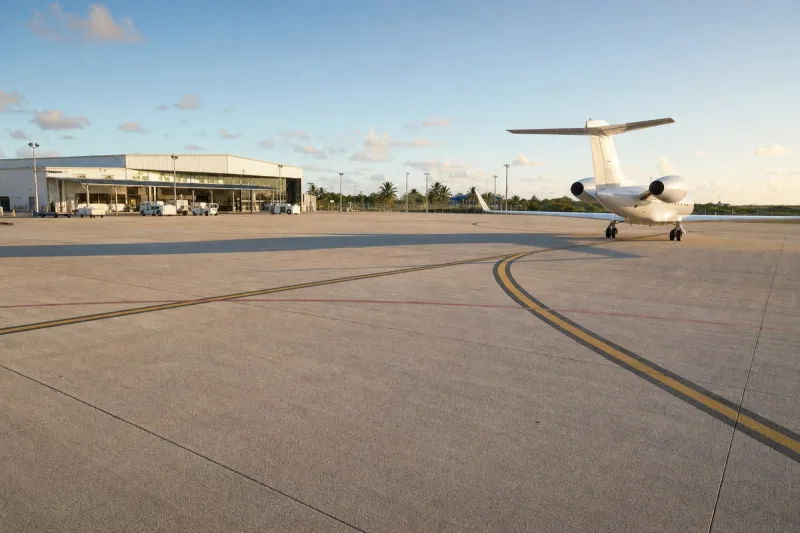
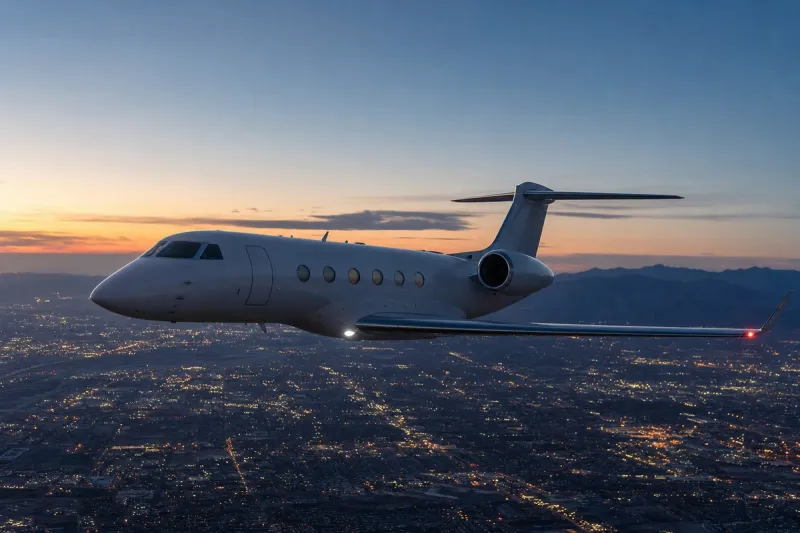
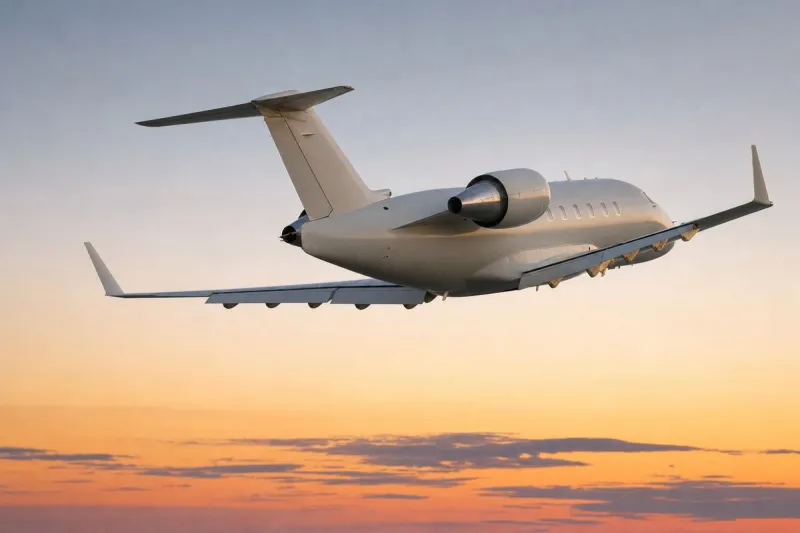
Three business jets have been identified as leading choices in their respective categories: the Embraer Praetor 600E in the super-midsize segment, the Dassault Falcon 10X in ultra-long-range, and the Cessna Citation CJ4 Gen3 in the light-jet class.
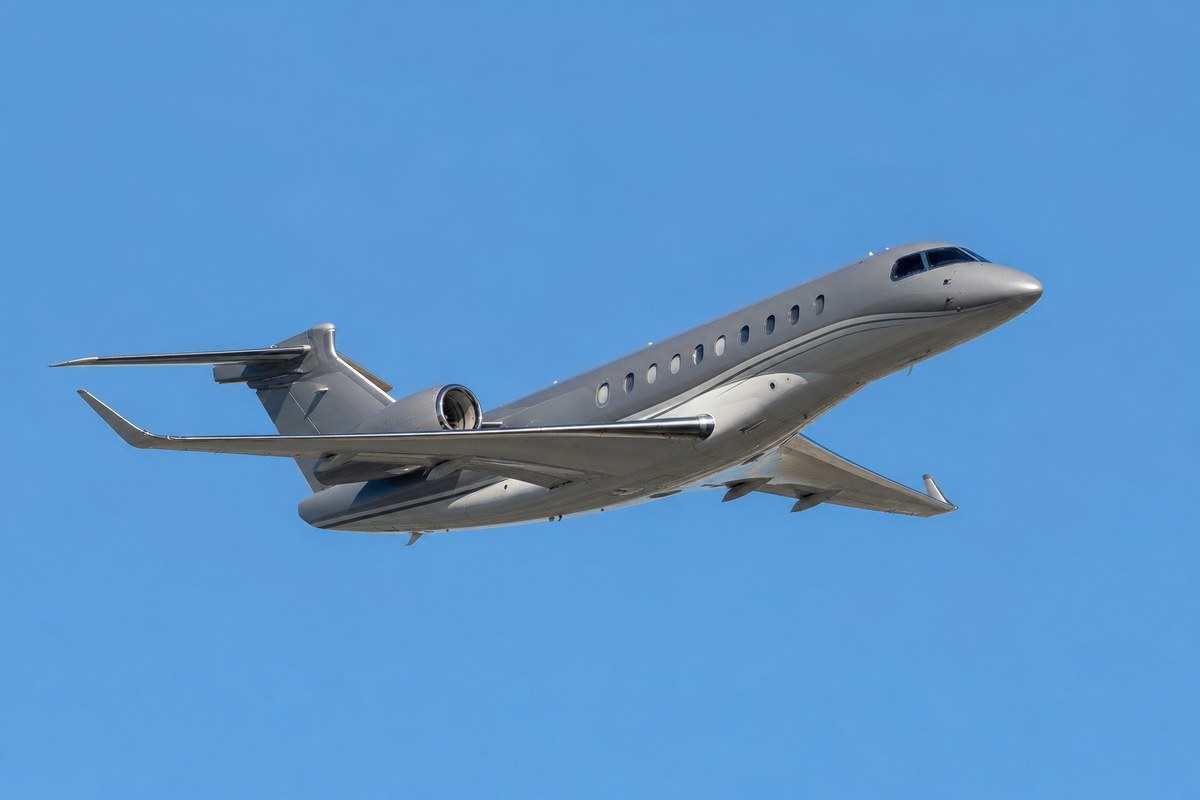
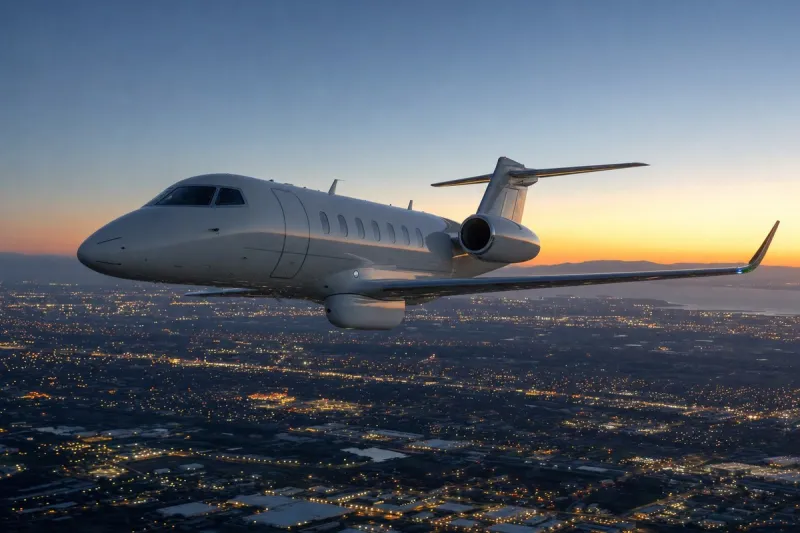
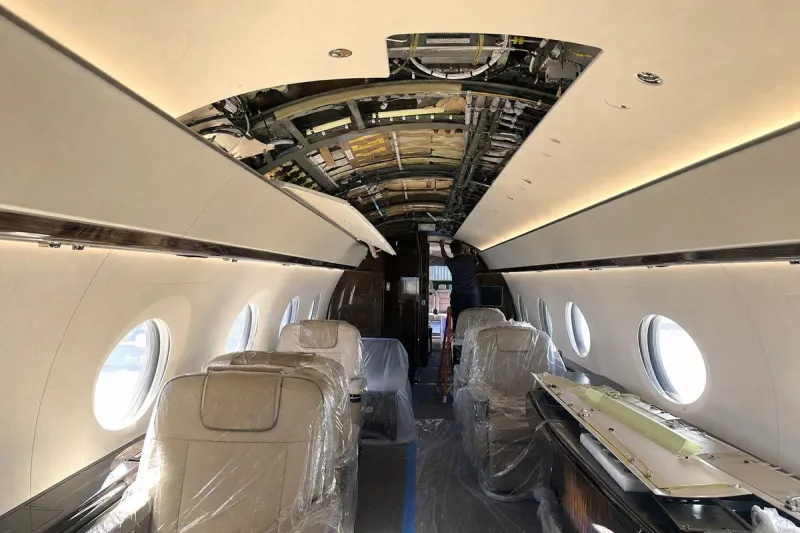
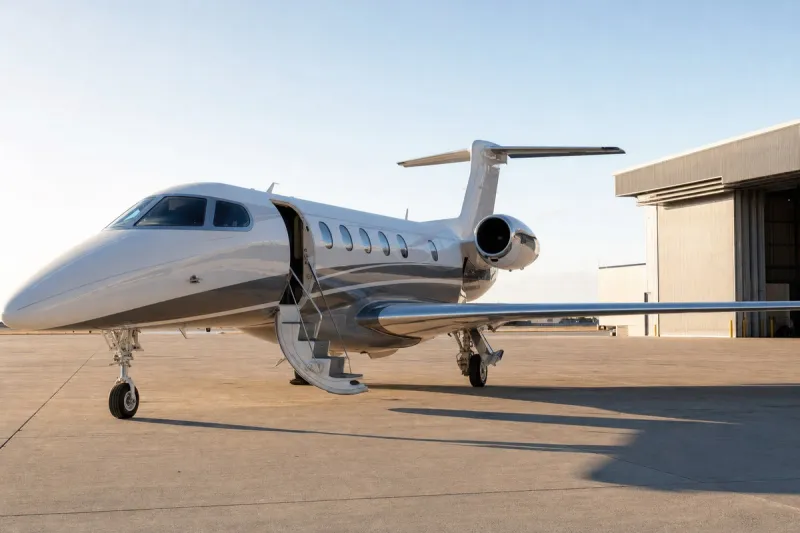
The Praetor 600E, the second generation of the Praetor 600, introduces new in-house-designed seats with 180-degree maneuverability and full-flat berthing for overnight flights, featuring an electric-assisted release system, dual lumbar supports, three levels of cushion firmness, and forward-tracking headrests. Its headline feature is the Smart Window, a 42-inch 4K OLED display positioned mid-cabin and produced in partnership with Lufthansa Technik, which can function as a digital portal using exterior cameras or as an entertainment and videoconferencing hub via satellite connectivity.
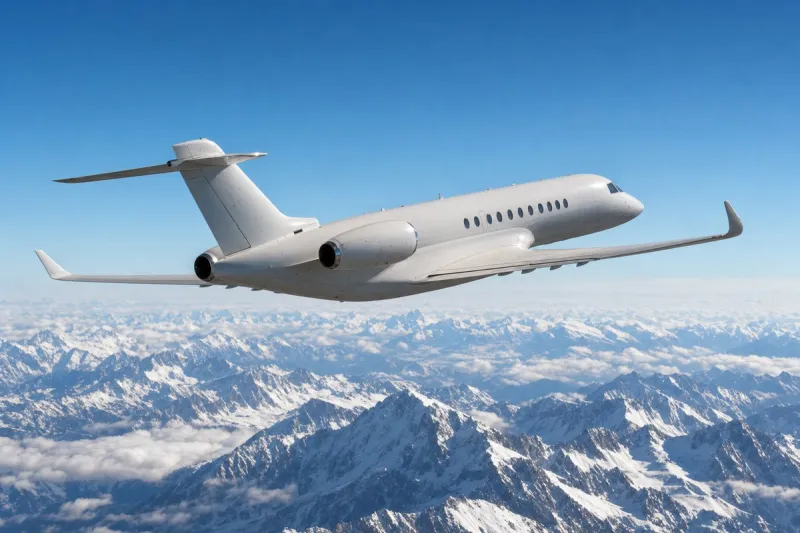
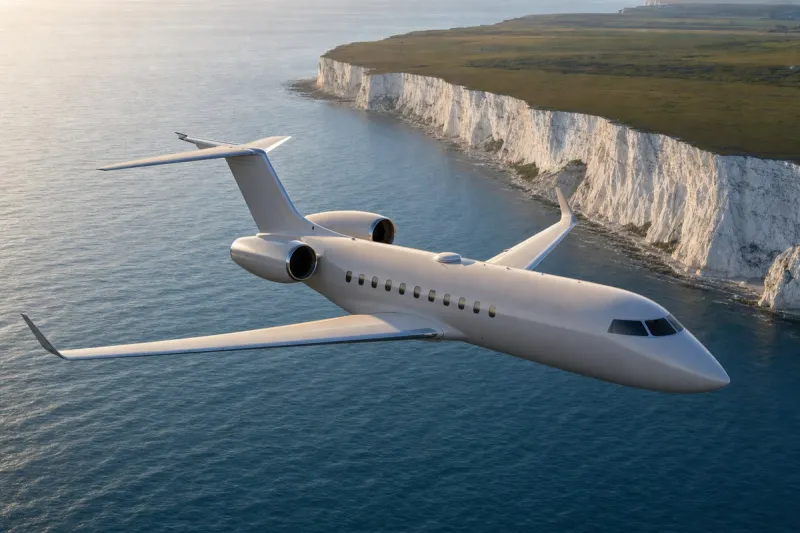
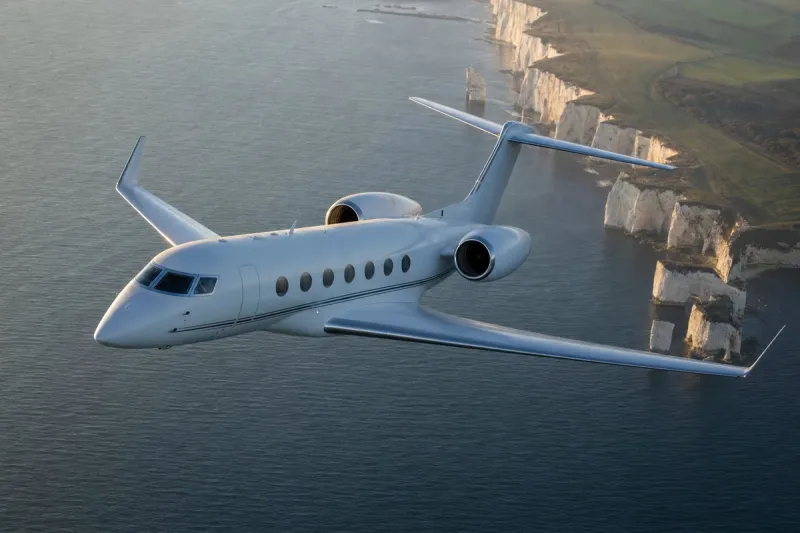
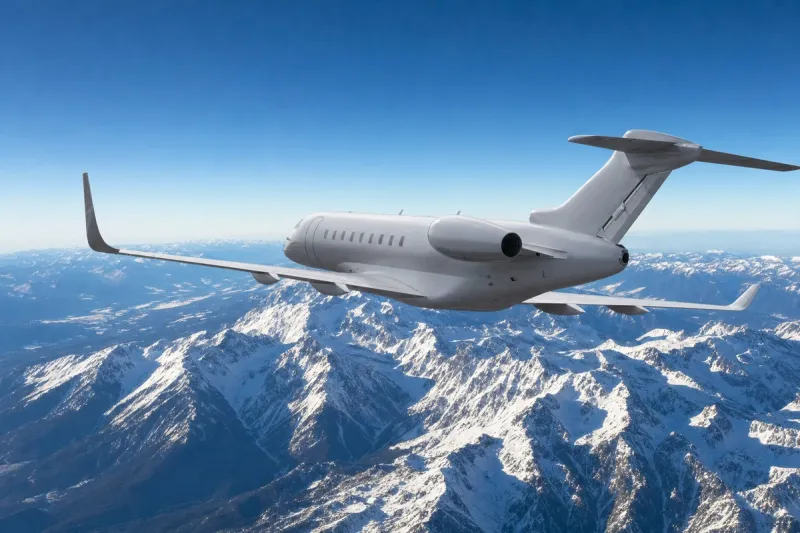
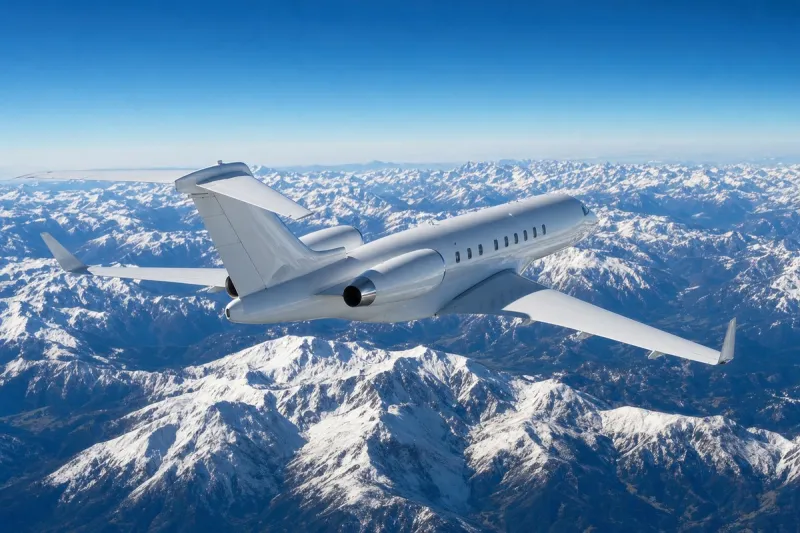
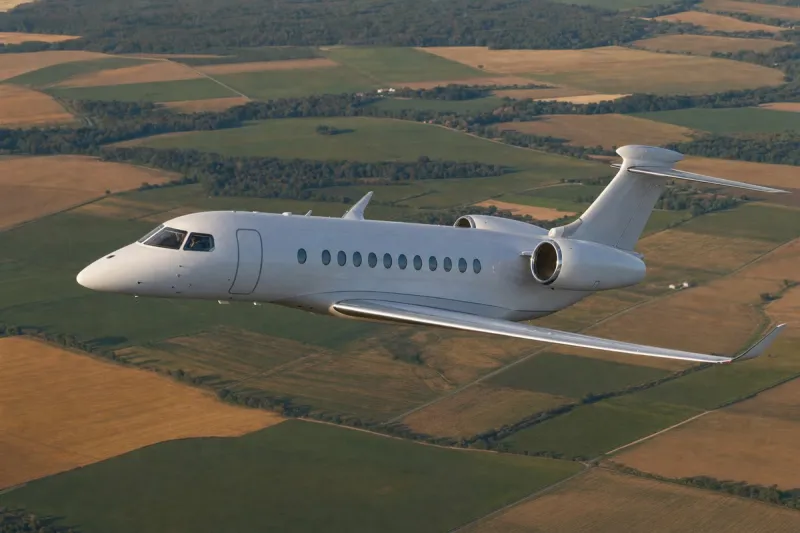
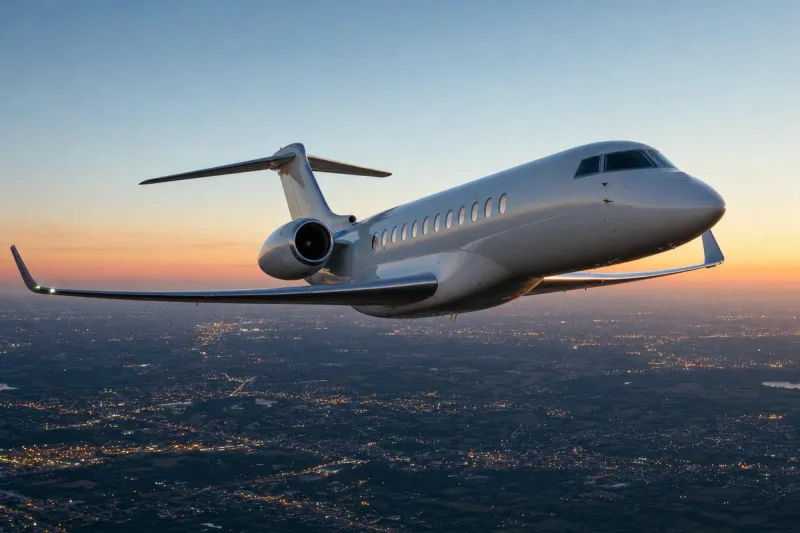
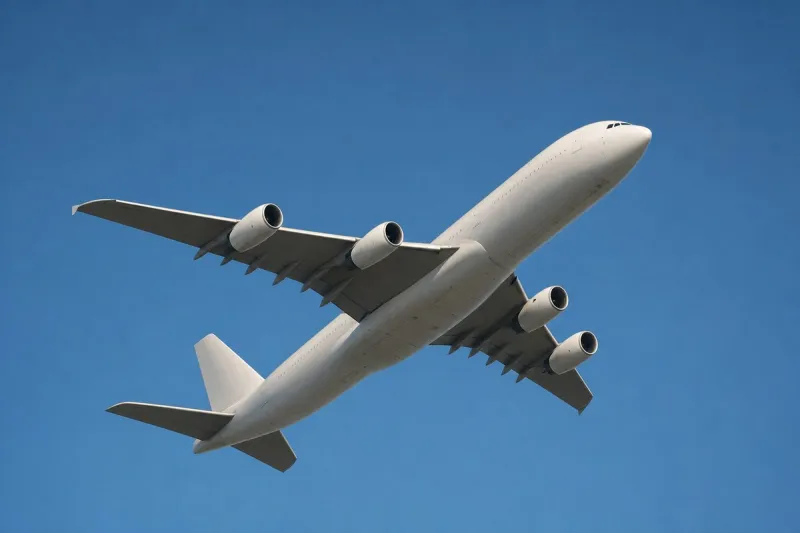
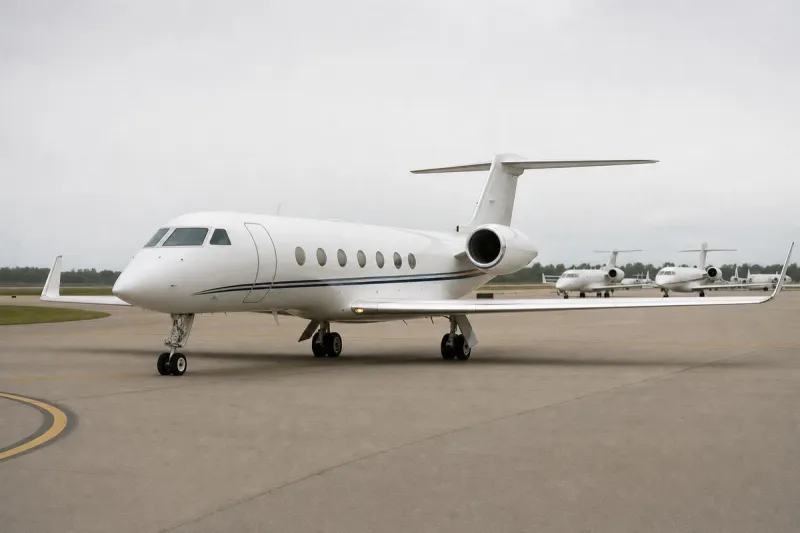
The Falcon 10X competes in the ultra-long-range class against the Bombardier Global 8000, Gulfstream G700, and Gulfstream G800. Designed for nonstop city pairs such as New York–Hong Kong and Los Angeles–Sydney, it has a range of 13,890 km and a top speed of Mach 0.925. It features a composite wing, a NeXus flight deck with touchscreen displays, and the FalconEye Enhanced Vision System, the third generation of Dassault's digital flight-control setup, along with a 78.70-cubic-metre interior and 38 windows that are 50 percent larger than those of other Falcons.
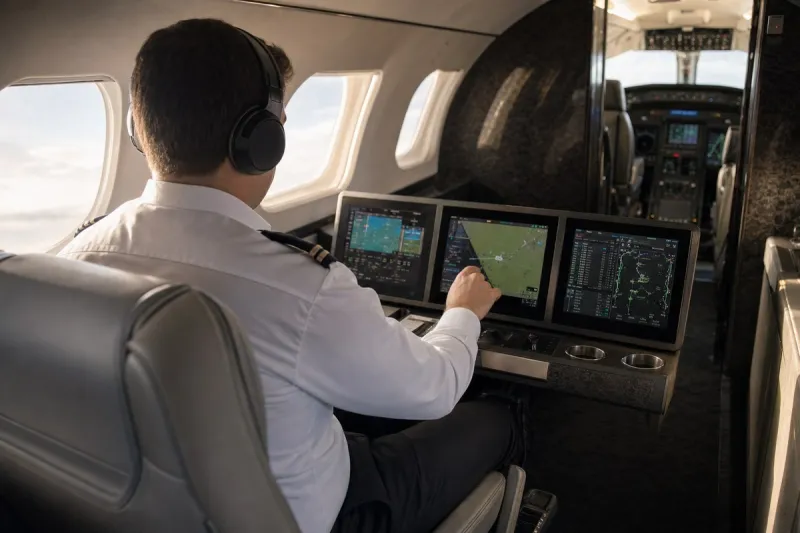
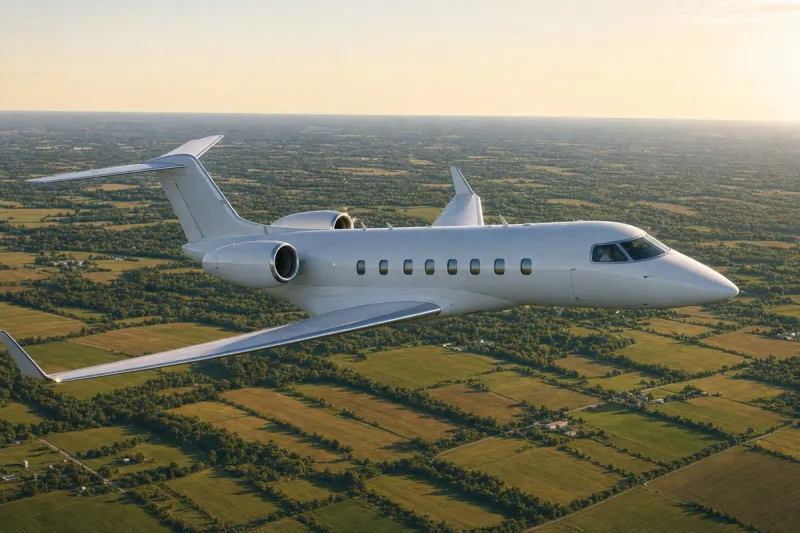
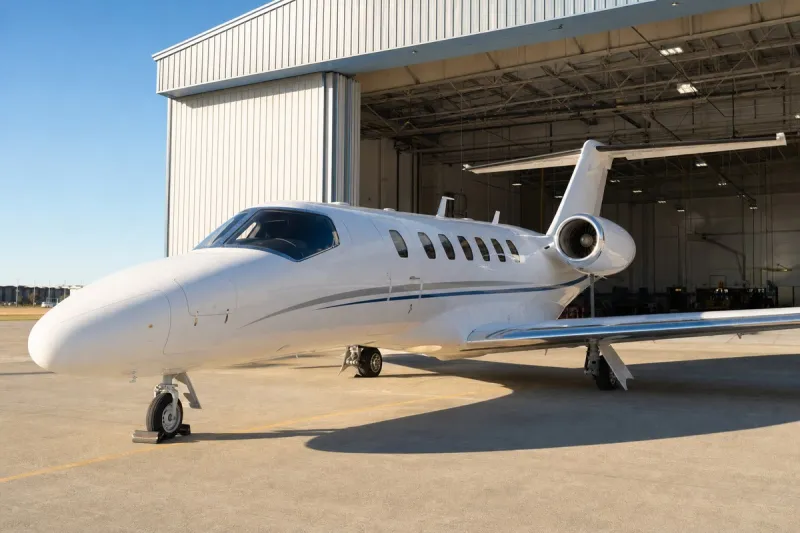
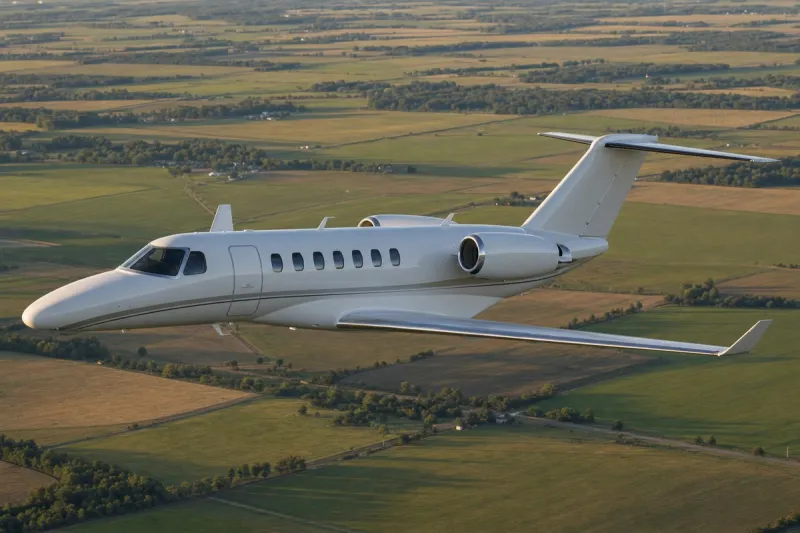
The Citation CJ4 Gen3 updates the light-jet category with a new Garmin G3000 Prime avionics suite that includes autothrottles and an Emergency Autoland system as standard. It is designed primarily for single-pilot operation while retaining right-seat co-pilot controls. Textron Aviation's engineers improved internal acoustics to reduce in-flight noise levels and added wireless charging, USB-A/C ports, and accent lighting, with cabins that can be customized with leather upholstery and exotic finishes including stone.
Industry impact & what to watch
Each of these three aircraft leads its category not primarily on raw performance but on cabin experience and systems automation layered onto an established airframe generation, a pattern that reflects how OEMs now compete once range and speed within a class have converged. Embraer's Smart Window and reworked seating, Dassault's larger windows and enhanced vision system, and Textron's standardized autothrottle and autoland package are all differentiators aimed at passenger comfort or pilot workload rather than at extending the outer limits of what the category can already do.
In segments like super-midsize and light jets, where multiple manufacturers offer aircraft with broadly similar range and cabin volume, this kind of feature competition becomes the practical basis on which buyers and operators compare models. In ultra-long-range, where the Falcon 10X sits alongside the Global 8000 and the Gulfstream G700 and G800, nonstop city-pair capability such as New York–Hong Kong remains the headline metric, but cabin size and window design increasingly factor into how the category is marketed.
What happens next in each category depends on how competitors respond: whether Bombardier and Gulfstream answer the Falcon 10X's window and vision-system upgrades, and whether other light-jet and super-midsize manufacturers standardize similar safety and cabin technology packages across their own lineups.