Corporate Group Charters to Las Vegas F1 2026 Surpass Individual Bookings as November Race Drives Private Aviation Demand
Why It MattersCharter demand around single marquee events increasingly gets shaped by group economics and time-sensitive bundled pricing rather than one-off per-seat comparisons with commercial fares.
What happened
Group charter bookings to the Las Vegas Formula 1 race surpassed individual bookings at several major operators by 2025, and the 2026 event, scheduled for November 19–21, is expected to extend that trend further. Corporate travel desks that had never previously booked a race weekend are now regularly contacting charter brokers.
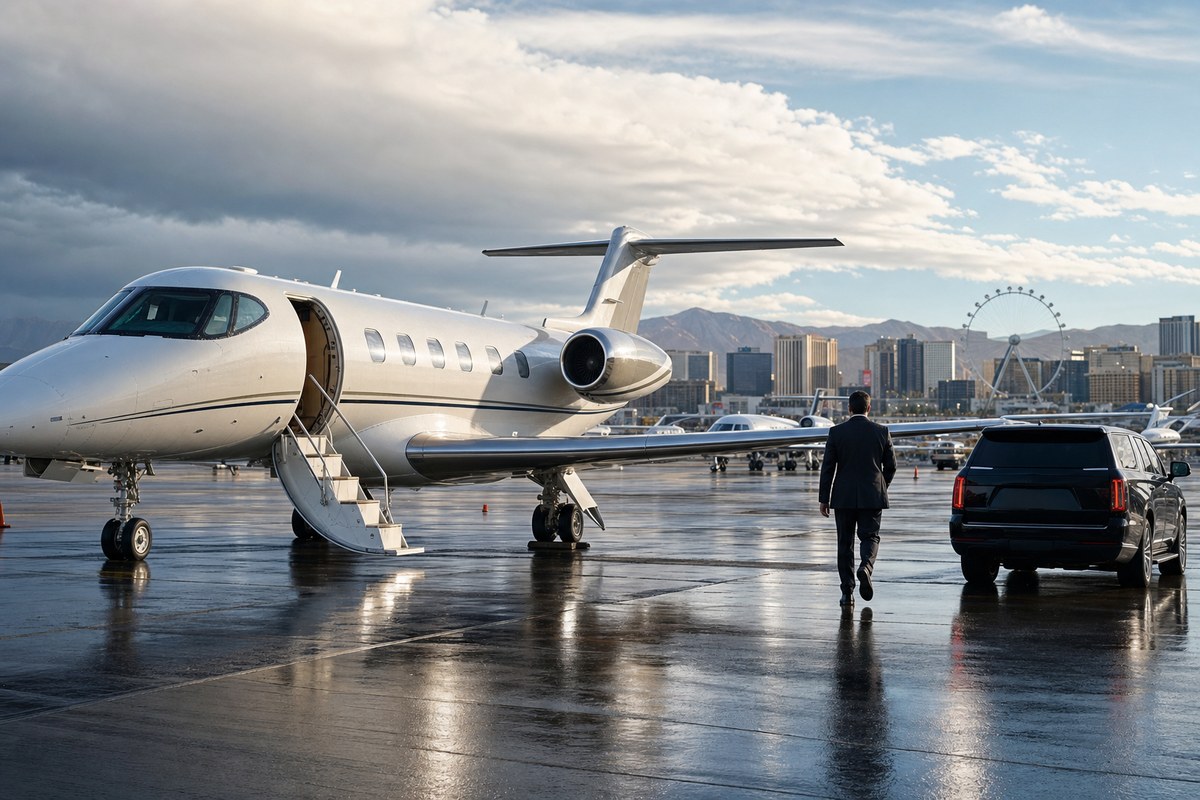
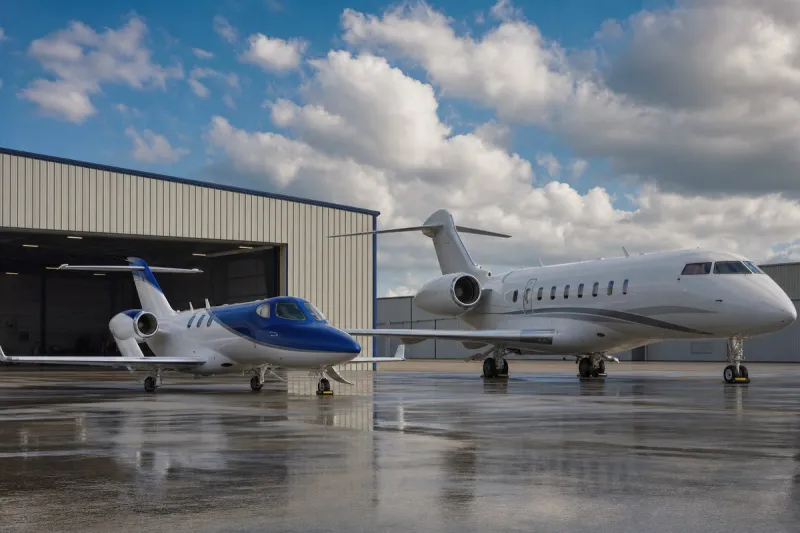
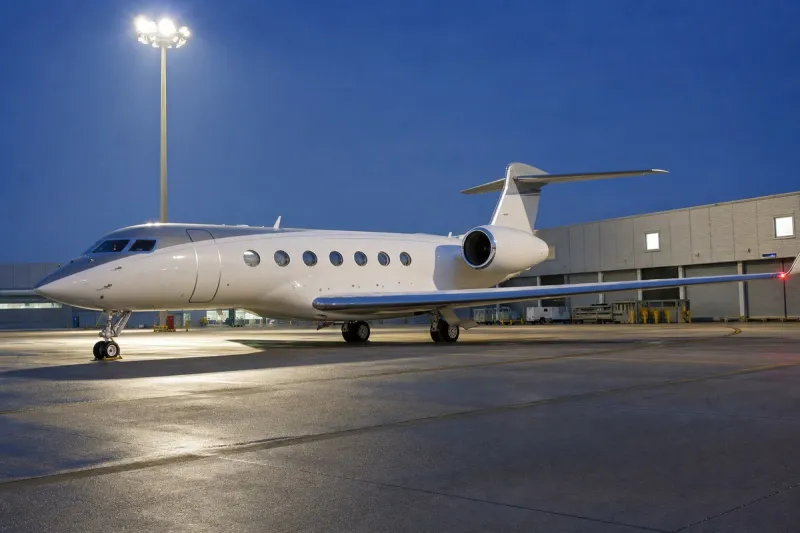
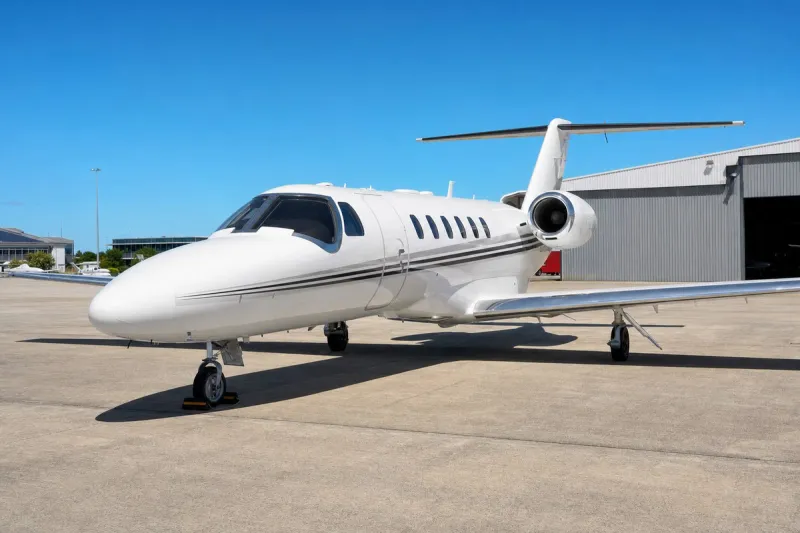
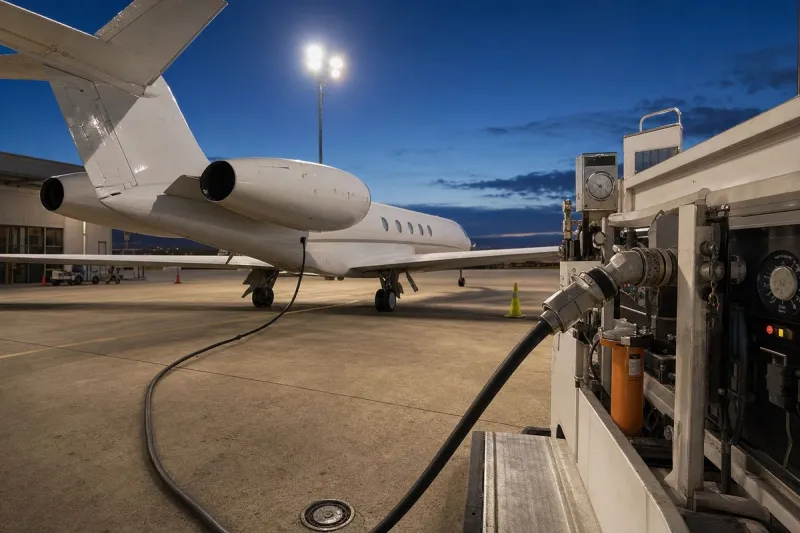
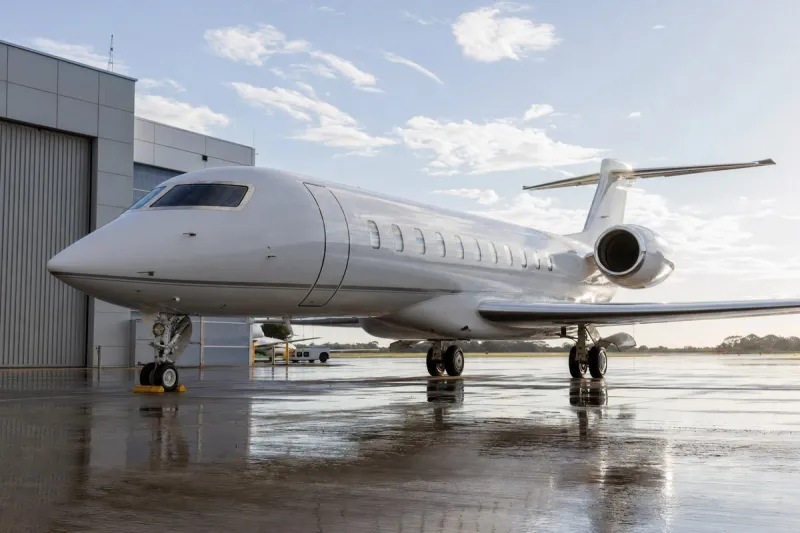
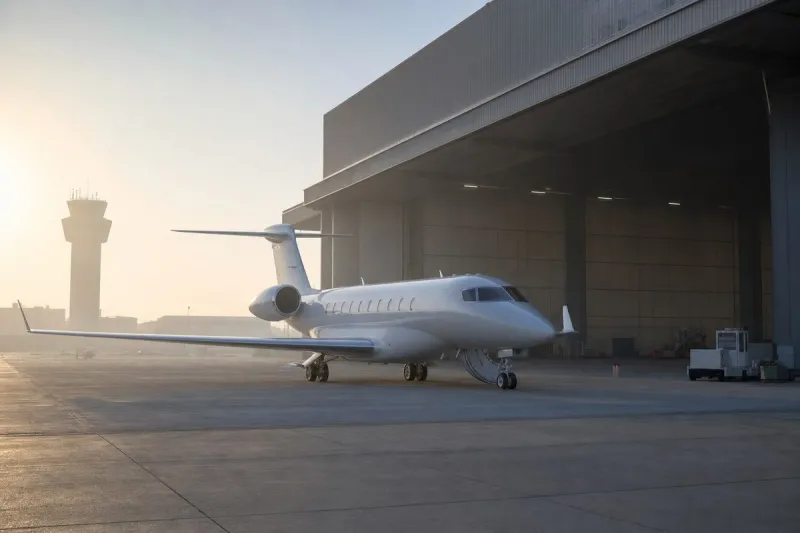
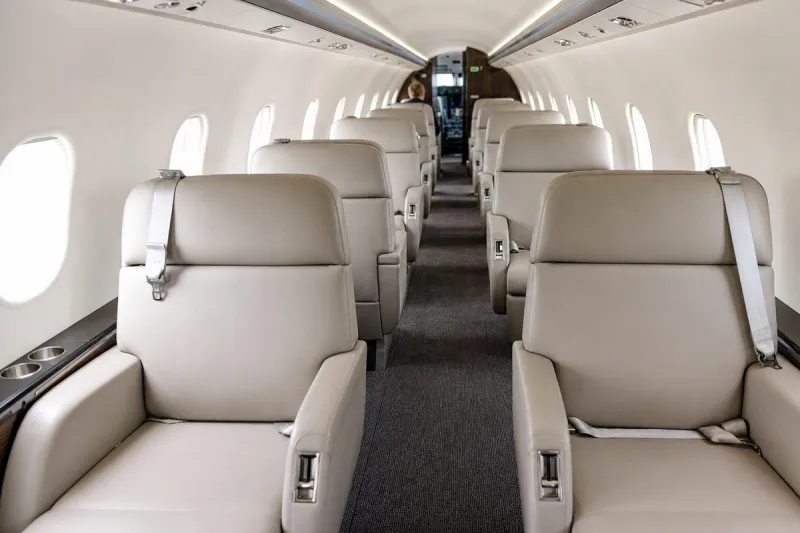
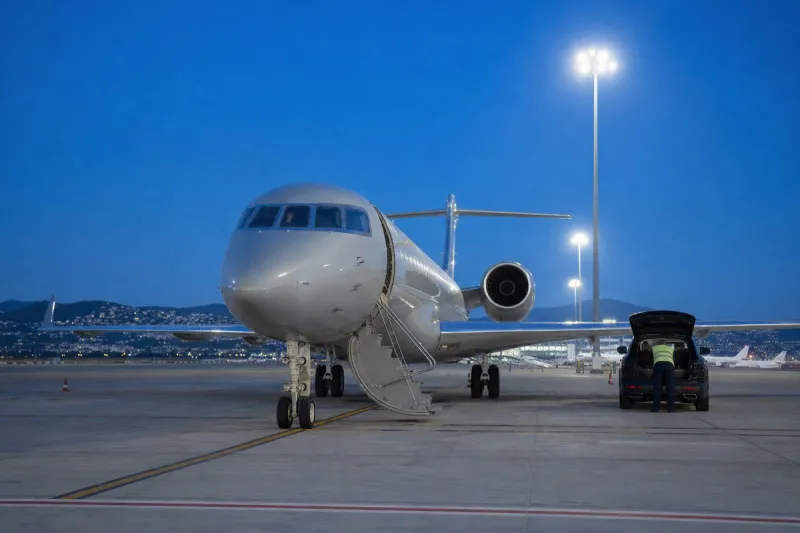
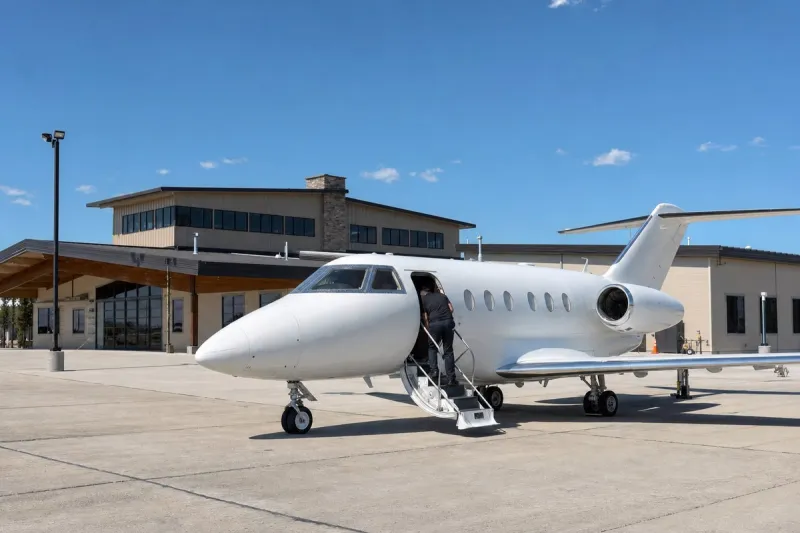
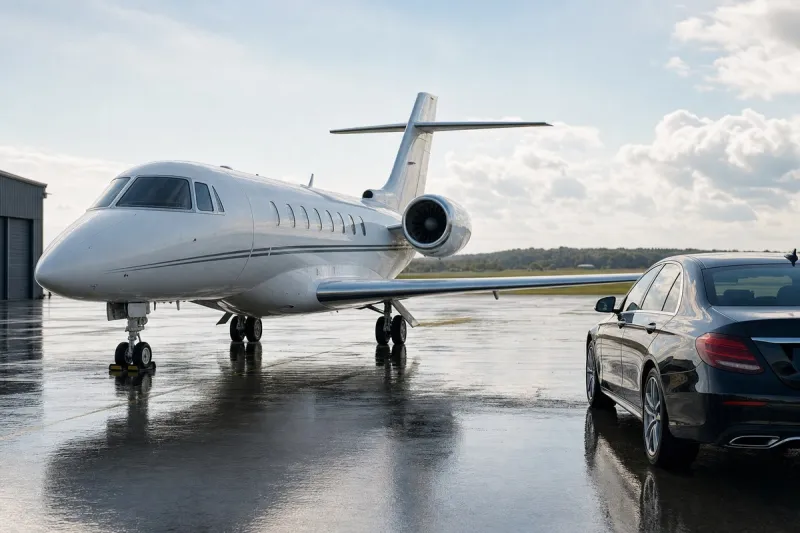
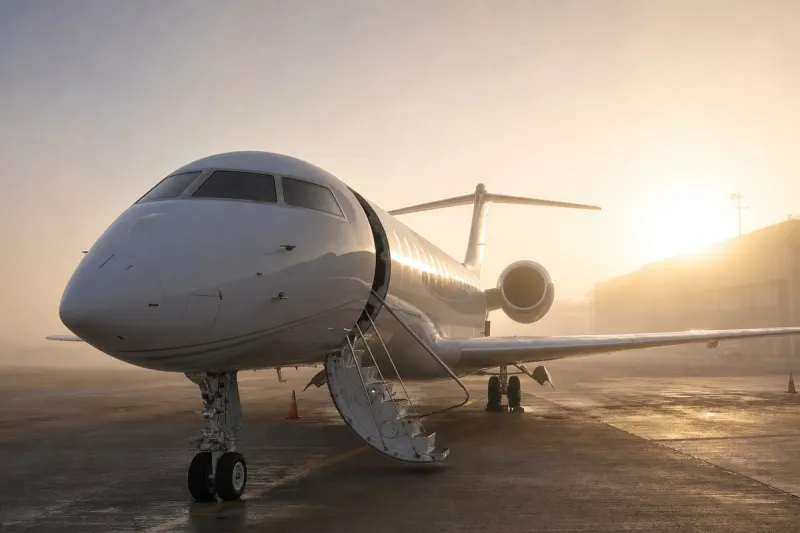
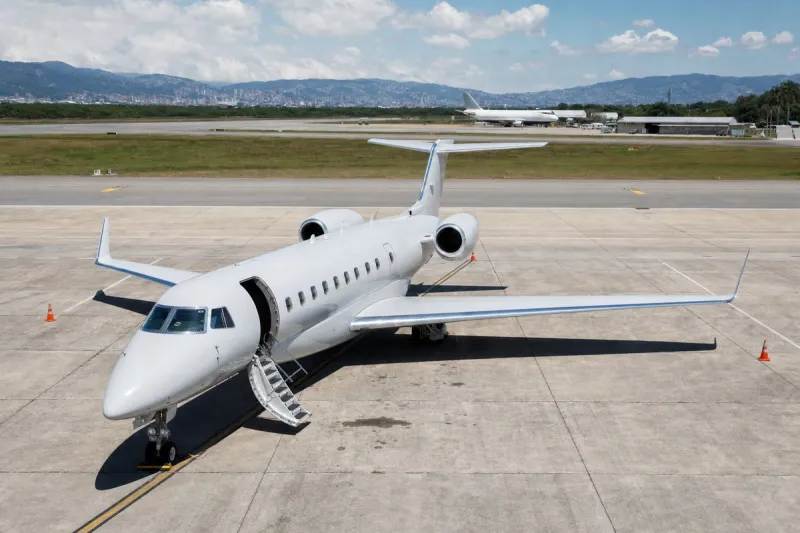
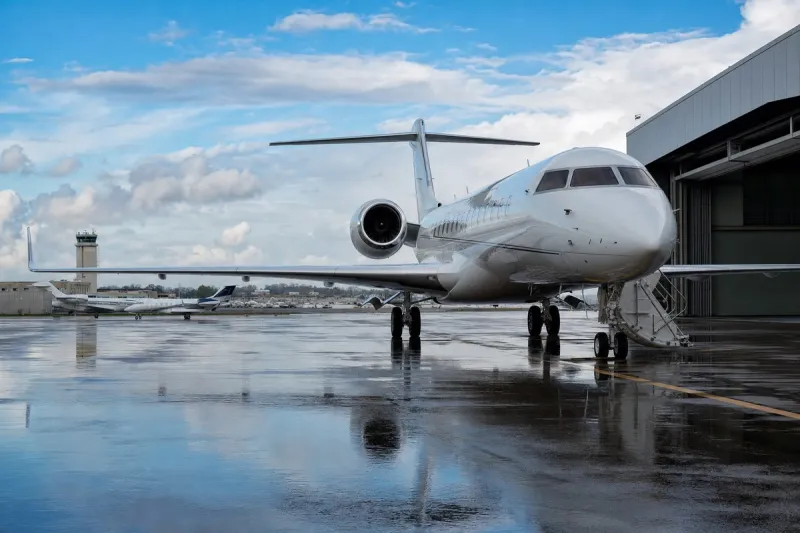
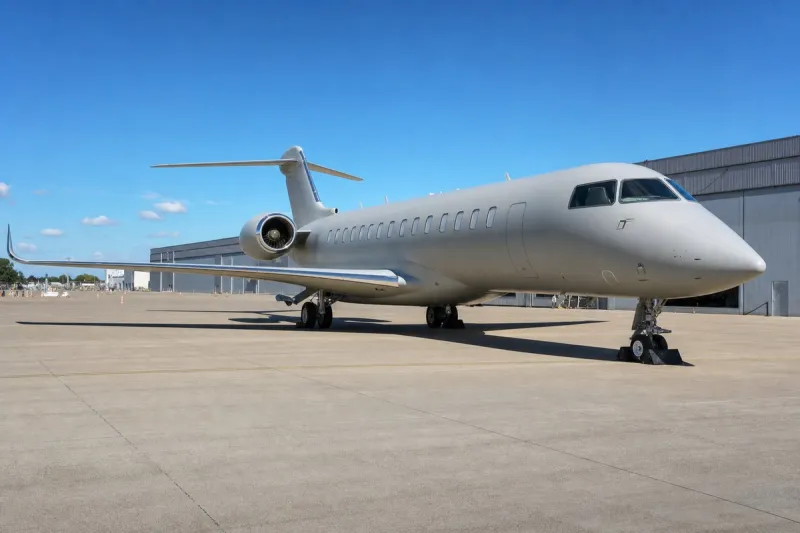
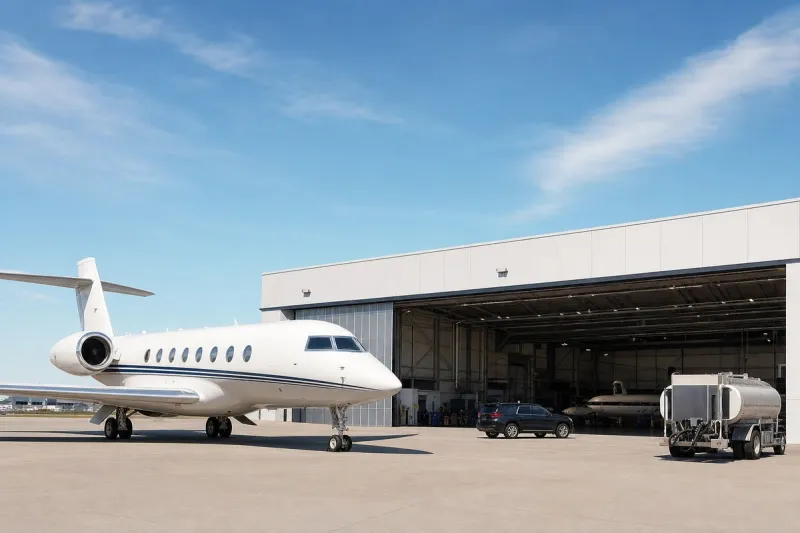
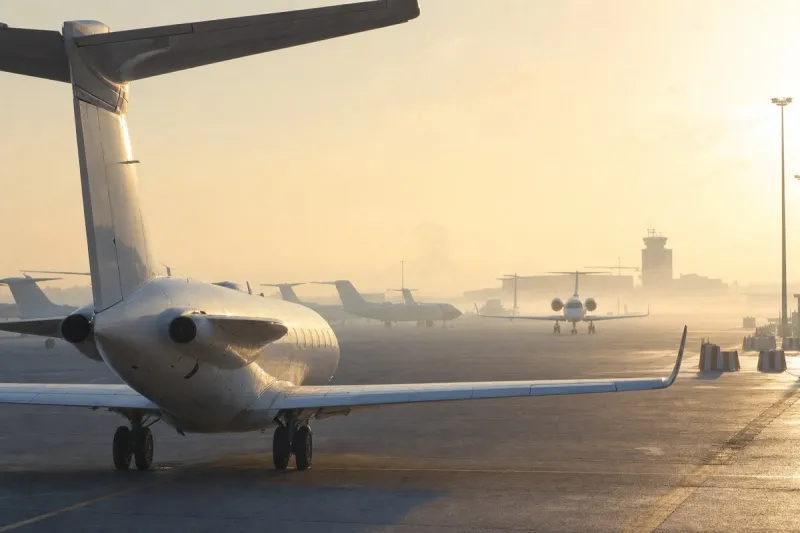
On the New York–Las Vegas route during F1 week, a round-trip first-class commercial ticket runs approximately $3,500 to $5,500 per person when booked months in advance. A heavy jet charter on the same route costs roughly $50,000 to $72,000 one-way and seats 10 to 14 passengers, placing the per-person cost in a comparable range while allowing simultaneous group arrival through a private terminal. From Los Angeles, a light jet charter priced at $6,000 to $16,000 one-way seats six passengers, putting the per-person cost below $3,000 each direction.
On the hospitality side, 2026 Las Vegas F1 package tiers include Paddock Club access starting at approximately $10,000 per person, covering pit-lane walks, gourmet catering, and open bar. The Wynn Grid Club, capped at around 400 guests, begins at $3,900 for Thursday and rises substantially for race day Saturday. The Trackside Tavern by Paramount+ offers covered seating with Start/Finish Line views from $1,636 for a single day.
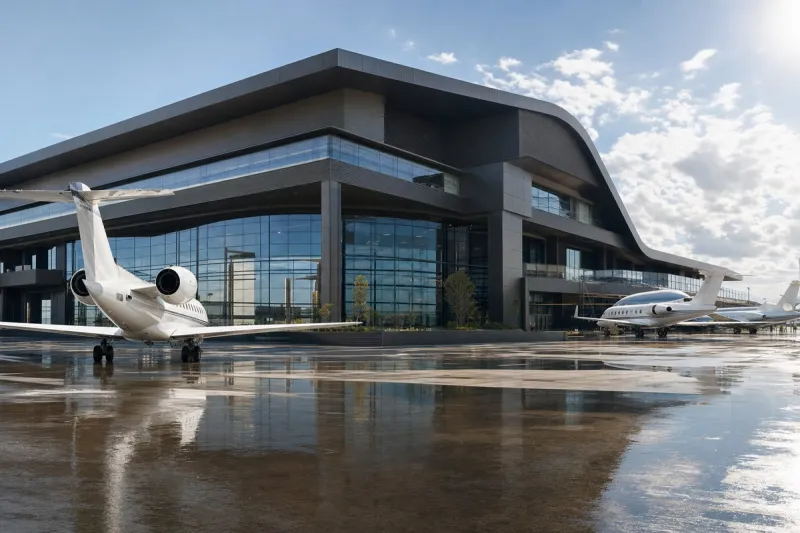
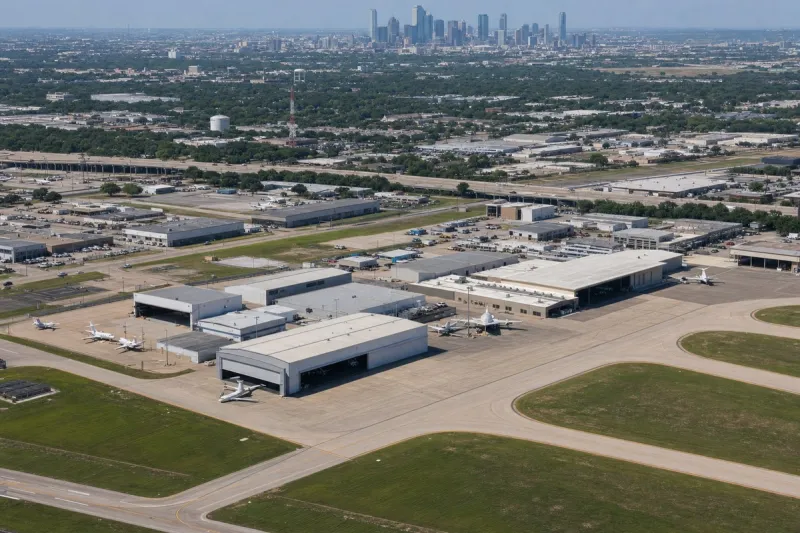
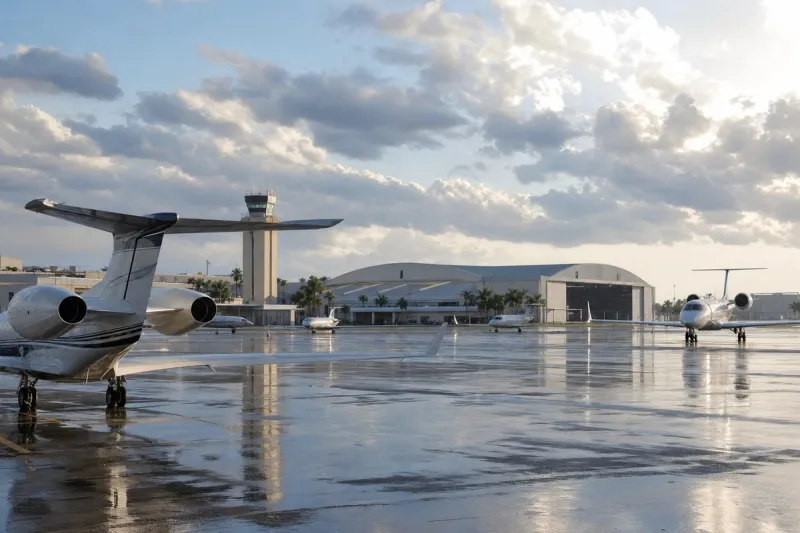
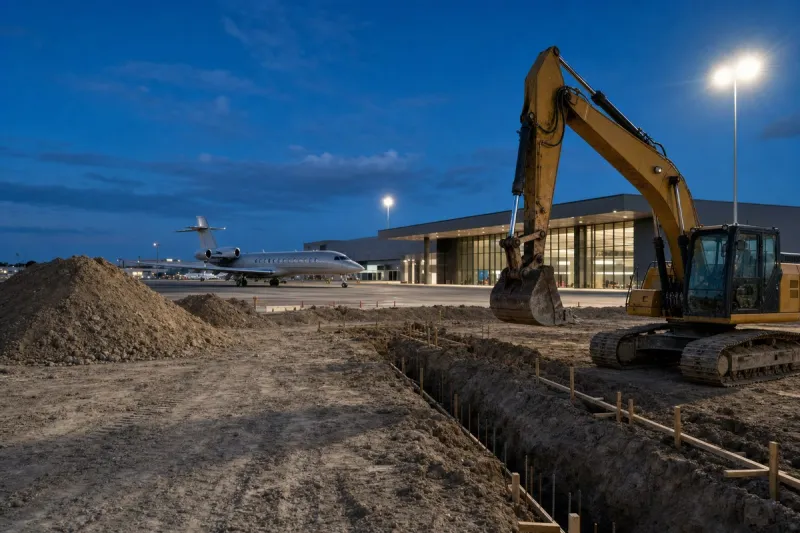
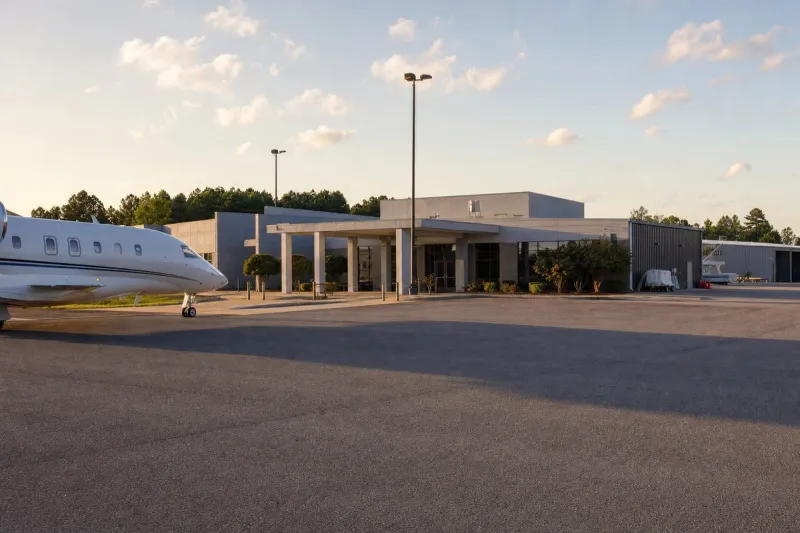
Rideshare surge pricing during qualifying nights has exceeded $200 for a three-mile ride, and road closures around the Strip Circuit begin hours before sessions. Operators route light and midsize aircraft through Henderson Executive Airport, located 15 miles southeast of the Strip, where clearance times on peak arrival days are faster than at Harry Reid International, with confirmed chauffeur transfers to Strip-front resorts taking 20 to 25 minutes. For the 2026 race, the substantive booking window opened in early summer and is expected to close by late September; groups confirming aircraft, hospitality, and hotel suites together by September pay base rates, while those waiting until October face a 25 to 40 percent premium and risk settling for lower hospitality tiers. The Las Vegas Grand Prix draws approximately 300,000 attendees across three nights on the Las Vegas Strip.
Industry impact & what to watch
This case shows how a single dense-demand weekend can flip the usual charter calculus: when enough passengers need to move on the same schedule, splitting a heavy jet's cost across a full cabin lands near the price of a planned first-class commercial seat, while also solving group coordination and terminal access that commercial travel cannot. That is why corporate desks that never booked a race weekend before are now treating it as a standard group-travel problem rather than an individual luxury purchase.
The segment's economics here also depend on timing discipline. Bundling aircraft, hospitality tier, and hotel suite into one decision by a fixed date is what keeps the per-person price competitive; missing that window compounds across three separate markets at once, since late buyers face both an aircraft premium and a hospitality downgrade simultaneously rather than just a higher airfare.
Ground-side capacity is the other constraint operators are optimizing around, with routing through a secondary airport rather than the main international field to avoid the surge pricing and closures affecting Strip access. Whether this pattern holds for 2026 will show up in how quickly the September booking deadline is enforced and whether the described October premium materializes as brokers described it.