Thrive Aviation launches fractional ownership programme with HondaJet and Bombardier Challenger 3500
Why It MattersThe structure shows fractional programmes increasingly separating aircraft ownership from operations, letting OEM-backed entities acquire jets while charter operators supply management and backup capacity.
What happened
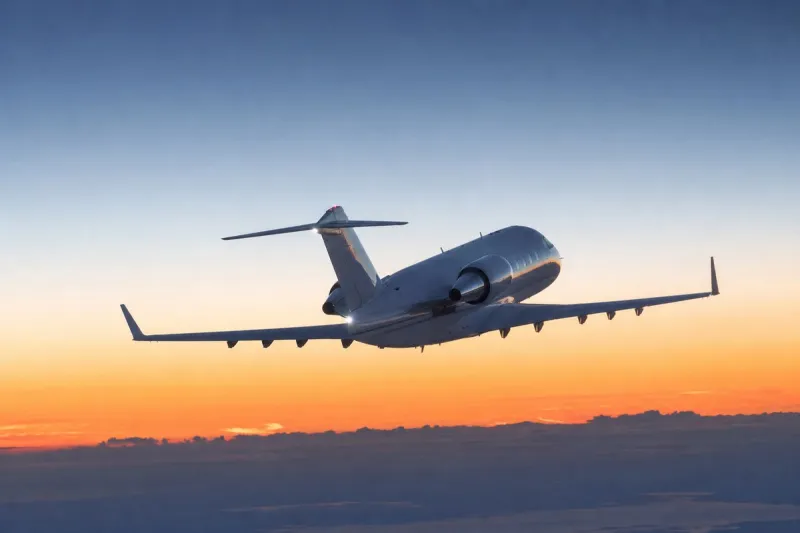
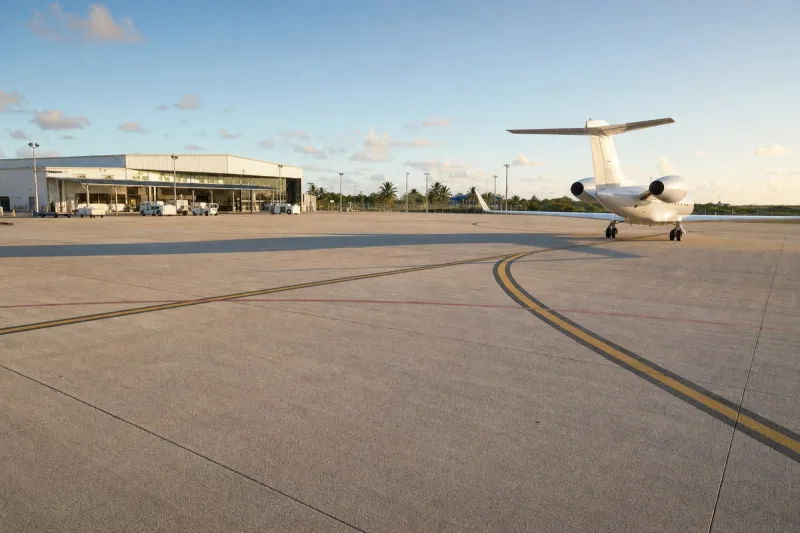
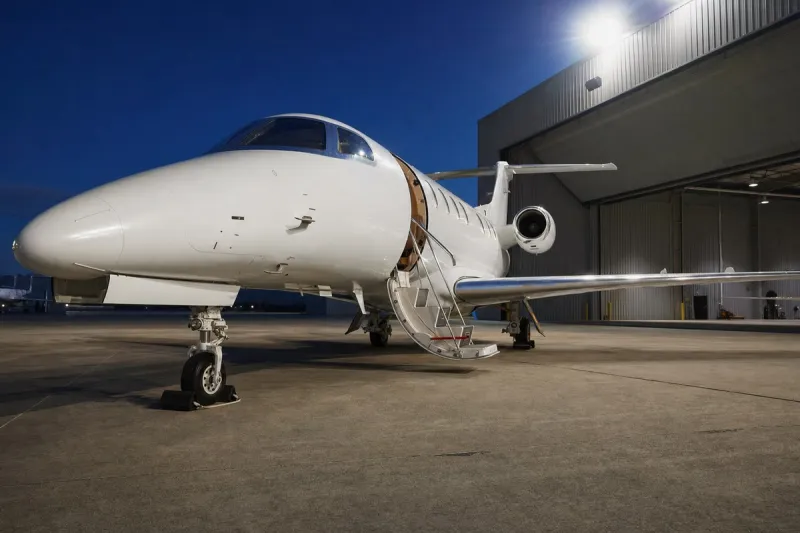
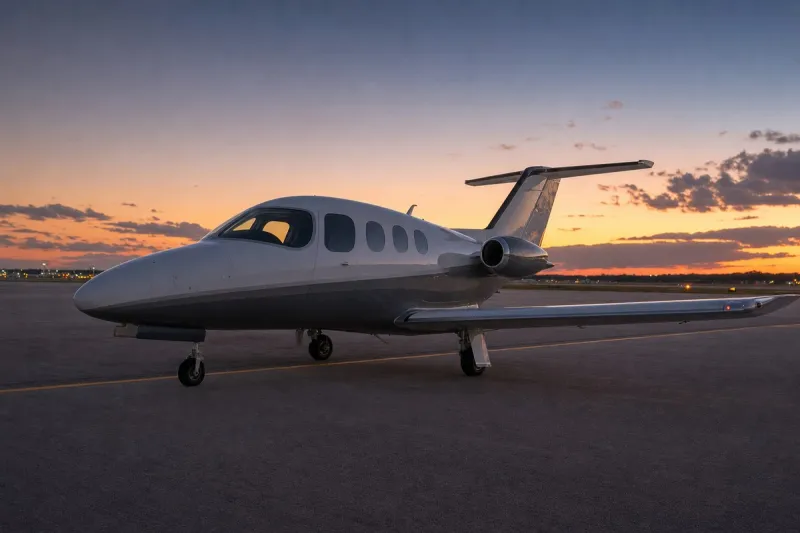
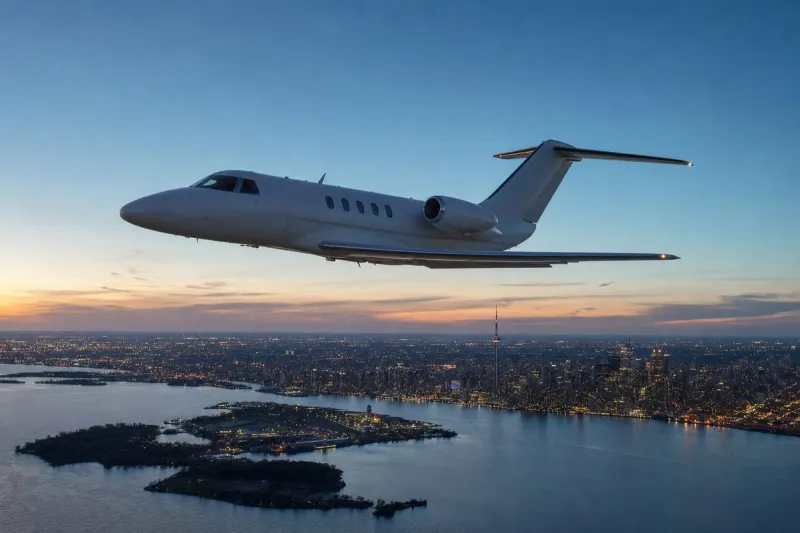
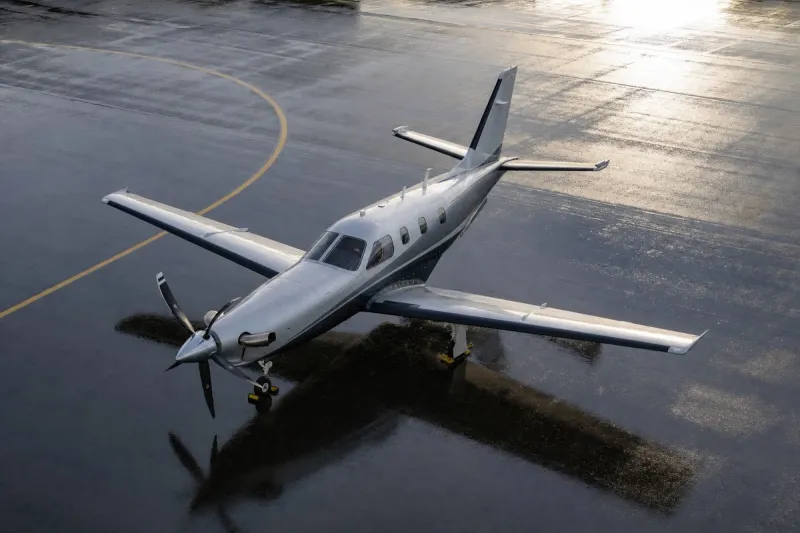
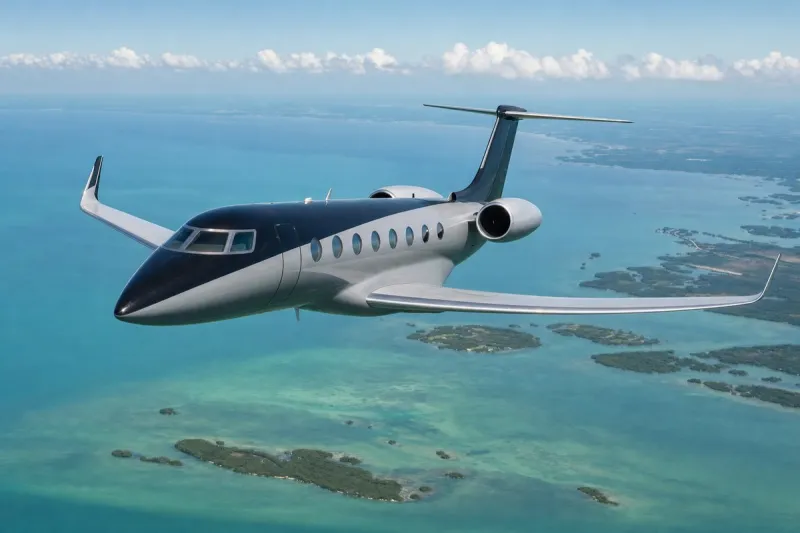
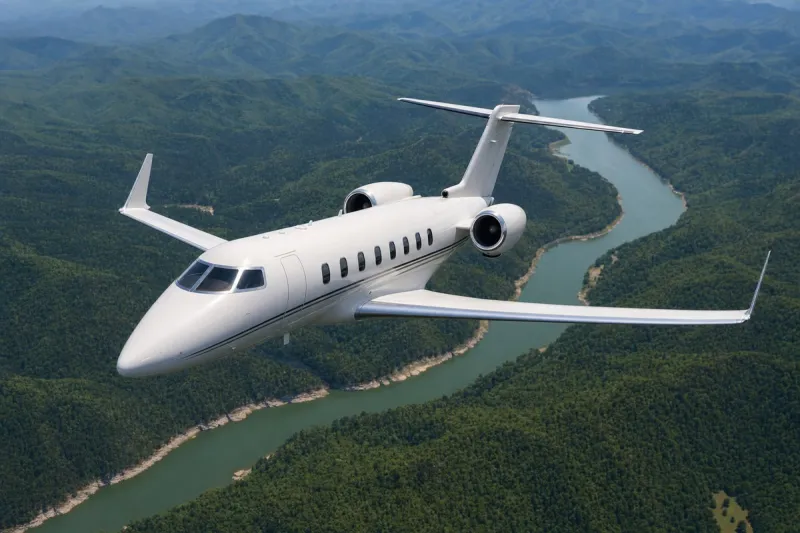
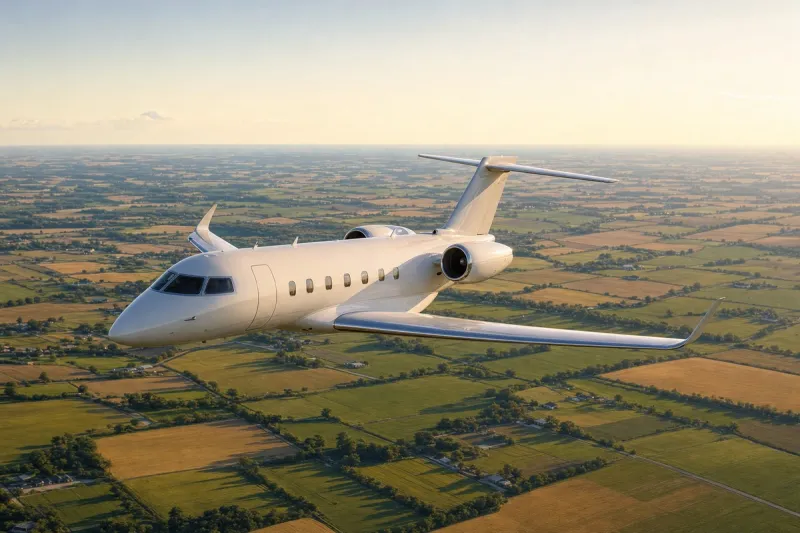
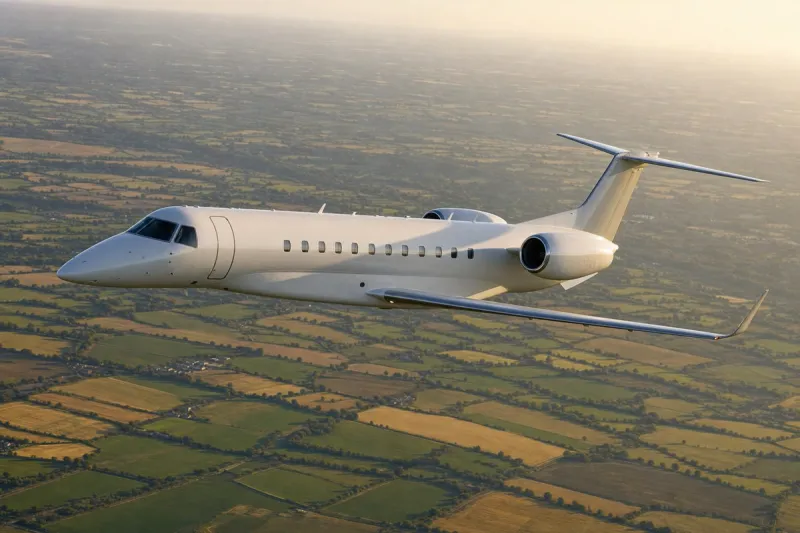
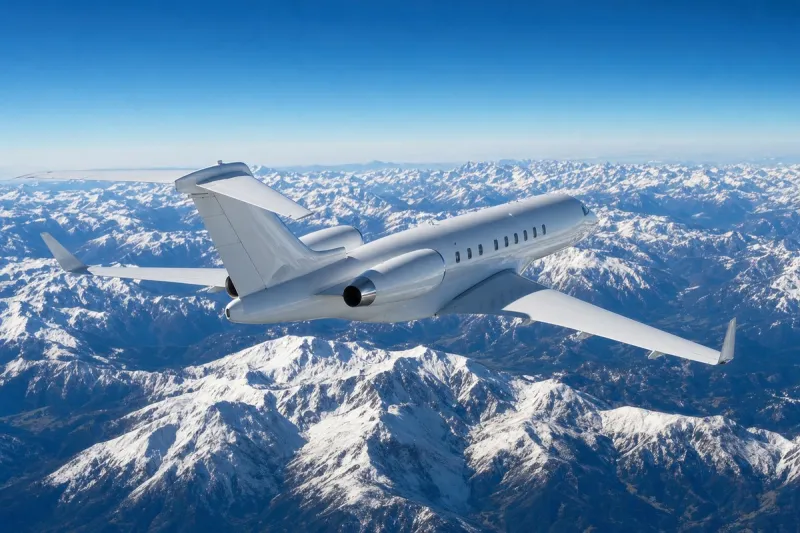
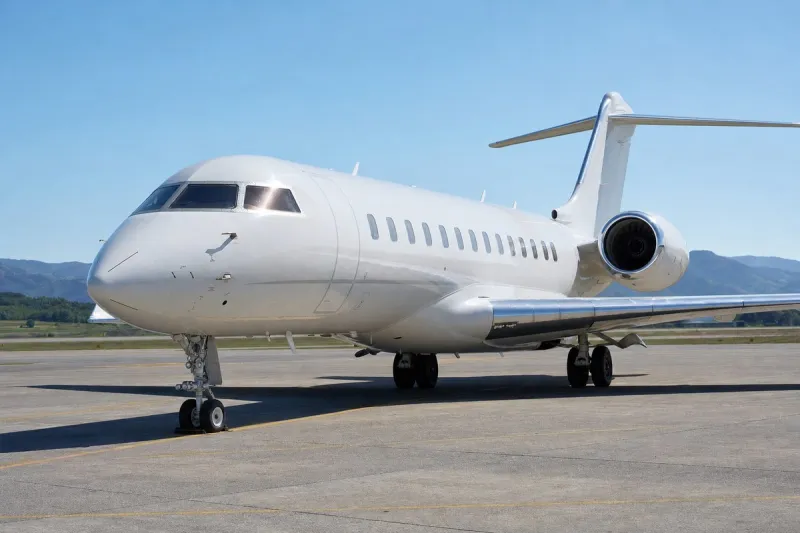
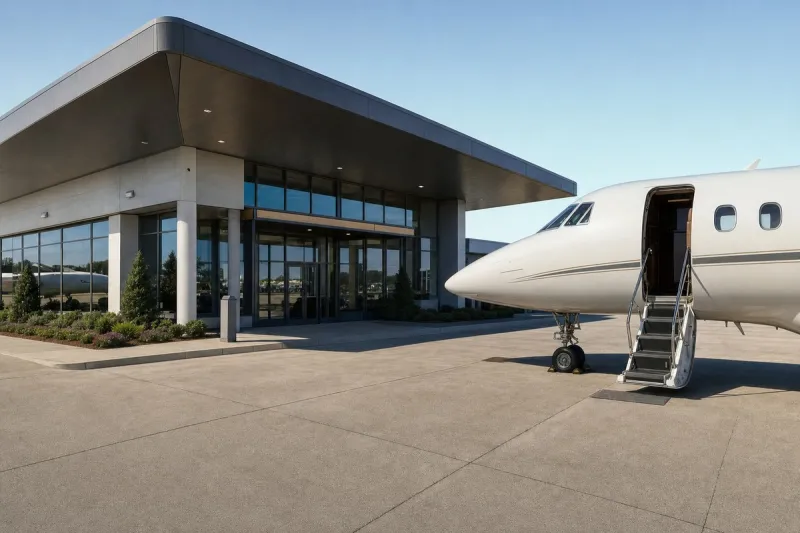
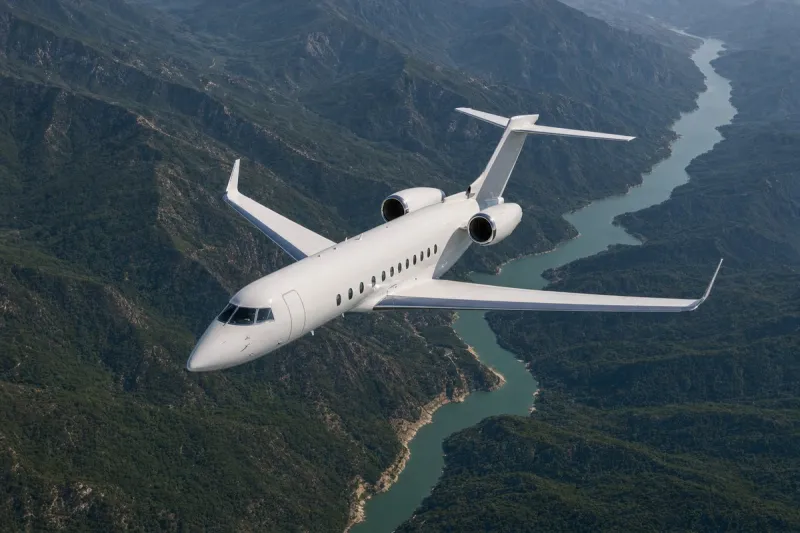
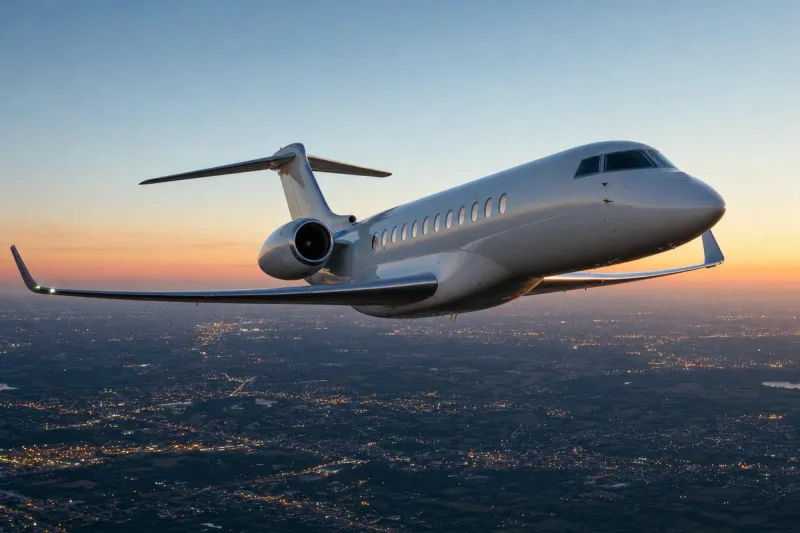
Thrive Aviation has entered the fractional ownership market, launching the programme with two aircraft types: a HondaJet HA-420 and a Bombardier Challenger 3500. The initiative is backed by a strategic partnership with Honda Aircraft Company, which created a new subsidiary, Arulian Air, to own and acquire the aircraft, with Thrive Aviation serving as the operator.
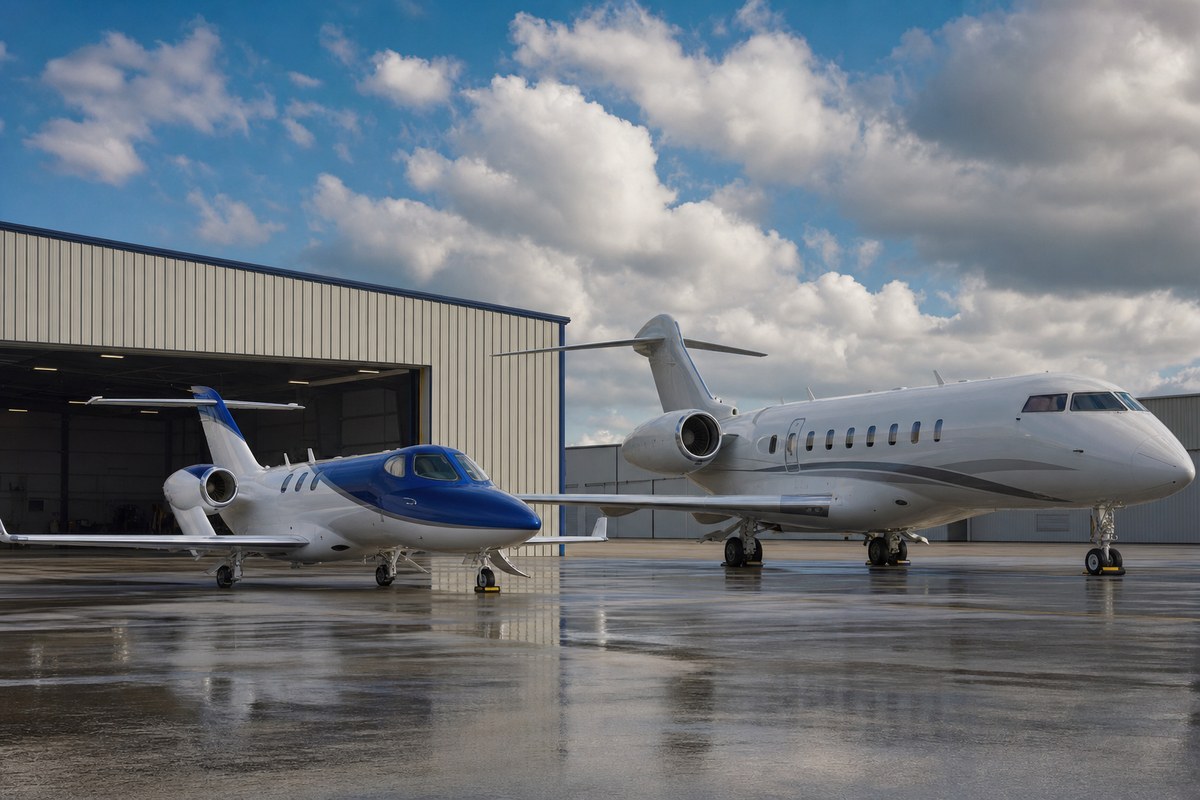
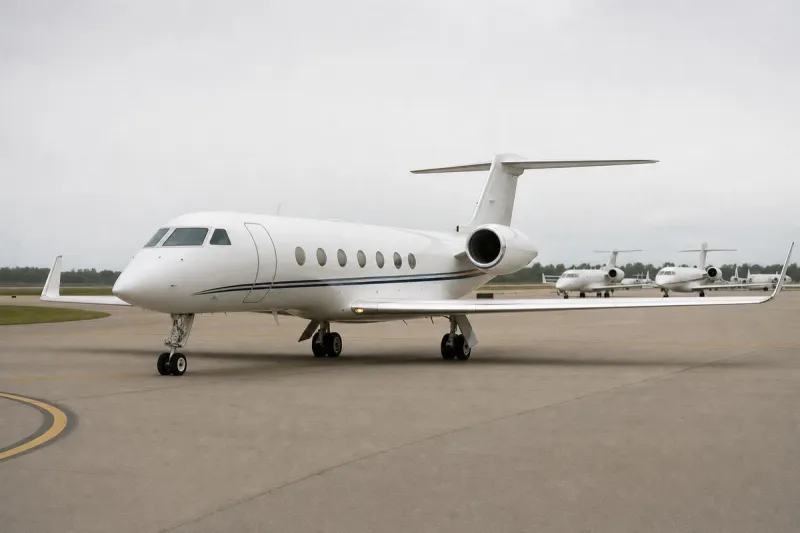
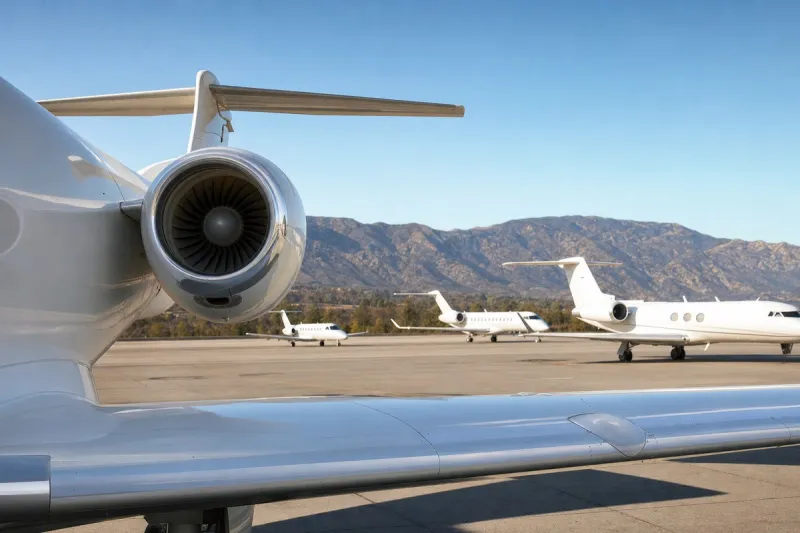
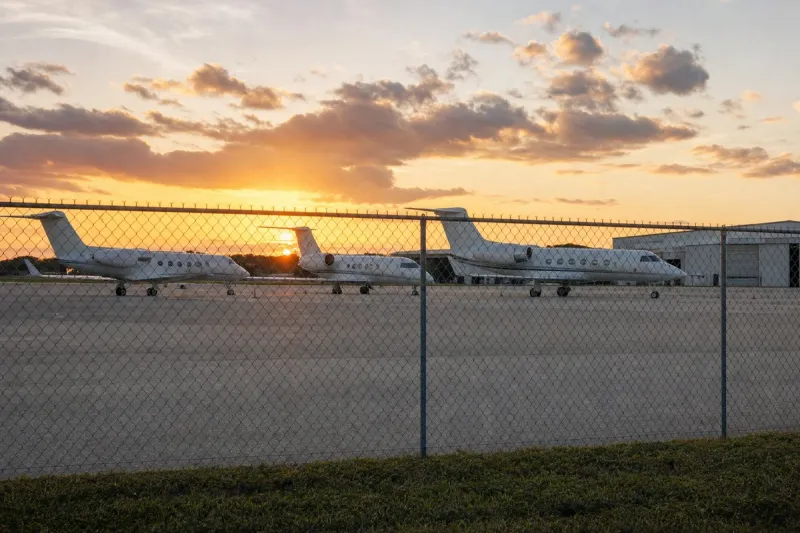
Curtis Edenfield, who co-founded Thrive Aviation with his brother after six years at Southwest Airlines, said the HondaJet HA-420 is suited to routes within California — from Southern California to Northern California — while the Challenger 3500 provides coast-to-coast capability. Thrive's existing charter fleet of approximately 30 aircraft, including G450s, a G600, Longitudes and Sovereigns, will serve as backup for the fractional programme.
Under the structure, Arulian Air sources and acquires the aircraft; when a fractional share is sold, ownership transfers to the buyer, and a separate management agreement is activated with Thrive Aviation receiving management fees. Arulian has also taken an undisclosed minority stake directly in Thrive.
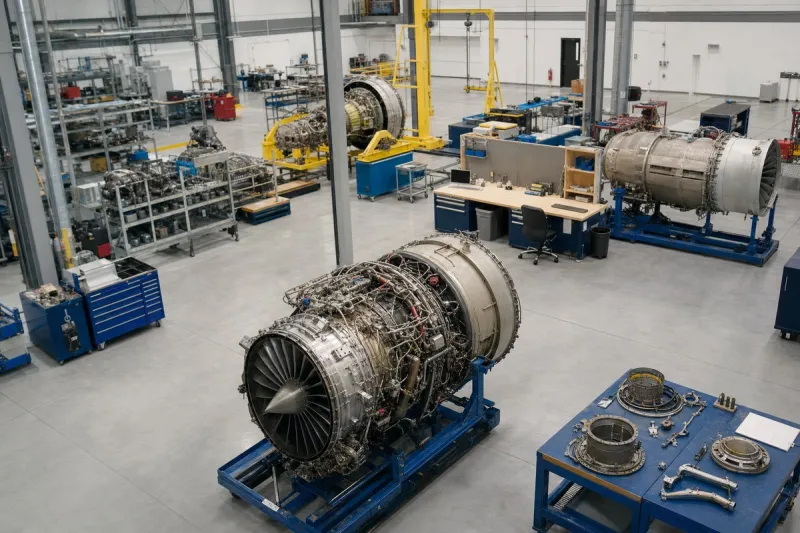
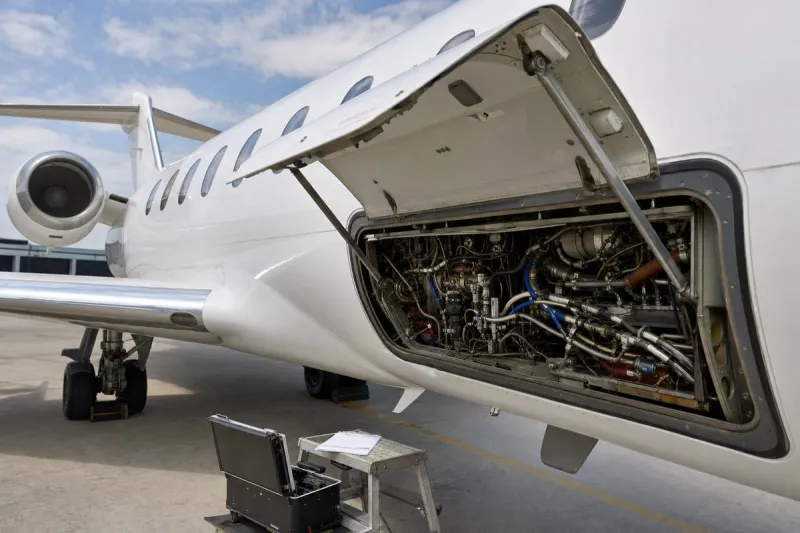
Edenfield said the programme will initially grow on a regional basis before expanding nationally, with further details expected at the NBAA convention later this year. He projected six to ten new aircraft per year for the programme — roughly two to four super-midsize jets and four to six HondaJets, subject to demand. Thrive Aviation, founded eight years ago, also operates aircraft management, a retail jet card and its own Part 145 MRO.
Ownership and management structure
The arrangement separates who buys the aircraft from who flies and maintains it. Arulian Air, the Honda Aircraft Company subsidiary, sources and holds the aircraft until a fractional share sells, at which point ownership passes to the buyer and a management agreement with Thrive Aviation takes effect, generating fees for Thrive. Arulian's undisclosed minority stake in Thrive itself adds a second financial link between the manufacturer-backed entity and the operator beyond the per-aircraft management contracts.
That dual role — equity partner and aircraft owner feeding a single operator — ties Honda Aircraft Company's fractional ambitions directly to Thrive's operating capacity, including the roughly 30-aircraft charter fleet that stands behind the programme as backup.
Industry impact & what to watch
This case illustrates a structure increasingly used to launch fractional programmes without the operator itself carrying aircraft ownership risk: a manufacturer-linked entity buys and holds the jets, while an established charter operator supplies crews, maintenance and backup lift under a management contract. Splitting ownership from operation this way lets an OEM extend its aircraft into a fractional model while the operator earns management fees rather than committing capital to acquisition.
How such regional fractional programmes typically prove out is through fleet growth pace and route density — Edenfield's plan to start within California before adding coast-to-coast capacity via the Challenger 3500 mirrors how backup capacity from an existing charter fleet is used to cover early gaps in a dedicated fractional fleet.
Further detail is expected at the NBAA convention later this year, where the pace of the projected six to ten aircraft additions per year and the split between HondaJets and super-midsize types should become clearer.