Global Piston Aircraft Deliveries Fall 3.1% in Q2 2026 While Turboprops and Business Jets Gain
Why It MattersThe quarter shows demand shifting up the general-aviation ladder, with growth concentrated in turboprop and jet segments even as entry-level piston trainer volumes soften.
What happened
Global piston aircraft deliveries declined 3.1% in the second quarter of 2026, with manufacturers shipping 786 aircraft compared to 811 in Q2 2025, according to shipment figures released by the General Aviation Manufacturers Association (GAMA). Turboprop shipments rose 7.8% and business jet deliveries increased 8.2% over the same period. The total value of all shipments for the quarter reached US$14.3 billion, up 15% year-on-year.

Among single-engine four-seat trainers, Cessna's C172SP was the only type to record growth, with 62 airframes shipped — 10 more than Q2 2025, a 19% improvement. The Piper PA28 fell 12%, while both the Cirrus SR20 and Tecnam P2010 were down 17%. Diamond's DA40 suffered the steepest drop, with only 11 airframes delivered against 38 in the same period last year. In the high-speed single market, Cirrus shipped 143 SR22/T airframes, up 4%, ahead of the Cessna C/T182T's 16 deliveries, the only other type in that category to reach double figures.
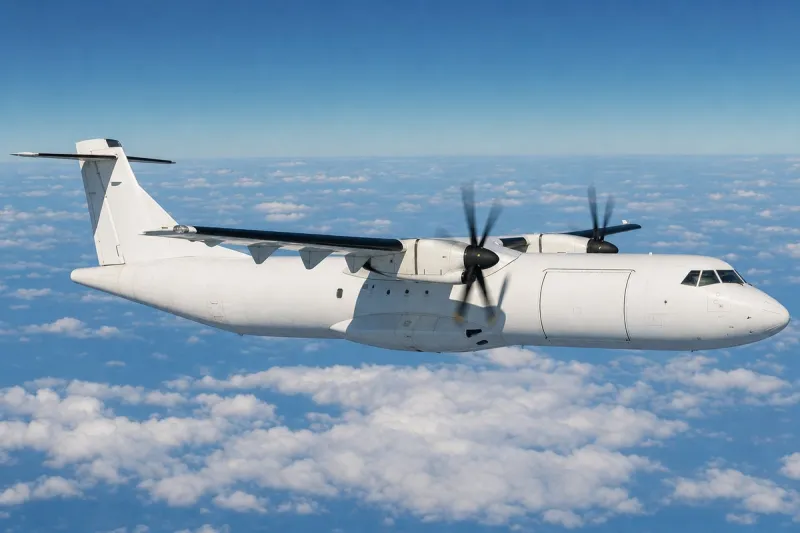
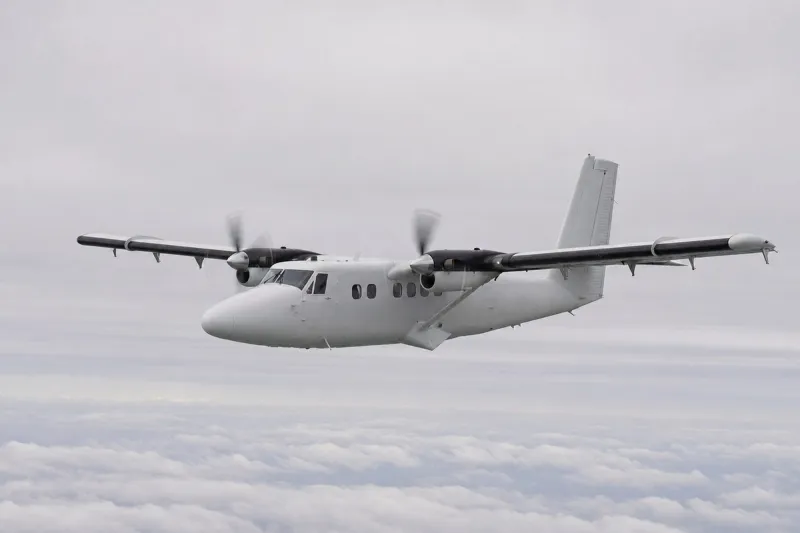
In the twin-engine piston segment, Diamond's DA42 deliveries fell 21%, while the DA62 retained its position as market leader despite a 13% decline to 14 shipments. Tecnam's P2006T posted a 50% increase, and Piper's Seminole rose 900% year-on-year, with Vero Beach shipping 10 airframes against just one in Q2 2025. In the single-engine turboprop market, Pilatus' PC-12 doubled its deliveries to 28, leading the segment, followed by Cessna's C208B with 19 deliveries. Epic's E1000 posted a 700% increase with eight aircraft delivered compared to one in Q2 2025, while demand for the Daher TBM rose 38% and Piper M-series turbines gained 27%. The single-pilot jet segment grew 15%, with 77 airframes tracked against 67 in Q2 2025: the Cirrus SF50 led with 36 deliveries, a 38% increase, ahead of Embraer's Phenom range at 24, while Cessna's M2 and the Pilatus PC-24 were both down 25%.
Industry impact & what to watch
The quarter's pattern is consistent with buyers trading up: entry-level piston trainers and twins mostly softened while turboprops, single-pilot jets and business jets all posted gains, and the 15% rise in total shipment value against a 3.1% drop in piston units points to a mix shift toward higher-priced aircraft rather than broader volume growth. That dynamic shows up cleanly within categories too — Cirrus's SR22/T grew modestly while its SF50 jet grew 38%, and Piper's M-series turbines outpaced its piston twins.
General aviation shipment counts are typically driven by a handful of high-volume types, so percentage swings on small bases can look dramatic without changing the competitive order: Piper's Seminole rising 900% and Epic's E1000 rising 700% both reflect low prior-year bases of one aircraft, whereas Pilatus's PC-12 and Cessna's C208B retain the largest absolute volumes in the turboprop segment regardless of percentage moves elsewhere.
The next GAMA quarterly release will show whether the piston trainer decline, led by Diamond's DA40 falling to 11 units from 38, is a one-quarter dip or the start of a trend, and whether the turboprop and business jet gains persist as buyers continue moving toward higher-capability aircraft.