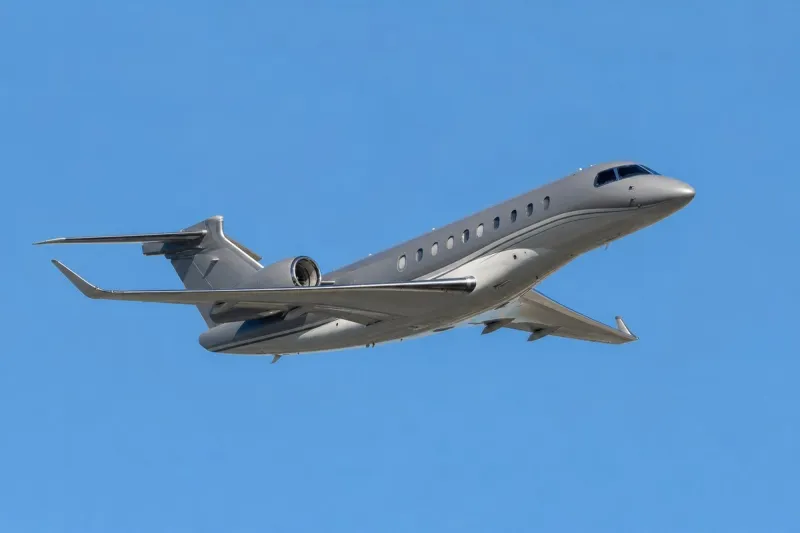
Ultra-Long-Range Business Jets Dropping Published Prices as 'Make Offer' Listings Rise, Jet Match Reports
Why It MattersPublished asking-price data across the resale jet market is becoming less reliable as a demand gauge, since headline declines can mask model-level price gains when comparable listings are scarce.
What happened
Aircraft brokerage Jet Match's latest quarterly market report found that five of the preowned ultra-long-range business jet market's top models have effectively stopped carrying published asking prices. The Gulfstream G600, G650, and G650ER, along with the Bombardier Global 6000 and Global 7500, are increasingly listed as "Make Offer" rather than at stated prices, a practice Jet Match said is now spreading into other categories.
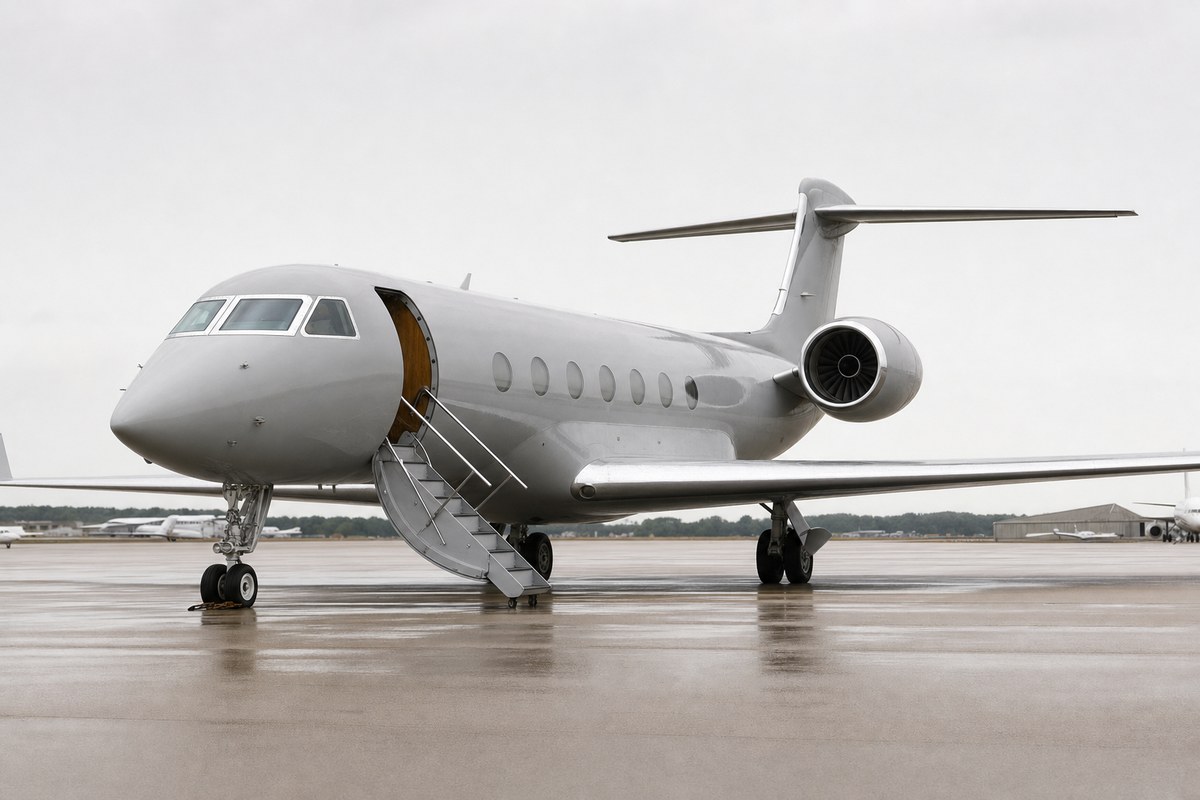
Taken at face value, published asking prices across all jets and the ultra-long-range segment fell roughly 30% year over year, but on a model-by-model basis, where comparable listings still exist, prices mostly rose. Jet Match cited Gulfstream G650 asking prices up as much as 20% on thin supply, the Dassault Falcon 7X up 10%, and the Bombardier Global Express up 6%.
Jet Match tracked 84 ultra-long-range resale transactions in the second quarter, the strongest three-month result for the segment since the brokerage began its reports in 2024, up 44.8% year over year. The number of ultra-long-range jets listed for sale stood at 114, down 30.9% from a year ago, bringing months of supply to 4.1, compared with a 2016–2019 average of roughly 12 months. Days on market for all jets rose 20.4% year over year to 378 days, the highest level since the third quarter of 2022, which Jet Match attributes to a widening gap between well-priced aircraft that sell quickly and aging, stale listings that remain unsold.
Industry impact & what to watch
The spread of "Make Offer" listings across top ultra-long-range models points to a market where sellers with thin competing inventory no longer see value in anchoring buyers to a public number. When supply for a given model is scarce enough, sellers can extract information from each individual buyer instead of revealing their reserve to the whole market at once.
This distorts how aggregate pricing data behaves in a resale market: a segment-wide average can fall even while the specific aircraft still being priced openly are getting more expensive, because the units withdrawn from published pricing are disproportionately the scarce, high-demand ones. Months of supply at 4.1, against a 2016–2019 average of roughly 12 months, is consistent with sellers of the tightest models feeling little pressure to post a price at all.
The widening split in days on market, up 20.4% to 378 days overall, alongside record quarterly transaction volume, suggests two markets operating side by side: well-priced aircraft moving quickly and stale listings sitting unsold. Whether "Make Offer" spreads further into other jet categories, as Jet Match says it already is, will show whether this is a broader repricing mechanism or one specific to the tightest ultra-long-range models.