Cirrus Executive Zean Nielsen: Capacity-Constrained Growth, TRAC10 Flight Training, and $100M Annual Investment
Why It MattersCirrus's push to fix pilot-training completion and manufacturing throughput shows how piston and single-engine turboprop demand growth now hinges on training capacity and workforce pipelines as much as production lines.
What happened
Cirrus representative Zean Nielsen said the company is not demand-constrained but capacity-constrained, meaning it can sell more aircraft than it currently builds. He said Cirrus focuses on moving three to seven passengers on regional trips of 300 to 500 miles, and that 25% to 28% of new orders each year come from first-time aviators who have never held a pilot certificate, owned an aircraft, or participated in fractional ownership. Nielsen put the operating cost of an SR Series aircraft at approximately $300 per hour.
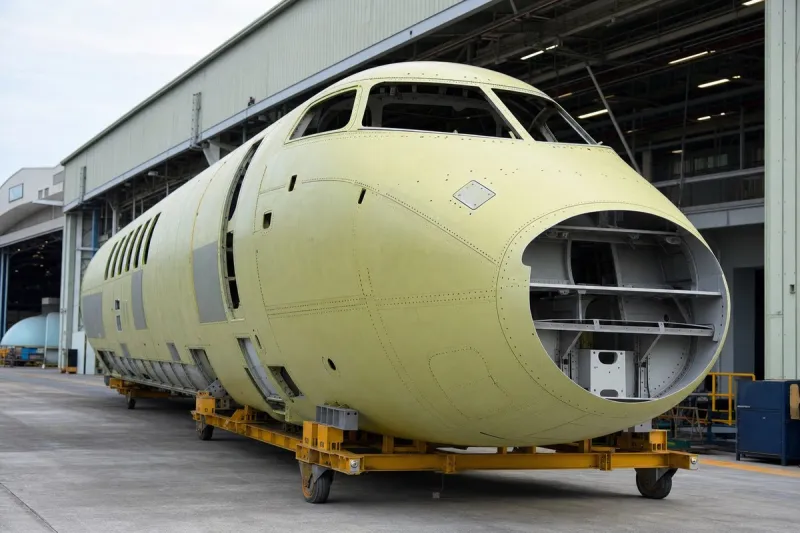
Cirrus invests roughly $100 million annually across product development and innovation, capacity expansion covering manufacturing, service and flight training networks, and technology infrastructure including its Cirrus IQ mobile aircraft management platform. This month the company announced the grand opening of an expanded Grand Forks facility, adding approximately 75,000 square feet for composite manufacturing including wing and fuselage layup and bonding; finished components then move to Duluth for final assembly. A new 60,000-square-foot warehouse is expected online within about a month. Cirrus has also opened a dedicated Talent Center at its Duluth headquarters to move technician training off the production floor.
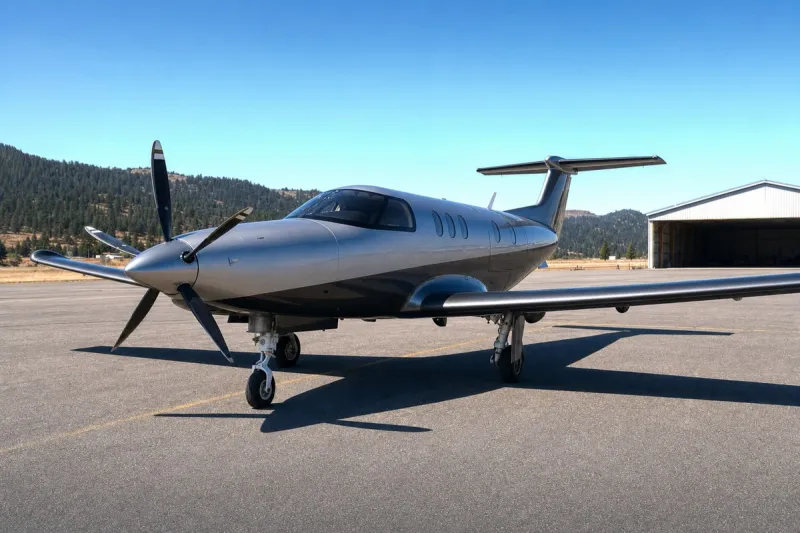
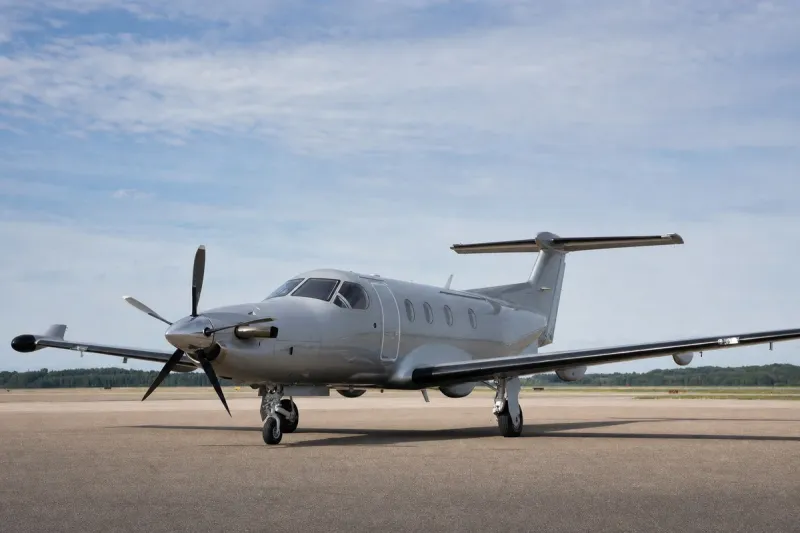
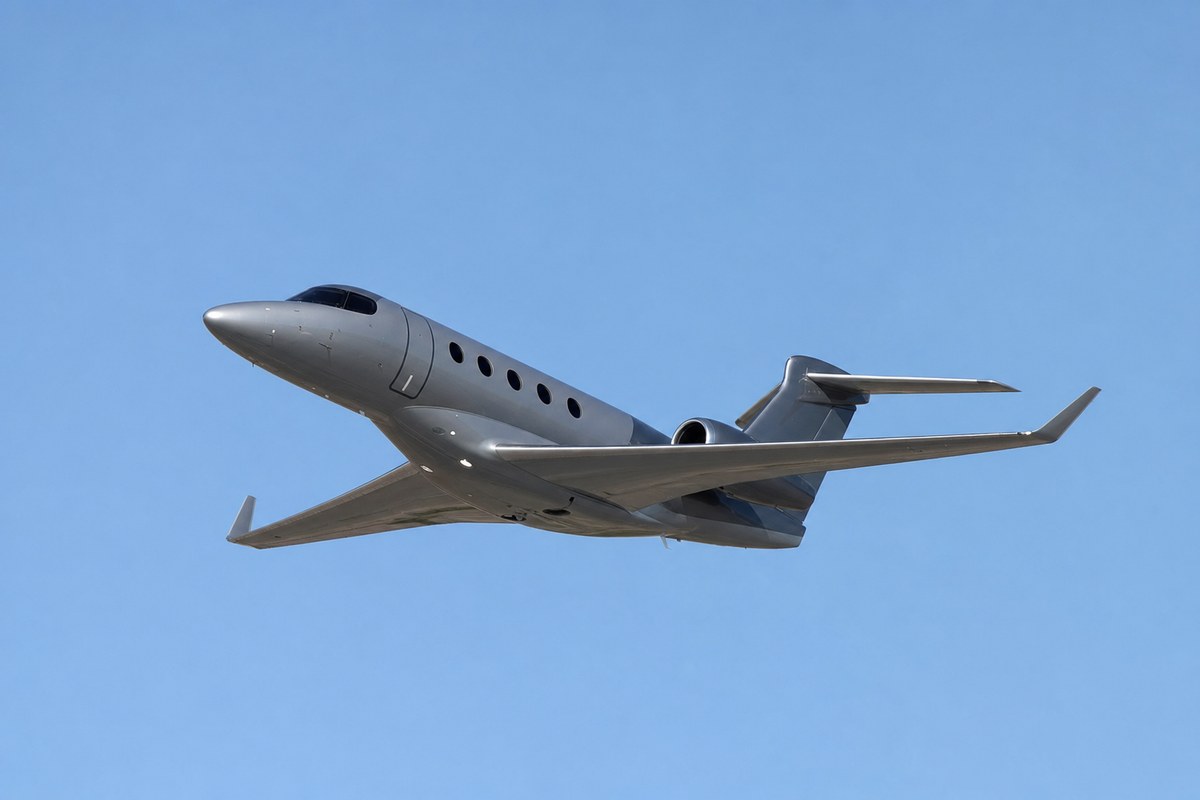
The company hires roughly 200 to 250 employees each year, with manufacturing among the largest hiring areas, and production-line technicians are trained station by station on a cycle that moves approximately every three hours. Nielsen said roughly 90% of people who begin private pilot training never complete it, and described the TRAC10 as a clean-sheet design meant to improve that completion rate by treating training as an ecosystem problem. He said the Cirrus Approach Flight Training system lets students complete ground school remotely, reserving instructor time for flight training, and pairs aircraft-specific curriculum covering SR Series speeds, weights and avionics with on-site simulators so weather cancellations do not halt a student's progress.
Industry impact & what to watch
This account describes a manufacturer pushing against its own production and training pipeline rather than against soft order books, a pattern that shifts the constraint in single-engine piston aviation from selling aircraft to building them and to producing pilots able to fly them. Nielsen's figures point to a segment where first-time aviators already make up roughly a quarter to just over a quarter of new orders, so the industry's growth ceiling sits as much in flight-school completion rates as in factory output.
The 90% dropout figure Nielsen cited frames flight training as the tighter bottleneck of the two: expanding composite manufacturing in Grand Forks adds physical capacity, but if most aspiring pilots never finish training, aircraft delivered still need buyers who can fly them. Pairing remote ground school with on-site simulators and an aircraft-specific curriculum is Cirrus's attempt to treat that dropout rate as fixable through process rather than accepting it as a fixed cost of entry.
What remains to be seen is whether the TRAC10 and the Cirrus Approach system measurably raise the completion rate once in wider use, and whether the new Grand Forks capacity and warehouse space translate into shorter delivery lead times once the facility and the incoming technician pipeline are fully operational.