Why Private Jets Cruise at 41,000–51,000 Feet While Airliners Top Out Near 41,000
Why It MattersThe altitude gap shows how lighter business jets can trade weight and traffic density for direct routings and smoother air, an operating advantage commercial fleets cannot access at their working weights.
What happened
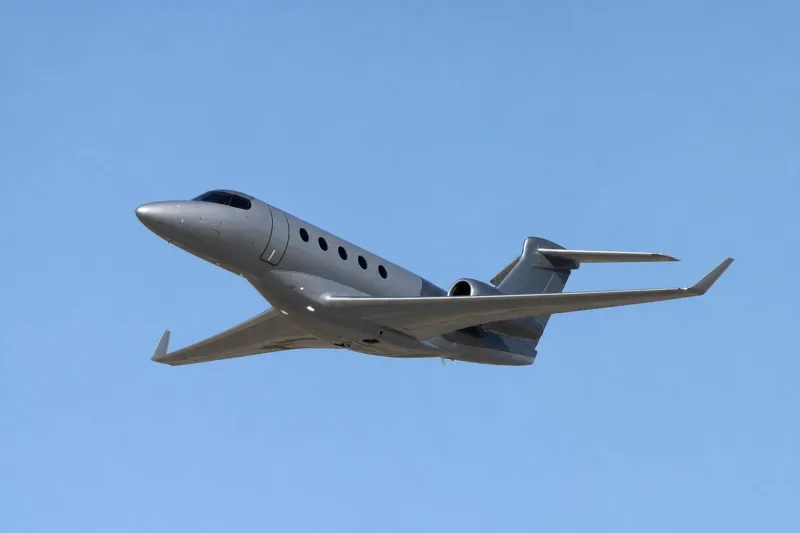
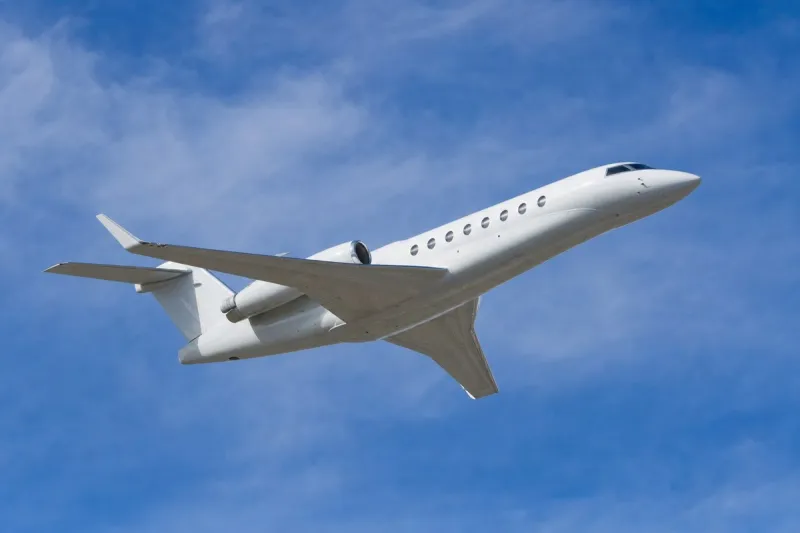
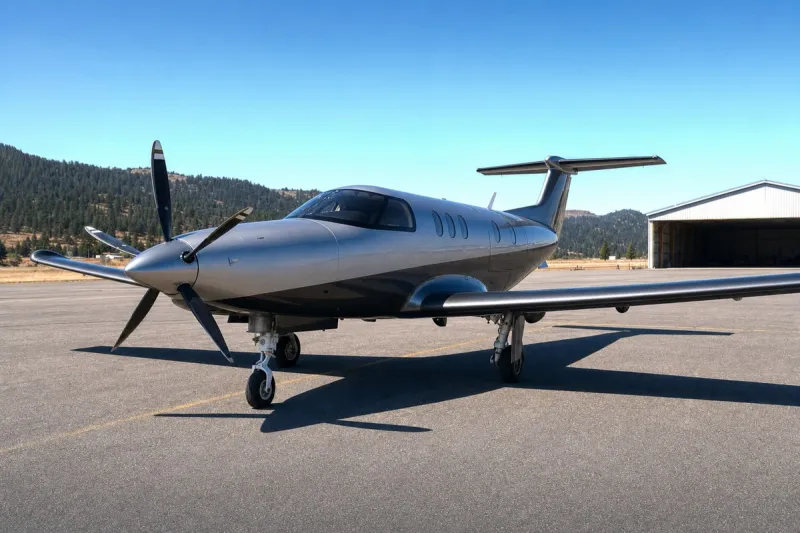
Commercial airliners typically cruise between 30,000 and 41,000 feet (9,144–12,500 m), while private jets routinely operate between 41,000 and 45,000 feet (12,500–13,700 m), with some models reaching 51,000 feet (15,500 m). Five factors account for the gap: aircraft weight, engine performance, air traffic distribution, aerodynamic drag, and weather layer boundaries.
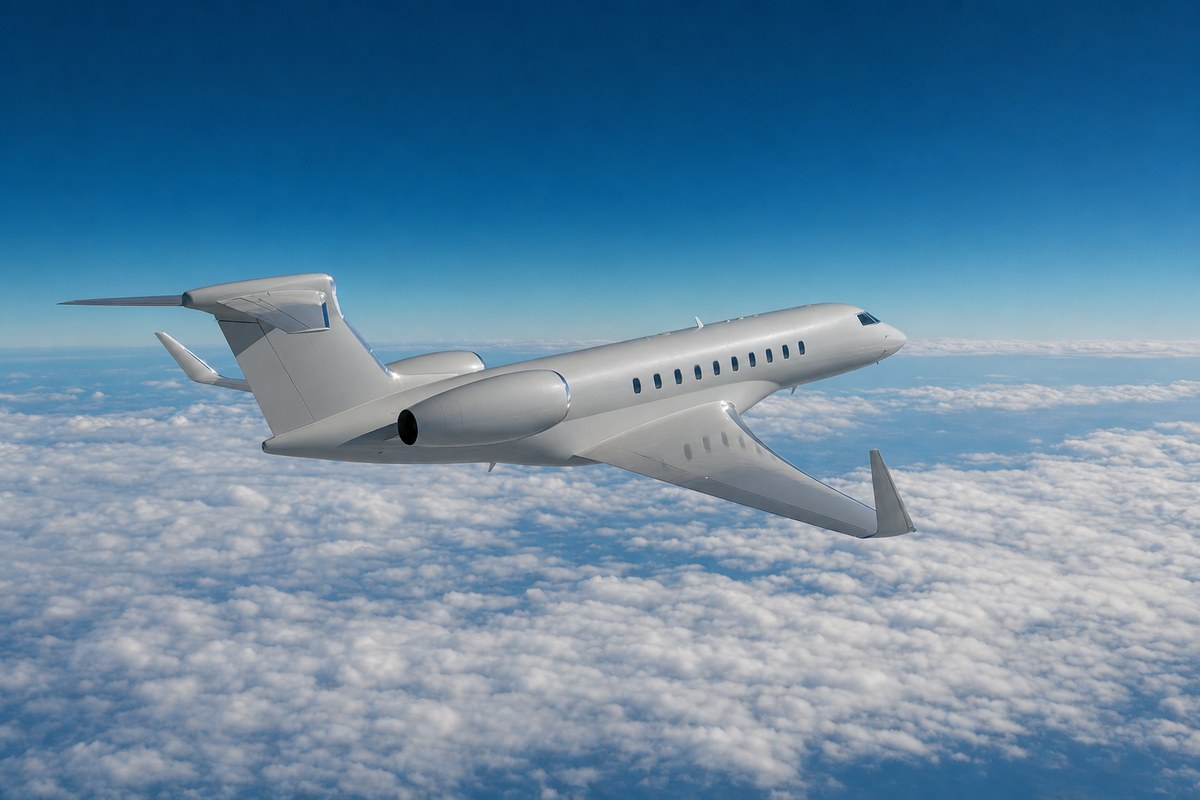
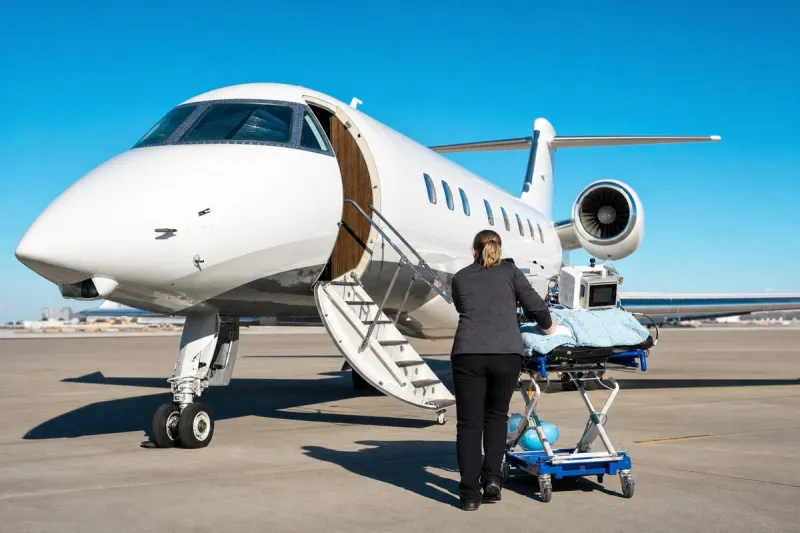
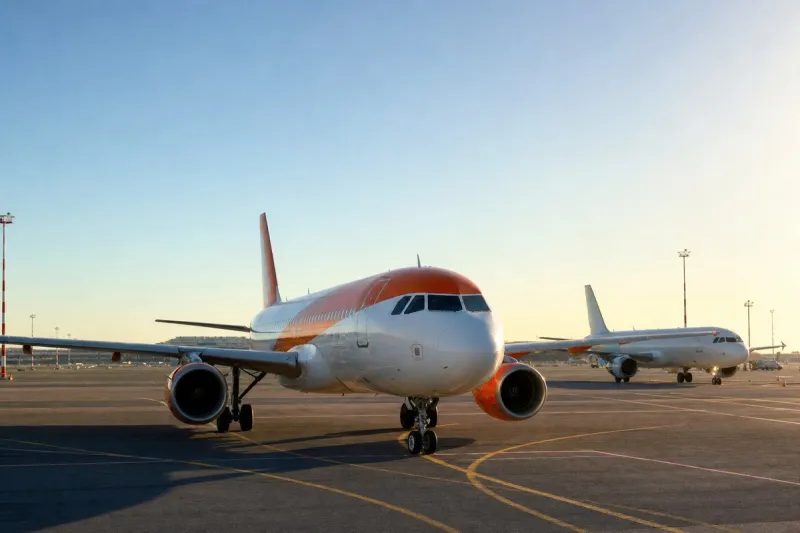
A Boeing 737 MAX 8 at its maximum takeoff weight of approximately 182,000 lb (82,554 kg) has a service ceiling of roughly 41,000 feet. A fully loaded Airbus A350-900 at 617,300 lb (280,000 kg) reaches approximately 43,100 feet (13,140 m). A Gulfstream G650 at 99,600 lb (45,178 kg), powered by two Rolls-Royce BR725 engines producing 16,900 lb (75.2 kN) of thrust each, has a certified service ceiling of 51,000 feet (15,500 m). Commercial aircraft routinely depart near maximum weight carrying 150–400 passengers, baggage, cargo, and route fuel.
Above FL410, air traffic density drops substantially because few commercial airliners can sustain those altitudes at operating weights, leaving the airspace between FL430 and FL510 occupied primarily by business jets and military aircraft. On a transcontinental flight of approximately 2,100 nautical miles (3,889 km), the difference between a direct routing at FL450 and an airway-following route at FL370 with deviations can amount to 50–100 nautical miles (93–185 km).
Air density at FL450 is approximately 16% of sea-level value, roughly 50% less dense than at FL350, where most commercial traffic cruises. The optimal cruise altitude for heavy commercial airliners sits between FL340 and FL390; for lighter private jets, it is typically between FL410 and FL470. Large-cabin jets such as the Gulfstream G650 burn approximately 380–450 gallons (1,438–1,703 liters) per hour at cruise. The tropopause sits at approximately 36,000 feet (10,973 m) at mid-latitudes, and thunderstorms, convective turbulence, icing, frontal systems, and the jet stream occur within the troposphere below it. Commercial airliners cruising at FL350–FL390 fly near or just above this boundary and must deviate laterally around storm cells reaching FL400–FL420, while a private jet at FL450–FL470 clears most storm tops and can maintain its direct routing.
Industry impact & what to watch
The altitude split is a direct expression of the weight-to-thrust ratio each category operates under: airliners are built to move large payloads efficiently at scale, while business jets are built to move fewer people at higher performance margins, and the ceiling difference is simply that trade-off made visible in flight-level terms.
The pattern shows why business aviation's routing advantage is structural rather than a scheduling perk. With less traffic above FL410, controllers can grant more direct clearances, and thinner air at FL450 cuts parasitic drag enough that lighter jets sustain cruise speed on less fuel even as they climb above most convective weather that still forces airliners into lateral deviations.
Whatever incremental gains future airframes deliver, the underlying constraint stays the same: as long as commercial aircraft depart near maximum takeoff weight to carry 150–400 passengers, their achievable service ceiling will trail the lighter, thrust-rich business jet fleet, keeping the FL430–FL510 band a largely separate operating environment.