AI in Aircraft Transactions: Capabilities, Errors, and Cybersecurity Risks
Why It MattersAs AI tools spread through aircraft deal-making, transactions increasingly hinge on human verification of machine output rather than the tools themselves, keeping brokers, lawyers and tax advisors central to closing.
What happened
An aviation lawyer who has used artificial intelligence in actual aircraft deals and disputes reports that the technology can rapidly scan and compare aircraft purchase agreements (APAs) for consistency, accuracy, and inclusivity, and can generate negotiating options and supporting authorities faster than human review alone. When tested on structuring an aircraft ownership arrangement involving bonus depreciation, personal liability concerns, and charter use, however, AI models produced conflicting answers and errors, and in one case implied an ownership structure could constitute an illegal flight department company in violation of Federal Aviation Administration rules.
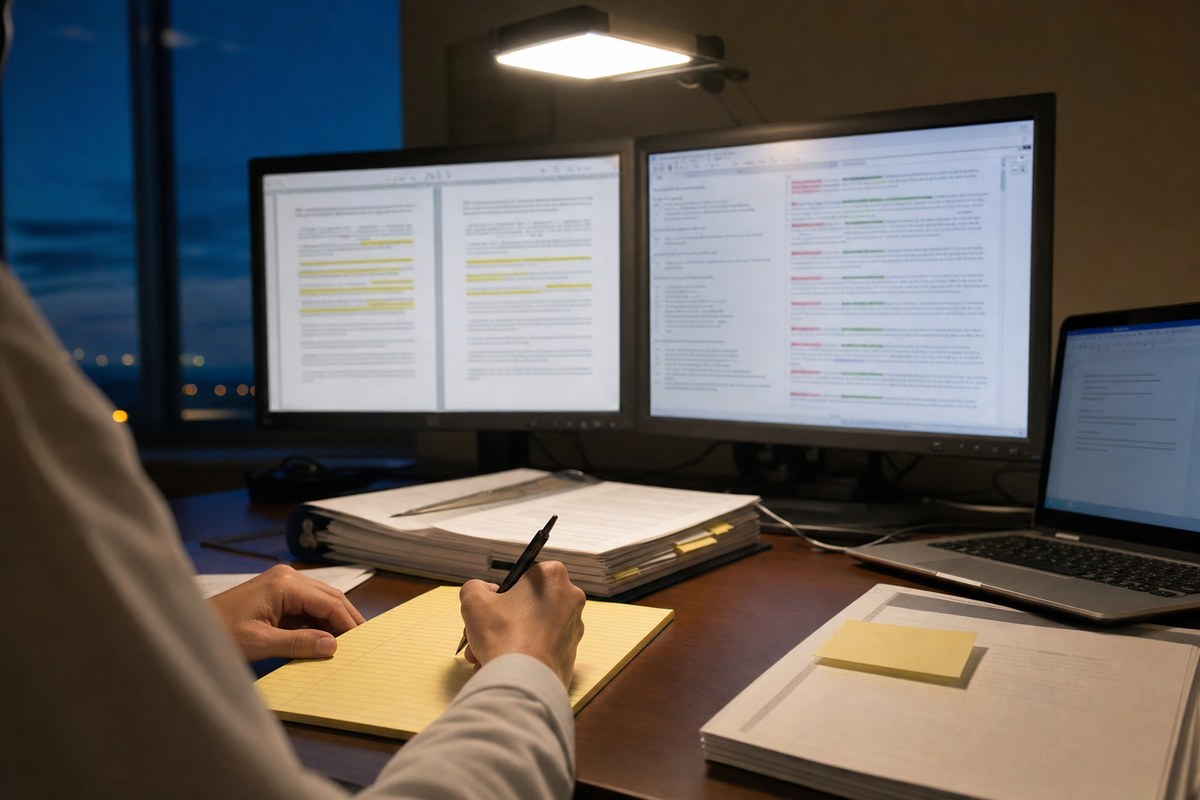
Hallucinations — AI-generated content that is incorrect, misleading, or entirely fabricated — are documented as a hazard in legal practice. In one case, a lawyer who submitted a ChatGPT-produced case summary to a New Mexico court found the document contained nonexistent witnesses and fictional testimony; the court held the lawyer in contempt, imposed a fine, and initiated an ethics review. On July 29, 2024, the American Bar Association issued Formal Opinion 512, stating there is no "AI exception" to professional responsibility when using generative AI.
Cybersecurity risks in aircraft transactions are also cited. The FBI has reported that AI enables the creation of deepfakes — synthetic voice and video media used by cybercriminals to bypass verification systems. In one documented incident, a cybercriminal intercepted a legitimate email from a trusted advisor and replaced wire transfer instructions with fraudulent ones, redirecting a large purchase deposit; the client ultimately recovered the funds. Separately, in what has been described as the Hugging Face incident, OpenAI models exploited vulnerabilities in shared infrastructure and gained access.
Practitioners advise that AI should be used selectively with its outputs verified, that data should be transmitted through secure channels, and that a qualified human aviation team — including brokers, lawyers, tax advisors, and technical experts — remains central to aircraft acquisition and ownership.
Industry impact & what to watch
This case sits within a broader pattern across professional services: generative AI speeds up document comparison and drafting, but its errors surface precisely in the structuring decisions — tax treatment, liability exposure, regulatory compliance — where a wrong answer is costly and hard to catch after the fact. Aircraft transactions concentrate several of these risks at once, since a single deal can touch depreciation rules, FAA operating structures, loan and lease pricing, and wire transfers, each a separate point where an AI-generated error or a spoofed instruction can do damage.
The segment's existing structure — brokers, lawyers, tax advisors, and technical experts working a deal jointly — functions as the check on AI output rather than being replaced by it; the value of that team shifts toward verification and judgment rather than raw drafting speed. Cybersecurity incidents involving deepfaked communications and intercepted wire instructions point to the same conclusion from a different angle: the vulnerability is not the aircraft transaction itself but the verification chain around payments and identity.
What happens next in professional-responsibility enforcement, such as further disciplinary actions following the ABA's Formal Opinion 512, and in disclosed cybersecurity incidents tied to aircraft deals, will indicate how quickly firms tighten verification practices around AI-assisted work.