Three Recent Aviation Accidents Marred by Misinformation and Uninformed Public Commentary
Why It MattersWhen outlets skip verifiable records like the FAA Airman's Registry, unverified claims about pilot certification can spread faster than corrections, shaping public perception before facts are confirmed.
What happened
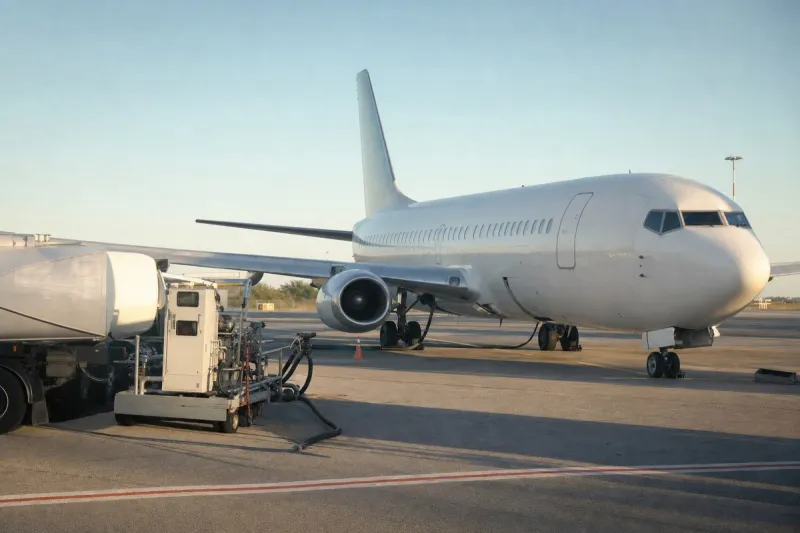
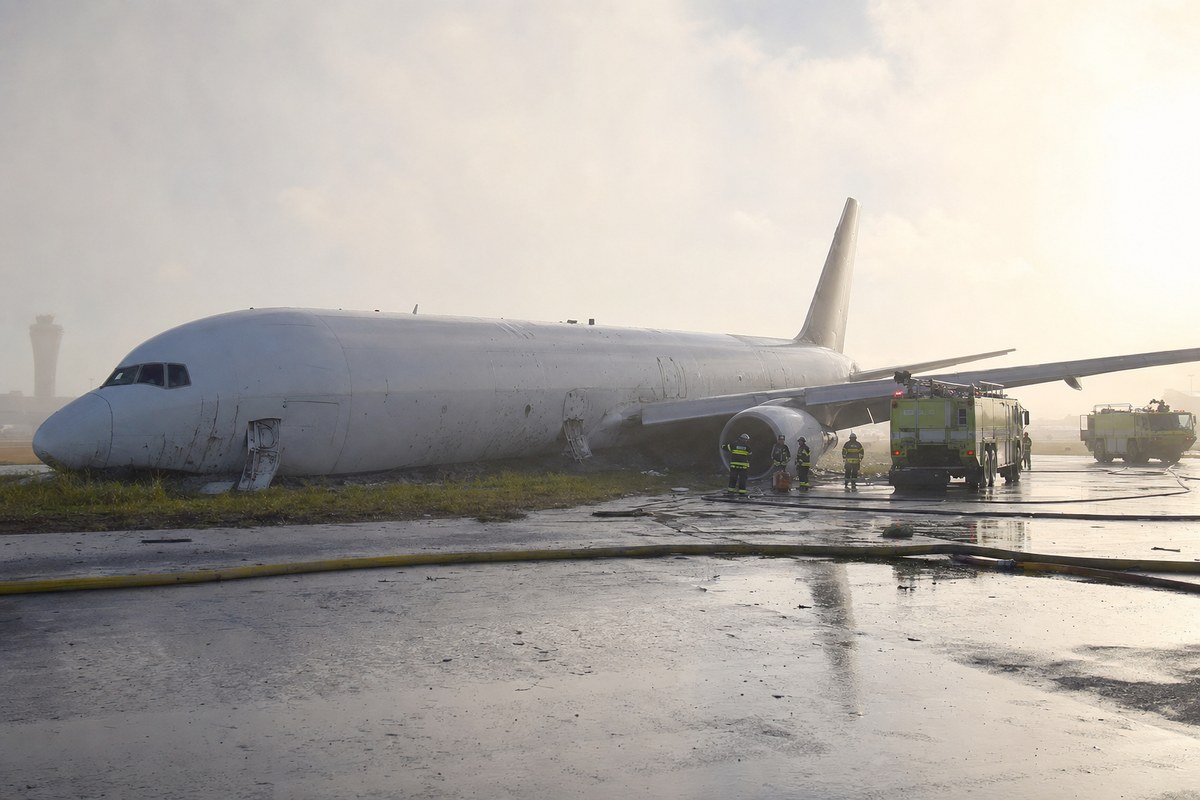
An Amazon freighter overran a runway in Miami, and within minutes of the aircraft coming to rest, social media carried theories about the cause from commentators described as having limited aeronautical knowledge or experience. Emergency crews reached the scene within 30 seconds of receiving the call.
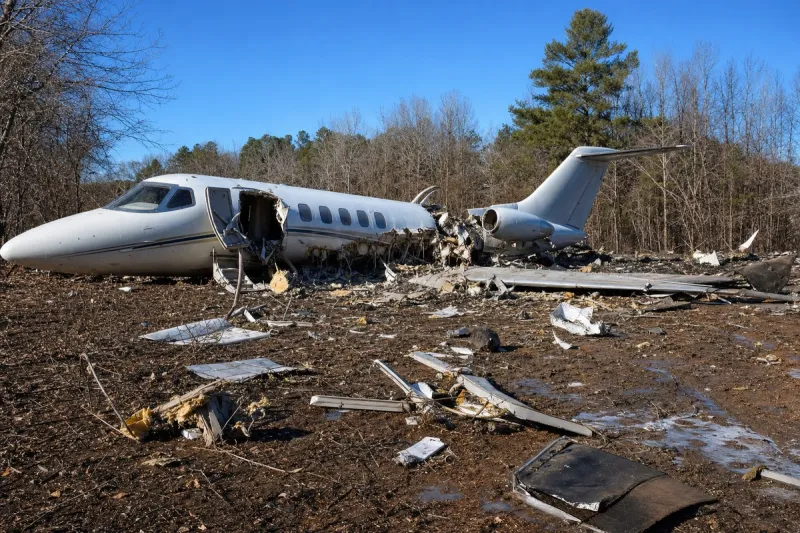
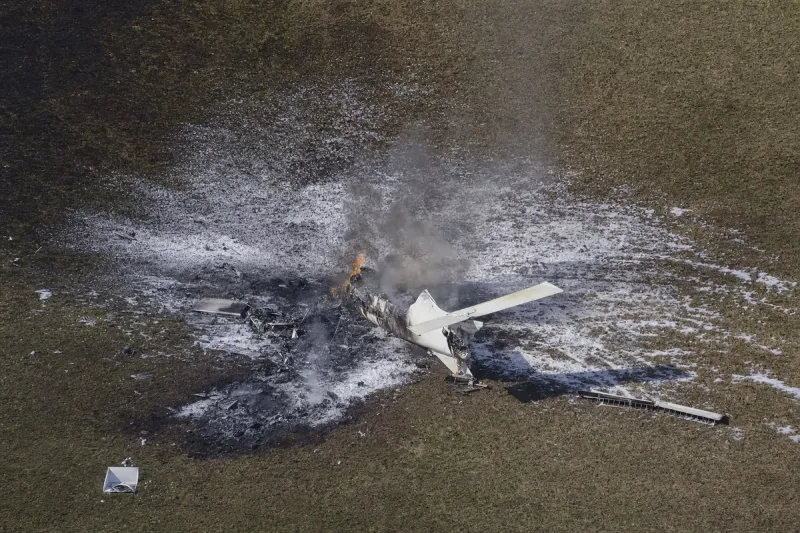
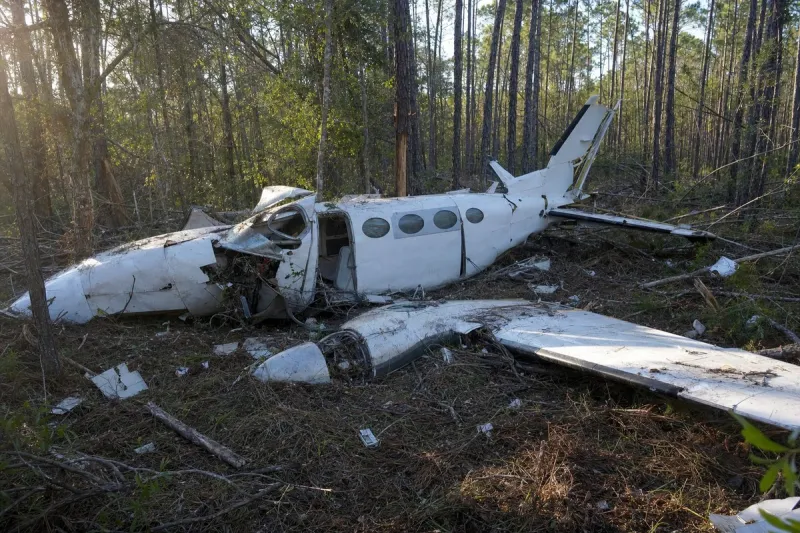
Days earlier, a Lancair departing the Gulf Coast of Florida crashed approximately one minute after takeoff, killing a local doctor and a nurse practitioner who were on board. News outlets published reports stating the pilot flew without an FAA medical certificate, a claim that was factually false: the pilot was operating under BasicMed, a category the FAA permits and which accounts for more than 10 percent of the general aviation pilot population. Critics noted that any reporter with access to the FAA Airman's Registry could have verified this in minutes.
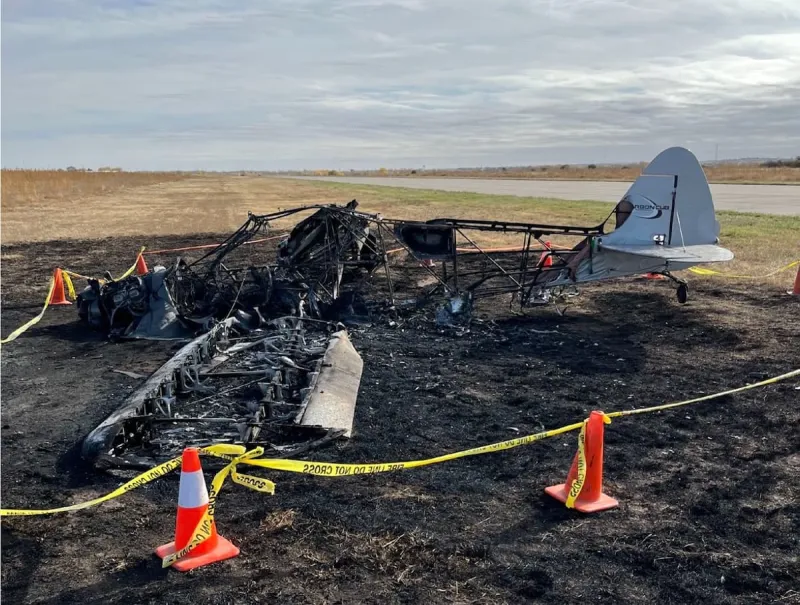
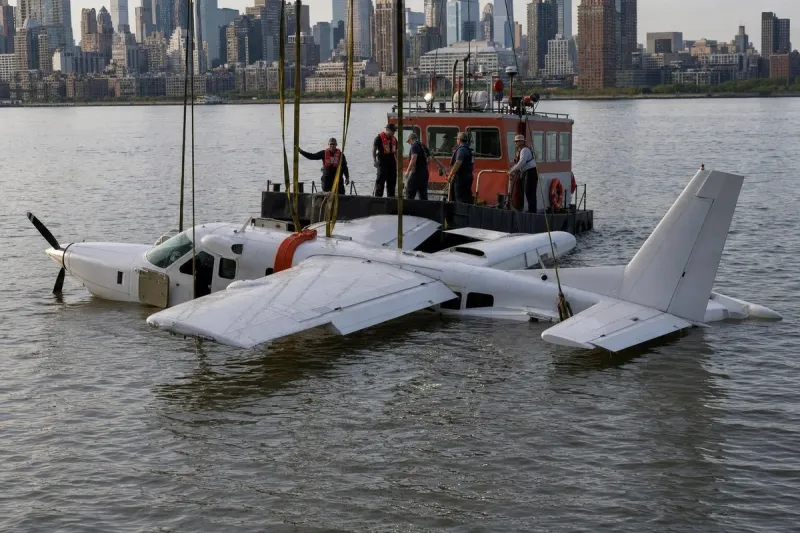
A week before those two accidents, a Piper SuperCub towing a banner ditched off a Florida beach after suffering a mechanical malfunction. Local news outlets interviewed beachgoers for their reactions rather than focusing on substantive details of the incident.
The Apollo 11 reference point
The commentary cites Neil Armstrong's 1969 Apollo 11 lunar landing, described as the first manual piloted landing on an extraterrestrial body, as a reference point for distinguishing between those who bear direct personal risk in aviation and those who observe or comment from a distance. Armstrong, Lunar Module Pilot Buzz Aldrin, and Command Module Pilot Michael Collins faced life-or-death consequences, while engineers, technicians, and others supporting the mission bore comparatively limited personal risk.
Armstrong was quoted on the subject of flying and the space program: "You've got to expect things are going to go wrong. And we always need to prepare ourselves for handling the unexpected."
Industry impact & what to watch
These three cases sit within a familiar pattern in accident coverage: a short window between an event and its first public narrative, filled largely by speculation from people without direct knowledge of aviation operations or regulation. The Lancair case shows how a single unverified claim — the absence of an FAA medical certificate — can circulate as fact even though the underlying regulatory category, BasicMed, is public, verifiable, and used by more than 10 percent of general aviation pilots.
General aviation accident reporting relies heavily on early statements from officials, witnesses, and commentators, often before investigators have examined wreckage, records, or pilot history. That gap between event and confirmed fact is where mischaracterizations about licensing, mechanical cause, or pilot conduct take hold, with consequences for the reputations of pilots and crews named in initial coverage.
What happens next in each case depends on the investigating authorities: findings on the Miami runway overrun, the cause of the Lancair crash, and the mechanical malfunction behind the SuperCub ditching. Until those are released, the call from aviation professionals and journalists cited here is straightforward — report confirmed facts and omit conjecture in the immediate aftermath of an accident.