Syria's plan to convert Damascus's Mezzeh military airport into a private-jet hub draws protests over suspected mass graves and land rights
Why It MattersAirfield conversions on former military or security sites can collide with unresolved land and human-rights claims, leaving new aviation infrastructure exposed to legal and reputational risk before it opens.
What happened
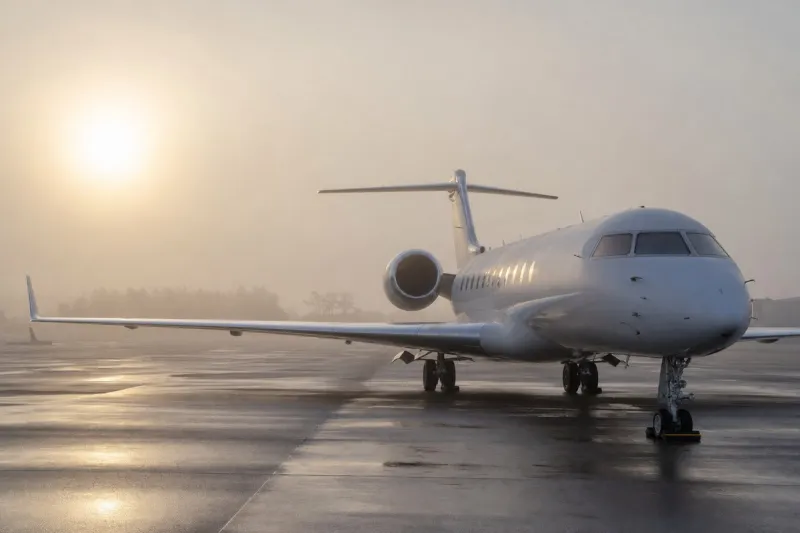
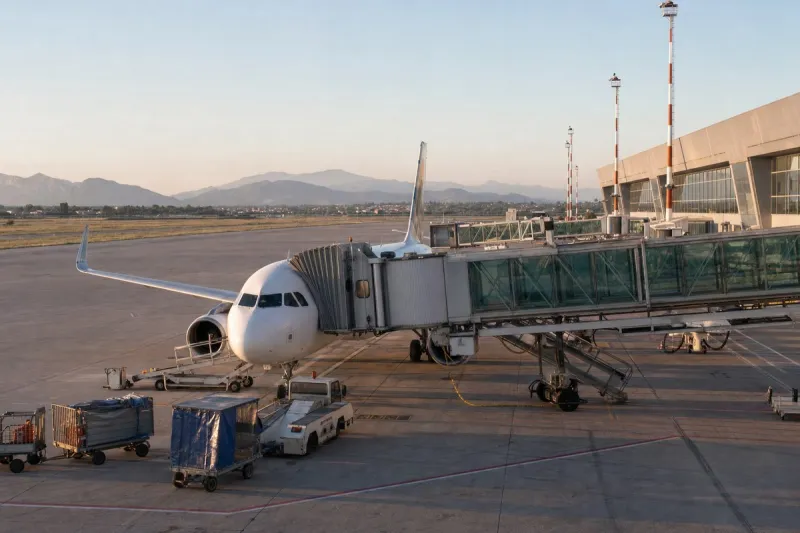
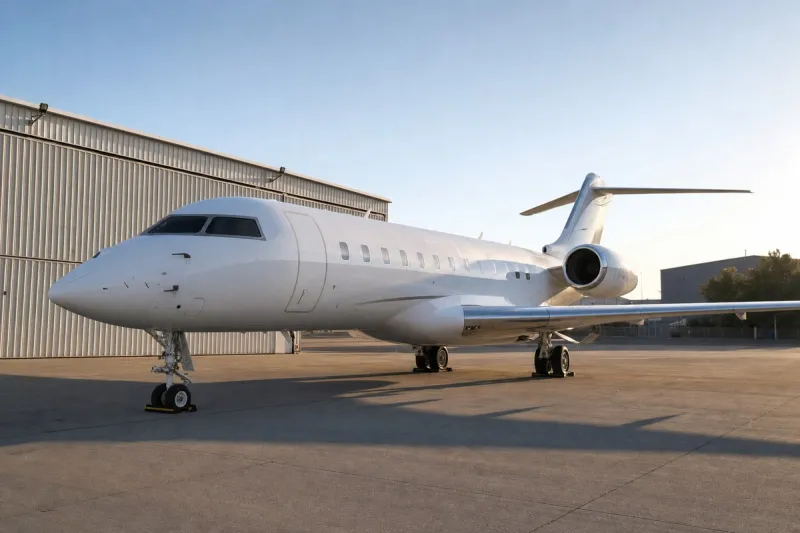
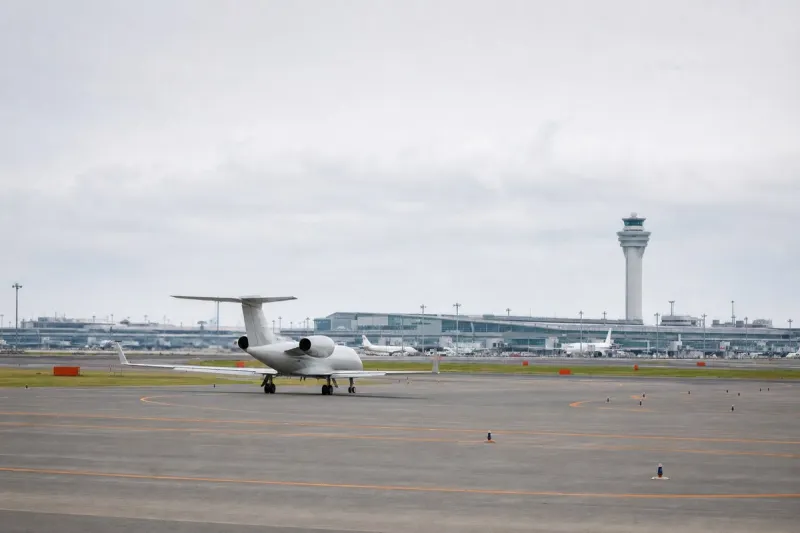
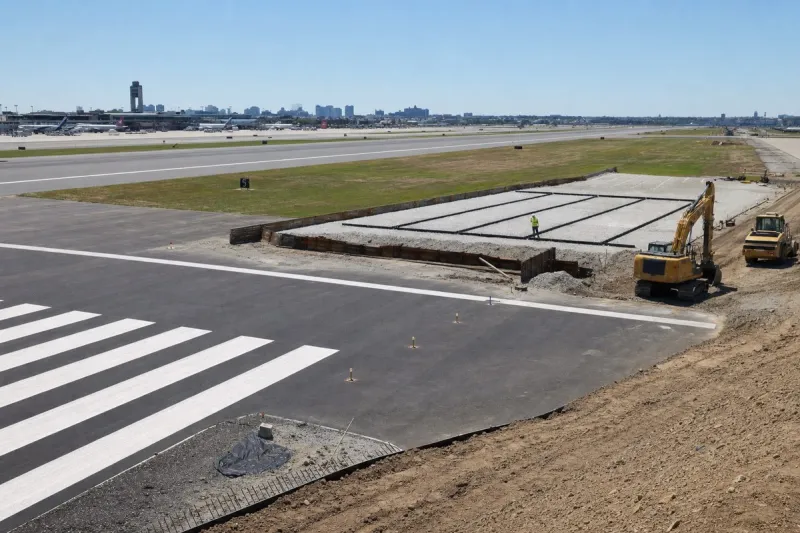
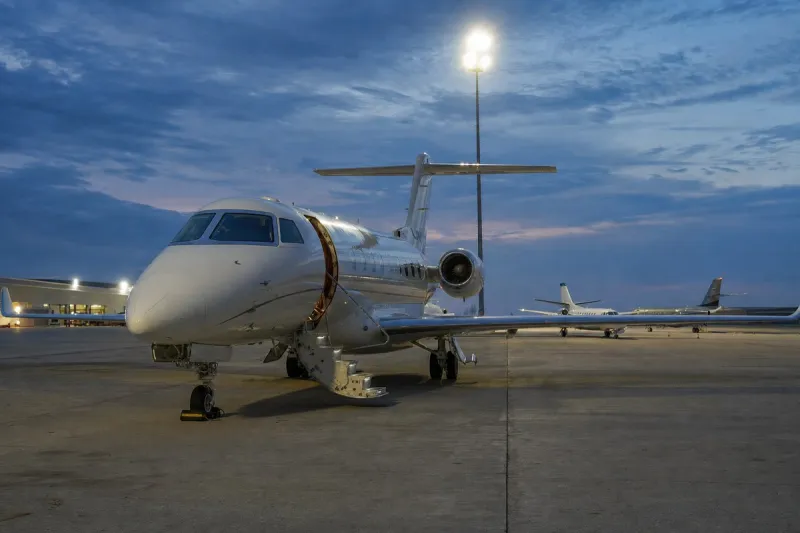
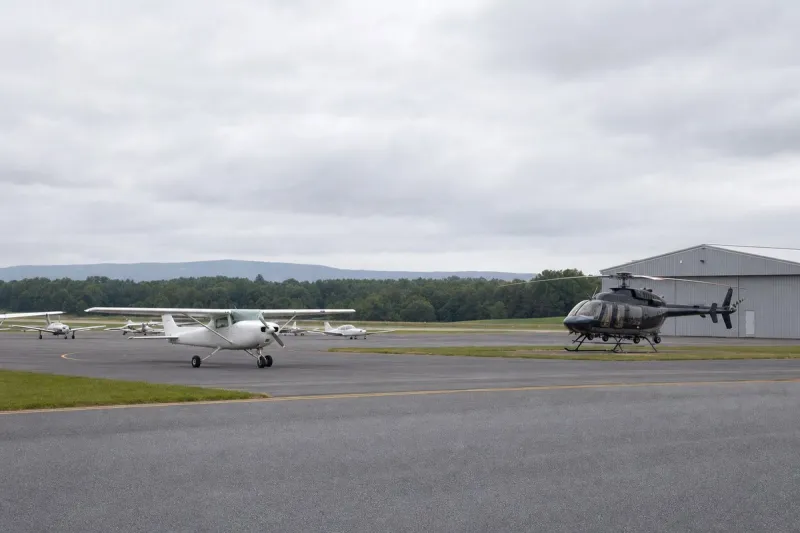
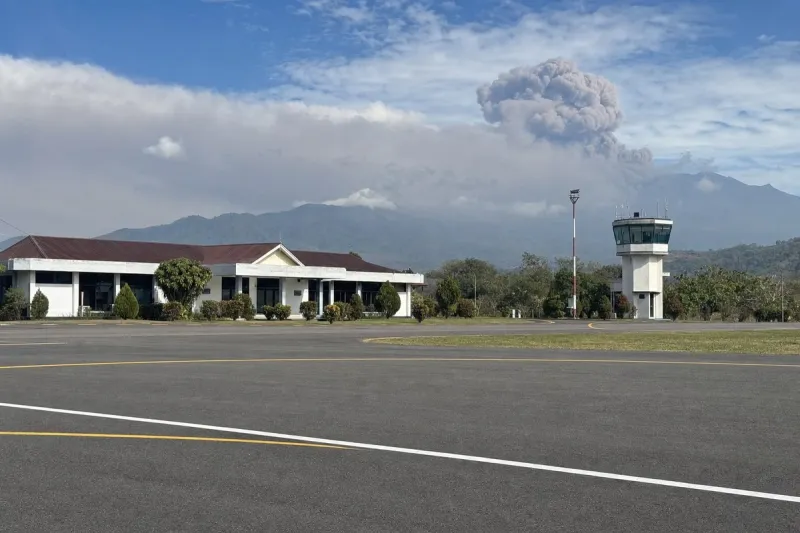
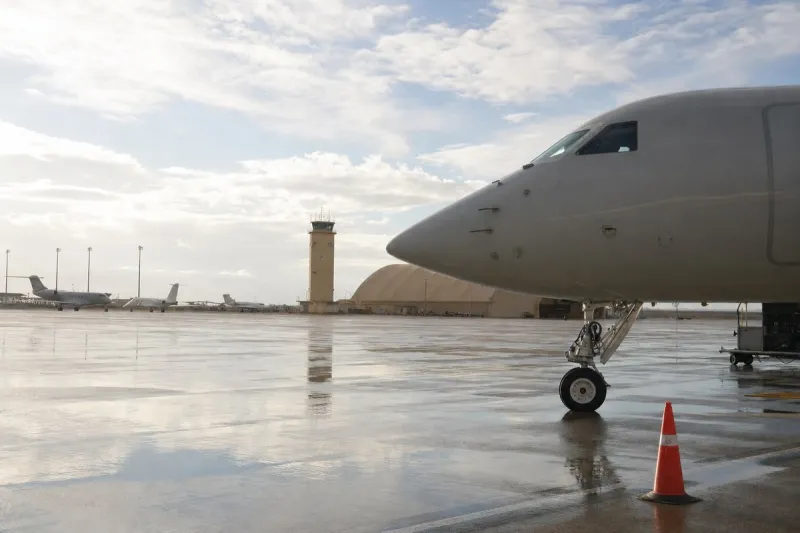
Syria's civil aviation authority announced last week that it is preparing to reclassify Mezzeh military airport in Damascus for limited civilian use, focused on private and executive aviation, as a complement to Damascus International Airport. Rubble removal and infrastructure upgrades had already begun, state news agency SANA said.
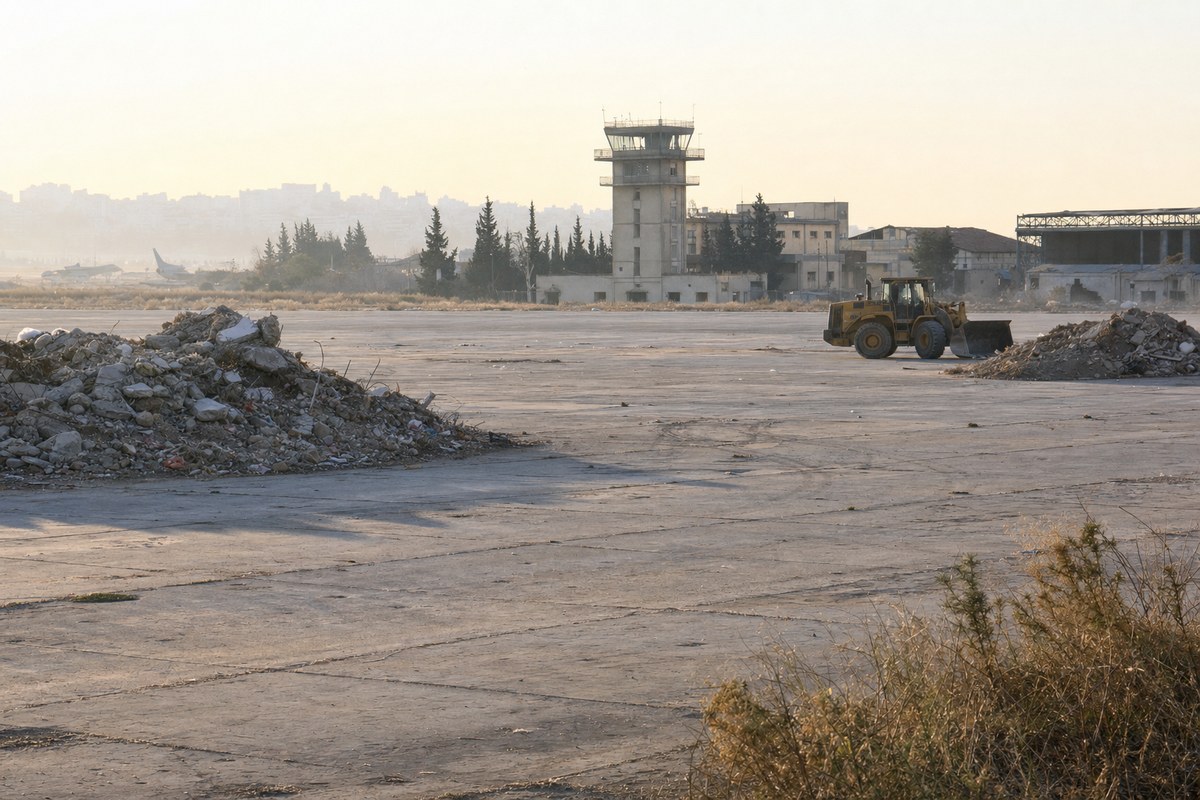
Under ousted presidents Hafez and Bashar al-Assad, Mezzeh housed key branches of the Syrian Air Force Intelligence Directorate (AFI) and numerous detention facilities where opponents were tortured, executed and subjected to enforced disappearance. Documents obtained by the Syria Justice and Accountability Centre (SJAC), a US-based Syrian-led human rights group, show that senior Syrian military officials approved Mezzeh in 2012 as a site for carrying out executions of detainees sentenced to death by military field courts. A 2025 SJAC investigation identified two suspected grave sites linked to people who died in detention at Mezzeh, where the group said more than 1,150 detainees died through execution, torture or maltreatment.
In a July 2025 letter, SJAC gave Syria's National Commission for Missing Persons the coordinates of the two suspected graves inside the airport and urged authorities to halt construction or excavation pending investigation. The commission told SJAC at the time that no construction or refurbishment plans existed for Mezzeh. After the redevelopment plans emerged, SJAC wrote to the commission again on September 8, warning that excavation or rubble removal could damage human remains and evidence, and said it had not yet received a response. Amer Matar, founder of the Syria Prisons Museum, called the planned works "an act of extreme recklessness and disregard" for families still seeking answers about missing relatives.
Land records from the Moadamiya municipality show Mezzeh airport was built on approximately 2.76 square kilometres of land belonging to hundreds of private citizens. A former municipal official said expropriation decrees retroactively justified the government's use of those lands when the airport was built in 1956, and that compensation had never been paid. Residents demonstrated in Moadamiya the day after the redevelopment plans were announced. On September 2, United Nations land rights experts appealed to Syria's government to suspend and repeal laws they said had enabled systematic property dispossession under Assad, and to establish mechanisms to return properties or provide compensation.
Syria's civil aviation authority, the National Commission for Missing Persons and the defense ministry did not respond to questions about suspected graves or land claims. SANA cited the civil aviation authority's spokesperson as saying the refurbishment would take into account the surrounding urban area and relevant legal and social issues, without specifically mentioning the graves or land rights. It remains unclear who will develop the airport.
Industry impact & what to watch
Converting a former military airfield to civilian or business aviation use is a recognized path to adding capacity near a capital, and Mezzeh's proximity to Damascus and its existing runway infrastructure make it an attractive candidate on paper. But this case shows that such conversions are not purely engineering and permitting exercises when the site carries a disputed history: unresolved claims over human remains and land title can stall or taint a project long before the first aircraft movement.
Private and executive aviation development typically depends on clear title, environmental clearance and a credible operator or investor willing to fund terminal and ramp work. Here, the identity of any developer remains undisclosed, and three separate bodies — the civil aviation authority, the missing persons commission and the defense ministry — have so far declined to address the specific concerns raised by rights groups and residents, leaving the legal basis for proceeding unclear.
What happens next will likely turn on whether the National Commission for Missing Persons responds to SJAC's September 8 warning and whether excavation work is paused pending an independent review of the two suspected grave sites. The land compensation question, now amplified by the UN experts' September 2 appeal, is a separate track that could shape whether the hundreds of affected Moadamiya landowners gain any legal standing before construction advances further.