How an ATC Outage Disrupts Aviation: Lessons from the NATS Failure of 8 September
Why It MattersThe episode shows how a partial air traffic control failure cascades into crew duty-time limits, aircraft repositioning and multi-day recovery well beyond the original outage.
What happened
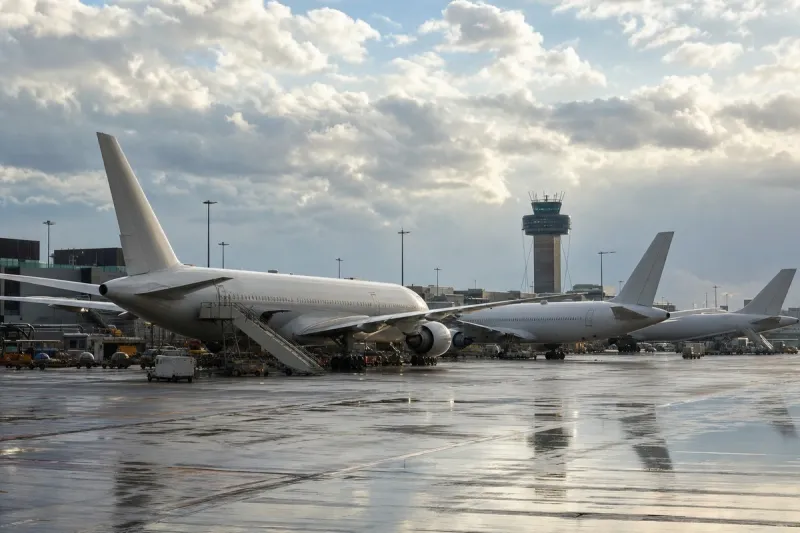
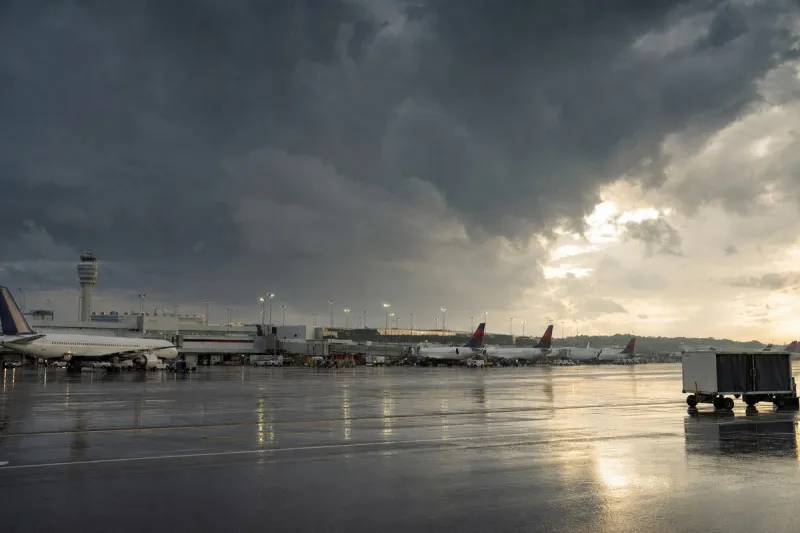
NATS suffered a major technical failure on 8 September, and the effects spread rapidly across UK aviation, with flights delayed and cancelled, aircraft diverted, and airlines forced to operate with reduced air traffic control capacity. Disruption continued even after NATS restored the affected system, as airlines dealt with stranded passengers and aircraft and crews left out of position.
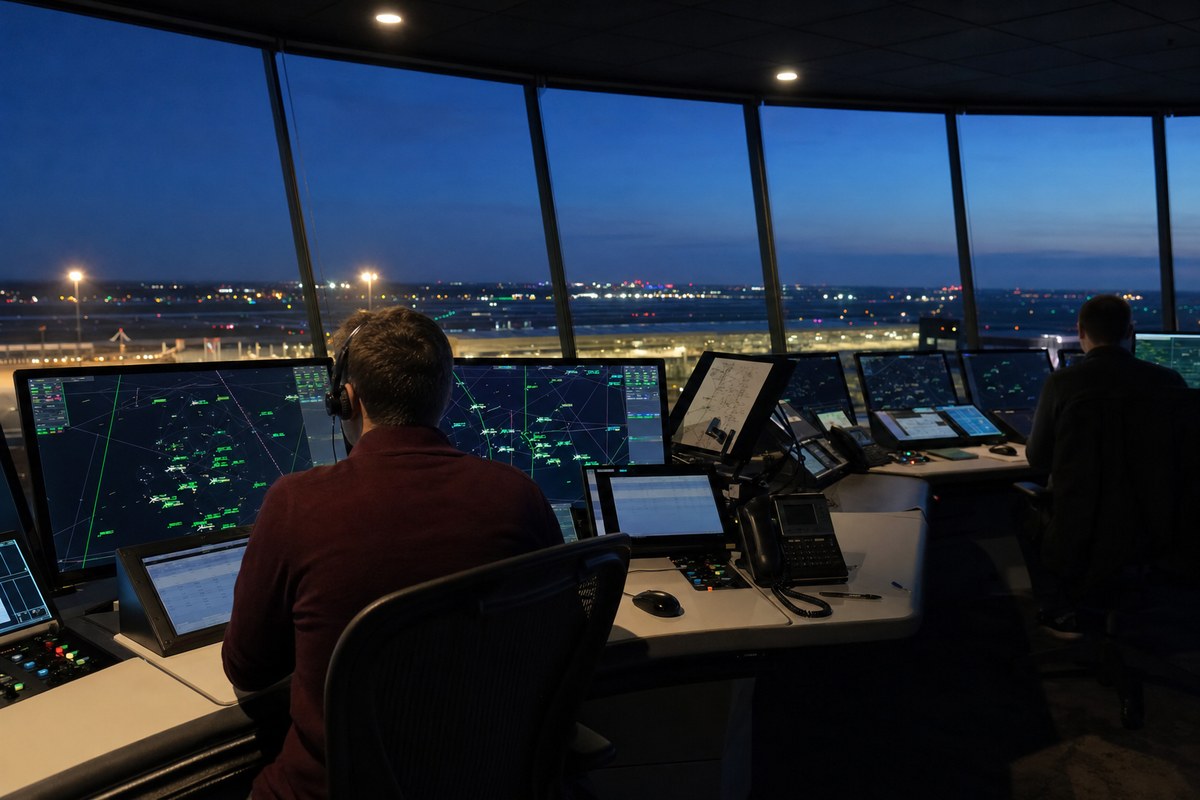
During the disruption, London Heathrow halted arrivals for the remainder of the day while departures were able to resume, allowing the airport to continue operating with reduced capacity.
How an ATC failure spreads through the system
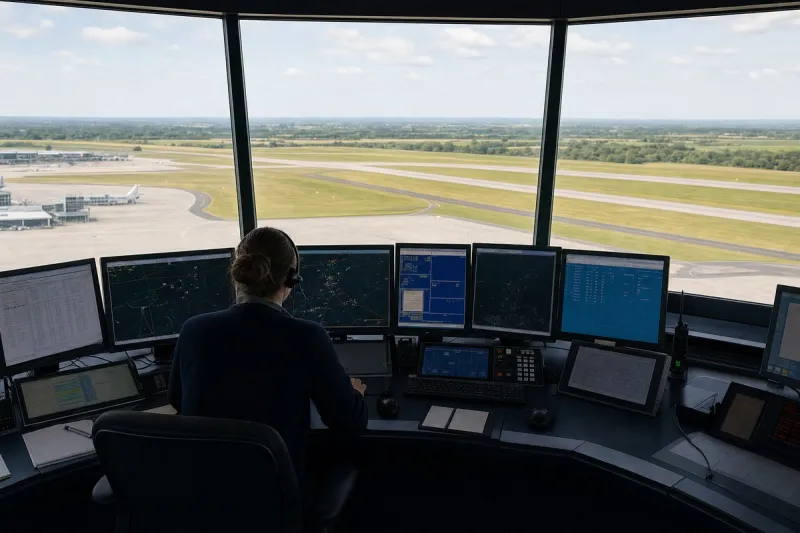
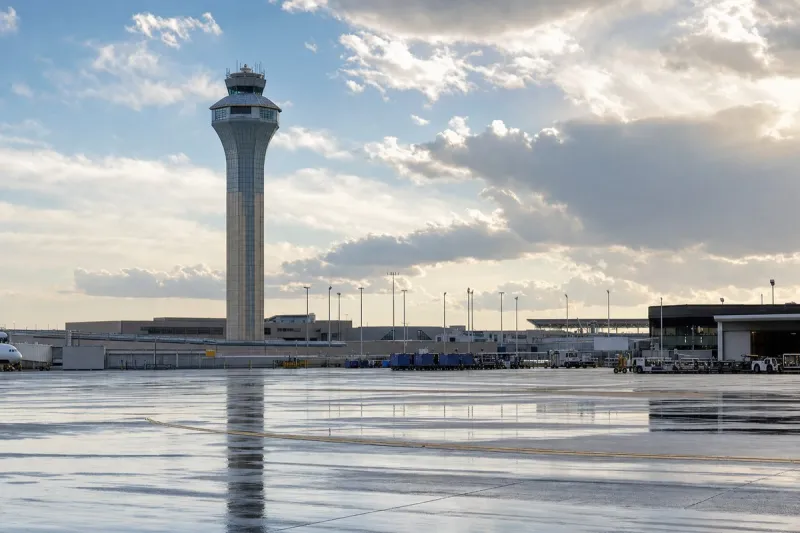
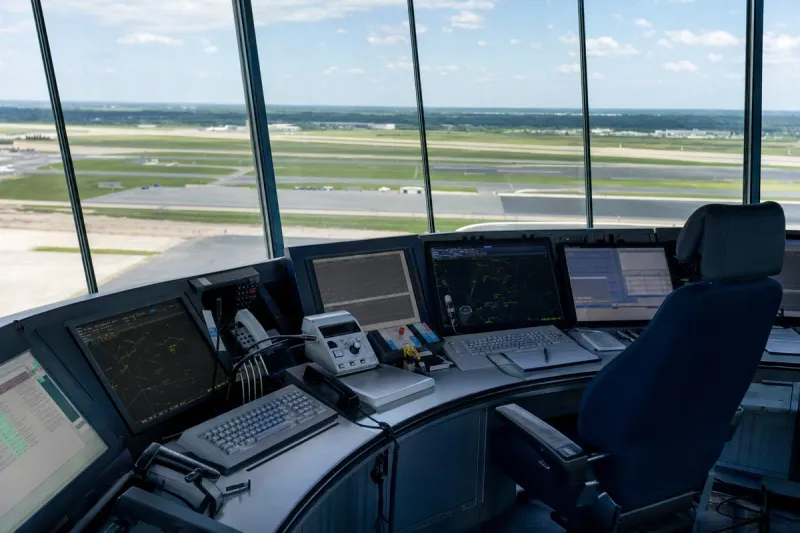
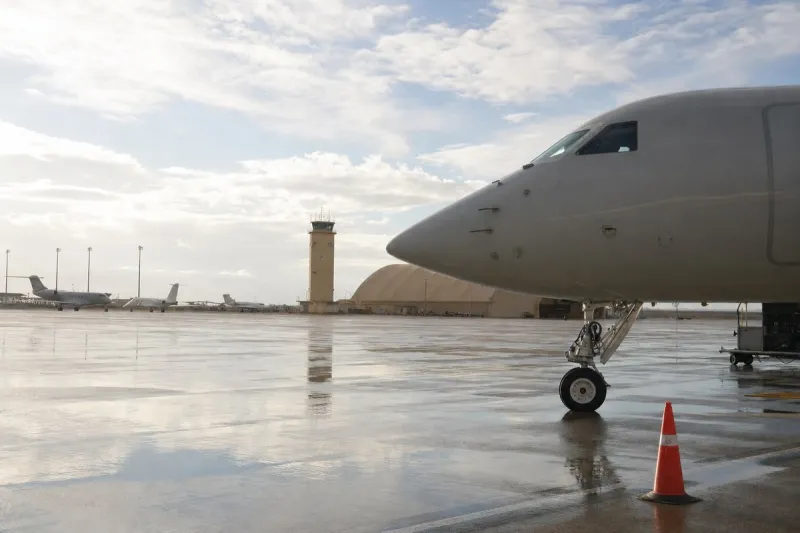
An ATC outage does not necessarily mean a complete shutdown. A failure can affect a specific system, facility or communications link, leaving controllers with less capacity than normal, and when the safe traffic volume is exceeded, departures may be held on the ground, arrivals restricted and aircraft rerouted until capacity is restored.
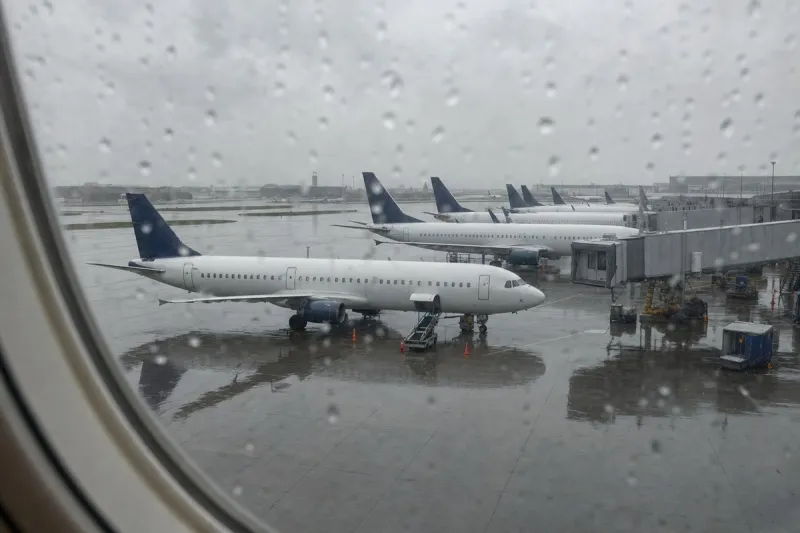
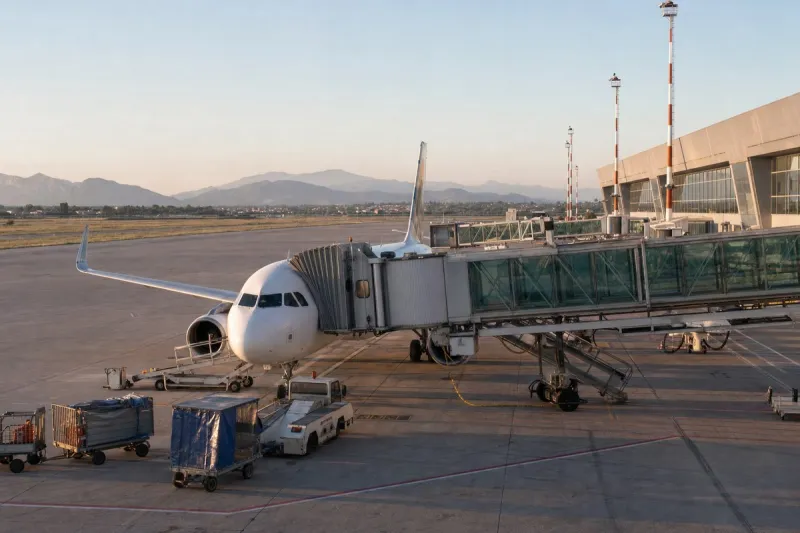
Aircraft already airborne are typically kept moving under whatever ATC services remain functional, with control handed to another team or facility. If insufficient space exists to safely sequence all approaching aircraft, some are placed in holding patterns or diverted to alternative airports. Unflown aircraft are simpler to manage: they remain on the ground, which is why passengers may wait at gates while aircraft continue to fly overhead. Nearby airports can fill quickly when multiple airlines divert simultaneously.
A further complication arises when pilots and cabin crew reach their legal duty-time limits. Hours-long delays can exhaust crew working limits before a flight can depart, forcing airlines to source replacement crews or cancel services.
Industry impact & what to watch
This case belongs to a familiar category in air traffic management: a partial technical failure rather than a total shutdown still forces capacity-based rationing of departures and arrivals, because safety margins, not raw demand, set the ceiling on how many aircraft can move safely. The system is designed to degrade this way — holding aircraft on the ground, sequencing arrivals more conservatively, and diverting when local capacity runs out — which is why the visible effects at one airport, such as Heathrow's arrivals halt while departures continued, can differ sharply from the effects elsewhere in the network.
Recovery after such an outage can extend well beyond the moment services are restored. Aircraft may be stranded at one airport while their crews are at another, forcing airlines to reposition equipment through swapped routes, reserve staff or positioning flights, and to cancel lower-priority services to free aircraft and crews for more critical operations. Backlogs of late-arriving flights, passenger rebookings and missed connections can extend disruption into the following day.
What determines how quickly a network recovers from this kind of event is less the outage itself than the depth of spare crew and aircraft capacity airlines hold in reserve, and how quickly duty-time limits are approaching when the failure hits. Whether NATS discloses the root cause of the 8 September failure, and what capacity buffers airlines built back in afterward, will indicate how resilient the network is to a repeat event.