US Eases Post-9/11 Airport Security Rules 25 Years On, Including Shoe Removal and Gate Access Restrictions
Why It MattersAirport security continues to shift from blanket physical restrictions toward risk-based and technology-driven screening, even as officials say new threats such as drones and cyber intrusions require constant adaptation.
What happened
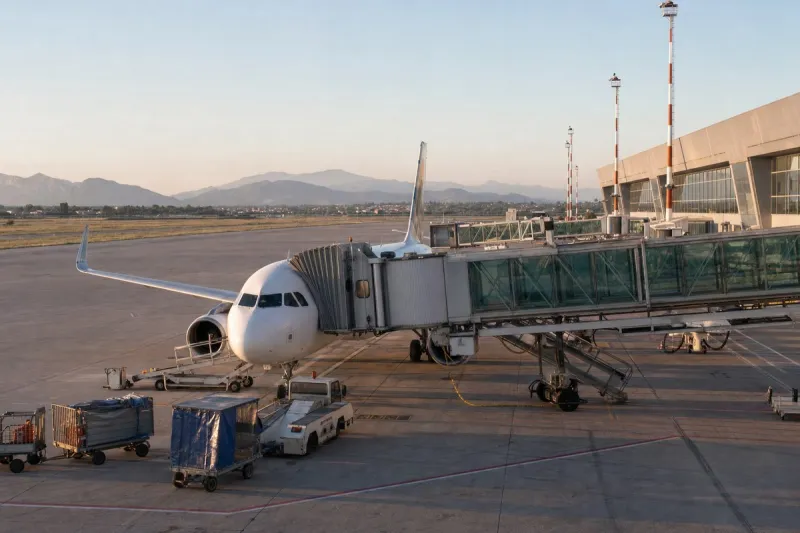
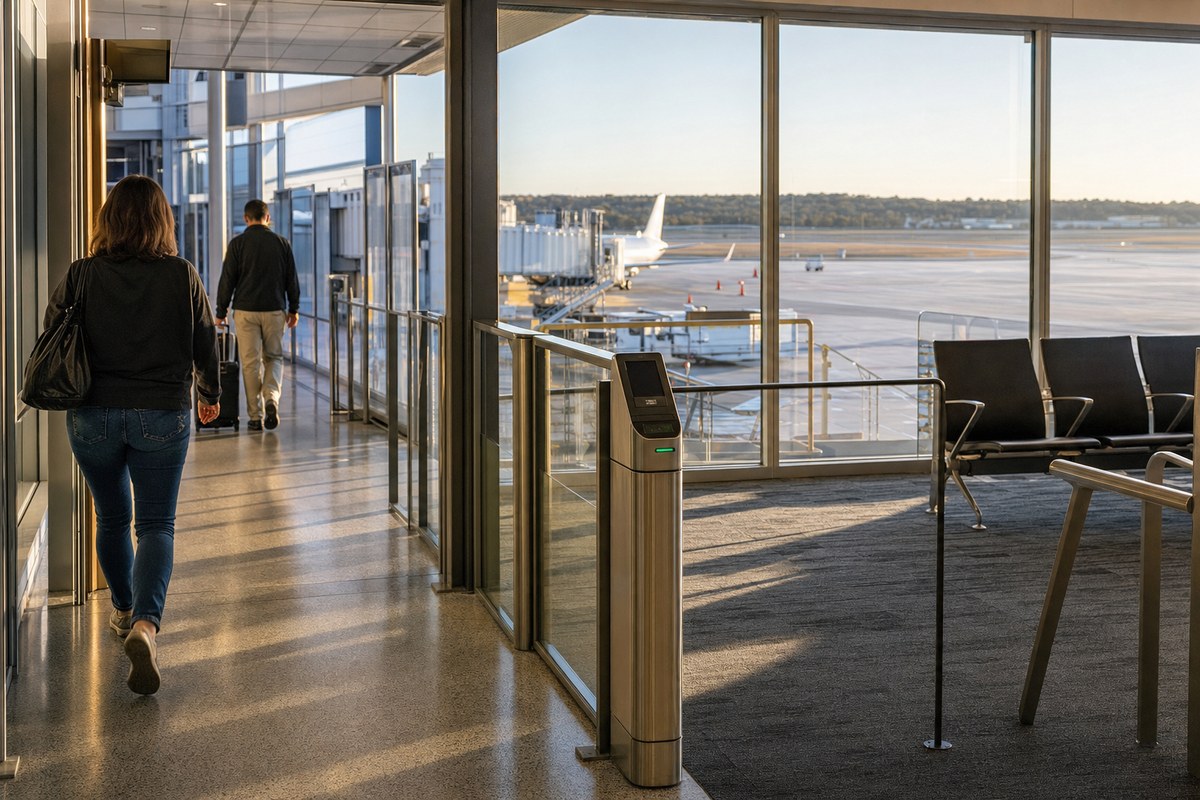
Twenty-five years after the September 11, 2001 attacks, US federal aviation authorities are easing long-standing airport security restrictions while updating protocols to address newer threats. The Transportation Security Administration launched the "Gateside" program at 13 US airports, letting eligible pre-screened travelers reach secure gate areas without a boarding pass to meet family members, visit dining venues, or greet returning military personnel.
The Department of Homeland Security also decided to let regular travelers keep their shoes on during screening, reversing a rule put in place after a failed shoe-bombing attempt on a flight from Paris to Miami in December 2001. Carry-on liquid limits remain officially in effect, but advanced checkpoint scanners now let travelers at select airports keep liquids inside their bags. The TSA also scrapped a privatized security proposal known as TSA Gold+ after Tampa International Airport officials raised concerns about its technical capabilities.
Aviation security experts said deterrence systems must keep evolving. Keith Jeffries, vice president of K2 Security Screening Group and a former TSA security director at Los Angeles International Airport, said, "You've got cybersecurity issues that continue to pop up. Drones are a major issue." Jeff Price, a professor at Metropolitan State University of Denver's Department of Aviation and Aerospace Science, said screening technology has improved significantly over time.
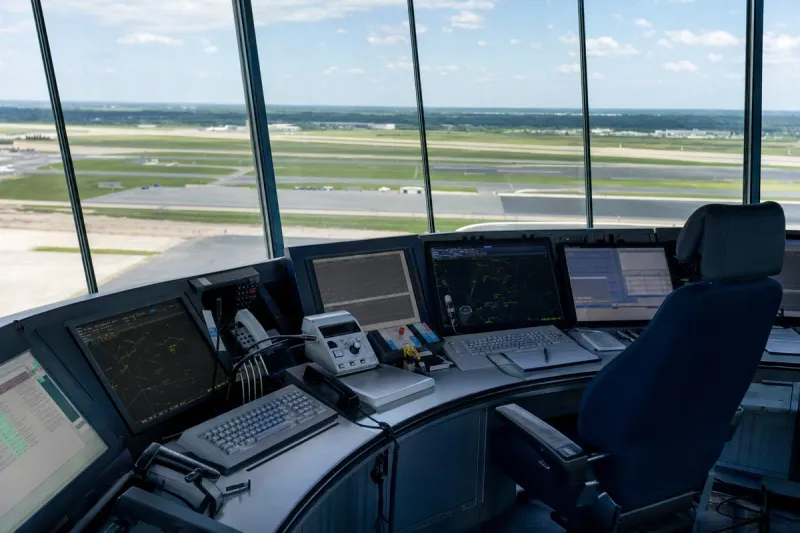
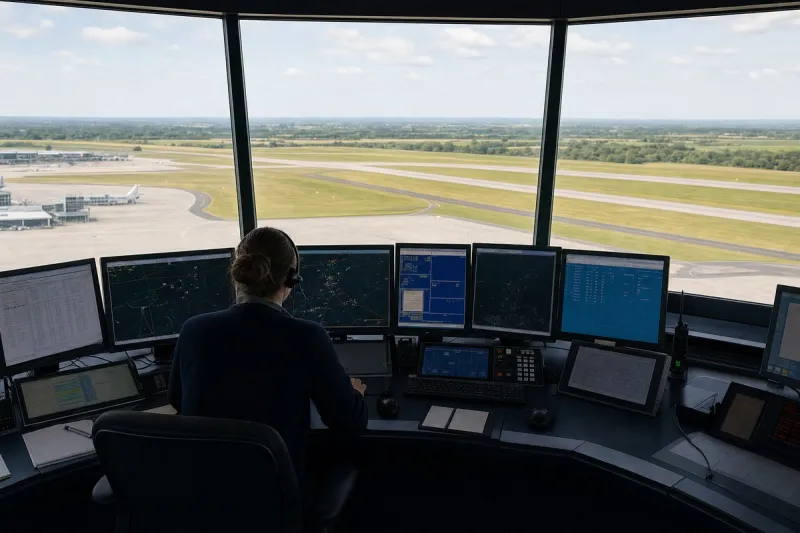
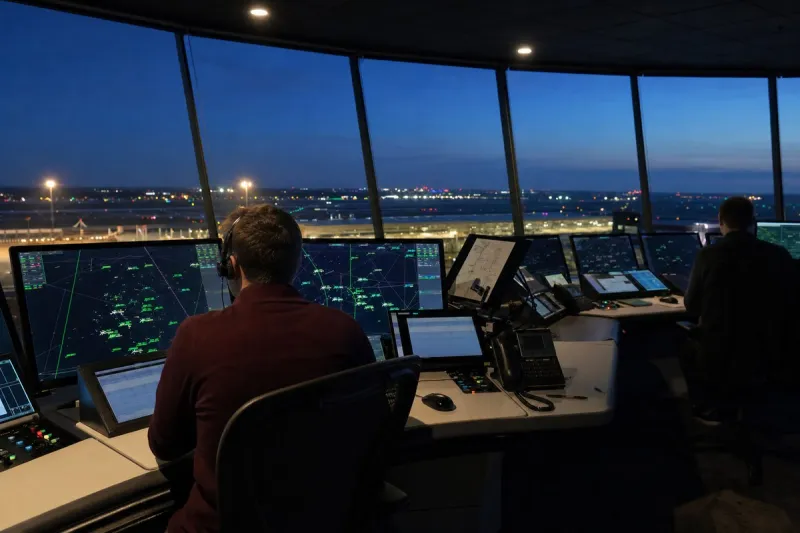
Personnel who managed US airspace on September 11, 2001 described the confusion of that morning. Former FAA intelligence specialist Chris Rocheleau recalled uncertainty over whether the first crash involved "a small plane like a Cessna 172, a general aviation aircraft, or... a sightseeing helicopter." At the FAA New York Air Route Traffic Control Center, air traffic manager Michael McCormick received a BlackBerry alert at 8:42 a.m. about the suspected hijacking of American Airlines Flight 11, watched United Airlines Flight 175 descend toward the South Tower, and at 9:05 a.m. declared New York Center ATC Zero, grounding all air traffic in his regional airspace. Philip Saunders, now chief commercial officer at Aurigny but working for British Airways that day, recalled that airlines initially stopped all catering service. Nearly 3,000 people died in the 2001 attacks, which included crashed flights at the Pentagon in Virginia and a field in Shanksville, Pennsylvania.
Industry impact & what to watch
This easing belongs to a broader arc in aviation security: measures adopted in the immediate aftermath of a crisis get revisited once risk-based screening and better detection technology make blanket restrictions less necessary. The shoe rule and the liquids limits were both responses to specific attack methods rather than general threat models, so removing or softening them as scanning capability improves is consistent with how checkpoint policy has evolved over the past quarter-century.
Gate-area access programs like Gateside also show how airports are trying to separate security screening from broader facility access, letting pre-vetted, non-traveling visitors reach dining and greeting areas without passing through the same checkpoint as passengers. The withdrawal of the TSA Gold+ privatization proposal, after an airport operator raised technical concerns, indicates that individual airport authorities still carry real weight over how screening responsibilities are structured.
What operators and airports should watch is whether newer threat categories, cybersecurity intrusions and drone incursions, prompt the same kind of dedicated rule-making that shoe removal and liquid limits once did following a single attack method. Keith Jeffries and Jeff Price both point to continuous technology upgrades rather than fixed rules as the direction screening is heading, which means the next changes are more likely to arrive through scanner deployment decisions at individual airports than through a single nationwide mandate.