NBAA Calls for Trade Policies Supporting US Aerospace's $1.8 Trillion Economy and 9.4 Million Jobs
Why It MattersThe statement underscores how deeply general aviation manufacturing depends on tariff-free cross-border supply chains, making trade policy continuity a structural concern rather than a symbolic one for the sector.
What happened
The National Business Aviation Association (NBAA) issued a statement on September 8, 2026, from Washington, DC, reiterating its support for trade policies that sustain U.S. aviation leadership. The association tied its position to the sector's role in manufacturing, job creation and economic growth.
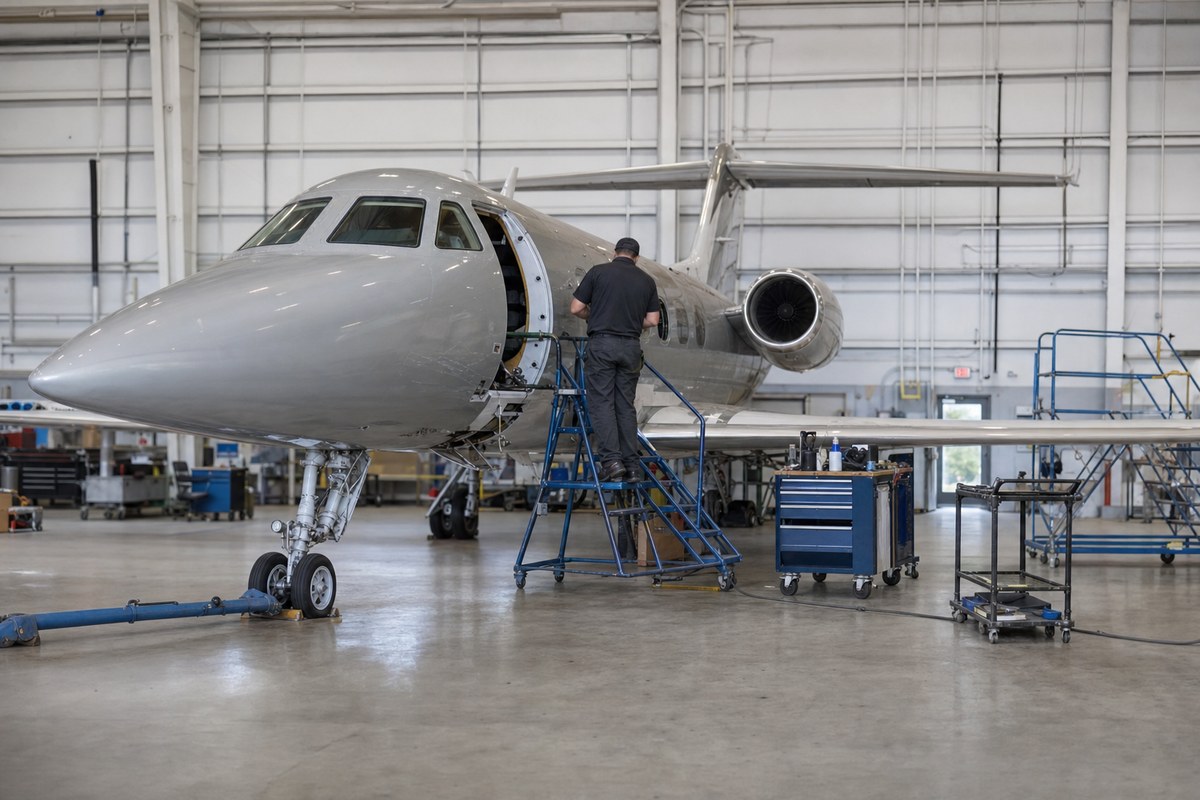
NBAA said civil aviation depends on an integrated global supply chain underpinning American manufacturing, noting that aircraft produced in North America incorporate substantial volumes of U.S.-made technology, engines and components. It stated this activity supports 9.4 million jobs and $1.8 trillion in economic activity across all 50 states. NBAA also said zero-tariff policies in place for 45 years have enabled the U.S. aerospace industry to maintain a dominant trade surplus, which totaled $109.2 billion in 2025, while driving innovation and preserving U.S. global leadership in aviation safety.
NBAA was founded in 1947, is headquartered in Washington, DC, and represents 10,000 company and professional members. It describes itself as the leading organization for companies that rely on general aviation aircraft.
Industry impact & what to watch
Trade association statements like this one typically surface when tariff policy is under active discussion, and NBAA's emphasis on a four-decade-old zero-tariff framework signals concern that changes to that framework could ripple through manufacturing, supply and aircraft sales. The figures it cites — jobs, economic activity and trade surplus — are the standard levers such groups invoke when arguing that current arrangements should be preserved rather than renegotiated.
General aviation manufacturing runs on components and technology sourced across borders, so tariff exposure affects cost structures for airframers, engine makers and suppliers simultaneously rather than any single company in isolation. A shift in tariff treatment would not just raise input costs; it could alter where manufacturers choose to source parts or assemble aircraft.
What happens next depends on whether U.S. trade policy discussions produce any changes to the tariff treatment NBAA describes, and whether the association's 2025 trade surplus figure holds up as a reference point in that debate.