UK CAA Backs Project STRATA to Integrate High-Altitude Aircraft into British Airspace
Why It MattersThe initiative shows how stratospheric connectivity platforms need dedicated airspace integration work before regulators will treat them as routine traffic rather than one-off trials.
What happened
The UK Civil Aviation Authority has endorsed Project STRATA, a seven-month programme running from September 2026 to April 2027 intended to create a blueprint for routine stratospheric operations from UK airports. The project will produce an Airspace and Air Traffic Management Integration Blueprint and Roadmap covering the procedures, technologies, data services and coordination arrangements needed for high-altitude aircraft to operate routinely and safely alongside existing air traffic, since no established route currently exists for such aircraft to reach the stratosphere from UK airports.

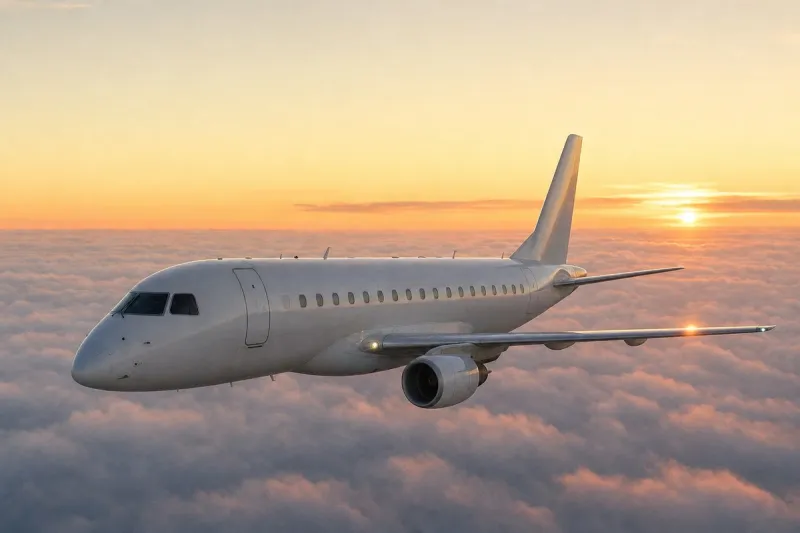
Project STRATA is led by World Mobile Stratospheric (WMS), with airspace and ATM activities led by envAero and Trax International. The programme has been endorsed by NATS, the UK's en-route air navigation service provider, and will engage regulators, airports, airlines, general aviation and the military. It centres on WMS's Stratomast platform, a liquid-hydrogen-powered, remotely piloted aircraft designed for ultra-long-endurance station-keeping at approximately 60,000 ft, above conventional air traffic, intended to deliver wide-area direct-to-device 4G and 5G mobile connectivity plus earth observation and sensing capabilities.
The programme builds on more than £100 million of development investment and prior demonstrations that included what was described as the world's first 5G calls from the stratosphere. Project STRATA will also examine whether stratospheric platforms could relay ADS-B surveillance signals to improve airspace coverage and safety for all users, with outputs to be shared with the CAA, NATS and the wider industry. WMS is already working with the CAA through its Hydrogen Challenge and Hydrogen Regulatory Sandbox on certification and operational readiness of hydrogen-powered aircraft, and STRATA's airspace work will run alongside that programme. Richard Deakin, CEO of World Mobile Stratospheric, said the project would ensure the UK is ready to support routine stratospheric operations safely and at scale, building on the company's work for ICAO.
Industry impact & what to watch
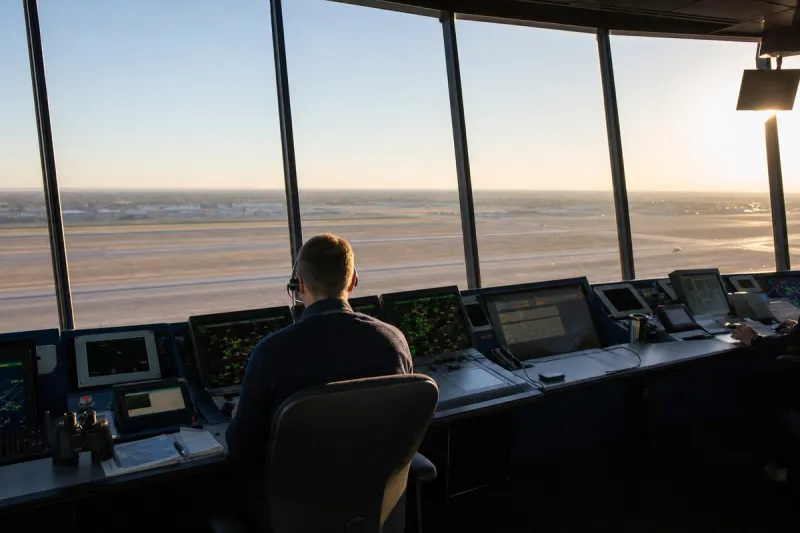
Stratospheric platforms sit in a gap current airspace systems were not built for: too high and too persistent for conventional traffic management, yet not classified alongside satellites. A blueprint effort like this is the standard precursor to any routine operation of that kind, because regulators and air navigation providers need defined procedures, data services and coordination arrangements before they will treat a new category of aircraft as everyday traffic rather than a special case requiring individual clearance each time.
The involvement of NATS alongside the CAA signals that this is being treated as an air traffic management question as much as a certification one, and the parallel running of STRATA alongside WMS's existing Hydrogen Challenge and Regulatory Sandbox suggests the UK is trying to align propulsion certification with airspace integration rather than solving them in sequence. The proposed ADS-B relay function, if it proceeds, would tie the commercial case for Stratomast to a safety benefit for other airspace users, which could shape how readily other stakeholders support the integration work.
The next marker to watch is the delivery of the Airspace and ATM Integration Blueprint and Roadmap when the programme concludes in April 2027, and whether its procedures are adopted by NATS and the CAA beyond the pilot engagement described here.