Texas launches Project Nexus air taxi testing program with eVTOL demo flights at Fort Worth Alliance Airport
Why It MattersAdvanced air mobility programs are moving from single demonstration flights toward multi-year, state-backed testing frameworks that stage cargo and medical use cases before passenger service.
What happened
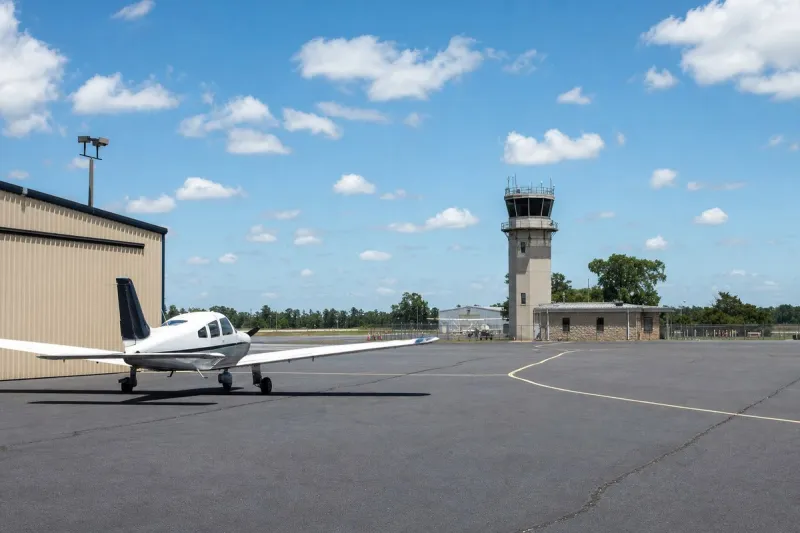
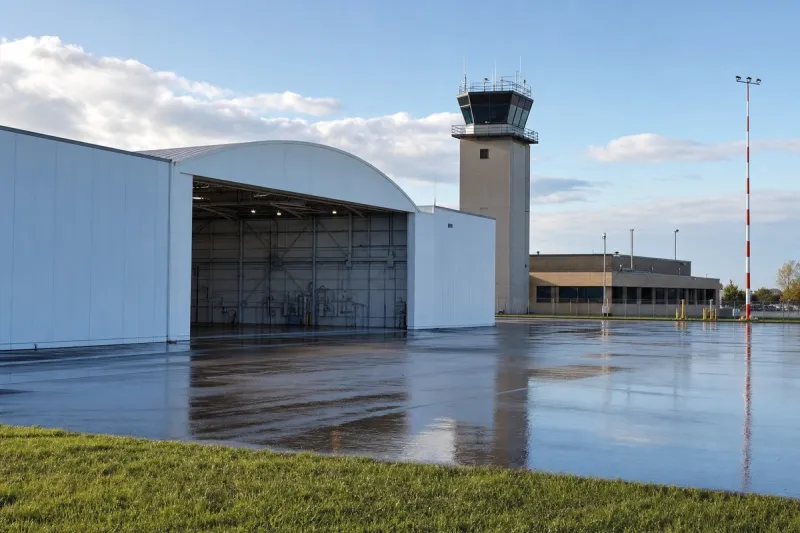
The Texas Department of Transportation launched the first phase of Project Nexus on Thursday at Perot Field Fort Worth Alliance Airport, with federal officials, state leaders and industry representatives on hand to inaugurate the demonstrations. The statewide testing program is designed to prepare next-generation aircraft for potential future use in Texas airspace.
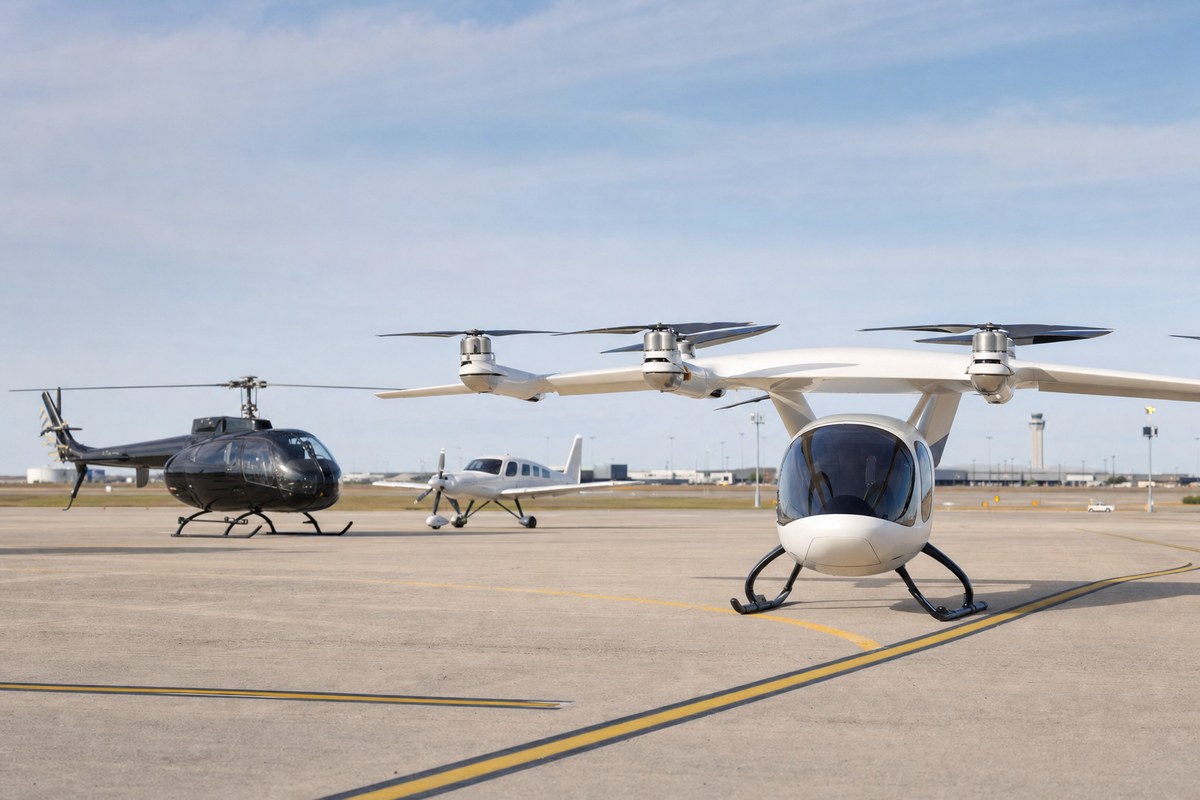
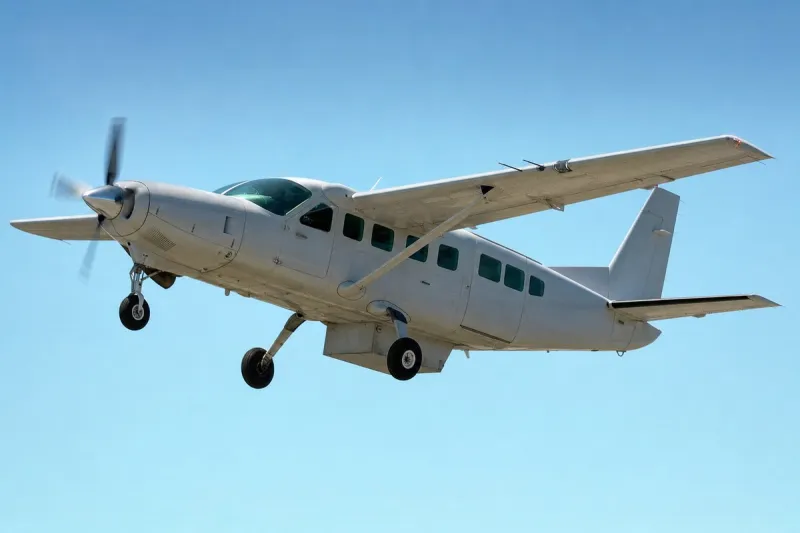
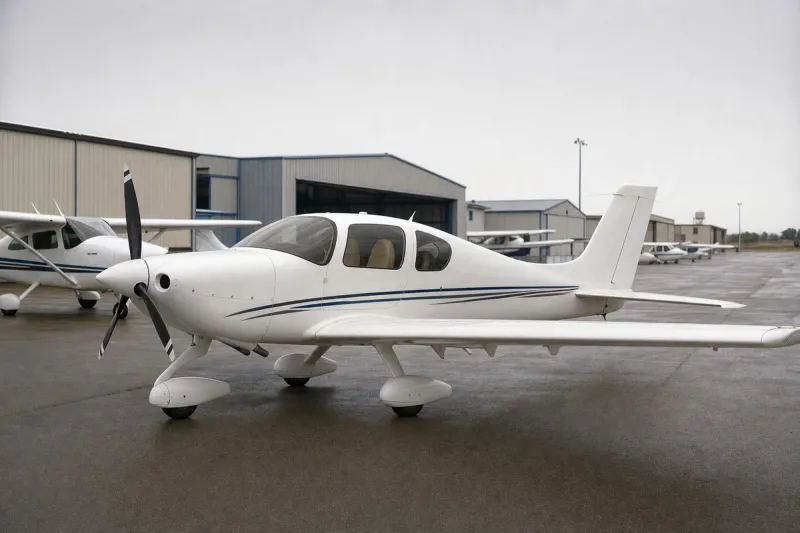
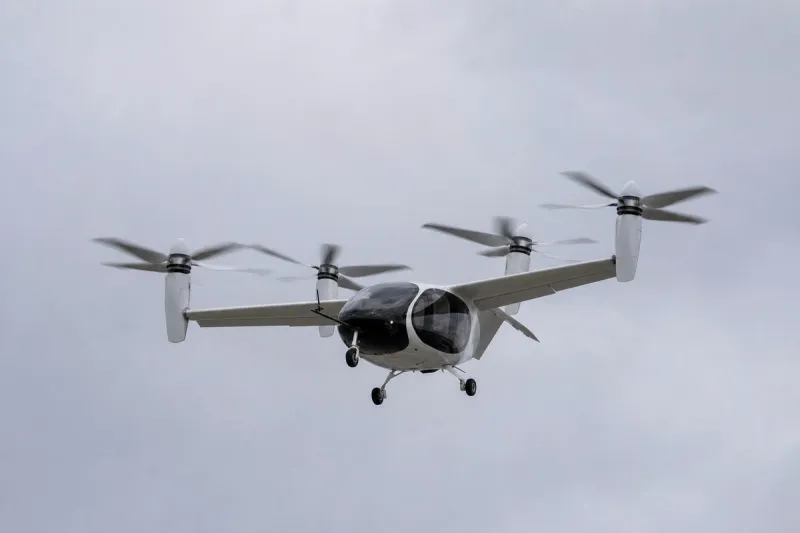
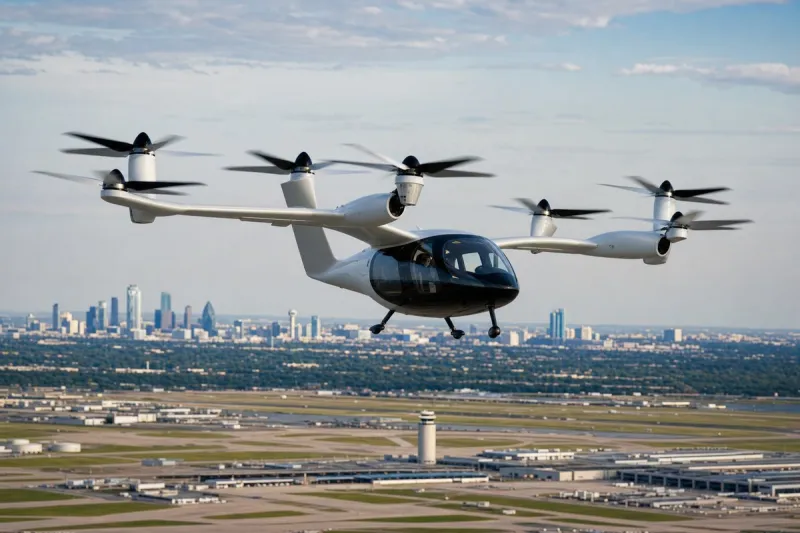
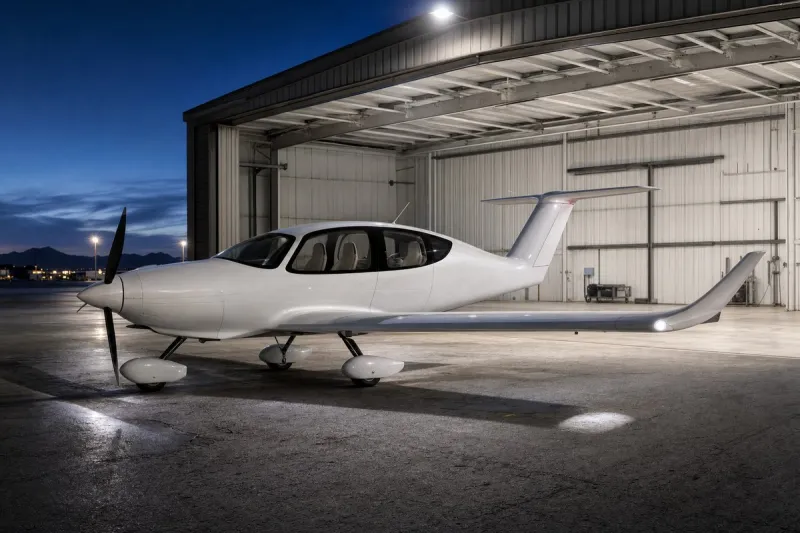
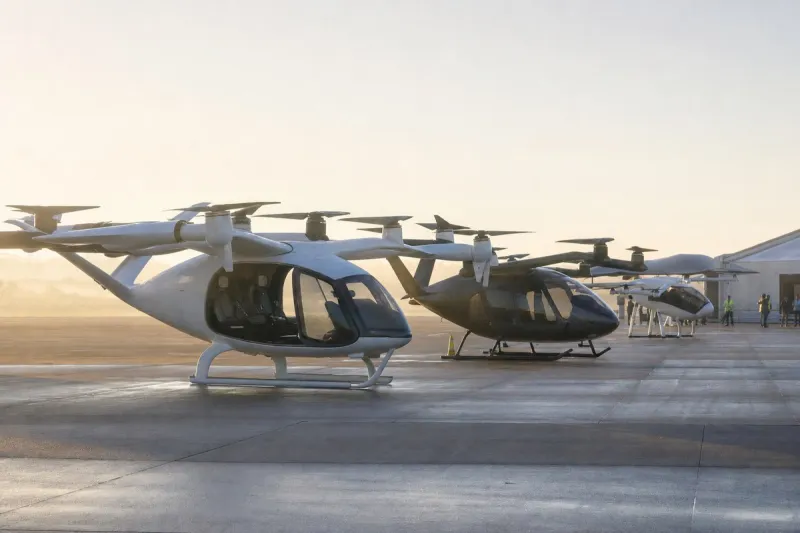
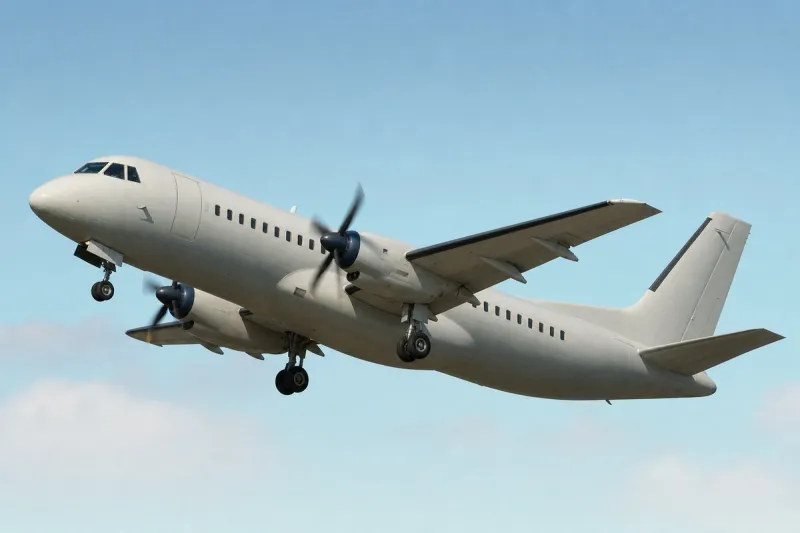
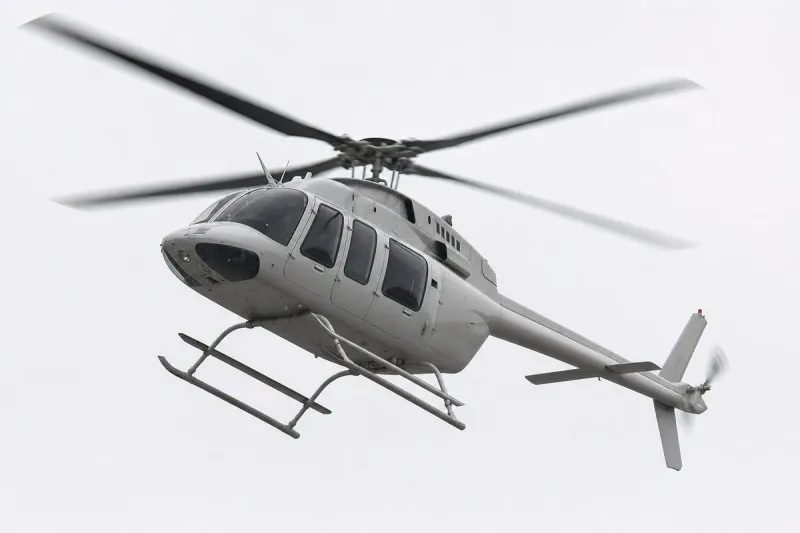
This initial phase uses traditional aircraft, including helicopters and fixed-wing planes, and will not carry passengers. Flights are designed to collect data, validate routes and support future advanced air mobility operations. Demonstrations included BETA Technologies' ALIA electric aircraft and Joby Aviation's S4 eVTOL. Joby's aircraft is expected to complete a round-trip flight between Alliance Airport and Dallas Fort Worth International Airport on Saturday to test operations between major airports.
The program is expected to progress through multiple phases over three years. Later phases will test medical and cargo logistics — including moving critical medical supplies or organs between rural facilities and urban medical centers in Austin and San Antonio — before a final phase involving passenger air taxi flights across the Texas Triangle connecting Dallas, Austin and San Antonio, with plans to eventually extend service to Houston. TxDOT Executive Director Marc Williams said, "Project Nexus is a first-of-its-kind opportunity to gather real-world data, improve safety and build a framework for how electric aircraft could one day connect people, goods and communities across the state."
Industry impact & what to watch
Project Nexus belongs to a broader push by state transportation agencies to build the operational groundwork for eVTOL air taxis before regulators or manufacturers declare the technology ready for paying passengers. Starting with uncrewed, data-gathering flights using both conventional aircraft and electric prototypes lets a state agency validate routes and procedures without the certification and liability questions that passenger service raises.
This staged approach mirrors how other emerging aviation use cases have developed: cargo and medical logistics routes typically precede passenger operations because they tolerate more schedule variability and carry lower regulatory thresholds than moving people. Testing organ and medical supply transport between rural and urban facilities in Austin and San Antonio gives operators a commercially useful mission while airspace integration and safety data accumulate.
The Saturday round-trip between Alliance Airport and Dallas Fort Worth International Airport is the next concrete milestone, since it tests eVTOL operations between two major, high-traffic airports rather than a single demonstration site. Whether Project Nexus reaches its stated final phase — passenger air taxi service across the Dallas-Austin-San Antonio Texas Triangle, with an eventual Houston extension — will depend on how the medical and cargo phases perform over the program's three-year timeline.